

Kanchenjunga Trek Weather & Temperature - Month-by-Month Guide
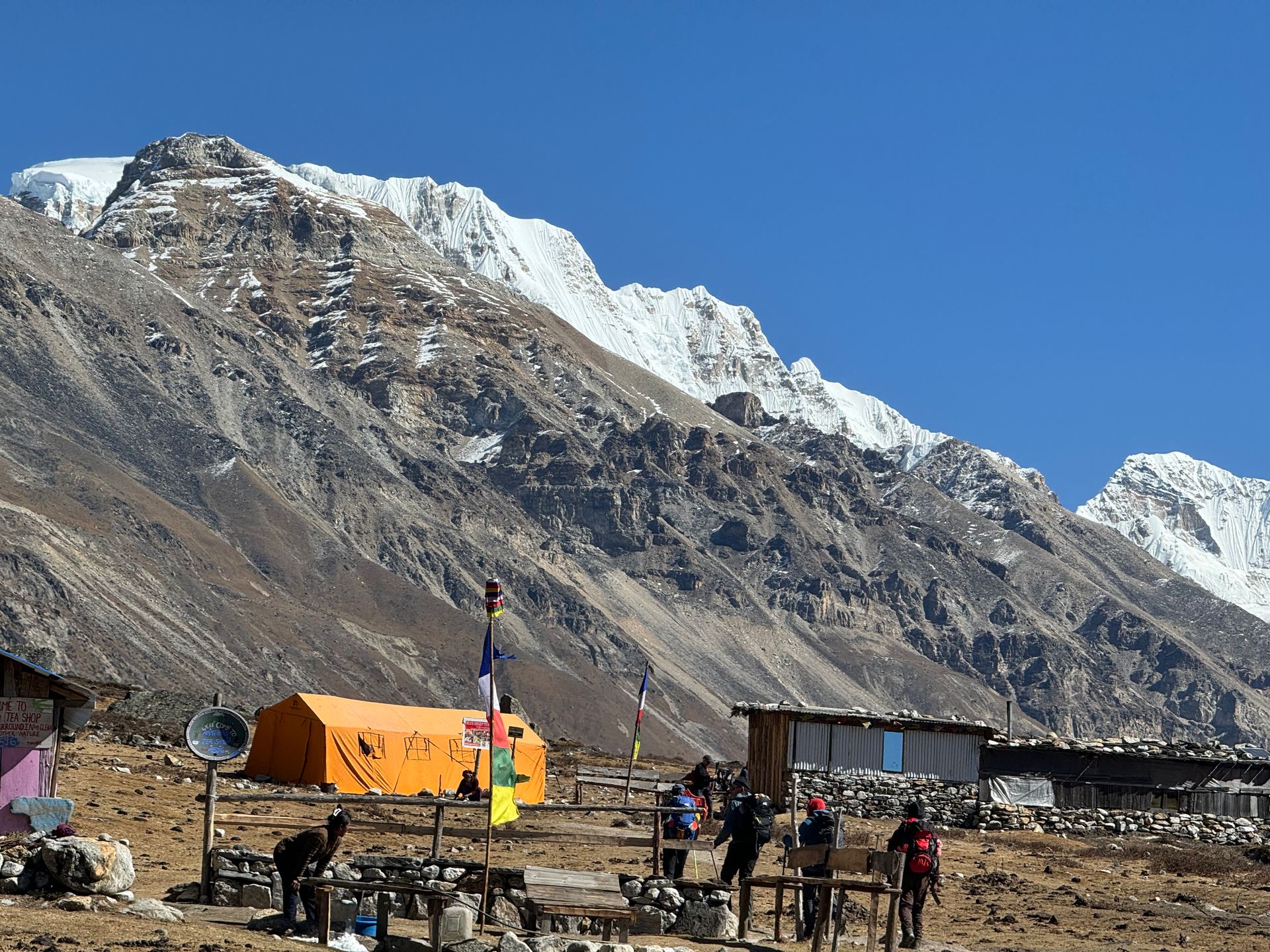
Kanchenjunga Trek Weather & Temperature: Month-by-Month Guide
The Kanchenjunga Trek takes you through some of the most remote and breathtaking landscapes in Nepal, from lush subtropical forests to rugged alpine terrain and glacial valleys. Because the trail crosses a wide range of altitudes, the weather and temperature can change significantly throughout the journey.
Choosing the right season is therefore essential for a safe and enjoyable trek. Spring and autumn generally offer the best conditions, while the monsoon brings heavy rain and winter can make high-altitude sections extremely cold and snowy.
Here is a month-by-month guide to help you understand what to expect from Kanchenjunga Trek weather and temperatures.
Month | Typical Conditions | Approx. Temperature* | Trekking |
|---|---|---|---|
January | Very cold, snow at high elevations | -10°C to 5°C | Not recommended |
February | Cold with lingering snow | -8°C to 8°C | Difficult |
March | Warming, early spring | -2°C to 14°C | Good |
April | Stable, clear, rhododendrons bloom | 5°C to 18°C | Excellent |
May | Warm, pre-monsoon clouds | 8°C to 20°C | Very good |
June | Monsoon begins | 12°C to 22°C | Not recommended |
July | Heavy rain and poor visibility | 13°C to 23°C | Not recommended |
August | Peak monsoon | 13°C to 22°C | Not recommended |
September | Rain gradually decreases | 10°C to 20°C | Good from mid-month |
October | Dry, clear and stable | 2°C to 16°C | Excellent |
November | Clear but increasingly cold | -4°C to 10°C | Very good |
December | Cold with increasing snowfall | -8°C to 5°C | Not recommended |
View Weather Charts
See month-by-month temperatures, snowfall, and trekking conditions before planning your Kanchenjunga adventure.
Check Weather & TemperaturesJanuary: Cold and Snowy
January is one of the coldest months in the Kanchenjunga region. Temperatures at lower elevations can be relatively manageable during the daytime, but nights become very cold. At higher elevations, temperatures regularly fall below freezing, with snow covering trails and high mountain passes.
This month is generally not recommended for inexperienced trekkers. Anyone attempting the trek in January needs proper winter equipment and strong high-altitude trekking experience.
February: Winter Conditions Continue
February remains cold, although temperatures slowly begin to rise toward the end of the month. Snow can still be present at high elevations, and some remote sections may remain difficult to cross.
Lower sections of the trail can be more comfortable during sunny days, but high-altitude nights remain freezing. Winter trekking experience and appropriate clothing are essential.
March: Beginning of Spring
March marks the transition from winter to spring. Temperatures gradually become warmer, particularly at lower elevations, while snow may remain around high passes and alpine areas.
The landscape starts coming alive with blooming flowers, and trekking conditions generally improve throughout the month. March can be an excellent option for trekkers looking for fewer people and beautiful spring scenery.
April: Excellent Trekking Conditions
April is one of the best months to trek in the Kanchenjunga region. The weather is generally stable, temperatures are comfortable at lower elevations, and skies are often clear enough for excellent mountain views.
The forests are particularly beautiful during this period, with rhododendrons adding vibrant colors to the landscape. If you want a combination of good weather, scenery, and comfortable trekking conditions, April is an excellent choice.
May: Warm and Beautiful
May continues the spring trekking season. Days are generally warmer, and the trails remain pleasant, especially during the first half of the month.
As May progresses, clouds and humidity gradually increase as the monsoon approaches. However, early May can still provide excellent mountain views and favorable trekking conditions.
June: Beginning of the Monsoon
June marks the beginning of Nepal's monsoon season. Rainfall gradually increases, particularly in the lower and middle sections of the trek.
Wet trails, clouds, leeches, and occasional landslides can make trekking more challenging. Mountain visibility can also become unpredictable. While experienced trekkers may still attempt the route, June is generally not considered one of the best months for Kanchenjunga.
July: Heavy Monsoon Rain
July is one of the wettest months of the year. Frequent rainfall can make trails muddy and slippery, while landslides and poor visibility may create additional challenges.
The remote nature of the Kanchenjunga region makes monsoon trekking more complicated than on many popular trekking routes. For most travelers, it is better to avoid July.
August: Wet and Unpredictable
August continues the monsoon season, bringing frequent rain, cloudy skies, and wet trails. High-altitude mountain views can be difficult to enjoy because of persistent cloud cover.
Transportation to and from the trailhead can also be affected by heavy rainfall. Unless you have a specific reason to trek during the monsoon, August is generally best avoided.
September: Monsoon Begins to Retreat
September is a transition month. Early September can still experience considerable rainfall, but conditions usually begin improving as the month progresses.
By late September, skies can become clearer, trails begin drying, and mountain visibility improves. Late September can therefore be a good time to start the autumn trekking season.
October: One of the Best Months
October is widely considered one of the best months for trekking in Nepal, including the Kanchenjunga region.
The monsoon has usually cleared, leaving relatively dry trails and clear mountain views. Days are comfortable for walking, while nights become colder at higher elevations.
The combination of stable weather, excellent visibility, and beautiful landscapes makes October a popular choice.
November: Clear Skies and Colder Nights
November continues to offer excellent trekking conditions. The skies are generally clear, rainfall is limited, and mountain visibility can be spectacular.
Temperatures begin dropping as winter approaches, particularly after sunset and at higher elevations. However, with suitable warm clothing and a good sleeping bag, November can be an excellent month for the trek.
December: Winter Arrives
December brings increasingly cold conditions throughout the Kanchenjunga region. Lower elevations may still be manageable during the daytime, but high-altitude areas can experience freezing temperatures and snowfall.
The risk of snow-covered trails and difficult high passes increases as winter progresses. Experienced trekkers who are properly equipped may still undertake parts of the journey, but December is not ideal for most visitors.
Kanchenjunga Trek Temperature by Season
Because the trek covers a huge elevation range, temperatures vary considerably.
At lower elevations, daytime temperatures during spring and autumn can feel pleasantly warm. As you climb higher, temperatures drop significantly. At high-altitude camps and mountain passes, nighttime temperatures can fall well below freezing, particularly during winter.
Rather than relying on one temperature range for the entire trek, trekkers should prepare for warm days, cold mornings and evenings, and freezing conditions at high elevations.
Best Time for the Kanchenjunga Trek
The best seasons for the Kanchenjunga Trek are generally spring and autumn.
Spring: March to May
Spring offers:
- Pleasant trekking temperatures
- Blooming rhododendrons
- Increasingly stable weather
- Good mountain visibility
- Beautiful green landscapes
April and early May are particularly attractive for trekkers who want to enjoy the region's colorful forests.
Autumn: Late September to November
Autumn is another excellent trekking season and is particularly popular for clear Himalayan views.
You can expect:
- Clear skies
- Stable weather
- Dry trails
- Excellent mountain visibility
- Comfortable daytime temperatures
- Cold but manageable nights
October and November are generally the strongest choices during this season.
What About the Monsoon?
The Kanchenjunga region receives substantial rainfall during the monsoon months of June through August. The lower sections of the route can become wet and muddy, while landslides may affect trails and transportation.
The mountains may also remain hidden behind clouds for much of the day.
For these reasons, trekkers seeking clear views and more predictable conditions should avoid the peak monsoon period.
What Should You Pack for Changing Weather?
The key to dealing with Kanchenjunga weather is layering. Conditions can change quickly, and the temperature difference between lower valleys and high-altitude areas can be substantial.
Important items include:
- Warm down jacket
- Fleece or insulating layer
- Thermal base layers
- Waterproof jacket and trousers
- Warm gloves
- Wool or thermal hat
- Sun hat
- Good trekking boots
- Warm sleeping bag
- Sunglasses
- Sunscreen
- Backpack rain cover
- Moisture-wicking trekking clothes
During spring and autumn, you should still prepare for freezing temperatures at high elevations.
Final Thoughts
Weather is one of the most important factors to consider when planning the Kanchenjunga Trek. The region experiences everything from warm, humid valleys to freezing alpine conditions, and temperatures can change dramatically as you gain elevation.
For the best overall experience, April, May, October, and November are among the most favorable months. Spring brings colorful forests and blooming rhododendrons, while autumn offers some of the clearest mountain views.
Whichever month you choose, prepare for changing conditions, pack appropriate layers, and allow enough flexibility in your itinerary. In the remote Kanchenjunga region, being prepared for the weather is just as important as having a good pair of trekking boots.
Other Blogs

Kanchenjunga Base Camp Trek a Perfect holiday
Ritesh KhadkaSeptember 7, 2026
The Kanchenjunga trek is more than a journey through the Himalayas—it is an experience of stepping into one of Nepal’s most remote, peaceful, and spectacular mountain regions. Far from the busy trekking routes of Everest and Annapurna, the Kanchenjunga region offers pristine forests.
Continue Reading
Kanchenjunga Experiences
Ritesh KhadkaSeptember 7, 2026
The Kanchenjunga trek is more than a journey through the Himalayas—it is an experience of stepping into one of Nepal’s most remote, peaceful, and spectacular mountain regions. Far from the busy trekking routes of Everest and Annapurna, the Kanchenjunga region offers pristine forests.
Continue Reading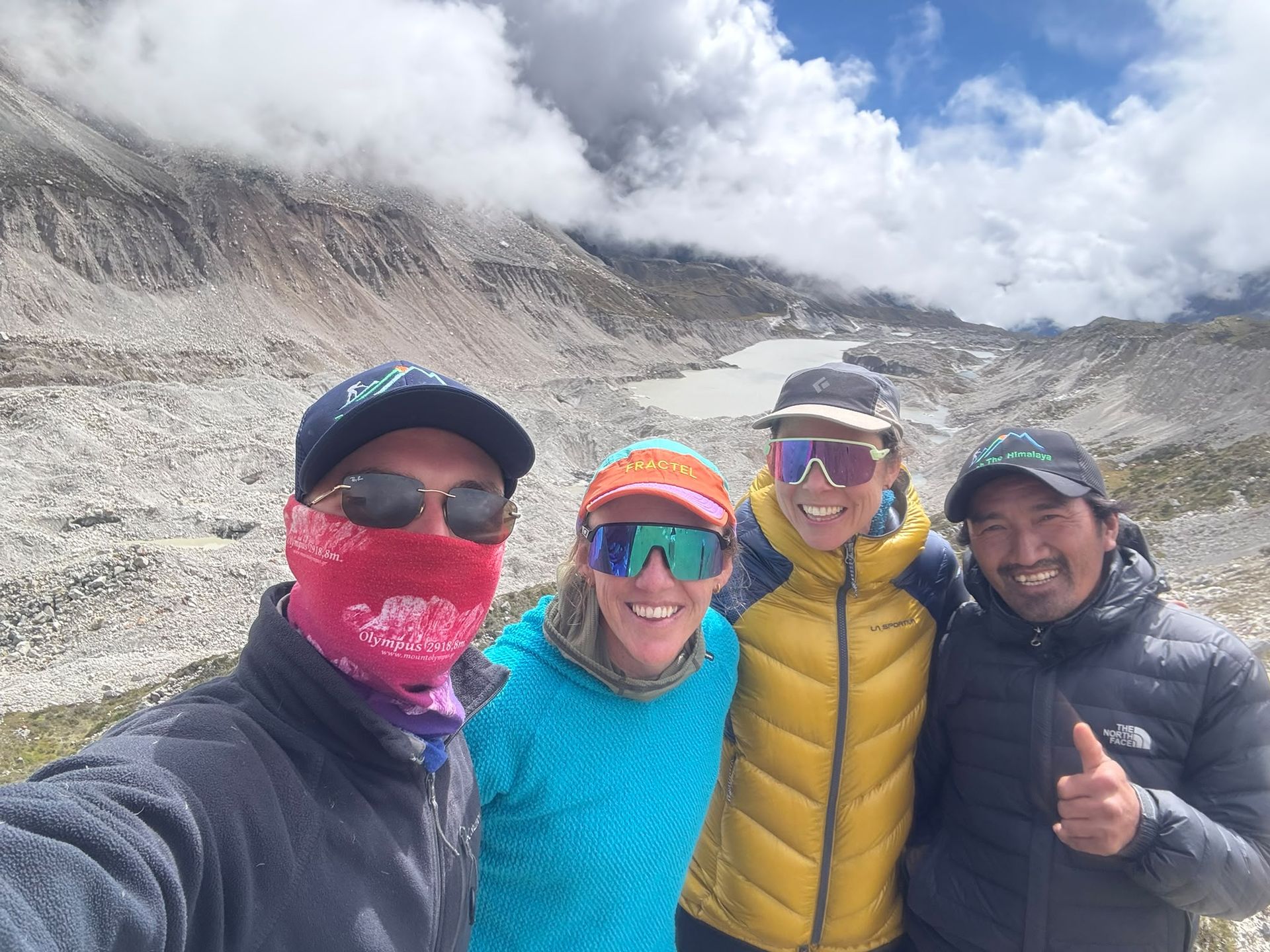
Local Guides and Porters for the Kanchenjunga Trek
Discover why hiring local guides and porters makes your Kanchenjunga trek safer, smoother, and more authentic, with experienced professionals who know the region, trails, culture, and mountain conditions.
Continue Reading