Removed Background

Kanchenjunga North Base Camp Trek -14 Days

Destination

Kanchenjunga, Nepal

Grade

Challenging

Start / End Point

Kathmandu

Accommodation

Hotel and Teahouse/Lodge

Best Season

March-May, Sept-Nov.

Meals Included

Breakfast, Lunch & Dinner (BLD)

Activity

Kanchenjunga Trek

Max. Altitude

5,143 m (16,873 ft) Pangpema

The 14 Days Kanchenjunga North Base Camp Trek takes you deep into Nepal's remote eastern Himalayas, featuring Lhonak, Pangpema, dramatic glaciers, high mountain landscapes, and breathtaking views of Mount Kanchenjunga. Text-only version of this trek page, with the full itinerary, prices, departures and inclusions in Markdown: https://kanchenjungaguides.com/kanchenjunga-north-base-camp-trek.md

Highlights

  • Reach Both Kanchenjunga Base Camps
  • Stand Beneath the World's Third-Highest Mountain
  • Explore the Remote Kanchenjunga Wilderness
  • Cross the Dramatic Sele La Passes
  • Experience Authentic Himalayan Villages
  • Discover the Yalung and Kanchenjunga Glacial Valleys

Kanchenjunga North Base Camp Trek -14 Days

The 14 Days Kanchenjunga North Base Camp Trek is an adventurous journey into one of Nepal’s most remote and spectacular Himalayan regions. Designed for trekkers with limited time, this route takes you through This trek takes you deep into the remote northern section of the Kanchenjunga region to Pangpema, the North Base Camp of Mount Kanchenjunga (8,586 m), the world’s third-highest mountain.

The trek begins with a scenic journey from Kathmandu to Bhadrapur, followed by a long drive through the beautiful hills of eastern Nepal toward the Kanchenjunga region. The road journey itself is part of the adventure, taking you through traditional villages, terraced hillsides, forests, and remote mountain landscapes before reaching the trekking trailhead.

From Sekathum, the trail enters the wilderness of the Kanchenjunga region. The route follows the Ghunsa River, passing through dense forests, waterfalls, suspension bridges, and traditional Himalayan settlements. As you gain altitude, the landscape gradually changes from lush subtropical forests to alpine terrain.

The trail passes through picturesque villages including Amjilosa, Gyabla, and Ghunsa. Ghunsa, situated at around 3,415 meters, is an important acclimatization point and a culturally fascinating Tibetan-influenced mountain settlement. Here, trekkers have an opportunity to rest, explore the village, and prepare for the higher elevations ahead.

Beyond Ghunsa, the trail becomes increasingly rugged and spectacular. The route continues toward Kambachen and Lhonak, surrounded by dramatic Himalayan peaks, rocky cliffs, glaciers, and high mountain valleys. Proper acclimatization and a steady pace are particularly important on this section as the altitude rises significantly.

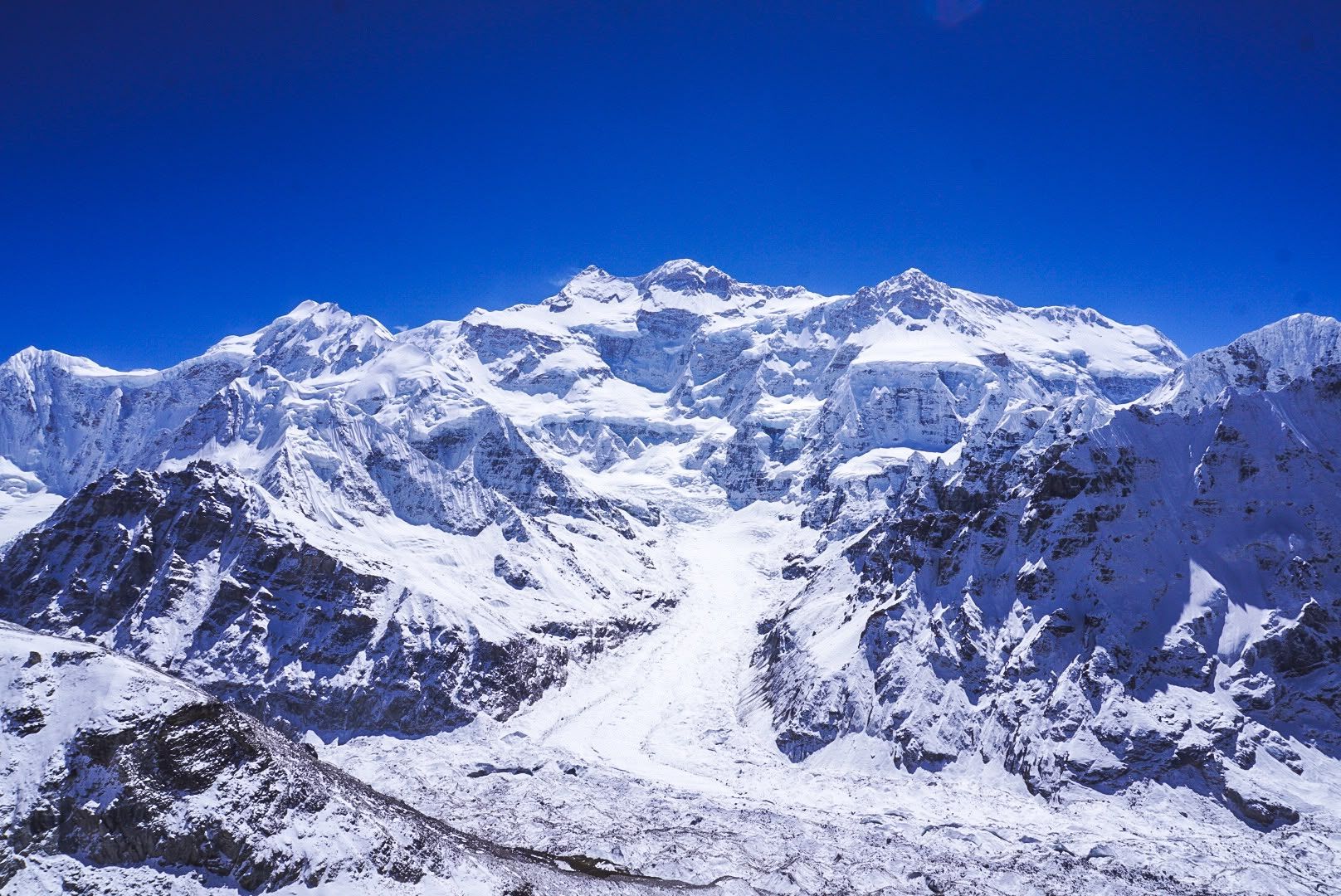
The major highlight of the journey is the excursion from Lhonak to Pangpema, located at approximately 5,140–5,143 meters (16,864–16,873 ft). Pangpema offers an extraordinary perspective of the massive northern face of Mount Kanchenjunga and the surrounding Himalayan peaks. The remote setting, glaciers, snow-covered mountains, and vast alpine landscape make reaching North Base Camp a truly memorable experience.

After enjoying the views at Pangpema, the trail returns toward Ghunsa, retracing the route through the beautiful mountain valleys. The descent provides a welcome change after the challenging high-altitude section. From Ghunsa, the trek continues down toward Amjilosa and Sekathum, where the walking portion of the adventure comes to an end.

The final days involve a scenic drive through eastern Nepal toward Illam, famous for its lush tea gardens, before continuing to Bhadrapur and flying back to Kathmandu. Depending on road and flight conditions, the itinerary can include some flexibility for transportation.

The 14 Days Kanchenjunga North Base Camp Trek is best suited to adventurous trekkers looking for a remote Himalayan experience away from Nepal’s busier trekking routes. The combination of traditional villages, pristine forests, glaciers, high-altitude valleys, and spectacular views of Kanchenjunga makes this trek one of eastern Nepal’s most rewarding adventures.

With Kanchenjunga Guides Nepal, the journey is supported by experienced local guides who understand the terrain, mountain conditions, local communities, and logistics of this remote region. We focus on careful planning, responsible trekking, proper acclimatization, and personal support throughout the journey, allowing you to experience the North Base Camp of Kanchenjunga safely and authentically.

Maximum Altitude

5,143 m / 16,873 ft
Pangpema – Kanchenjunga North Base Camp

This is the highest point of the trek and the main objective of the journey, offering spectacular views of Mount Kanchenjunga and surrounding peaks.

Trek Difficulty

Challenging / Strenuous

The trek involves long walking days, significant altitude gain, remote trails, and rugged Himalayan terrain. Good physical fitness, proper acclimatization, and previous high-altitude trekking experience are recommended.

Kanchenjunga Trek Videos

Video 1 of 2

Watch on YouTube ↗

Day-to-Day Short Itinerary

  1. Day01Fly Kathmandu to Bhadrapur and Drive to Taplejung. Take a morning flight to Bhadrapur and continue by road toward Taplejung. Overnight in a local lodge.
  2. Day02Drive to Sekathum (1,640 m / 5,380 ft). Continue by road through the remote hills of eastern Nepal toward Sekathum, the starting point of the trek.
  3. Day03Trek Sekathum to Amjilosa (2,510 m / 8,235 ft). Begin walking through forests and along the Ghunsa Khola. Cross suspension bridges and ascend gradually toward Amjilosa.
  4. Day04Trek Amjilosa to Gyabla (2,725 m / 8,940 ft). Trek through dense forests of bamboo, rhododendron, and pine, following the river valley toward the Tibetan-influenced village of Gyabla.
  5. Day05Trek Gyabla to Ghunsa (3,415 m / 11,204 ft). Continue through beautiful forested landscapes to Ghunsa, the largest settlement in the upper Kanchenjunga region.
  6. Day06Acclimatization Day in Ghunsa. Take a rest and acclimatization day in Ghunsa. Enjoy a short hike around the village and surrounding hills while preparing for higher elevations.Rest day
  7. Day07Trek Ghunsa to Kambachen (4,145 m / 13,599 ft). Walk through increasingly alpine terrain toward Kambachen, with impressive views of the surrounding peaks.
  8. Day08Trek Kambachen to Lhonak (4,790 m / 15,715 ft). Continue along the Kanchenjunga Glacier valley toward Lhonak. The landscape becomes increasingly rugged and spectacular.
  9. Day09Hike to Pangpema – Kanchenjunga North Base Camp (5,140 m / 16,864 ft) and Return to Lhonak. Early morning hike toward Pangpema, the North Base Camp of Kanchenjunga. Enjoy magnificent views of Mount Kanchenjunga and surrounding Himalayan peaks before returning to Lhonak.Highest point
  10. Day10Trek Lhonak to Ghunsa (3,415 m / 11,204 ft). Retrace the trail through the dramatic mountain valley and descend toward Ghunsa.
  11. Day11Trek Ghunsa to Amjilosa (2,510 m). Descend through lush forests and along the Ghunsa River, enjoying peaceful mountain scenery before reaching Amjilosa.
  12. Day12Trek Amjilosa to Sekathum (1,640 m). Continue descending through forests and remote villages, following the river valley to Sekathum.
  13. Day13Drive Sekathum to Illam Tea Garden. Drive through the scenic hills of eastern Nepal toward Taplejung and Continue Drive to Illam area, enjoying changing landscapes along the way.
  14. Day14Drive to Bhadrapur and Fly to Kathmandu. Continue by road to Bhadrapur and take a flight back to Kathmandu. Transfer to your hotel and enjoy a free evening.

Kanchennunga Base Camp Trek Detail Itinerary

Day 1of 14

Fly from Kathmandu to Bhadrapur & Drive to Taplejung

Taplejung
  • Max altitude1820
  • Drive time8-9 hrs.
  • Drive distance213 kilometers (132 miles)

After an early breakfast, we head to the airport for a scenic domestic flight from Kathmandu to Bhadrapur, the main air gateway to eastern Nepal. The flight offers beautiful views of the Himalayan range and the changing landscapes of Nepal as we travel east.

Upon arrival in Bhadrapur, we meet our private vehicle and begin the overland journey toward Taplejung, the gateway to the Kanchenjunga region. The drive takes us through the beautiful hills of eastern Nepal, passing traditional villages, terraced farmland, rivers, and forested landscapes.

We arrive in Taplejung in the late afternoon or evening and check into our local lodge. Your trekking team will make the final preparations for the following day's journey toward the remote Kanchenjunga trails.

OvernightTaplejung Guest house.

MealsBreakfast, Lunch & Dinner

Day 2of 14

Drive from Taplejung to Sekathum (1,640 m / 5,380 ft)

Sekhathum
  • Max altitude1,640 m / 5,380 ft
  • Drive time4-5 Hours
  • Drive distance45 KM

After breakfast, we continue our journey by road from Taplejung toward Sekathum, passing through the remote and scenic hills of eastern Nepal. The drive follows winding mountain roads through traditional villages, terraced farmland, lush forests, and beautiful river valleys, offering a glimpse into the rural lifestyle of the region.

As we travel deeper into the Kanchenjunga region, the surroundings become increasingly remote and mountainous. Sekathum is an important access point for the Kanchenjunga trek and marks the beginning of our walking adventure toward the northern base camp.

Upon arrival in Sekathum, we check into our local lodge and prepare for the first day on the trail.

OvernightMountain Teahouse / Lodge

MealsBreakfast, Lunch, Dinner

Day 3of 14

Trek from Sekathum to Amjilosa (2,510 m / 8,235 ft)

Amjilosa
  • Trek distance12-13 km.
  • Max altitude2,510 m / 8,235 ft
  • Trek duration5-6 Hours

After breakfast, we begin our first full day of trekking into the remote Kanchenjunga region. The trail follows the Ghunsa Khola, passing through dense forests of bamboo, rhododendron, and Himalayan vegetation.

The route involves several ascents and descents, with suspension bridges crossing the river and its tributaries. As we trek deeper into the valley, the surroundings become quieter and more spectacular, with forested hills and mountain landscapes on both sides.

After a rewarding day on the trail, we reach Amjilosa, a traditional Himalayan settlement surrounded by beautiful forested slopes. We check into our local lodge and enjoy a well-earned rest.

Note: Trekking distance and duration can vary slightly depending on the exact trail conditions and starting/ending points.

OvernightOvernight at Teahouse / Mountain Lodge in Amjilosa

MealsBreakfast / Lunch / Dinner (BLD)

Day 4of 14

Trek from Amjilosa to Gyabla (2,725 m / 8,940 ft)

Gyabla
  • Trek distance13-14 KM.
  • Max altitude2,725 m / 8,940 ft
  • Trek durationApprox. 5–6 hours

After breakfast, we continue our trek deeper into the remote Kanchenjunga region. The trail climbs gradually through beautiful forests of bamboo, rhododendron, and pine, following the valley of the Ghunsa Khola.

Along the way, we cross several small streams and enjoy peaceful views of the surrounding hills and forested mountains. The trail becomes increasingly alpine as we gain elevation, eventually reaching Gyabla, a small traditional settlement with a distinctive Tibetan-influenced culture and architecture.

After arriving at Gyabla, we check into our local lodge and relax after the day's walk.

Activity: Forest trekking, river valley & Himalayan village experience

OvernightMountain Lodge in Gyabla

MealsBreakfast, Lunch & Dinner

Day 5of 14

Trek from Gyabla to Ghunsa (3,415 m / 11,204 ft)

Ghunsa
  • Trek distance13–14 km
  • Max altitude3,415 m / 11,204 ft
  • Trek durationApprox. 5–6 hours

After breakfast, we leave Gyabla and continue our journey toward Ghunsa, the largest and most important settlement in the upper Kanchenjunga region. The trail gradually ascends through beautiful Himalayan forests, with rhododendron, pine, and juniper surrounding the route.

As we gain elevation, the landscape opens into wider mountain valleys, with impressive views of the surrounding peaks and the Ghunsa Khola flowing alongside the trail. The peaceful surroundings and traditional mountain scenery make this a particularly enjoyable section of the trek.

By afternoon, we arrive at Ghunsa, a picturesque Tibetan-influenced village and an important stopping point for trekkers heading toward Kanchenjunga North Base Camp. We settle into our lodge and have time to explore the village and relax.

Activity: Forest trekking, mountain scenery & Tibetan-influenced village experience

OvernightDzonga Family House (Ghunsa)

MealsBreakfast, Lunch & Dinner

Day 6of 14

Acclimatization Day in Ghunsa (3,415 m / 11,204 ft)

Ghunsa
  • Trek distance Approx. 3–5 km (acclimatization hike)
  • Max altitude 3,415 m / 11,204 ft
  • Trek durationApprox. 2–3 hours

Today is a rest and acclimatization day in Ghunsa, allowing your body to adjust gradually to the increasing altitude before we continue toward the higher elevations of the Kanchenjunga region.

After breakfast, we take a short acclimatization hike around Ghunsa village and the surrounding hills. The walk provides beautiful views of the valley and nearby mountains while keeping the body active. We return to the lodge for lunch and have the afternoon to relax, explore the village, or prepare for the next stage of the trek.

Your guide will also monitor your general condition and provide guidance on pacing, hydration, and altitude awareness.

Activity: Acclimatization hike, village exploration & rest

OvernightDzonga Family House (Ghunsa)

MealsBreakfast, Lunch & Dinner

Day 7of 14

Trek from Ghunsa to Kambachen (4,145 m / 13,599 ft)

Kambachen
  • Trek distanceApprox. 10–11 km
  • Max altitude4,145 m / 13,599 ft
  • Trek durationApprox. 5–6 hours

After breakfast, we leave Ghunsa and continue toward the higher reaches of the Kanchenjunga region. The trail follows the Ghunsa Khola through increasingly rugged and alpine terrain, with the dense forests gradually giving way to rocky slopes, open valleys, and high Himalayan landscapes.

As we gain altitude, spectacular views of the surrounding peaks begin to unfold. The trail becomes more challenging, with rocky sections and gradual ascents requiring a steady pace. Our experienced guide will maintain a comfortable walking rhythm and allow sufficient time for rest and acclimatization.

We eventually reach Kambachen, a small and remote settlement surrounded by dramatic mountain scenery. After checking into the lodge, we have time to rest and enjoy the impressive Himalayan views.

Activity: Alpine trekking, mountain views & high-altitude landscapes

OvernightLodge in Kambachen

MealsBreakfast, Lunch & Dinner

Day 8of 14

Trek from Kambachen to Lhonak (4,790 m / 15,715 ft)

Lhonak
  • Trek distanceApprox. 10–11 km
  • Max altitude4,790 m / 15,715 ft
  • Trek durationApprox. 5–6 hours

After breakfast, we leave Kambachen and continue deeper into the remote Kanchenjunga Glacier Valley. The trail passes through rugged alpine terrain, with rocky moraines, glacial streams, and dramatic mountain walls surrounding the route.

As we gain elevation, vegetation becomes increasingly sparse and the landscape takes on a truly high-Himalayan character. Along the way, we can enjoy magnificent views of Kanchenjunga and the surrounding peaks and glaciers.

The trail gradually leads us toward Lhonak, a remote high-altitude settlement situated in the Kanchenjunga Valley. Upon arrival, we check into the lodge and rest in preparation for our important journey to Pangpema (Kanchenjunga North Base Camp) the following day.
Activity: Glacier valley trekking, alpine landscapes & Himalayan mountain views

OvernightLodge in Lhonak

MealsBreakfast, Lunch & Dinner

Day 9of 14

Hike to Pangpema – Kanchenjunga North Base Camp (5,140 m / 16,864 ft) & Return to Lhonak

Lhonak
  • Trek distance18–20 km (round trip)
  • Max altitude5,140 m / 16,864 ft
  • Trek duration7–9 hours

Today is one of the highlights of the Kanchenjunga Base Camp Trek. We start early from Lhonak and follow the rugged trail toward Pangpema, the North Base Camp of Mount Kanchenjunga.

The route leads through a spectacular high-altitude landscape of rocky moraines, glacial valleys, and towering Himalayan peaks. As we approach Pangpema, the magnificent north face of Mount Kanchenjunga (8,586 m) dominates the horizon, creating an unforgettable mountain experience.

After spending time at Pangpema to enjoy the breathtaking scenery and take photographs, we begin our return journey along the same trail back to Lhonak. The descent provides a welcome change after the demanding ascent.
Activity: Pangpema hike, Kanchenjunga North Base Camp & glacier valley exploration

OvernightLodge in Lhonak

MealsBreakfast, Lunch & Dinner

Day 10of 14

Trek from Lhonak to Ghunsa (3,415 m / 11,204 ft)

Ghunsa
  • Trek distance18–20 km
  • Max altitude3,415 m / 11,204 ft
  • Trek durationApprox. 6–8 hours

After breakfast, we leave Lhonak and retrace our steps through the spectacular Kanchenjunga Valley. The trail gradually descends from the high alpine landscape, following the glacial valley and passing rugged mountain slopes, rocky terrain, and beautiful Himalayan scenery.

As we lose elevation, the landscape becomes greener and more familiar. We continue along the Ghunsa Khola before reaching Ghunsa, where we can relax and enjoy a comfortable evening after several demanding days at high altitude.
Activity: Descending through the Kanchenjunga Valley & Himalayan scenery

OvernightDzonga Family House (Ghunsa)

MealsBreakfast, Lunch & Dinner

Day 11of 14

Trek Ghunsa to Amjilosa (2,510 m)

Amjilosa
  • Trek distanceApprox. 13 km
  • Max altitude2510
  • Trek duration5–6 hours

After breakfast, begin the descent from Ghunsa toward Amjilosa, retracing the scenic trail through the remote Kanchenjunga wilderness. The trail follows the Ghunsa River and passes through dense forests of pine, rhododendron, and bamboo. Enjoy the peaceful surroundings and mountain views as you gradually lose altitude and arrive at the traditional village of Amjilosa.

OvernightGuest house in Amjilosa

MealsBreakfast, Lunch & Dinner

Day 12of 14

Trek from Amjilosa to Sekathum (1,640 m)

Sekathum
  • Trek distanceApprox. 12 km
  • Max altitude1640
  • Trek durationApprox. 5-6 hours

Today we continue our descent from Amjilosa to Sekathum, following the scenic river valley through the lower Kanchenjunga region.

We leave Amjilosa after breakfast and trek through dense forests of rhododendron, bamboo, and pine, passing small waterfalls, streams, and remote mountain settlements. The trail gradually descends alongside the river, with the landscape becoming greener and warmer as we lose altitude.

After several hours of trekking, we reach Sekathum, an important gateway to the Kanchenjunga trekking area. We check into the lodge and enjoy a relaxing evening after completing the trekking section.
Activity: Forest trekking, river valley walk & mountain village exploration

Overnightlodge in Sekathum

MealsBreakfast, Lunch & Dinner

Day 13of 14

Drive Sekathum to Illam Tea Garden

Ilam
  • Max altitude1,208 meters / 3,963 feet
  • Drive timeApprox. 6-7 hours
  • Drive distanceApprox. 160 km

Today, we leave the Kanchenjunga trekking trails and begin our scenic drive through the hills of eastern Nepal. The road winds through remote mountain landscapes, terraced hillsides, and traditional villages as we gradually make our way toward Illam.

Upon reaching the Illam Tea Garden, enjoy the peaceful surroundings and beautiful views of the lush tea-covered hills. This relaxing stop offers a pleasant change of scenery after several days in the high Himalayas.

Activity: Scenic mountain drive, tea garden visit & eastern Nepal landscape exploration

OvernightHotel/Guesthouse in Illam

MealsBreakfast, Lunch & Dinner

Day 14of 14

Drive from Illam to Bhadrapur & Fly to Kathmandu

Kathmandu
  • Max altitude91 M.
  • Drive time5-6 Hours.
  • Drive distance80 to 95 kilometers

After breakfast, we continue our journey by road toward Bhadrapur, traveling through the scenic hills and countryside of eastern Nepal. Upon reaching Bhadrapur, we head to the airport for our domestic flight back to Kathmandu.

After landing in Kathmandu, our representative will transfer you to your hotel. The rest of the evening is free to rest, relax, explore the city, or do some last-minute shopping after your long Himalayan adventure.
Activity: Scenic drive, domestic flight & hotel transfer. Driving time may vary depending on road and traffic conditions. Flight schedules are subject to airline operations and weather conditions.

OvernightKathmandu Hotel

MealsBreakfast & Lunch

What is included in this trek package?

Transportation

  • ✓Airport picks up and drops off by Car, jeep, Hiace, or Bus. Depends on the number of arrives.
  • ✓Kathmandu-Bhadrapur-Kathmandu Domestic Flight for Clients and one Guide.
  • ✓Bhadrapur-Taplejung-Sekhathung toward trek and way back after the Trek Drive by shared or private Jeep

Accommodation

  • ✓All Accommodation in Mountain During the trek (Tea House, Local Lodge, Homestay etc.)

Food Meals

  • ✓3 Meals Each Day During the trek (Breakfast/Lunch/Dinner)

Trekking Permits

  • ✓Kanchenjunga Restricted Area Permit
  • ✓Kanchenjunga Conservation Area Permit
  • ✓Trekkers Information Management System (TIMS Permit)
  • ✓Local Government fee.

Guide Porter

  • ✓An experienced, English-speaking, government-licensed, first aid-trained Kanchenjunga Local trekking guide and assistant guide (+6 trekkers: 1 assistant guide)
  • ✓Expert Kanchenjunga local porters (Each 2 trekkers: 1 porter)

Other

  • ✓Duffel bag, (to be returned after trip completion), complementary trekking maps. If needed down jacket and sleeping bag will be provided in rent.

Medical First Aid

  • ✓Basic First-aid kit (carried by your trekking guide)

Travel Insurance

  • ✓Staff costs include their salary, insurance, equipment, transport, food, and accommodation.
  • ✓Rescue arrangements if necessary.

Other

  • ✓All government and local taxes for Trekking, Agency service charges,s and government tax/vat.
  • ✓Achievement Certificate
  • ✓Equipment Rental

What is excluded

International Flights

  • ×International airfare and Nepal visa fee.

Accommodation

  • ×Kathmandu Accommodation is yours (can be assist if of required)
  • ×Extra night accommodation in Kathmandu because of early arrival, late departure, early return from mountain (due to any reason) than in the scheduled itinerary
  • ×Meals in Kathmandu

Travel Insurance

  • ×Client's Personal insurance which covers medical, emergency evacuation, loss or theft of property.

Clothing Personal Gear

  • ×Personal gears and equipment.
  • ×Personal expenses such as laundry, hot showers, battery charging, Wifi, etc

Other Expenses

  • ×Entry fees and costs in sightseeing (temples, monasteries, etc)

Tips Gratuities

  • ×Tips and gratitude provided to guide and porter.

Kanchenjunga Trek Map

Download trek map
Trek route map

Kanchenjunga Trek Altitude Profile

02,0004,0006,000 mKathmandu1,400 mDay 1Bhadrapur91 mDay 2Ilam 1,627 mDay 3Taplejung1,820 mDay 4Sekathum1,660 mDay 5Amjilosa2,510 mDay 6Gyabla 2,725 mDay 7Ghunsa3,415 mDay 8Kambachen 4,145 mDay 9Lhonak4,790 mDay 10Pangpema –KanchenjungaNorth Base Camp5,140 mDay 11Ghunsa3,415 mDay 12Sele La Camp4,300 mDay 13Tseram3,870 mDay 14Ramche4,580 mDay 15KanchenjungaSouth Base Camp 4,730 mDay 16Tortong2,995 mDay 17Yamphudin2,080 mDay 18Ilam 1,627 mDay 19Bhadrapur91 mDay 20Kathmandu1,400 mDay 21

Kanchenjunga Trek Packing List

The complete packing list below will guide you on what to bring for the trek.

Equipment we provide

9 items
  • Four-season sleeping bagRent
  • Sleeping bag linerRent
  • Duffle bag
  • Duffel bag rain cover
  • Trekking map
  • Basic first-aid kit · 1 per group
  • Oximeter · 1 per group
  • Trekking poles · Available on request
  • Basic rain protection · As required

Clothing & Layering

16 items
  • Moisture-wicking T-shirts · 2–3Required
  • Long-sleeve trekking shirts · 1-2 pairRequired
  • Thermal/base-layer top · 1–2 pairsRequired
  • Thermal/base-layer bottom · 1–2 pairsRequired
  • Fleece jacket or pullover · 1 pairs
  • Down or insulated jacket · 1 pairs
  • Waterproof/windproof jacket · 1 pairs
  • Trekking trousers · 2 pairs pairs
  • Lightweight hiking shorts · 1 pairs
  • Waterproof trekking trousers · 1 pairs
  • Warm trekking socks · 3–4 pairs
  • Lightweight liner socks · 1–2 pairs
  • Warm sleepwear · 1 set
  • Comfortable camp trousers · 1 pair
  • Underwear · 4–6 pairs
  • Sports/trekking underwear · 2–3 pairs

Trekking Footwear

8 items
  • Waterproof trekking boots · 1 pair
  • Trekking socks · 3–4 pairsRequired
  • Lightweight liner socks · 1–2 pairs
  • Camp shoes or sandals · 1 pair
  • Waterproof gaiters · 1 pair
  • Spare lightweight footwear · 1 pair
  • Comfortable insoles · 1 pair
  • Blister protection patches · 1 small pack

Backpacks & Bags

9 items
  • Trekking backpack/daypack · 25–35 liters
  • Main duffel or trekking bag · 50–70 liters
  • Waterproof backpack rain cover
  • Waterproof duffel bag liner
  • Dry bags or waterproof pouches · 2–3
  • Small waist or security pouch
  • Packing cubes · 2–4
  • Small foldable daypack
  • Reusable plastic or waterproof bags — Several

Sleeping Gear

7 items
  • Four-season sleeping bag
  • Sleeping bag liner
  • Sleeping bag compression sack
  • Lightweight travel pillow
  • Inflatable or compact sleeping pad
  • Earplugs · 1 pair
  • Eye mask

Trekking Equipment

12 items
  • Trekking poles · 1 pair
  • Headlamp with spare batteries
  • Waterproof headlamp pouch
  • Microspikes · 1 pair
  • Small day-use towel
  • Multi-purpose pocket knife
  • Lightweight repair kit
  • Duct tape · 1 small roll
  • Carabiners · 2
  • Small dry bag
  • Packable sit mat
  • Lightweight trekking umbrella

Head, Hand & Neck Protection

9 items
  • Warm wool or fleece hat
  • Sun hat or trekking capRequired
  • Buff or neck gaiter · 1–2
  • Fleece neck warmer
  • Insulated trekking gloves · 1 pair
  • Waterproof outer gloves · 1 pair
  • Lightweight liner gloves · 1 pair
  • Hand warmers · 2–4 pairs
  • Balaclava or face covering

Sun & Eye Protection

9 items
  • UV-protection sunglasses · 1 pair
  • Spare sunglasses · 1 pair
  • Sunglasses case
  • Sunscreen SPF 30–50+ · 1 bottle
  • Lip balm with SPF
  • Sun hat or wide-brim trekking hat
  • Neck gaiter or buff
  • UV-protection glasses strap
  • Moisturizing cream · 1 small tube

Personal Hygiene & Toiletries

17 items
  • Toothbrush
  • Toothpaste · 1 small tube
  • Biodegradable soap · 1 small bar or bottle
  • Hand sanitizer · 1 small bottle
  • Wet wipes · 1–2 packs
  • Toilet paper · 2–3 rolls
  • Small quick-dry towel
  • Deodorant · 1 small container
  • Moisturizer · 1 small tube
  • Lip balm
  • Nail clippers
  • Small hairbrush or comb
  • Travel-size shampoo · 1 small bottle or sachet
  • Feminine hygiene products · As required
  • Small toiletry bag
  • Quick-dry laundry soap · 1 small bar or sachet
  • Small plastic or dry bags · 2–3

First Aid & Personal Medicines

14 items
  • Personal prescription medicines · As required
  • Basic first-aid kit
  • Adhesive bandages · 1 small pack
  • Blister treatment patches · 1 small pack
  • Antiseptic wipes or solution · 1 small pack
  • Sterile gauze pads · 2–4
  • Medical tape · 1 small roll
  • Elastic bandage
  • Pain-relief medicine · As required
  • Oral rehydration solution (ORS) · 2–4 sachets
  • Personal thermometer
  • Hand sanitizer · 1 small bottle
  • Altitude-related medication — As prescribed
  • Emergency contact and medical information · 1 copy

Water & Hydration

9 items
  • Reusable water bottles · 2
  • Hydration bladderRequired
  • Water purification tablets or drops · 1 packRequired
  • Portable water filter
  • Insulated water bottle
  • Electrolyte or rehydration sachets · 4–6
  • Water bottle insulation sleeve
  • Small water scoop or collapsible cup
  • Waterproof bottle pouchRequired

Snacks & Energy Food

12 items
  • Energy bars · 4–8
  • Trail mix · 1 small bag
  • Nuts and seeds · 1 small bag
  • Dried fruits · 1 small bag
  • Chocolate or dark chocolate · 2–4 bars
  • Biscuits or crackers · 1–2 packs
  • Granola or oat bars · 4–6
  • Electrolyte drink sachets · 4–6
  • Instant energy sweets or candies · 1 small pack
  • Peanut butter or nut butter sachets · 2–4
  • Favorite snacks from home — As preferred
  • Small reusable snack bags · 2–3

Electronics & Power

14 items
  • Mobile phone/smartphone
  • Power bank · 1–2
  • Universal travel adapter
  • Charging cables · 1 set
  • Phone wall charger
  • Headlamp with spare batteries
  • Camera
  • Camera batteries · 1–2 spare
  • Memory cards · 1–2
  • Smartwatch or trekking watch
  • GPS device
  • Earphones or headphones · 1 pair
  • Waterproof electronics pouch
  • Cable organizer

Travel Documents & Money

16 items
  • Passport
  • Passport photocopies · 2–3 copies
  • Digital passport copy
  • Nepal visa
  • Travel insurance policy · 1 copy
  • Travel insurance digital copy
  • Kanchenjunga trekking permits · 1 set
  • Emergency contact information · 1 copy
  • Flight and transportation details · 1 copy
  • Hotel and trekking agency contact details · 1 copy
  • Nepali rupees (cash) · As required
  • Small wallet
  • Small emergency cash reserve · As required
  • Credit or debit card · 1–2
  • Money belt or security pouch
  • Passport-size photographs · 2–4

Optional & Comfort Items

16 items
  • Travel pillow
  • Lightweight sleeping bag liner
  • Eye mask
  • Earplugs · 1 pair
  • Lightweight camp towel
  • Book or e-reader
  • Journal and pen · 1 each
  • Small playing cards or travel game · 1 set
  • Portable seat pad
  • Lightweight thermos or insulated bottle
  • Small binoculars
  • Camera or action camera
  • Small sewing kit
  • Zip-lock or reusable bags · 2–4
  • Comfortable camp footwear · 1 pair
  • Small personal comfort item

Porter Luggage & Weight Management

11 items
  • Main trekking duffel bag
  • Daypack · 1, approximately 25–35 liters
  • Waterproof duffel liner
  • Duffel bag rain cover
  • Packing cubes or dry bags · 2–4
  • Small waterproof document pouch
  • Separate laundry bag
  • Small waterproof bag for electronics
  • Lightweight luggage tag
  • Small combination lock
  • Foldable extra bag

Spring - March to May Specific Gear

7 items
  • Lightweight base layers · 1–2 sets
  • Fleece jacket
  • Down or insulated jacket
  • Waterproof jacket and trousers · 1 set
  • Warm hat and gloves · 1 each
  • UV-protection sunglasses · 1 pair
  • Sunscreen SPF 30–50+Required

Summer & Monsoon — June to August Specific Gear

9 items
  • Waterproof trekking jacket
  • Waterproof trekking trousers
  • Waterproof backpack cover
  • Waterproof dry bags · 2–3
  • Quick-dry trekking clothes · 2–3 sets
  • Waterproof trekking boots · 1 pair
  • Insect repellent · 1 small bottle
  • Extra trekking socks · 1–2 pairs
  • Trekking umbrella

Autumn — September to November Specific Gear

7 items
  • Layering system · 1 complete set
  • Fleece jacket
  • Down or insulated jacket
  • Waterproof/windproof jacket
  • Warm hat and gloves · 1 each
  • Warm trekking socks · 3–4 pairs
  • UV-protection sunglasses · 1 pair

Winter — December to February Specific Gear

12 items
  • Warm thermal base layers · 1–2 sets
  • Heavy down or insulated jacket
  • Warm fleece or insulated mid-layer
  • Insulated trekking gloves · 1 pair
  • Waterproof outer gloves · 1 pair
  • Warm wool or fleece hat
  • Balaclava or face covering
  • Four-season sleeping bag
  • Waterproof trekking boots · 1 pair
  • Waterproof gaiters · 1 pair
  • Microspikes · 1 pair
  • Insulated water bottle or bottle sleeve

Items to Leave Behind

18 items
  • Excessive clothing · Leave behind
  • Heavy cotton clothes · Leave behind
  • Unnecessary shoes · Leave behind
  • Large towels · Leave behind
  • Full-size toiletries · Leave behind
  • Large cosmetic or beauty products · Leave behind
  • Excessive snacks · Leave behind
  • Heavy books · Leave behind
  • Bulky electronic devices · Leave behind
  • Excessive camera equipment · Leave behind
  • Hair dryers and similar appliances · Leave behind
  • Large bottles and containers · Leave behind
  • Valuable jewelry · Leave behind
  • Unnecessary valuables · Leave behind
  • Single-use plastic items · Leave behind
  • Heavy camping equipment · Leave behind
  • Technical mountaineering equipment · Leave behind
  • Duplicate equipment · Leave behind

Packing properly is one of the most important parts of preparing for the Kanchenjunga Trek in Nepal. This remote and challenging Himalayan journey takes you from lower mountain villages to high-altitude valleys and Kanchenjunga Base Camp areas, where weather and temperatures can change quickly. Your packing list should therefore include reliable trekking clothing, warm layers, waterproof protection, suitable footwear, a good sleeping bag, personal medications, and essential trekking equipment.

Kanchenjunga Trek Temperature Chart by Month (Based on KBC)

Temperature in: |

Daytime average high, with min / max

Min -8°C
Max -2°C
Min -6°C
Max 5°C
Min -2°C
Max 5°C
Min 2°C
Max 8°C
Min 4°C
Max 10°C
Min 5°C
Max 10°C
Min 7°C
Max 12°C
Min 7°C
Max 12°C
Min 5°C
Max 10°C
Min 2°C
Max 7°C
Min -2°C
Max 5°C
Min -6°C
Max 0°C
15°C10°C5°C0°C-5°CJanFebMarAprMayJunJulAugSepOctNovDec

Optional add-ons

  • Bhadrapur to Taplejung Private Jeep

    US$ 250per day

    The package includes a public bus (8–9 hours) with long off-road sections. Upgrade to a private 4WD jeep for a more comfortable, faster, and flexible journey, especially recommended for a smooth start to your trek.

  • 🧳Extra or Private Porter Service Upgrade

    US$ 380per person

    Our package includes normally 1 porter for every 2 trekkers. You may add a private porter if You prefer personal luggage support, Your group has an odd number of trekkers or You want a lighter, more comfortable trekking experience. This option is ideal for added comfort, flexibility, and peace of mind on the trail.

FAQs For Kanchenjunga North Base Camp Trek -14 Days

General Information

What is the Kanchenjunga Trek Nepal package?

The Kanchenjunga Trek Nepal is a remote Himalayan adventure that takes you into the spectacular Kanchenjunga region of eastern Nepal. Depending on the selected itinerary, the trek explores traditional mountain villages, forests, alpine valleys, glaciers and the base camp areas of Mount Kanchenjunga (8,586 m), the world's third-highest mountain. With Kanchenjunga Guides Nepal, the journey is operated by an experienced local team familiar with the region, its trails and communities.

How many days does the Kanchenjunga Trek take?

The duration depends on the route and itinerary you choose. Most complete Kanchenjunga trekking programs take approximately 18 to 24 days, including transportation from Kathmandu, trekking days and acclimatization. A North Base Camp, South Base Camp or complete Kanchenjunga Circuit itinerary may have different durations. We can also customize the itinerary according to your available time and trekking objectives.

Where does the Kanchenjunga Trek start and end?

The Kanchenjunga Trek generally begins in the Taplejung region of eastern Nepal, although the exact trailhead depends on your selected itinerary. Transportation from Kathmandu is arranged before the trek, followed by road travel toward the appropriate starting point. After completing the trek, you return through the eastern Nepal transportation route before continuing to Kathmandu. Your exact starting and ending points will be clearly mentioned in your selected package itinerary.

Can I do the Kanchenjunga Trek as a solo traveler?

Yes. Solo travelers can undertake the Kanchenjunga Trek, but because the route includes restricted areas, the trek must follow the applicable government regulations regarding guides and group requirements. A solo traveler can join an organized group or arrange a private trek with a guide and porter. A private arrangement gives you greater flexibility with dates, pace, accommodation, and itinerary. Kanchenjunga Guides Nepal can arrange the appropriate trekking team and permits for solo travelers according to the current regulations.

Can I trek Kanchenjunga with my family?

Yes. Families can enjoy a Kanchenjunga Trek provided that all members are physically prepared for the duration, altitude, and terrain involved. Because this is a challenging and remote trek, it is particularly important to choose an itinerary that matches the family's experience and fitness levels. We can customize the walking pace, rest days, accommodation, and overall itinerary where practical. Families should also consider the age and previous trekking experience of each member before selecting the route.

What is the minimum number of people required for the Kanchenjunga Trek?

The minimum group requirement can depend on the specific restricted-area route and the current regulations of the Government of Nepal. In addition to government requirements, the practical trekking arrangement may vary according to whether you choose a private or group-joining package. Solo travelers can contact us to discuss the current requirements and available options. Kanchenjunga Guides Nepal will arrange your trekking team according to the applicable rules and your preferred travel arrangement.

How many hours do I walk each day on the Kanchenjunga Trek?

Daily walking generally takes around 5–8 hours, although the actual duration varies according to the route, altitude, terrain, weather, and the day's itinerary. Some days may be shorter to allow for acclimatization, while others involve longer ascents or descents. The purpose is not to walk as quickly as possible but to maintain a comfortable and sustainable pace. Our guides help manage the daily schedule according to the group's ability and prevailing mountain conditions.

What is the highest point reached on the Kanchenjunga Trek?

The highest point depends on the specific Kanchenjunga route and itinerary. On the popular North Base Camp route, trekkers reach Pangpema at approximately 5,140 meters (16,864 feet). Other routes, particularly itineraries incorporating high passes or both sides of the Kanchenjunga massif, can involve different maximum elevations. When booking, we provide the exact highest point for your selected itinerary so that you can prepare appropriately for the altitude.

Can I customize the Kanchenjunga Trek itinerary?

Yes. Private Kanchenjunga Trek itineraries can be customized according to your available time, preferred route, trekking experience, interests, and desired level of comfort. Depending on the route and regulations, we can discuss options such as additional acclimatization days, visiting different valleys or base camps, adjusting walking stages, arranging private transportation, or adding Kathmandu accommodation and sightseeing. Our local team can recommend a practical itinerary rather than simply extending or shortening days without considering altitude and trail conditions.

What happens if I cannot complete the Kanchenjunga Trek?

If you are unable to continue because of illness, injury, severe fatigue, altitude-related problems, weather, or another serious circumstance, your safety comes first. Our guide will assess the situation and determine the safest practical option, which may involve resting, descending to a lower elevation, changing the itinerary, or arranging assistance or evacuation when necessary. Any additional transportation, accommodation, medical, or evacuation expenses are normally the responsibility of the traveler and should be covered by appropriate travel insurance.

Is there mobile phone coverage during the Kanchenjunga Trek?

Mobile coverage varies considerably along the Kanchenjunga route. Some lower villages and settlements have mobile service, while connectivity can be weak, intermittent, or unavailable in remote and higher-altitude areas. Internet access is also limited compared with urban Nepal. Because the region is remote, trekkers should not rely on continuous mobile connectivity. Your guide can advise you about available communication options along the route and assist with communication when necessary.

How far in advance should I book the Kanchenjunga Trek?

We recommend booking several weeks or months in advance, especially if you plan to travel during the popular spring and autumn seasons. Early booking gives sufficient time to arrange permits, transportation, accommodation, guides, porters, and other logistics. It is particularly useful for private groups, larger groups, customized itineraries, or travelers with fixed international flight schedules. Last-minute bookings may sometimes be possible, but availability and logistical options can be more limited.

Can I extend my stay in Nepal before or after the Kanchenjunga Trek?

Yes. Many travelers combine their Kanchenjunga Trek with additional time in Nepal. You can arrive a few days before the trek for rest, sightseeing, equipment preparation, and contingency time, and you can also extend your stay after the trek for Kathmandu sightseeing or other Nepal travel experiences. Kanchenjunga Guides Nepal can help arrange additional accommodation, transportation, sightseeing, or other trekking and tour services according to your interests and schedule.

What are the main highlights of the Kanchenjunga Trek?

The major highlights include spectacular views of Mount Kanchenjunga, remote Himalayan landscapes, traditional mountain villages, ancient cultural traditions, alpine valleys, glaciers, forests and diverse wildlife. Depending on your itinerary, you may visit Pangpema (North Base Camp), Oktang (South Base Camp), Ghunsa, Kambachen, Lhonak, Tseram and other remarkable locations. The relatively low number of trekkers also makes Kanchenjunga particularly appealing to travelers seeking a peaceful wilderness experience.

Is the Kanchenjunga Trek suitable for first-time trekkers?

The Kanchenjunga Trek is a challenging high-altitude trek and is generally better suited to trekkers with previous hiking or trekking experience. However, previous high-altitude experience is not essential for every traveler. A physically fit and well-prepared first-time trekker can potentially complete an appropriate itinerary with proper acclimatization and professional guide support. We recommend discussing your fitness and trekking experience with our team before choosing the itinerary.

Do I need a guide for the Kanchenjunga Trek?

Yes, trekking in the Kanchenjunga region requires appropriate guide and permit arrangements, particularly because parts of the region are designated as restricted areas. Beyond regulations, a local guide is highly valuable because Kanchenjunga is remote and has limited infrastructure. Kanchenjunga Guides Nepal provides experienced local guides who understand the trails, mountain conditions, accommodation, local communities and practical logistics of the region.

What type of accommodation is available during the Kanchenjunga Trek?

Accommodation is generally provided in local teahouses, lodges and community-run accommodations along established sections of the trail. Facilities are more basic than on popular trekking routes such as Everest and Annapurna, particularly at higher elevations. Rooms are usually simple, with shared facilities in many locations. Because Kanchenjunga is a remote region, trekkers should be prepared for basic mountain accommodation and limited services.

Is the Kanchenjunga Trek difficult?

Yes. The Kanchenjunga Trek is considered a challenging trekking adventure because of its high altitude, remote location, long walking days, steep and uneven terrain and limited facilities. The complete circuit can be more demanding than a single-base-camp itinerary. Good physical preparation, suitable equipment, proper acclimatization and an experienced local guide are important for completing the trek safely and comfortably.

What is the highest altitude reached during the Kanchenjunga Trek?

The highest altitude depends on the specific itinerary. Pangpema, the principal North Base Camp viewpoint, is approximately 5,140 meters (16,864 feet) above sea level. Some circuit itineraries also cross high mountain passes. Because the trek reaches significant altitude, our itineraries include appropriate acclimatization and gradual elevation gain wherever possible.

Why should I choose Kanchenjunga Guides Nepal for my trek?

Kanchenjunga Guides Nepal is focused specifically on trekking in the Kanchenjunga region, with a strong emphasis on local knowledge and responsible trekking. Our team understands the trails, villages, mountain environment and practical challenges of the region. We provide experienced local guides, carefully planned itineraries and organized trekking logistics while maintaining a personal approach to each journey. We operate in association with Touch The Himalaya Treks & Expedition, combining destination-specific local expertise with established trekking experience.

Trek Difficulty

How many hours do you walk each day on the Kanchenjunga Trek?

Most trekking days involve approximately 5–8 hours of walking, although the duration varies depending on the route, altitude, terrain and destination. Some days can be shorter, while certain sections may require longer and more demanding walking. Our itineraries are designed with a reasonable pace and appropriate acclimatization rather than focusing only on covering maximum distance each day.

How physically fit do I need to be for the Kanchenjunga Trek?

You should have a good level of cardiovascular fitness, leg strength and endurance. Regular hiking, uphill and downhill walking, stair climbing, running or cycling can help prepare your body. Ideally, you should be comfortable walking for several hours on consecutive days while carrying a light daypack. Starting your training well before the trek will make the experience considerably more comfortable.

Is the Kanchenjunga Trek harder than Everest Base Camp?

The Kanchenjunga Trek can be more demanding overall than the Everest Base Camp Trek, particularly because of its remoteness, longer duration, less-developed infrastructure and challenging terrain. The difficulty also depends on the specific itinerary. Unlike Everest, Kanchenjunga has fewer facilities along many sections of the trail, making preparation and logistical planning especially important.

What makes the Kanchenjunga Trek challenging?

Several factors contribute to the difficulty of the trek, including high altitude, long walking days, steep and uneven trails, remote mountain terrain, changing weather and limited facilities. Some itineraries also involve crossing high mountain passes. The combination of these factors means that trekkers need good preparation and should follow a carefully planned acclimatization schedule.

Does altitude make the Kanchenjunga Trek difficult?

Yes. Altitude is one of the major challenges of the Kanchenjunga Trek. Depending on the itinerary, the route reaches elevations above 5,000 meters, including approximately 5,140 meters at Pangpema on the North Base Camp route. As altitude increases, the amount of oxygen available decreases, so proper acclimatization and a gradual ascent are essential. Trekkers should also communicate immediately with their guide if they experience symptoms of altitude sickness.

Do I need previous high-altitude trekking experience for Kanchenjunga?

Previous high-altitude trekking experience is strongly beneficial but not always essential. Trekkers with experience at altitude will generally be more familiar with the physical demands and changing mountain conditions. However, fit and well-prepared travelers without previous high-altitude experience can undertake an appropriate Kanchenjunga itinerary with professional local guide support, adequate acclimatization and realistic expectations.

Can older trekkers do the Kanchenjunga Trek?

Age alone does not determine whether someone can complete the Kanchenjunga Trek. Fitness, health, trekking experience and preparation are more important factors. Older trekkers who regularly hike and are physically prepared may successfully complete the trek. However, because Kanchenjunga is a challenging high-altitude journey, it is advisable to discuss your planned trek with your doctor beforehand and choose an itinerary with sufficient acclimatization and a comfortable pace.

How can I prepare physically for the Kanchenjunga Trek?

Start preparing several weeks or months before your departure with regular hiking, walking, stair climbing, cardiovascular exercise and strength training. Include longer hikes on consecutive days to develop endurance and practice walking uphill and downhill. Training with the footwear and daypack you plan to use is also recommended. The goal is not speed but the ability to walk comfortably for several hours over varied terrain on consecutive days.

Is the Kanchenjunga Trek suitable for beginners?

The Kanchenjunga Trek is not usually recommended as a first trekking experience because of its remote terrain, high altitude and demanding walking days. However, a physically fit beginner who prepares properly and chooses an appropriate itinerary may be able to complete the trek. We assess your fitness, previous hiking experience and available time before recommending the most suitable Kanchenjunga route.

How difficult is the Kanchenjunga Trek?

The Kanchenjunga Trek is considered a challenging high-altitude trek in Nepal. The difficulty comes from its long duration, remote trails, steep ascents and descents, high elevations and limited infrastructure. Trekkers should have good physical fitness, endurance and a positive mindset. Previous trekking experience is helpful, although well-prepared travelers without extensive high-altitude experience can also undertake the trek with proper preparation and experienced local guide support.

Preparation & Fitness

How should I prepare physically for the Kanchenjunga Trek?

You should begin preparing several weeks or months before the trek with regular cardiovascular and endurance training. Walking, hiking, stair climbing, jogging, cycling, and uphill training are excellent ways to build stamina. Include longer weekend hikes with a backpack to get your body accustomed to trekking conditions. Strengthen your legs and core with exercises such as squats, lunges, step-ups, and planks. Since the Kanchenjunga Trek involves long walking days, steep ascents, descents, and high altitude, consistent preparation is more important than intense training immediately before departure.

How fit do I need to be for the Kanchenjunga Trek?

You should have a good level of cardiovascular fitness and be comfortable walking for approximately 5–8 hours a day over consecutive trekking days. You do not need to be an elite athlete, but you should be prepared for steep and uneven trails, long ascents, and high-altitude conditions. Building endurance, leg strength, and overall stamina before the trek will make the journey considerably more comfortable. Your required fitness level can also vary depending on the specific Kanchenjunga route and itinerary you choose.

How many months should I train before the Kanchenjunga Trek?

For most trekkers, beginning structured training about 8–12 weeks before the trek is a good approach. If you are already active and regularly hike, you may need less preparation. If you have limited hiking experience, starting several months in advance is preferable. Gradually increase the distance, duration, and elevation of your training rather than trying to build fitness quickly. Include longer hikes and uphill walking toward the final weeks of preparation so your body becomes familiar with the physical demands of the Kanchenjunga Trek.

What type of exercise is best for the Kanchenjunga Trek?

A combination of endurance, strength, and uphill training is ideal. Brisk walking, hiking, stair climbing, jogging, cycling, and treadmill walking on an incline can improve cardiovascular endurance. Strength exercises such as squats, lunges, step-ups, calf raises, and core exercises help prepare your muscles for steep trails and long descents. Try to include regular outdoor hikes whenever possible because they also help you become comfortable walking on uneven terrain. The goal is to build sustainable endurance rather than maximum strength.

Should I practice walking with a backpack before the Kanchenjunga Trek?

Yes. Training with a backpack is highly recommended because you will be carrying some personal equipment during the trek, even when using porter services. Start with a light pack and gradually increase the weight as your fitness improves. Practice walking uphill and downhill with the same backpack you expect to use during the trek. Your main trekking luggage can normally be carried by porters, allowing you to keep your personal daypack relatively light. Training with a backpack also helps you adjust to the balance and movement required on mountain trails.

Do I need previous trekking experience for the Kanchenjunga Trek?

Previous trekking experience is helpful but not always essential. The Kanchenjunga Trek is a challenging high-altitude journey, so first-time trekkers should have good physical fitness, adequate preparation, and a realistic understanding of the demands involved. Experience with multi-day hiking, steep terrain, and long walking days can make the trek easier. With proper preparation, gradual acclimatization, appropriate equipment, and the support of an experienced local trekking team, physically fit and well-prepared newcomers can also undertake the trek.

How can I improve my stamina for the Kanchenjunga Trek?

The best way to improve stamina is through consistent aerobic and hiking training. Start with regular walks and gradually increase the duration and distance. Include uphill routes, stairs, or incline treadmill sessions to simulate mountain terrain. One or two longer hikes each week can help develop endurance for consecutive trekking days. Avoid increasing your training load too quickly, and allow adequate recovery between harder sessions. By the time you travel to Nepal, you should be comfortable spending several hours walking without becoming excessively exhausted.

Should I train for uphill and downhill walking separately?

Yes. Both uphill and downhill walking require different types of muscular effort. Uphill walking places greater demands on your cardiovascular system and leg muscles, while downhill sections can put considerable stress on your knees and thighs. Include stairs, hill walking, step-ups, squats, lunges, and controlled downhill walking in your preparation. Strong legs and good balance can make a significant difference on the Kanchenjunga trails, where terrain can vary considerably from day to day.

Can older trekkers do the Kanchenjunga Trek?

Age alone does not determine whether someone can complete the Kanchenjunga Trek. Many important factors include overall fitness, previous trekking experience, ability to walk for several hours a day, and how well the individual adapts to altitude. Older trekkers should prepare thoroughly and discuss the planned high-altitude trek with their doctor before traveling, particularly if they have any underlying health concerns. At Kanchenjunga Guides Nepal, we can also help recommend an appropriate itinerary and walking pace based on your experience and trekking goals.

What should I do in the final week before the Kanchenjunga Trek?

During the final week, focus on recovery rather than trying to gain additional fitness. Reduce intense training, take regular walks, sleep well, stay adequately hydrated, and make sure your trekking equipment is ready. Check your boots, clothing, backpack, sleeping bag, medications, documents, and other essential gear before departure. Avoid exhausting yourself with heavy workouts immediately before the trek. Arriving in Nepal rested, prepared, and mentally ready is more beneficial than attempting last-minute intensive training.

Permits

What permits are required for the Kanchenjunga Trek in Nepal?

The Kanchenjunga Trek requires special trekking permits because parts of the route pass through a restricted area. Depending on your chosen route and current regulations, trekkers generally need a Kanchenjunga Restricted Area Permit (RAP) and the Kanchenjunga Conservation Area Project (KCAP) entry permit. Your trekking agency arranges the necessary permits before the trek. The exact permits and requirements can vary according to the route and regulations in effect at the time of travel.

What is the Kanchenjunga Restricted Area Permit?

The Kanchenjunga Restricted Area Permit is a government-issued permit required for trekking in designated restricted areas of the Kanchenjunga region. It helps regulate trekking in this remote border region and supports controlled access to sensitive areas. The permit is issued through an authorized trekking agency, and independent trekking is generally not permitted in the restricted areas. Kanchenjunga Guides Nepal takes care of the permit arrangements as part of your organized trekking service.

Do I need a separate permit for the Kanchenjunga Conservation Area?

Yes. Trekkers entering the Kanchenjunga Conservation Area generally need a conservation-area entry permit in addition to the restricted-area trekking permit. The conservation permit supports the protection and management of the region's unique Himalayan environment, wildlife, and local communities. We arrange the required conservation-area documentation before your trek so that you can focus on preparing for the journey.

Can I get the Kanchenjunga Trek permits myself?

For the restricted-area portion of the Kanchenjunga Trek, permits must be arranged through an authorized trekking agency rather than obtained independently by an individual trekker. This is one reason why choosing a registered and experienced local trekking company is important. Kanchenjunga Guides Nepal handles the permit application and documentation process on your behalf, ensuring that the required permits are prepared before you enter the trekking area.

How much does the Kanchenjunga Trek permit cost?

The cost of Kanchenjunga trekking permits depends on the permit type, trekking season, route, and current regulations of the Government of Nepal. Restricted-area permit fees can also vary between trekking seasons. For this reason, we do not recommend relying on outdated permit prices published online. When you book your Kanchenjunga Trek with us, we provide the applicable permit costs based on your travel dates and route and include the required permits in your package according to the agreed itinerary.

Does the Kanchenjunga Trek permit fee change according to the season?

Yes. The fee for the Kanchenjunga Restricted Area Permit can vary depending on the trekking season and the number of days spent within the restricted area. Government regulations determine the applicable rates. Because permit charges can change, Kanchenjunga Guides Nepal confirms the current rates when preparing your trek and booking documents. This ensures that you receive accurate information for your particular travel dates.

Do I need a TIMS card for the Kanchenjunga Trek?

TIMS requirements can change according to Nepal's current trekking regulations and the type of trekking route. Depending on the applicable rules at the time of your trek, a TIMS card may be required in addition to other permits. Your trekking agency will confirm the current requirements and arrange the necessary documentation. We recommend checking with Kanchenjunga Guides Nepal before your departure rather than relying on older information about TIMS requirements.

What documents do I need to obtain the Kanchenjunga Trek permits?

You will generally need a valid passport and the required personal and travel information to process your trekking permits. Your agency may also request passport-size photographs or other documentation depending on the current permit system. We will advise you about the exact documents required before the trek. Providing accurate passport details in advance helps ensure that your permits can be prepared smoothly and without unnecessary delays.

Can I trek to Kanchenjunga without a permit?

No. Trekkers must have the required permits to legally enter the restricted and conservation areas along the Kanchenjunga trekking routes. Attempting to trek without the appropriate documentation can result in problems with authorities and may prevent you from continuing your journey. Kanchenjunga Guides Nepal obtains and carries the necessary permits for your organized trek and ensures that the itinerary follows the applicable regulations.

Does Kanchenjunga Guides Nepal arrange all the necessary trekking permits?

Yes. When you book your Kanchenjunga Trek with Kanchenjunga Guides Nepal, we arrange the necessary trekking and conservation-area permits according to your selected route and current Nepal government regulations. Our team handles the permit application, documentation, and required formalities before your trek begins. As local specialists from the Kanchenjunga region, we understand the requirements for trekking in this remote area and help make the permit process straightforward for our guests.

Insurance & Visa

Do I need travel insurance for the Kanchenjunga Trek?

Yes. Comprehensive travel insurance is strongly recommended for the Kanchenjunga Trek. Because this is a remote, high-altitude trek, your insurance should provide coverage for trekking at the maximum altitude included in your itinerary. It is also important to have coverage for medical treatment, emergency evacuation, trip cancellation or interruption, and other relevant travel risks. Before traveling to Nepal, carefully check your policy to make sure Kanchenjunga and high-altitude trekking are specifically covered.

Does my travel insurance need to cover high-altitude trekking?

Yes. This is particularly important for the Kanchenjunga Trek because parts of the route reach well above 4,000 meters. Your policy should clearly cover trekking at the maximum altitude of your chosen itinerary. Standard travel insurance does not always include high-altitude trekking automatically. Check the policy conditions, altitude limits, exclusions, and activities covered before purchasing your insurance.

Does travel insurance cover helicopter evacuation from Kanchenjunga?

It can, but you must choose a policy that specifically includes emergency helicopter evacuation and high-altitude trekking. Policies differ considerably in their conditions and coverage limits. Some insurers may require medical confirmation that an evacuation is necessary, while others have specific altitude or activity exclusions. We strongly recommend reading your policy carefully and carrying your insurance details with you throughout the trek.

What should my travel insurance cover for the Kanchenjunga Trek?

Ideally, your insurance should include high-altitude trekking, emergency medical treatment, helicopter evacuation, hospitalization, trip cancellation or interruption, lost or delayed baggage, and travel-related emergencies. The required coverage can vary according to your circumstances and itinerary. Before departure, confirm the maximum altitude covered by your policy and whether the Kanchenjunga region and trekking activities are included.

Do I need to provide travel insurance details when booking the Kanchenjunga Trek?

You may not need to provide your full insurance policy simply to make a booking, but we strongly recommend purchasing appropriate insurance before beginning the trek. Our team may ask for your emergency contact and insurance information as part of your pre-trek documentation. Keeping these details available helps our team respond more efficiently if an unexpected situation occurs during your journey.

What happens if I need emergency evacuation during the Kanchenjunga Trek?

If a serious medical or altitude-related emergency occurs, our trekking team will assess the situation and coordinate appropriate assistance. Depending on the location and severity of the emergency, this may involve evacuation to a suitable medical facility, including helicopter evacuation where available and medically necessary. Emergency evacuation costs are normally the responsibility of the traveler and should therefore be covered by suitable travel insurance.

Do I need a medical check-up before the Kanchenjunga Trek?

A medical check-up is a sensible precaution before undertaking a long, high-altitude trek, particularly if you have any existing health concerns or have limited experience at altitude. Discuss your planned itinerary and maximum trekking altitude with a qualified medical professional. Good physical preparation is important, but fitness alone does not eliminate altitude-related risks. Proper acclimatization and a gradual ascent remain essential.

Do I need a visa to enter Nepal for the Kanchenjunga Trek?

Most international visitors need a valid Nepal tourist visa to enter Nepal, although requirements can vary according to nationality. Many travelers are eligible for a tourist visa on arrival, while some nationalities may need to obtain a visa before traveling. We recommend checking the latest requirements with the Government of Nepal's Department of Immigration or the Nepalese diplomatic mission in your country before departure.

Can I get a Nepal tourist visa on arrival?

Many travelers can obtain a tourist visa on arrival at Tribhuvan International Airport in Kathmandu and designated land entry points. However, eligibility and procedures can vary by nationality and may change over time. Travelers should confirm the latest visa-on-arrival requirements before flying to Nepal. Your passport should also meet the validity requirements applicable to Nepal's entry regulations.

How long should my passport be valid for traveling to Nepal?

Your passport should have sufficient validity for entry into Nepal, and travelers should check the current passport-validity requirement before departure. It is also advisable to have several blank pages available for immigration stamps and other travel formalities. Because immigration requirements can change, always verify the current rules with the Nepalese immigration authorities or your nearest Nepalese embassy before traveling.

Can I extend my Nepal tourist visa if I want to stay longer?

Yes, Nepal tourist visas can generally be extended through the appropriate immigration authorities if you meet the applicable requirements. This can be useful if you want to spend additional time in Nepal before or after your Kanchenjunga Trek. Visa extensions are subject to current immigration rules, fees, and minimum extension periods, so travelers should confirm the latest requirements before making long-term travel arrangements.

Can I enter Nepal before my Kanchenjunga Trek and stay after the trek?

Yes. Many trekkers arrive in Kathmandu several days before their Kanchenjunga Trek to rest, prepare equipment, complete necessary arrangements, and allow some flexibility for travel. You can also stay in Nepal after completing the trek for sightseeing or other activities, provided your visa remains valid. When planning your trip, make sure your visa duration covers your entire stay in Nepal, including your trekking and post-trek days.

Does Kanchenjunga Guides Nepal arrange my Nepal tourist visa?

Kanchenjunga Guides Nepal can provide general guidance about the Nepal tourist visa process and help you understand the documentation normally required for your trekking arrangements. However, the tourist visa itself is issued by the Government of Nepal, and travelers are responsible for meeting the applicable immigration requirements. Visa rules and procedures can change, so we recommend confirming the latest requirements with Nepalese immigration authorities before your journey.

Guides & Porters

Do I need a guide for the Kanchenjunga Trek?

Yes. A licensed trekking guide is required for the restricted-area sections of the Kanchenjunga Trek, and traveling with an experienced guide is especially important in this remote Himalayan region. A professional guide helps with navigation, permits, accommodation, communication with local communities, altitude awareness, and emergency situations. With Kanchenjunga Guides Nepal, you trek with an experienced local team familiar with the trails, villages, weather conditions, and practical challenges of the region.

What is the role of a guide on the Kanchenjunga Trek?

Your guide does much more than lead the way. They manage the daily trekking arrangements, help maintain the planned itinerary, coordinate accommodation and meals, monitor your general condition at altitude, and assist with communication when necessary. A knowledgeable local guide can also introduce you to the culture, traditions, monasteries, villages, landscapes, and wildlife of the Kanchenjunga region, making the trek more meaningful and enjoyable.

Are the guides from Kanchenjunga Guides Nepal local to the region?

We prioritize experienced guides who have strong knowledge of the Kanchenjunga region and its trekking routes. Local knowledge is particularly valuable in a remote destination like Kanchenjunga, where trail conditions, weather, accommodation, transportation, and local logistics can vary. Our team combines professional trekking experience with practical knowledge of the region to provide safe, informed, and well-organized trekking support.

Are Kanchenjunga Guides Nepal guides licensed?

Yes. We arrange qualified and appropriately licensed trekking guides for our organized Kanchenjunga treks, in accordance with the applicable regulations of Nepal. Our guides are selected for their trekking experience, knowledge of the region, communication skills, and ability to handle the practical demands of high-altitude trekking. We believe professional qualifications should be complemented by genuine experience on the Kanchenjunga trails.

Can I have a private guide for my Kanchenjunga Trek?

Yes. Private trekking arrangements are available. A private guide allows your trekking experience to be organized around your preferred pace, interests, dates, and itinerary, subject to the applicable permit and route requirements. This is particularly useful for travelers who prefer a more personal experience or want additional flexibility during the trek. Kanchenjunga Guides Nepal can arrange a private trekking team according to your group size and requirements.

What is the difference between a guide and a porter-guide?

A guide is primarily responsible for leading and managing the trek, including route guidance, logistics, communication, and assistance with safety and altitude-related decisions. A porter-guide combines guiding responsibilities with carrying a portion of the trekker's luggage. Porter-guides can be suitable for travelers who want a smaller trekking team and have relatively simple logistical requirements. The appropriate arrangement depends on your group size, itinerary, luggage, and personal preferences.

Do I need a porter for the Kanchenjunga Trek?

A porter is not absolutely necessary for every trekker, but porter support is highly recommended for the Kanchenjunga Trek. The journey involves multiple days of walking through demanding mountain terrain, and carrying a heavy backpack can make the trek considerably more tiring. Hiring a porter allows you to carry only a light daypack with essential personal items while the porter carries your main trekking luggage.

How much luggage can a porter carry on the Kanchenjunga Trek?

Porter luggage limits are based on responsible working practices and the arrangements of the trekking agency. We assign porter loads within appropriate limits rather than expecting porters to carry excessive weight. Before your trek, our team will explain the permitted luggage allowance and help you pack accordingly. Keeping your luggage organized and within the agreed limit is important for the comfort, safety, and well-being of our trekking staff.

Will the same guide and porter stay with me throughout the Kanchenjunga Trek?

We aim to keep your trekking team consistent throughout the itinerary whenever practical. Having the same guide and porter team allows them to understand your walking pace, preferences, and needs as the trek progresses. However, unforeseen circumstances such as illness, weather, transportation problems, or local logistics may occasionally require changes. If a change becomes necessary, we arrange an appropriate replacement so that your trek can continue safely and smoothly.

Can I trek Kanchenjunga with a female guide or porter?

Yes, female guides and trekking staff can be arranged subject to availability and your specific requirements. Some travelers, including solo female trekkers and women traveling together, may prefer a female guide for additional comfort or personal preference. If you have a particular request, let us know when making your booking so we can check availability and arrange the most suitable trekking team for your journey.

What happens if my guide or porter becomes sick during the trek?

If a member of the trekking team becomes ill or is unable to continue, we assess the situation and arrange an appropriate replacement or alternative support whenever necessary. Because Kanchenjunga is a remote region, changes may sometimes take time depending on the location and circumstances. Our priority is to maintain the safety and continuity of your trek while also ensuring that our staff receive appropriate care when they become sick or injured.

Why should I choose Kanchenjunga Guides Nepal for guides and porter services?

Choosing a local specialist gives you access to practical knowledge that goes beyond simply following a trekking route. Kanchenjunga Guides Nepal focuses specifically on the Kanchenjunga region and understands its trails, communities, logistics, and high-altitude environment. We believe our guides and porters are an important part of the trekking experience, not simply support staff. We aim to provide professional service, responsible porter practices, local insight, and genuine hospitality throughout your Kanchenjunga journey.

Accommodation

What type of accommodation is available on the Kanchenjunga Trek?

Accommodation on the Kanchenjunga Trek is mainly provided in local teahouses and trekking lodges. In the lower sections of the route, you may find relatively comfortable lodges with basic facilities, while accommodation becomes simpler in the remote high-altitude areas. Rooms are generally basic, clean, and designed for trekkers rather than luxury travelers. Staying in local teahouses also provides an opportunity to experience the hospitality and traditional lifestyle of communities along the Kanchenjunga trail.

Are there teahouses along the Kanchenjunga Trek route?

Yes. Teahouses and basic trekking lodges are available at many settlements along the established Kanchenjunga routes. However, the infrastructure is less developed than on popular trekking routes such as Everest and Annapurna. Some sections have only a limited number of accommodation options, particularly at higher elevations. Our trekking team plans overnight stops carefully according to the itinerary, trail conditions, availability, and the recommended acclimatization schedule.

Will I have a private room during the Kanchenjunga Trek?

Private rooms are available at many teahouses, particularly in the lower and more developed villages, but availability cannot always be guaranteed. In remote and busy areas, rooms may be limited and shared accommodation may sometimes be necessary. We always request the best available room arrangement according to your booking and the conditions at each overnight stop. Travelers should understand that accommodation becomes increasingly basic as the trek moves toward the higher and more remote areas.

Do the teahouses have attached bathrooms?

Attached bathrooms are not commonly available throughout the Kanchenjunga Trek. In many teahouses, bathrooms and toilets are shared facilities located outside the sleeping rooms. Some lodges in lower villages may offer rooms with private or attached facilities, but this varies from place to place. As you move toward the remote high-altitude sections, facilities become more basic. We recommend preparing for shared bathroom facilities as part of the authentic Kanchenjunga trekking experience.

Is hot water available during the Kanchenjunga Trek?

Hot showers may be available at some teahouses, usually for an additional charge, but they are not guaranteed at every overnight stop. In remote and higher-altitude areas, hot-water facilities can be limited. Some lodges provide hot water in a bucket for washing rather than a conventional shower. Availability can also depend on fuel, weather, electricity, and local facilities. Your guide can advise you about the available options at each overnight stop.

Do the teahouses provide blankets or bedding?

Most teahouses provide basic bedding and blankets, but we recommend carrying or hiring a suitable sleeping bag for the Kanchenjunga Trek. Temperatures can become very cold at higher elevations, and the availability or warmth of lodge blankets can vary. A good-quality sleeping bag provides additional warmth and comfort throughout the trek. Kanchenjunga Guides Nepal can advise you about suitable sleeping-bag requirements for your itinerary and trekking season

Is electricity available at the Kanchenjunga Trek teahouses?

Electricity is available in many villages along the trekking route, but access can become limited and less reliable in remote areas. Some teahouses use local hydroelectric systems, solar power, or other small-scale energy sources. Charging electronic devices may involve an additional fee and may not always be available at higher elevations. We recommend carrying a power bank or portable charging solution, especially if you plan to use your phone or camera regularly.

Is Wi-Fi available at Kanchenjunga Trek accommodations?

Wi-Fi availability is limited compared with more developed trekking regions. Some teahouses in lower villages may offer internet access, while remote and high-altitude settlements may have little or no reliable connectivity. Internet service can also depend on weather, electricity, and local network infrastructure. The limited connectivity is part of the remote character of the Kanchenjunga region and gives trekkers an opportunity to disconnect from everyday digital life and focus on the Himalayan environment.

Can I get food at the teahouses where I stay?

Yes. Most established teahouses and lodges provide meals for trekkers. Common options include traditional Nepali meals such as dal bhat, along with noodles, soups, rice, pasta, potatoes, eggs, Tibetan-style dishes, and other simple trekking meals. Food choices become more limited in remote and higher-altitude areas because supplies must be transported over difficult terrain. Our trekking team can help communicate dietary requirements to the accommodation providers and recommend suitable meal options.

Is accommodation included in the Kanchenjunga Trek package?

Yes. Accommodation at the designated trekking lodges or teahouses along the standard itinerary is generally included in the Kanchenjunga Trek package, according to the agreed package inclusions. The exact accommodation arrangements depend on the route, availability, trekking season, and local conditions. In Kathmandu, hotel accommodation may be included if specified in your package. Before booking, we provide a clear list of what is included so you know what to expect during your Kanchenjunga journey.

Food & Drinks

What kind of food is available during the Kanchenjunga Trek?

Food along the Kanchenjunga Trek is mainly prepared by local teahouses and lodges. Popular meals include dal bhat, rice, noodles, pasta, soups, potatoes, eggs, vegetables, Tibetan-style dishes, and simple breads. Dal bhat—rice, lentil soup, vegetables, and pickles—is particularly popular because it provides a nutritious and filling meal for long trekking days. As you travel into the more remote and higher sections, food choices may become simpler because supplies are transported over difficult mountain trails.

Is vegetarian food available on the Kanchenjunga Trek?

Yes. Vegetarian food is widely available throughout the Kanchenjunga Trek. Most teahouses can prepare vegetarian meals such as dal bhat with vegetables, vegetable noodles, pasta, soups, potatoes, rice, and other simple dishes. We recommend informing us about your dietary preference when booking so that our guide can communicate your requirements with the teahouses along the route. In the remote sections, the variety may be more limited, but suitable vegetarian meals can generally be arranged.

Can I get vegan food during the Kanchenjunga Trek?

Vegan meals can generally be arranged, although options may be more limited in remote villages. Many traditional trekking foods can be prepared without meat, dairy, or eggs, but ingredients and cooking practices vary between teahouses. If you follow a vegan diet, please inform us in advance. Our guide will communicate your requirements to the accommodation and kitchen staff and help identify suitable meals throughout the trek.

Can I get gluten-free food on the Kanchenjunga Trek?

Gluten-free meals may be possible, but choices can be limited in the remote sections of the Kanchenjunga route. Many common trekking foods contain wheat, including bread, noodles, pasta, and some snacks. If you require a strictly gluten-free diet, inform us before your trek so we can plan suitable alternatives and discuss your requirements with the teahouses. We also recommend carrying some personal gluten-free snacks for additional options during the trek.

Is dal bhat a good meal for trekking in Kanchenjunga?

Yes. Dal bhat is one of the most practical meals for trekking in Nepal. It combines rice, lentil soup, vegetables, and often pickles or other side dishes, providing carbohydrates, protein, and calories needed for long days of walking. It is also widely available and can often be replenished, depending on the teahouse. Many trekkers find dal bhat particularly satisfying after a demanding day on the Kanchenjunga trail.

Is drinking water available during the Kanchenjunga Trek?

Yes. Water is available at villages, teahouses, and other points along the trekking route, but trekkers should not assume that untreated natural water is safe to drink. We recommend using properly treated water or a reliable water-purification method. Bottled water may be available in some settlements, but availability becomes more limited in remote areas. Carrying a reusable water bottle or hydration system is strongly recommended.

Can I buy bottled water during the Kanchenjunga Trek?

Bottled water may be available at some teahouses and villages, particularly in the lower sections of the route, but availability becomes less reliable as you reach remote and higher areas. Buying bottled water throughout a long trek can also create unnecessary plastic waste. We encourage responsible water practices, such as refilling reusable bottles and using appropriate purification methods. Your guide can help identify safe and practical water sources along the route.

Are tea, coffee, and other hot drinks available during the trek?

Yes. Tea and coffee are commonly available at teahouses, along with other hot drinks such as hot lemon, hot chocolate, and ginger tea depending on the lodge. Warm drinks can be particularly enjoyable during cold mornings and evenings at higher elevations. Availability and variety depend on the location, and choices may become more limited in remote areas. Hot drinks are generally available for an additional charge unless specifically included in your package.

Can I get alcoholic drinks during the Kanchenjunga Trek?

Alcoholic beverages may be available at some lower-elevation teahouses, but availability becomes increasingly limited as you travel into the remote and high-altitude sections. We strongly recommend avoiding or limiting alcohol during high-altitude trekking because it can contribute to dehydration and may interfere with good acclimatization and recovery. Staying well hydrated and following your guide's advice is a much better approach for maintaining energy and adapting to altitude.

Can Kanchenjunga Guides Nepal accommodate special dietary requirements?

Yes. We can communicate your dietary requirements to our trekking team and the teahouses along the route. Vegetarian, vegan, and certain other dietary preferences can generally be accommodated, although food variety becomes more limited in remote areas. For allergies or strict dietary restrictions, please inform us well before departure so we can plan accordingly. We recommend carrying a few suitable personal snacks as an additional precaution during the trek.

How much water should I drink during the Kanchenjunga Trek?

Your water requirements depend on factors such as temperature, activity level, altitude, and individual needs. As a general trekking practice, drink regularly throughout the day rather than waiting until you feel very thirsty. Your guide can advise you about hydration during different stages of the trek. Carrying enough water for each day's walking and using a reliable purification method are important, particularly when trekking through remote areas where refill points may be limited.

Can I bring my own snacks for the Kanchenjunga Trek?

Yes, and bringing some personal snacks is recommended. Energy bars, nuts, dried fruit, chocolate, biscuits, trail mix, and other lightweight snacks can provide convenient energy during long walking days. Personal snacks are also useful if you have specific dietary requirements or prefer familiar foods. We recommend choosing lightweight, nutritious items that travel well. Our team can also advise you about what snacks are practical to purchase in Kathmandu before starting the trek.

Weather

What is the weather like during the Kanchenjunga Trek?

Weather conditions on the Kanchenjunga Trek vary significantly with altitude, season, and location. Lower sections can be relatively warm during the daytime, while temperatures become much colder as you ascend toward the higher valleys and base camps. Mountain weather can change quickly, with sunshine, clouds, wind, rain, and snow possible within a short period. The weather is generally most stable during the spring and autumn trekking seasons, making these periods particularly popular for the Kanchenjunga Trek.

What is the best season for good weather on the Kanchenjunga Trek?

Spring (March to May) and autumn (late September to November) are generally considered the best seasons for trekking in the Kanchenjunga region. These periods typically offer more stable weather, clearer mountain views, and suitable trekking conditions. Spring brings blooming rhododendrons and increasingly warmer conditions, while autumn often provides excellent visibility following the monsoon. Conditions can still change at high altitude, so trekkers should always be prepared for cold, wind, and occasional snowfall.

Is the Kanchenjunga Trek possible during winter?

Yes, winter trekking is possible, but it is considerably more challenging. From December through February, temperatures can become extremely cold, especially at higher elevations, and heavy snowfall may affect high passes and base-camp sections of the route. Some teahouses may also operate with limited services during the winter months. Winter Kanchenjunga trekking is therefore best suited to experienced and well-equipped trekkers with appropriate preparation and a flexible itinerary.

Can I trek to Kanchenjunga during the monsoon?

Trekking during the monsoon season is possible on some routes, but it is generally less favorable. The lower sections can experience heavy rainfall, muddy trails, slippery paths, leeches, cloudy mountain views, and transportation disruptions. Landslides can also affect roads and local transportation. The higher Kanchenjunga valleys may receive less monsoon rainfall than some lower areas, but weather conditions remain unpredictable. For the best overall trekking experience, spring and autumn are generally preferable.

How cold does it get during the Kanchenjunga Trek?

Temperatures depend heavily on altitude and season. Lower villages can be relatively mild during the daytime in spring and autumn, while nights become progressively colder as you gain elevation. At higher camps and base-camp areas, nighttime temperatures can fall well below freezing, particularly during autumn and winter. Wind can also make conditions feel considerably colder. A properly layered clothing system, warm sleeping bag, insulated jacket, gloves, hat, and suitable trekking equipment are essential.

Does it snow during the Kanchenjunga Trek?

Snow is possible, particularly at higher elevations and during the colder months. Heavy snowfall can affect high-altitude sections, mountain passes, and approaches to the base camps. Even during the main trekking seasons, occasional snowfall can occur at higher elevations. Our trekking team monitors local conditions and adjusts the itinerary when necessary. Trekkers should therefore be prepared for changing mountain weather rather than expecting identical conditions throughout the journey.

Are the mountain views clear during the Kanchenjunga Trek?

The Kanchenjunga region is famous for spectacular Himalayan views, including Mount Kanchenjunga and surrounding peaks. Visibility is generally best during the clearer spring and autumn seasons, particularly in the mornings. Clouds can develop during the day, and mountain weather can change quickly. Even during the best seasons, clear views cannot be guaranteed every day. An experienced local guide can help plan walking schedules around typical weather patterns to maximize opportunities for mountain views.

Can bad weather affect the Kanchenjunga Trek itinerary?

Yes. Mountain weather can occasionally affect trekking schedules, particularly in remote and high-altitude areas. Heavy snowfall, storms, rainfall, poor visibility, trail conditions, or transportation disruptions may require changes to the planned itinerary. Safety always takes priority over maintaining a fixed schedule. Our local guides monitor conditions and make practical decisions together with the trekking team when weather creates a genuine risk. Trekkers should allow some flexibility in their travel plans when visiting such a remote Himalayan region.

What should I pack for changing weather on the Kanchenjunga Trek?

You should prepare for a wide range of temperatures and weather conditions. Essential clothing normally includes moisture-wicking base layers, warm insulating layers, a fleece or down jacket, waterproof jacket and trousers, trekking trousers, warm hat, gloves, and good-quality trekking boots. A sleeping bag suitable for the expected temperatures is also important. Your equipment should be adapted to your trekking season and maximum altitude. Kanchenjunga Guides Nepal can provide a detailed packing list and practical advice before your trek.

Is rain a problem on the Kanchenjunga Trek?

Rain is most common during Nepal's monsoon season, generally from June to September. Lower sections of the Kanchenjunga route can become wet, muddy, and slippery during this period. Rain can also affect roads and transportation before and after the trek. During spring and autumn, rainfall is generally less frequent, although short showers can still occur. A waterproof jacket, rain cover for your backpack, and waterproof protection for important belongings are recommended regardless of the season.

Culture & Lifestyle

What kind of culture can I experience during the Kanchenjunga Trek?

The Kanchenjunga region offers a rich mixture of Himalayan cultures and traditions. As you trek through remote mountain villages, you can experience the daily life, hospitality, customs, architecture, and religious traditions of local communities. The region has strong Buddhist influences, particularly in the higher valleys, while Hindu and other cultural traditions are also present in different communities. Because the Kanchenjunga region receives fewer visitors than Everest and Annapurna, many aspects of traditional village life remain relatively authentic and closely connected to the mountains.

Who are the main ethnic communities living in the Kanchenjunga region?

The Kanchenjunga region is home to several Himalayan and hill communities, with Limbu, Sherpa, Rai, Gurung, and other ethnic groups living in different parts of the region. Communities and cultural influences vary depending on the valley and settlement. The Limbu people have a particularly strong historical and cultural connection with eastern Nepal, while Sherpa communities are prominent in some of the higher Himalayan areas. Trekking through these villages provides an opportunity to experience Nepal's remarkable cultural diversity.

What is daily life like in the villages along the Kanchenjunga trail?

Life in the Kanchenjunga villages is closely connected to agriculture, livestock, tourism, forests, and the natural environment. Many families traditionally grow crops, raise animals, collect firewood, and manage household activities according to the seasons. In higher settlements, life can be particularly demanding because of the cold climate and remote location. Trekking through these communities gives visitors a glimpse into a slower and more traditional Himalayan way of life that differs greatly from urban Nepal.

Are there Buddhist monasteries along the Kanchenjunga Trek?

Yes. Buddhist monasteries, prayer walls, chortens, prayer flags, and other religious structures can be found along parts of the Kanchenjunga trekking routes, particularly in the higher valleys. These sites are important places of worship for local communities and reflect the strong Himalayan Buddhist traditions of the region. Trekkers should approach monasteries and religious sites respectfully, follow local customs, and ask permission before photographing people or ceremonies.

What religious traditions are practiced in the Kanchenjunga region?

The Kanchenjunga region reflects Nepal's diverse religious heritage. Buddhism has a particularly strong presence in several Himalayan communities, while Hindu traditions and indigenous belief systems are also practiced in different areas. Religious practices are often closely connected with nature, mountains, ancestors, and local traditions. Prayer flags, mani walls, chortens, monasteries, and religious ceremonies are important parts of the cultural landscape you encounter during the trek.

Can I experience local festivals during the Kanchenjunga Trek?

Possibly. Nepal's festivals follow different cultural and religious calendars, so whether you encounter a particular festival depends on your travel dates and the communities along your route. Local celebrations can include religious ceremonies, traditional music, dances, family gatherings, and community rituals. If your trek coincides with a local festival, it can provide a memorable cultural experience. Visitors should always observe respectfully and follow the guidance of their guide when participating or taking photographs.

Can I interact with local people during the Kanchenjunga Trek?

Yes. Teahouses, villages, trails, and community areas provide natural opportunities to meet local residents and learn about their way of life. Many people along the trekking routes are accustomed to welcoming visitors, although the region remains much quieter than Nepal's most famous trekking destinations. Your local guide can help introduce you to communities and explain local customs, traditions, and appropriate ways to interact respectfully with residents.

What traditional foods can I experience in the Kanchenjunga region?

During the trek, you can experience a variety of traditional Nepali and Himalayan foods. Dal bhat, vegetable dishes, potatoes, noodles, soups, Tibetan-style breads, and other locally prepared meals are commonly available depending on the location. Food becomes simpler and more limited in remote high-altitude settlements. Trying local dishes is a great way to experience mountain culture, while dal bhat remains one of the most popular and practical meals for trekkers.

What kind of traditional houses will I see on the Kanchenjunga Trek?

The architecture varies between villages and elevations. Traditional houses are generally built using locally available materials such as stone, timber, and mud, with designs adapted to the local climate and environment. In some settlements, homes and lodges reflect distinct Himalayan architectural influences, while lower villages may have different styles. The buildings, agricultural terraces, livestock shelters, prayer structures, and village layouts together provide an interesting insight into how communities have adapted to life in the Himalayan landscape.

How does tourism affect local communities in the Kanchenjunga region?

Tourism provides important economic opportunities for many communities in the Kanchenjunga region. Trekking creates employment for local guides, porters, lodge owners, cooks, transport providers, and other service providers. It also creates markets for locally produced goods and accommodation. Responsible tourism can therefore contribute to local livelihoods while supporting conservation. As a local trekking company, Kanchenjunga Guides Nepal encourages respectful travel and responsible practices that benefit both communities and the natural environment.

How should I behave respectfully in Kanchenjunga villages and religious places?

Respect for local customs is an important part of responsible trekking. Dress modestly when appropriate, ask permission before photographing people or religious ceremonies, avoid disturbing religious objects, and follow your guide's advice when visiting monasteries and other sacred places. When passing through villages, be considerate of residents and avoid unnecessary noise or littering. A friendly greeting and genuine interest in local culture are usually appreciated. Small acts of respect can make your interactions with local communities more meaningful.

Why is the culture and lifestyle of Kanchenjunga special for trekkers?

One of the unique attractions of the Kanchenjunga Trek is the opportunity to experience Himalayan landscapes alongside relatively remote and traditional communities. Compared with Nepal's busier trekking regions, the Kanchenjunga area generally sees fewer visitors, allowing travelers to experience quieter villages, local hospitality, traditional lifestyles, and culturally significant places at a more relaxed pace. For many trekkers, meeting local people and understanding their connection with the mountains becomes just as memorable as reaching the Kanchenjunga base camps.

Health & Safety

Is the Kanchenjunga Trek safe?

Yes, the Kanchenjunga Trek can be undertaken safely with proper preparation, acclimatization, suitable equipment, and an experienced trekking team. However, it is a remote and challenging high-altitude trek, so risks such as altitude sickness, rapidly changing weather, difficult terrain, and limited access to medical facilities should be taken seriously. Our experienced local guides monitor trekking conditions and help manage the itinerary according to the group's pace, weather, and altitude.

Is altitude sickness a concern on the Kanchenjunga Trek?

Yes. Altitude sickness is one of the main health concerns on high-altitude treks such as Kanchenjunga. Symptoms can include headache, nausea, dizziness, unusual tiredness, and loss of appetite. Proper acclimatization and a gradual ascent are important for reducing the risk. Our itineraries include acclimatization and appropriate rest periods, and our guides monitor trekkers for signs of altitude-related problems throughout the journey.

What should I do if I develop symptoms of altitude sickness?

If you develop symptoms such as persistent headache, nausea, dizziness, unusual weakness, or difficulty breathing, inform your guide immediately. Do not try to hide symptoms or continue ascending without assessment. Depending on the severity, your guide may recommend rest, additional acclimatization, descending to a lower altitude, or seeking medical assistance. Severe altitude-related symptoms require prompt action, and our trekking team will coordinate appropriate assistance based on the situation.

Are there medical facilities available along the Kanchenjunga Trek?

Medical facilities are limited, particularly in the remote and high-altitude sections of the Kanchenjunga region. Some larger settlements may have basic health posts or medical services, but trekkers should not expect hospitals or comprehensive medical facilities along the entire route. This is why preparation, travel insurance, a suitable first-aid kit, and an experienced trekking team are particularly important for a remote trek like Kanchenjunga.

What happens if I become seriously ill or injured during the trek?

If you become seriously ill or injured, our guide will assess the situation and coordinate the appropriate response. Depending on your condition and location, this may involve first aid, arranging assistance from local health facilities, descending to a lower altitude, or organizing emergency evacuation where necessary and available. Emergency evacuation can be expensive, which is why comprehensive travel insurance covering high-altitude trekking and emergency evacuation is strongly recommended.

Do I need travel insurance for the Kanchenjunga Trek?

Yes. Comprehensive travel insurance is strongly recommended for every Kanchenjunga trekker. Your policy should specifically cover high-altitude trekking up to the maximum elevation of your itinerary and should ideally include emergency medical treatment, helicopter evacuation, trip interruption, and other relevant travel risks. Before departure, carefully check your policy's altitude limits and exclusions rather than assuming that a standard travel insurance policy covers high-altitude trekking.

Should I carry a personal first-aid kit?

Yes. Carrying a personal first-aid kit is recommended even though your trekking guide will normally have access to basic first-aid supplies. Your personal kit can include items appropriate for minor cuts, blisters, headaches, stomach problems, and other common trekking inconveniences. If you regularly take prescription medication, bring enough for the entire journey along with a suitable backup supply. Discuss any important medications or medical concerns with your doctor before traveling.

How can I prevent illness during the Kanchenjunga Trek?

Good hygiene, safe drinking water, adequate rest, appropriate nutrition, and gradual acclimatization can help reduce common trekking health problems. Wash or sanitize your hands regularly, use properly treated drinking water, protect yourself from cold and sun exposure, and avoid pushing beyond your physical limits. Eating nutritious meals and maintaining a steady pace are also important. Your guide can provide practical advice based on the conditions and your daily trekking routine.

Is the Kanchenjunga Trek suitable for people with no high-altitude experience?

Previous high-altitude trekking experience is helpful but not always essential. A physically fit and well-prepared first-time high-altitude trekker can undertake the journey with an appropriate itinerary and experienced support. However, Kanchenjunga is considerably more remote and demanding than many introductory treks. Anyone with concerns about altitude or an existing medical condition should consult a qualified medical professional before booking the trek.

How does Kanchenjunga Guides Nepal monitor the health of trekkers?

Our guides pay attention to how trekkers are coping with the altitude, walking pace, weather, sleep, appetite, and general condition throughout the trek. We encourage trekkers to communicate openly if they experience unusual symptoms or feel unwell. Decisions about rest, acclimatization, or changes to the itinerary are made with safety in mind. We believe that recognizing potential problems early is one of the most important parts of responsible high-altitude trekking.

Is it safe to trek during bad weather in the Kanchenjunga region?

Mountain weather can change rapidly, and trekking during severe weather can create unnecessary risks. Heavy snowfall, storms, heavy rain, poor visibility, slippery trails, or other hazardous conditions may require changes to the planned schedule. Our guides assess local conditions and may adjust the route, walking schedule, or overnight stop when necessary. The itinerary is always secondary to the safety of the trekkers and trekking team.

What are the most important health and safety tips for the Kanchenjunga Trek?

The most important principles are acclimatize gradually, stay hydrated, walk at a comfortable pace, listen to your body, communicate symptoms early, carry appropriate clothing and equipment, follow your guide's advice, and have comprehensive travel insurance. Do not ignore signs of altitude sickness or attempt to push through serious symptoms simply to maintain the planned itinerary. With responsible preparation and an experienced local team, you can enjoy the Kanchenjunga Trek while managing the challenges of this remote Himalayan environment.

Packing & Gear

What should I pack for the Kanchenjunga Trek?

You should pack clothing and equipment suitable for changing temperatures, long walking days, rain, cold conditions, and high altitude. Essential items generally include good trekking boots, moisture-wicking base layers, warm insulating layers, a waterproof jacket, trekking trousers, down or insulated jacket, gloves, warm hat, sleeping bag, sunglasses, sunscreen, water bottles, personal medication, and a comfortable daypack. Your exact packing list should be adjusted according to the season, route, and highest altitude of your Kanchenjunga itinerary.

What type of trekking boots should I bring for Kanchenjunga?

Choose comfortable, well-fitting, durable trekking boots with good ankle support and reliable grip. The trails can include rocky sections, steep ascents and descents, muddy paths, and potentially snowy conditions at higher elevations. Waterproof or water-resistant boots are useful, particularly during spring and wet conditions. Most importantly, break your boots in before the trek. Never start a long Kanchenjunga trek with brand-new footwear that you have not tested on longer walks.

Do I need a sleeping bag for the Kanchenjunga Trek?

Yes, a good-quality sleeping bag is strongly recommended. Temperatures can become very cold at higher elevations, and the warmth and availability of blankets at teahouses can vary. Choose a sleeping bag appropriate for the season and expected temperatures of your itinerary. Kanchenjunga Guides Nepal can advise you about the appropriate sleeping-bag rating and whether a sleeping bag can be rented in Kathmandu if you do not want to purchase one.

How much luggage can I take on the Kanchenjunga Trek?

Your luggage allowance depends on the trekking package and porter arrangement. We recommend keeping your main trekking bag within the agreed weight limit so that porters are not required to carry excessive loads. You should also carry a small daypack containing items you need during the day's walk, such as water, snacks, a jacket, sunscreen, personal medication, and valuables. Before departure, our team will provide guidance on the practical luggage allowance for your trek.

Do I need to carry all my luggage myself?

No. If your package includes porter services, your main trekking luggage will be carried by our porters. You normally need to carry only a light daypack containing essential items required during the day's walk. Keeping your daypack light makes long ascents and descents considerably more comfortable. We encourage trekkers to pack efficiently and bring only what they genuinely need because the Kanchenjunga route is remote and porters work under demanding mountain conditions.

What clothes should I pack for the Kanchenjunga Trek?

A layering system is the most practical approach. Your clothing should include moisture-wicking base layers, fleece or other warm mid-layers, a warm insulated jacket, waterproof outerwear, trekking trousers, thermal underwear, warm socks, gloves, and a hat. You should also bring comfortable clothing for evenings inside teahouses. The required quantity depends on the length and season of your trek. Layering allows you to add or remove clothing as temperatures change during the day.

Do I need rain gear for the Kanchenjunga Trek?

Yes. Rain protection is recommended regardless of the season because mountain weather can change unexpectedly. A waterproof jacket, waterproof trousers, backpack rain cover, and waterproof protection for important belongings are useful. During the monsoon season, rain gear becomes particularly important in the lower sections of the route. Even outside the monsoon, carrying lightweight waterproof protection provides additional security against unexpected showers and changing mountain conditions.

What personal items should I carry on the Kanchenjunga Trek?

Important personal items include your passport and permit-related documents, travel insurance information, personal medications, sunglasses, sunscreen, lip balm, toiletries, hand sanitizer, reusable water bottles, headlamp, power bank, phone, and basic first-aid supplies. Keep important documents, money, electronics, and other valuables protected from moisture. It is also useful to carry a few lightweight snacks that you personally enjoy during long walking days.

Do I need trekking poles for the Kanchenjunga Trek?

Trekking poles are not mandatory, but they are highly recommended for the Kanchenjunga Trek. They can provide additional stability on steep ascents, rocky trails, uneven terrain, and long descents. Poles can also reduce some of the strain placed on your knees during downhill sections. If you are not accustomed to using trekking poles, practice with them before your trek so that they become comfortable and natural to use.

What should I pack for high-altitude conditions?

For high-altitude sections, pack warm and reliable equipment rather than relying on ordinary clothing. Essential items may include a warm down or insulated jacket, thermal layers, quality gloves, warm hat, wool or thermal socks, suitable sleeping bag, sunglasses with good UV protection, sunscreen, and sturdy footwear. Conditions around the higher valleys and base-camp areas can be significantly colder than in the lower villages, so your equipment should be selected according to the highest point and season of your itinerary.

Should I bring snacks and energy food from home?

Bringing a small supply of personal snacks can be useful, particularly if you have specific dietary preferences. Nuts, dried fruit, energy bars, chocolate, biscuits, and similar lightweight foods are easy to carry and provide convenient energy during long walking days. You can also purchase many trekking snacks in Kathmandu before departure. However, there is no need to carry excessive amounts because basic food and snacks are available at various points along the route, although choices become more limited in remote areas.

Can I rent trekking equipment in Kathmandu for the Kanchenjunga Trek?

Yes. Many common trekking items, including sleeping bags, down jackets, trekking poles, and other equipment, can be rented or purchased in Kathmandu. This can be a practical option if you do not regularly go high-altitude trekking or do not want to travel internationally with bulky equipment. Kanchenjunga Guides Nepal can advise you about which items are worth renting and which personal items, such as properly fitted boots and essential clothing, are better to bring from home.

Booking & Payments

How can I book the Kanchenjunga Trek with Kanchenjunga Guides Nepal?

You can book your Kanchenjunga Trek by contacting Kanchenjunga Guides Nepal through our website, email, WhatsApp, or other available communication channels. Once we receive your preferred travel dates, group size, and trekking requirements, we will confirm availability and provide the detailed itinerary, package cost, inclusions, and booking instructions. After receiving the required booking information and deposit, we confirm your trek and begin arranging the necessary permits, guides, accommodation, transportation, and other services.

How much deposit is required to book the Kanchenjunga Trek?

The required deposit depends on the package, group size, travel dates, and services included in your booking. A deposit is normally required to secure your reservation and allow us to begin making advance arrangements for the trek. The exact amount and payment deadline will be clearly communicated in your booking confirmation or invoice. For customized or private treks, the deposit requirement may differ depending on the arrangements involved.

When should I book my Kanchenjunga Trek?

We recommend booking as early as possible, particularly if you plan to trek during the popular spring or autumn seasons. Early booking gives us sufficient time to arrange restricted-area permits, transportation, accommodation, guides, porters, and other logistics. It is especially advisable for larger groups, private departures, or travelers with fixed international flight schedules. Last-minute bookings may also be possible depending on availability and the current permit and transportation situation.

Can I book a private Kanchenjunga Trek?

Yes. We regularly arrange private Kanchenjunga Trek packages for individuals, couples, families, friends, and other small groups. A private trek gives you greater flexibility regarding travel dates, walking pace, itinerary preferences, accommodation arrangements, and additional services. Our team can customize the trek according to your available time, experience, interests, and preferred route while ensuring that the itinerary remains practical for the altitude and terrain.

Can I join a group for the Kanchenjunga Trek?

Yes, depending on the available departures. Group-joining options can be a good choice for solo travelers or individuals who would like to trek with other travelers while sharing some of the costs. Group availability, departure dates, group size, and pricing vary by season and package. If you are interested in joining a group, contact us with your preferred travel dates and we can advise you about available options.

What payment methods do you accept for the Kanchenjunga Trek?

We can provide several payment options depending on your location and booking requirements. These may include bank transfer, online payment, card payment, or other agreed international payment methods. Payment processing fees, if applicable, may vary according to the selected payment method. We provide the appropriate payment instructions when your booking is confirmed, and you should always use the official payment details supplied by Kanchenjunga Guides Nepal.

Can I pay for my Kanchenjunga Trek by credit or debit card?

Yes, card payment may be available depending on the payment platform and booking arrangement. Card transactions can be subject to processing or service charges depending on the payment method used. Before making a payment, we will provide the applicable payment instructions and any relevant fees. If you prefer to avoid card processing charges, alternative payment methods such as bank transfer may also be available.

When do I need to pay the remaining balance?

The remaining balance is normally payable according to the payment schedule stated in your booking confirmation or invoice. For many trekking arrangements, the balance is settled before the trek begins or upon arrival in Nepal, depending on the agreed terms. We will clearly explain the payment deadline when confirming your reservation. Please do not send additional payments to unofficial accounts or individuals; always verify payment details with Kanchenjunga Guides Nepal.

Will I receive a booking confirmation after making the deposit?

Yes. Once your booking and deposit have been received and confirmed, we provide a booking confirmation containing the agreed trekking itinerary, services, cost, inclusions, payment details, and other relevant information. We then proceed with the necessary preparations for your trek. We recommend reviewing your confirmation carefully and informing us immediately if any personal or travel details need to be corrected.

What information do I need to provide when booking the Kanchenjunga Trek?

To arrange your trek and permits, we normally require information such as your full name as shown on your passport, nationality, passport details, date of birth, travel dates, group size, and emergency contact information. We may also request other information required for permits, transportation, accommodation, or insurance-related arrangements. Providing accurate information is important because incorrect passport or personal details can cause problems during permit processing and travel.

Can I change my trekking dates after booking?

Date changes may be possible depending on availability, permit arrangements, accommodation, transportation, and the terms of your booking. If you need to change your trekking dates, contact us as early as possible. We will check whether the requested new dates are available and explain any additional costs or non-refundable expenses that may apply. Changes made well in advance are generally easier to accommodate than last-minute requests.

Can I change my Kanchenjunga Trek itinerary after booking?

In many cases, reasonable itinerary changes can be discussed before the trek begins. However, changes may affect the trekking duration, permits, accommodation, transportation, guide and porter arrangements, and overall cost. Some route changes may also be restricted by government regulations or seasonal conditions. If you want to modify your itinerary, we will assess the request and provide an updated plan and price before proceeding.

What is the cancellation policy for the Kanchenjunga Trek?

Cancellation terms depend on the booking conditions, the time of cancellation, and services already arranged or paid for on your behalf. Certain expenses—such as permits, transportation, accommodation deposits, or other advance payments—may be non-refundable. We provide the applicable cancellation and refund conditions when you make your booking. We strongly recommend purchasing travel insurance that includes trip cancellation and interruption coverage.

What happens if my Kanchenjunga Trek is cancelled because of bad weather or unforeseen circumstances?

Mountain conditions, transportation disruptions, natural events, government decisions, or other circumstances beyond anyone's control can occasionally affect a trek. If such a situation occurs, our team will discuss the safest and most practical options with you, which may include adjusting the itinerary, changing dates, or arranging alternative services where possible. Any refund or additional cost will depend on the specific circumstances and the cancellation terms of the services already booked.

Is my payment safe when booking with Kanchenjunga Guides Nepal?

We provide official payment instructions and confirmed booking documentation for all reservations. Before making any payment, customers should verify the recipient details and use only the payment information provided directly by Kanchenjunga Guides Nepal. We maintain clear communication regarding deposits, balances, invoices, package inclusions, and payment records. If you ever receive unexpected payment instructions or a request to send money to a different account, contact our official team first to verify the details.

Transportation

How do I get to the starting point of the Kanchenjunga Trek?

The Kanchenjunga Trek usually begins in the Taplejung area of eastern Nepal. From Kathmandu, travelers generally travel by road and/or domestic flight connections toward the eastern region before continuing by road to the trekking starting point. The exact transportation arrangement depends on your selected itinerary, current road conditions, flight schedules, and the trailhead used for your trek. Kanchenjunga Guides Nepal arranges the necessary transportation according to your confirmed itinerary.

How do I travel from Kathmandu to Kanchenjunga?

The journey from Kathmandu to the Kanchenjunga region involves a combination of domestic transportation and road travel. Depending on the itinerary, travelers may use a domestic flight toward eastern Nepal followed by a private vehicle or other road transportation. Some itineraries may use a longer overland journey. Because road and flight conditions can change, we select the most practical transportation arrangement based on your travel dates and trekking route.

Is a domestic flight included in the Kanchenjunga Trek package?

This depends on the specific Kanchenjunga Trek package you choose. Some itineraries include domestic flights as part of the transportation arrangement, while others use road transportation. The exact inclusions are clearly stated in your itinerary and package details. If you prefer to fly rather than undertake a longer road journey, we can discuss available options when customizing your private Kanchenjunga Trek.

Is transportation from Kathmandu to the trek starting point private or shared?

Transportation arrangements depend on your package and group size. For private treks, we can generally arrange private vehicles for relevant sections of the journey, providing greater flexibility and comfort. Some standard or group arrangements may use shared transportation where practical. Before booking, we explain the transportation arrangements included in your package so you know whether each section will be private, shared, by road, or by domestic flight.

What type of vehicle is used for the Kanchenjunga Trek?

The type of vehicle depends on the road conditions, group size, luggage, and specific section of the journey. Depending on the route, transportation may include private cars, jeeps, vans, or other suitable local vehicles. In remote mountain areas, roads can be narrow, rough, and winding, so vehicles are selected according to the terrain and local conditions rather than luxury alone. Our team prioritizes reliable and practical transportation for the journey.

How are road conditions in the Kanchenjunga region?

Road conditions vary considerably depending on the season and location. Some sections are paved or relatively developed, while roads closer to remote mountain settlements can be rough, narrow, and uneven. During the monsoon, heavy rain can cause mud, landslides, and temporary road disruptions. Travel times can therefore be longer than the distance might suggest. Our local team monitors transportation conditions and adjusts arrangements when necessary.

Can bad weather or road conditions delay my transportation?

Yes. Weather, landslides, road conditions, traffic, mechanical problems, and other unforeseen circumstances can occasionally cause delays. This is particularly relevant when traveling through remote mountain areas. We recommend allowing some flexibility in your overall travel schedule, especially between the trek and your international flight. Our team monitors local conditions and helps arrange alternative transportation when reasonably possible.

Can I use a private jeep for the Kanchenjunga Trek?

Yes. A private jeep can be arranged for appropriate sections of the journey, particularly for private groups that prefer greater comfort and flexibility. Private transportation can also be useful when traveling with more luggage or when you want greater control over departure times. The availability and cost depend on the route, road conditions, vehicle type, and number of passengers. We can include private jeep transportation in a customized itinerary upon request.

Is transportation included in the Kanchenjunga Trek package?

Transportation included in the package depends on the specific itinerary and services selected. The package may include relevant domestic transportation, road transfers, airport transfers, or transportation to and from the trekking trailhead. We provide a detailed list of inclusions before booking so you can clearly understand which transportation services are covered and which may be additional. Customized private trips can also include upgraded transportation arrangements.

What happens if my domestic flight is delayed or cancelled?

Domestic flights in Nepal can occasionally be affected by weather, visibility, technical issues, airport conditions, or operational factors. If your flight is delayed or cancelled, our team will assist with rebooking or arranging the most practical available alternative. Because flight disruptions can affect the trekking schedule, we recommend allowing sufficient flexibility in your itinerary and international flight plans. Our local team will coordinate the necessary arrangements and keep you informed throughout the process.

If you are looking for Alternative in Kanchenjunga
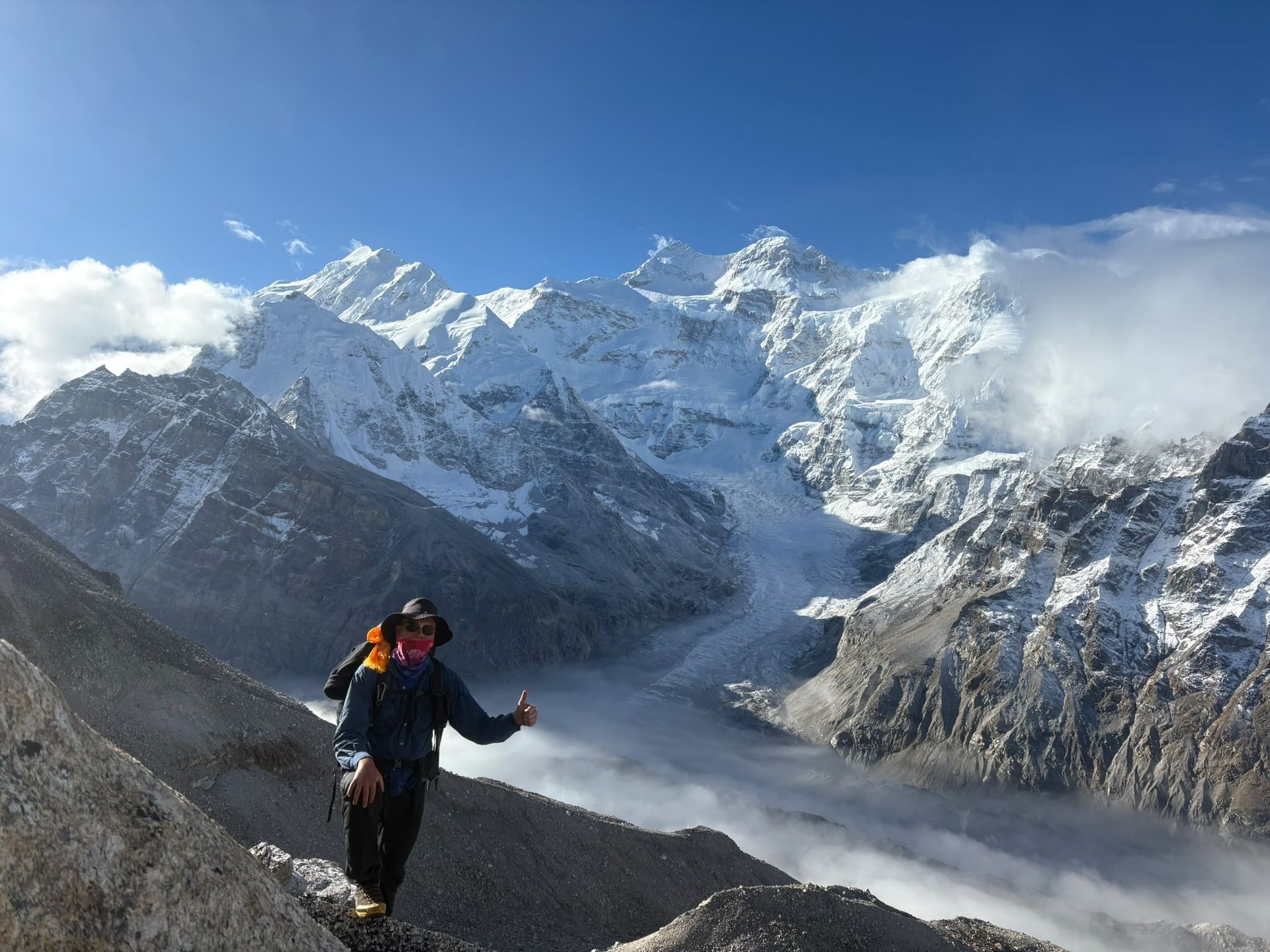
Kanchenjunga Base Camp & Circuit Trek (North + South)★ Best Seller★ 5.0 (8 reviews)from US$ 1,998US$ 1,685PP
Kanchenjunga Base Camp & Circuit Trek (North + South)
Kanchenjunga South Base Camp Trek  -12 Days★ Best Sellerfrom US$ 1,425US$ 1,250PP
Kanchenjunga South Base Camp Trek -12 Days

Exclusive Private Treks in Nepal

Any of our treks can be booked as a private trek on the dates you choose. Only your own group walks with your guide — we never add other travellers. Prefer company? Join a fixed group departure instead.

Why Choose A Private Trek?

Personalized itineraries

Tailor your trek to fit your schedule and preferences.

Dedicated guide & porter

Expert guidance with personal attention on restricted trails.

Safety & health

Custom acclimatisation and emergency support from Kathmandu.

Flexible schedule

Trek at your pace without the pressure of a mixed group.

Privacy & comfort

Perfect for couples, families, and small private groups.

From · 14 days

US$ 1,340pp