

Kanchenjunga Trek vs Everest Base Camp: Which Trek Is Right for You?

Nepal is home to some of the world’s most spectacular trekking routes, but choosing the right one can be difficult. Two of the most impressive options are the Kanchenjunga Trek and the Everest Base Camp (EBC) Trek.
Both take you deep into the Himalayas, offer breathtaking mountain scenery, and provide unforgettable cultural experiences. Yet they are very different in terms of remoteness, difficulty, duration, infrastructure, and overall trekking experience.
So, which trek is right for you Kanchenjunga or Everest Base Camp?
Let’s compare them in detail.
Kanchenjunga Trek vs Everest Base Camp at a Glance
Feature | Kanchenjunga Trek | Everest Base Camp Trek |
|---|---|---|
Location | Eastern Nepal | Khumbu, eastern Nepal |
Main Attraction | Kanchenjunga, the world's third-highest mountain | Mount Everest and Everest Base Camp |
Typical Duration | Around 18–24+ days | Around 12–16 days |
Difficulty | Challenging to strenuous | Moderate to challenging |
Remoteness | Very remote | More developed and accessible |
Crowds | Relatively few trekkers | Popular and often busy |
Accommodation | Basic teahouses and camping in some areas | Extensive teahouse network |
Altitude | Up to around 5,100 m depending on route | 5,364 m at Everest Base Camp |
Best For | Adventure seekers and experienced trekkers | First-time Himalayan trekkers and Everest enthusiasts |
1. The Biggest Difference: Remoteness
The Kanchenjunga Trek is one of Nepal’s great wilderness adventures. Located in the far east of the country, the region sees considerably fewer trekkers than the Everest and Annapurna areas.
The trail passes through remote villages, forests, high-altitude landscapes, and dramatic mountain valleys. The feeling of isolation is a major part of the experience.
By contrast, the Everest Base Camp Trek is one of the most famous trekking routes in the world. Although the higher sections are spectacularly remote, the route has a well-established tourism infrastructure.
You’ll encounter numerous teahouses, restaurants, shops, Wi-Fi points, charging facilities, and fellow trekkers along much of the route.
Choose Kanchenjunga if: you want solitude, wilderness, and a genuine off-the-beaten-path adventure.
Choose EBC if: you enjoy meeting other trekkers and prefer a more established trekking environment.
2. Which Trek Is More Difficult?
Both treks require good fitness and preparation, but Kanchenjunga is generally considered the more demanding adventure. The Kanchenjunga region involves long trekking days, significant elevation changes, remote terrain, and fewer services. Depending on the itinerary, trekkers may also encounter challenging mountain passes and extended periods at high altitude.
The Everest Base Camp Trek is not easy either. The trail reaches 5,364 meters (17,598 feet) at Everest Base Camp, and altitude is one of the biggest challenges.
However, the classic EBC route is relatively well established, with carefully planned acclimatization stops at places such as Namche Bazaar and Dingboche.
For experienced trekkers looking for a serious Himalayan challenge, Kanchenjunga can be the better choice.
For someone undertaking their first high-altitude trek, EBC may be the more manageable option—provided they prepare properly and follow a sensible acclimatization schedule.
3. Mountain Views: Kanchenjunga vs Everest
This is where the choice becomes particularly difficult.
The Everest region offers legendary views of Mount Everest, Lhotse, Nuptse, Ama Dablam, Thamserku, Pumori, and numerous other Himalayan peaks.
The classic viewpoint of Everest from Kala Patthar is one of the highlights of the trek.
Kanchenjunga offers an entirely different mountain experience.
The centerpiece is Mount Kanchenjunga (8,586 m), the world's third-highest mountain. The surrounding landscape features enormous peaks, glaciers, high valleys, and spectacular wilderness.
If your dream is simply to stand in front of Mount Everest, EBC has the obvious advantage.
If you want dramatic mountain scenery combined with a quieter and more remote environment, Kanchenjunga is hard to beat.
4. Trekking Duration
Time is another major factor.
A typical Everest Base Camp itinerary takes approximately 12-14 days, depending on the starting point, acclimatization schedule, and whether you include side trips such as Gokyo or additional viewpoints.
Kanchenjunga generally requires considerably more time. A complete trek can take 15-24 days or longer, particularly if you explore both the North and South Base Camp areas.
This means Kanchenjunga is better suited to travelers who have several weeks available.
If you have limited vacation time, EBC is usually the more practical option.
5. Teahouses and Trekking Infrastructure
Everest wins comfortably when it comes to infrastructure.
The EBC route has a large network of teahouses and lodges. Most trekking itineraries rely on these establishments for accommodation and meals.
Kanchenjunga is much less developed. Accommodation can be basic, and some itineraries may involve camping or a combination of camping and teahouses, depending on the route and current local conditions.
That can be a disadvantage for travelers who value comfort—but a major attraction for adventurers seeking a wilderness experience.
6. Cultural Experience
Both treks offer fascinating encounters with Himalayan communities.
On the Everest Base Camp route, you’ll experience the culture of the Sherpa people, visit Buddhist monasteries, and pass through famous villages such as Namche Bazaar, Tengboche, and Dingboche.
The route is deeply connected with the history of Himalayan mountaineering.
Kanchenjunga offers a broader mix of ethnic communities and cultural traditions. The lower valleys are home to communities including Limbu, Rai, and other groups, while higher areas have strong Tibetan Buddhist influences.
Because tourism is less developed, cultural interactions in Kanchenjunga can sometimes feel more intimate and less commercialized.
7. Crowds and Popularity
If you prefer quiet trails, this is one of the strongest reasons to choose Kanchenjunga.
EBC is extremely popular. During peak trekking seasons, trails and teahouses can become busy, particularly around popular villages and viewpoints.
Kanchenjunga receives far fewer trekkers.
You can walk for hours through spectacular landscapes without encountering large groups.
For travelers who want to disconnect from busy tourist routes and immerse themselves in nature, Kanchenjunga offers a significant advantage.
8. Cost Considerations
The total cost depends heavily on your itinerary, guide and porter arrangements, transportation, permits, accommodation, and trek duration.
EBC can be relatively straightforward to organize because of its established trekking infrastructure and large number of service providers.
Kanchenjunga tends to require a longer itinerary and more logistical planning. Transportation, guides, porters, permits, camping equipment, and additional trekking days can increase the overall cost.
However, the exact budget varies considerably between operators and itineraries, so it is best to compare complete packages rather than looking only at the advertised trek price.
9. Permits and Regulations
Both regions have specific permit requirements, and these can change over time.
The Kanchenjunga region has additional regulations because of its restricted and conservation-sensitive status. Trekkers should generally plan to travel with an authorized guide and arrange the necessary permits through a registered trekking agency.
The Everest region also requires the appropriate local and national permits depending on the route and current regulations.
Always verify current permit requirements before your trek, as regulations and fees can change.
10. Which Trek Is Better for First-Time Trekkers?
If this is your first Himalayan trekking experience, Everest Base Camp is usually the more approachable choice.
That doesn't mean it is easy. Altitude remains a serious consideration, and you need adequate physical preparation and acclimatization.
However, EBC has a well-developed trekking network, clear routes, numerous accommodation options, and plenty of logistical support.
Kanchenjunga is better suited to trekkers who are comfortable with longer, more remote journeys and basic facilities.
11. Which Trek Should You Choose?
The answer ultimately depends on what you want from your Himalayan adventure
Choose Everest Base Camp if you:
- Want to see Mount Everest up close
- Have around two weeks for trekking
- Prefer established teahouse routes
- Are a first-time Himalayan trekker
- Enjoy meeting other trekkers
- Want access to relatively extensive trekking infrastructure
- Are interested in the history of Everest mountaineering
- Enjoy unpredictable weather and changing mountain conditions
- Want to challenge yourself with one of Nepal’s more demanding trekking regions
- Are willing to travel longer distances to reach a truly remote Himalayan destination
Choose Kanchenjunga if you:
- Want a remote and authentic Himalayan adventure
- Prefer fewer tourists and quieter mountain trails
- Have three or more weeks available for the journey
- Enjoy challenging and demanding high-altitude treks
- Want to explore less-commercialized mountain landscapes
- Are comfortable with basic accommodation and limited facilities
- Want a wilderness-focused trekking experience
- Enjoy long days of walking through diverse terrain
- Want to experience traditional mountain villages and local cultures
- Are interested in exploring both the north and south sides of Kanchenjunga
- Want dramatic views of some of the world’s highest mountains
Kanchenjunga vs EBC: The Final Verdict
There is no universal winner because the two treks offer fundamentally different experiences.
Everest Base Camp is the iconic Himalayan journey. It combines legendary mountain views, Sherpa culture, Buddhist monasteries, established teahouses, and the opportunity to reach the base camp of the world's highest mountain.
Kanchenjunga is the wilderness adventure. It takes you farther from Nepal's busy trekking routes and rewards you with spectacular mountain scenery, remote villages, diverse landscapes, and a deeper sense of exploration.
If this is your first major Himalayan trek and you have limited time, Everest Base Camp is likely the better choice.
If you are an experienced trekker searching for solitude, remoteness, and a more demanding adventure, Kanchenjunga may be the trek you've been looking for.
Whichever route you choose, proper preparation, acclimatization, appropriate equipment, travel insurance, and an experienced trekking team can make a huge difference.
The Himalayas are not simply a destination—they are an experience. The real question is not which trek is objectively better, but which Himalayan experience matches the kind of adventure you are looking for?
Other Blogs
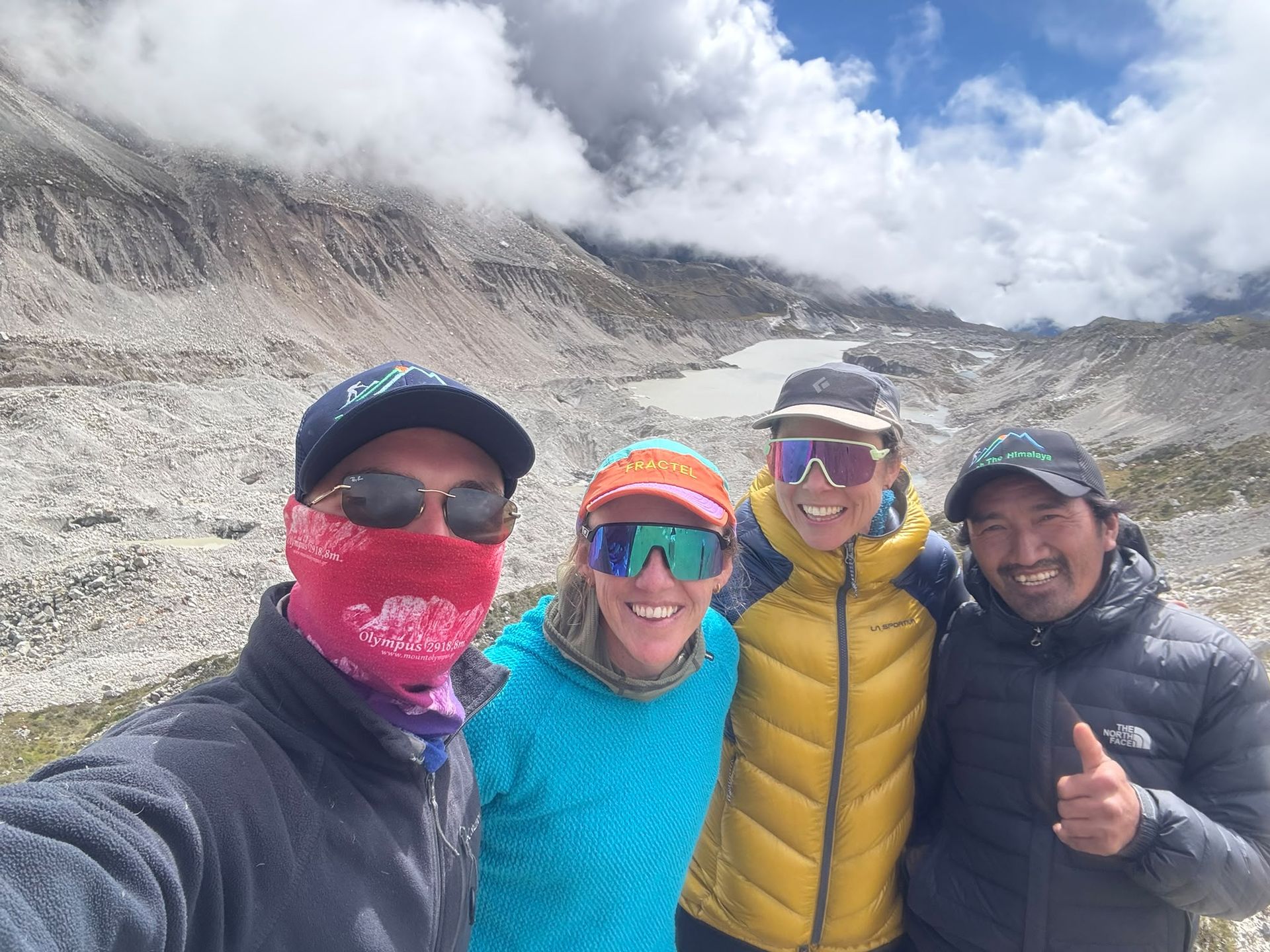
Local Guides and Porters for the Kanchenjunga Trek
Discover why hiring local guides and porters makes your Kanchenjunga trek safer, smoother, and more authentic, with experienced professionals who know the region, trails, culture, and mountain conditions.
Continue Reading
Kanchenjunga Trek Packing List - What to Pack for the Himalayas
September 28, 2026
Packing for the Kanchenjunga Trek requires careful planning. From warm lower valleys to cold, high-altitude landscapes, you’ll face changing weather and challenging terrain. The right clothing, trekking gear, and essentials can make your Himalayan adventure safer, more comfortable, and more easy.
Continue Reading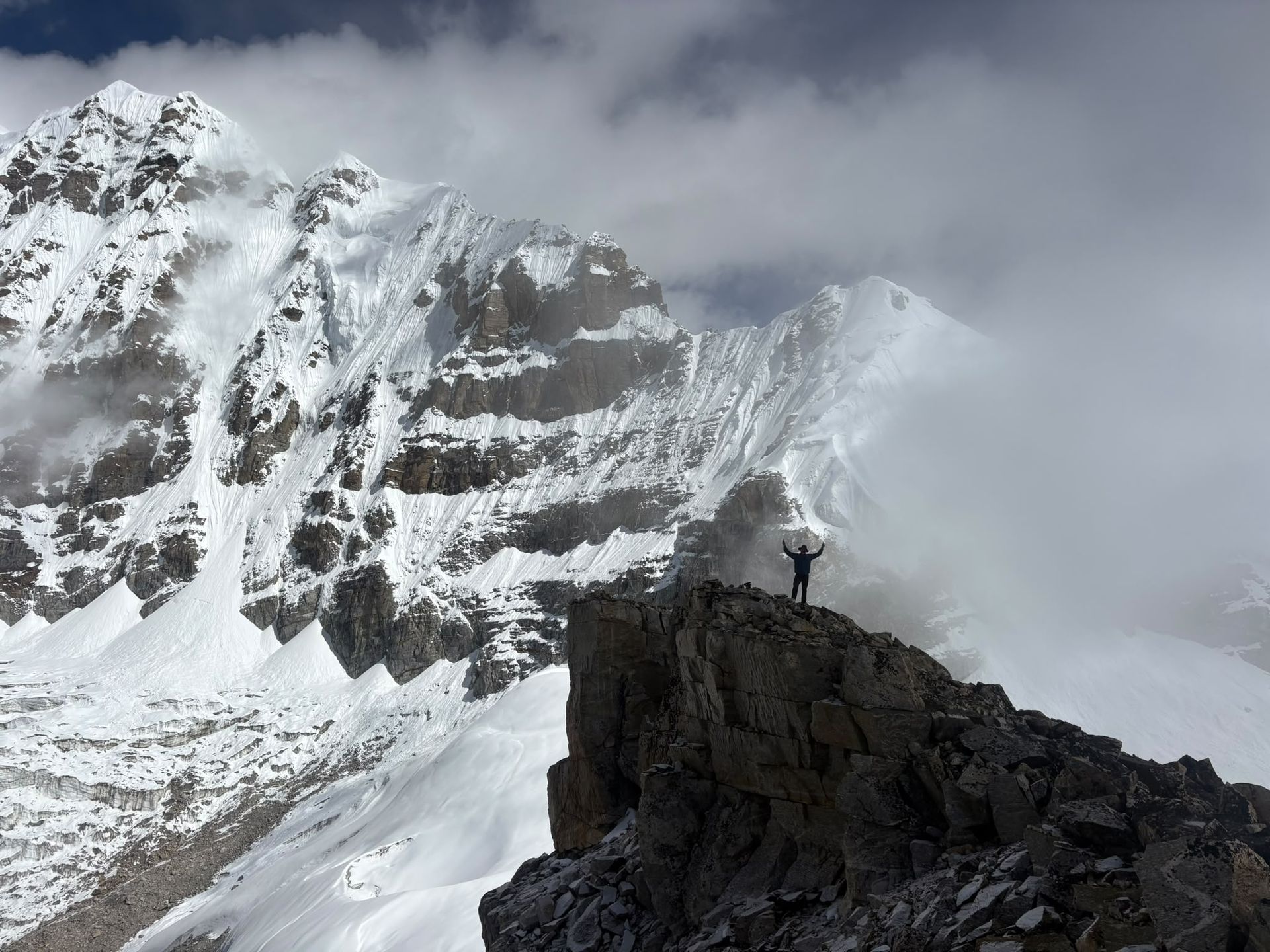
Best Trekking Company For Kanchenjunga Region
Madan NeupaneSeptember 26, 2026
Discover what to look for in a Kanchenjunga trekking company and why destination-focused local guides can make a difference when exploring Nepal's remote eastern Himalayas.
Continue Reading