Guide
Kanchenjunga Trek Safety: Local Guides & Emergency Rescue
Trek Kanchenjunga with local guides who know the mountains firsthand. Learn how we approach altitude safety, weather, route planning, emergency response, and helicopter evacuation when necessary and feasible.
Updated October 28, 2026
Kanchenjunga Trek Safety: Trek with Local Knowledge and Experienced Guides
The Kanchenjunga region is one of Nepal's most remote and spectacular trekking destinations. Its immense mountain landscapes, quiet Himalayan villages, high-altitude trails, and changing weather make every journey an extraordinary experience. However, trekking in this part of the Himalayas also requires careful preparation, sound judgement, and respect for the mountains.
At Kanchenjunga Guides, safety begins with local knowledge.
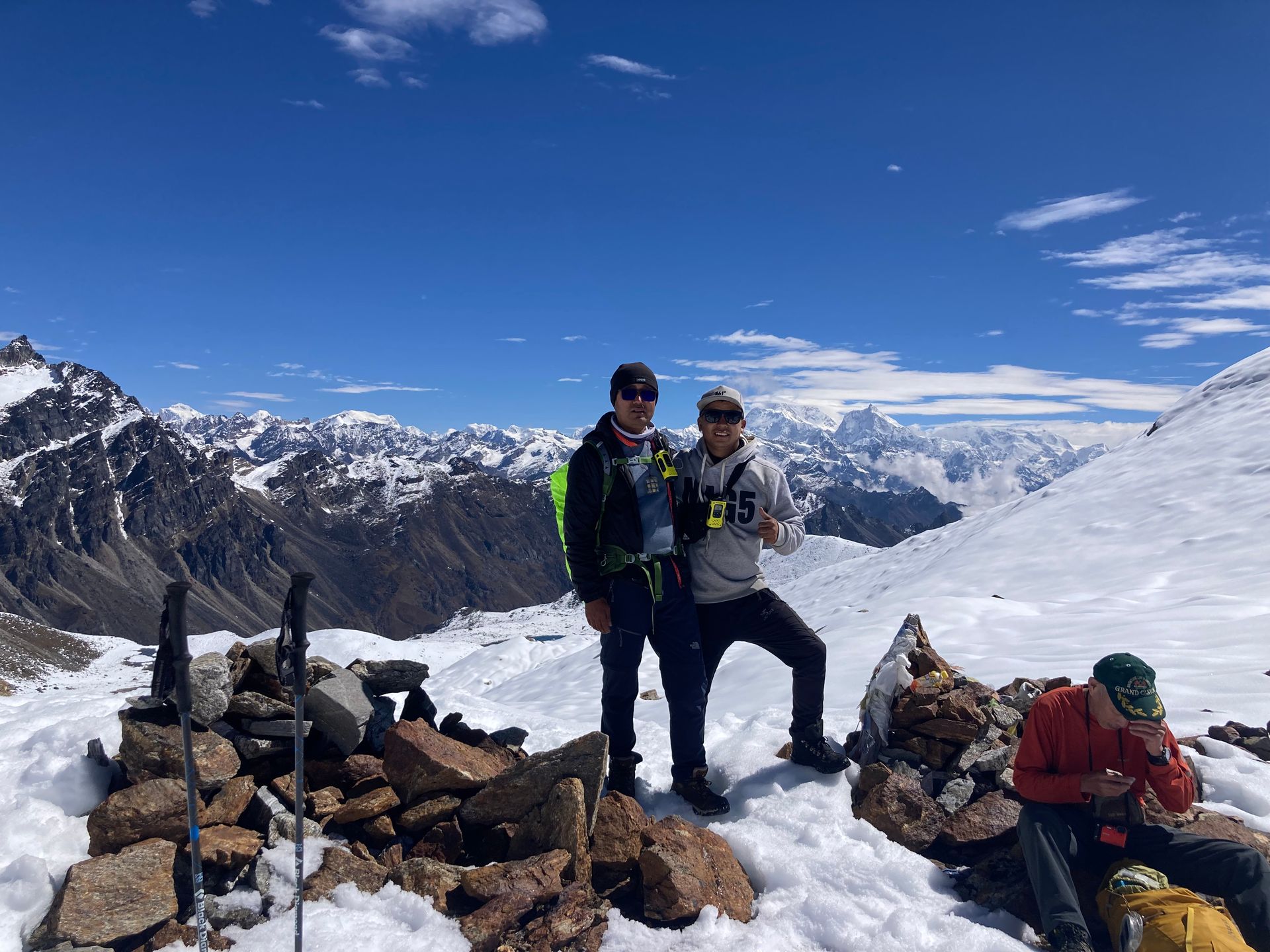
Our guides are born and raised in the Kanchenjunga region. They know the villages, trails, mountain landscapes, and realities of life in these remote valleys through firsthand experience. This connection helps us plan journeys with a deeper understanding of local conditions and the challenges trekkers may encounter along the way.
From choosing a sensible pace to responding when weather or health conditions change, our approach is built around responsible trekking, communication, and making safety a priority throughout the journey.
Why Trek Kanchenjunga with Local Guides?
The Kanchenjunga trekking region is different from many of Nepal's more accessible trekking destinations. Some sections are far from road access, medical facilities are limited in remote areas, and weather conditions can change quickly.
Local knowledge is particularly valuable in this environment.
Our guides have firsthand familiarity with the region where they live and work. They understand the local trails, settlements, seasonal conditions, and practical challenges of travelling through the mountains. Their knowledge helps us plan realistic itineraries, coordinate overnight stops, and adapt when conditions require a change of plan.
Travelling with a local guide also offers something beyond navigation. You can learn about village life, local customs, mountain traditions, and the people who call this remarkable region home.
For us, being a local guide is not simply a job. It is a connection to the mountains, the communities, and the landscape we know firsthand.
Our Approach to Trekking Safety
Safety is not a single decision made before departure. It is a process that continues throughout the trek.
1. Careful Route and Itinerary Planning
We help organise your trekking itinerary according to your experience, available time, fitness, and the demands of the route.
The Kanchenjunga region involves substantial distances, remote trails, and high elevations. We plan overnight stops and walking stages carefully, allowing appropriate time for rest and acclimatisation. If weather, trail conditions, or other circumstances make the planned route unsuitable, the itinerary may need to change.
Our priority is not simply to reach the next destination. It is to make sensible decisions throughout the journey.
2. Altitude Awareness and Acclimatisation
Altitude sickness can affect anyone, regardless of age, fitness, or previous trekking experience. As elevation increases, the body needs time to adjust to lower oxygen availability.
Our guides monitor how the group is managing the altitude and encourage trekkers to communicate openly about symptoms. We plan gradual ascents where possible and include acclimatisation time appropriate to the itinerary.
Headache, nausea, dizziness, unusual fatigue, and loss of appetite can be warning signs of altitude illness. Confusion, difficulty walking straight, or breathlessness at rest can indicate a serious emergency.
If altitude illness is suspected, continuing upwards can be dangerous. The appropriate response may include stopping the ascent, seeking medical advice, descending, or arranging emergency evacuation.
No guide can eliminate altitude risk, but careful planning and early action can help reduce it.
3. Weather and Trail Conditions
Mountain weather can change quickly in the Kanchenjunga region. Rain, snow, strong winds, low visibility, and cold temperatures can affect trail conditions and travel times.
Our local familiarity helps us assess the conditions we encounter and make informed decisions with the group. We may adjust walking hours, change the planned route, wait for conditions to improve, or postpone a section when continuing would be unsafe.
We encourage every trekker to bring suitable clothing, sturdy footwear, rain protection, and equipment appropriate for the season and elevation.
4. Group Pace and Communication
Every trekker responds differently to altitude, exertion, and changing weather. We encourage a steady pace, regular breaks, proper hydration, and honest communication about how you feel.
Please tell your guide promptly if you feel unwell, unusually exhausted, dizzy, breathless, or unable to continue comfortably.
Speaking up early gives the team more options to respond. You should never feel pressured to continue simply because other members of the group are moving faster.
5. Remote Mountain Preparedness
The Kanchenjunga region has limited infrastructure compared with more developed trekking areas. Mobile coverage may be unreliable or unavailable, and reaching medical assistance can take time.
Our planning takes the remoteness of the route into account. Depending on the itinerary and available arrangements, emergency communication methods and evacuation options may differ.
Trekkers should carry their essential personal medication, disclose relevant medical concerns to the appropriate people before departure, and arrange travel insurance that specifically covers high-altitude trekking and emergency evacuation.
Emergency Response and Helicopter Rescue
Although we plan carefully, emergencies can still happen in the mountains. Serious altitude illness, injury, sudden medical problems, or other unexpected events may require urgent assistance.
When an emergency occurs, our priority is to assess the situation, protect the affected trekker, and seek appropriate assistance.
Depending on the circumstances, our response may involve:
- Assessing the person's condition and seeking appropriate medical guidance.
- Stopping the ascent and arranging descent when medically appropriate.
- Coordinating with local contacts, available medical services, and rescue providers.
- Arranging helicopter evacuation when it is necessary, available, and safe to operate.
- Helping coordinate onward medical care and communication with the relevant parties.
Helicopter Evacuation in the Kanchenjunga Region
Helicopter evacuation can be an important option for serious emergencies in remote parts of the Himalayas, particularly when a trekker cannot safely reach medical care on foot.
Our team can help coordinate with the relevant rescue providers when helicopter evacuation is considered necessary. However, a helicopter cannot always reach every location or operate immediately.
Rescue operations depend on several factors, including weather, visibility, altitude, landing or hoisting conditions, aircraft availability, operational restrictions, and the person's medical condition. In some circumstances, evacuation may need to be delayed or an alternative response arranged.
Helicopter rescue is an emergency option, not a guaranteed service or a substitute for preparation. We cannot promise a particular response time or guarantee that a helicopter will be able to reach a specific location.
Where possible, we help trekkers understand the practical arrangements and costs involved. Travellers should ensure their insurance explicitly covers helicopter evacuation for trekking at their planned elevations and understand any authorisation, documentation, and payment requirements.
What Happens If You Become Sick or Injured?
If you become unwell during your Kanchenjunga trek, tell your guide immediately. Do not hide symptoms to avoid delaying the group.
Our response will depend on the nature and severity of the problem, the location, available communication, and the advice of qualified medical professionals.
For a minor problem, the appropriate response may be rest, reassessment, or a change to the day's plan. For suspected serious altitude illness or a significant injury, urgent medical assessment and descent or evacuation may be necessary.
In an emergency, the team will work to arrange the safest feasible response. This may involve assistance on the trail, communication with medical or rescue providers, or helicopter evacuation when conditions permit.
The most important thing is to report symptoms early and follow safety advice rather than continuing upwards when it is unsafe to do so.
What Trekkers Should Do Before Departure
Good preparation is an essential part of a safe Kanchenjunga adventure.
Before your trek, we recommend that you:
- Choose an itinerary with appropriate time for gradual ascent and acclimatisation.
- Arrange travel insurance that covers your planned trekking altitude, emergency medical care, and helicopter evacuation.
- Read the policy carefully, including exclusions, evacuation limits, and emergency contact procedures.
- Carry suitable trekking clothing, footwear, personal medication, and essential equipment.
- Follow your guide's instructions about pace, weather, and route changes.
- Tell your guide promptly about symptoms or concerns.
- Keep emergency contact details and relevant insurance information accessible.
If you have a medical condition or concerns about trekking at high altitude, seek advice from a qualified healthcare professional before travelling.
Why Local Experience Matters in Kanchenjunga
Our connection to the Kanchenjunga region shapes how we approach every journey.
Being born and raised here gives our guides a personal relationship with the landscape and communities along the route. They understand the importance of local relationships, the challenges of remote travel, and the need to respect the conditions that the mountains present.
Local knowledge is valuable, but it does not mean every situation can be predicted. Mountain safety also requires ongoing assessment, suitable equipment, careful preparation, clear communication, and the willingness to change plans when necessary.
We believe the best trekking experiences combine the knowledge of local people with responsible decisions and realistic expectations.
Frequently Asked Questions About Kanchenjunga Trek Safety
Is Kanchenjunga safe for trekking?
Kanchenjunga can be a rewarding trekking destination when approached with proper preparation, an appropriate itinerary, experienced local support, and respect for altitude and weather. However, it is a remote high-altitude environment with inherent risks. No guide or operator can eliminate those risks.
Why should I trek with a local Kanchenjunga guide?
Local guides bring firsthand knowledge of the region, villages, trails, and practical challenges of remote mountain travel. They can also help with cultural understanding, itinerary coordination, and responding to changing conditions.
Is helicopter rescue available during the Kanchenjunga trek?
Helicopter evacuation may be possible in serious emergencies, depending on location, weather, visibility, aircraft availability, and operational conditions. Our team can help coordinate with relevant rescue providers, but helicopter access and response times cannot be guaranteed.
Does my travel insurance cover helicopter rescue?
Not necessarily. You should confirm that your policy covers trekking at your intended maximum altitude and emergency helicopter evacuation in Nepal. Check exclusions, coverage limits, authorisation procedures, and whether upfront payment may be required.
What happens if the weather becomes dangerous?
Depending on the conditions, we may delay departure, adjust the itinerary, stop at a safe location, or change the planned route. Safety decisions depend on the circumstances, and reaching the next destination is never more important than making a responsible decision.
What should I do if I develop altitude sickness?
Tell your guide immediately. Do not continue ascending while experiencing possible altitude illness. Serious symptoms require urgent medical assessment and may require descent or evacuation.
Trek the Kanchenjunga Region with Confidence
The Kanchenjunga Himalayas offer extraordinary landscapes, meaningful cultural encounters, and a trekking experience far from the busiest trails. Exploring this remote region requires more than enthusiasm: it requires preparation, local understanding, and responsible decisions.
At Kanchenjunga Guides, we bring our firsthand connection to the region, local knowledge, careful planning, and a commitment to helping our guests navigate the mountains responsibly. When emergencies arise, we work to coordinate appropriate assistance, including helicopter evacuation when necessary and feasible.
Your safety matters more than reaching a destination on schedule.
If you are planning a Kanchenjunga trek and would like to understand the route, acclimatisation, insurance requirements, or emergency arrangements, contact our team before departure.
Let us help you prepare for a responsible and memorable journey into the Kanchenjunga Himalayas.