Stories from the Trail
Butterflies of the Kanchenjunga Region
A season-by-season calendar of butterflies on the Kanchenjunga trek, from spring swallowtails to monsoon peaks and high-altitude Apollos, with species to know and tips for watching them.

On this page
Nepal has more than 600 recorded butterfly species, and the wet, warm valleys of the far east are among the best places to see them. On the Kanchenjunga trek, butterflies change with the season as much as the flowers do. This calendar shows what to look out for, and when.
March and April: The First Wings
As the lower forests warm up, butterflies appear along sunny trail edges and around flowering trees. Look for swallowtails gliding through clearings and tortoiseshells basking on warm stones. In the rhododendron forests, butterflies feed on fallen and opening flowers.
Where: the first days of the trek, below about 2,500 m.
May: Rising With the Season
May is warmer and more humid, and numbers climb fast. This is one of the best months for butterflies on the lower trail, before the monsoon rain sets in. Look for butterflies "puddling" on damp sand by streams, drinking minerals from wet ground.
June to August: Monsoon Peak
The monsoon is the true butterfly season. Warm rain brings out flowers and caterpillar food plants, and the lower valleys are full of colour on sunny breaks. It's also leech season, so it's only for keen naturalists. Higher up, the alpine meadows bloom and the tough little Apollos and blues fly on sunny days above the treeline.
September and October: The Autumn Encore
On clear autumn days the lower forests are still busy with butterflies, especially in September. This is when most trekkers will see them, usually in the first few days and the last few days of the trek. By late October, butterflies are scarce above Ghunsa.
November to February: Quiet Months
Cold nights mean few butterflies, except on warm, sunny afternoons in the lowest valleys. A few hardy tortoiseshells may still bask on stone walls in the sun.
Butterflies Worth Knowing
- Swallowtails: large, often black with blue, green or red. The peacocks shimmer green-blue in sunlight.
- Kaiser-i-Hind: a rare, green swallowtail of high eastern Himalayan forests, legally protected and a real prize if you see one
- Orange oakleaf: bright orange and blue when open, but closes its wings to look exactly like a dead leaf
- Indian tortoiseshell: orange and black, common around villages and at higher altitudes
- Apollos: white, with red and black spots, flying over high, rocky meadows
- Blues: tiny and fast, often in groups on wet ground
Tips for Watching and Photographing
- Go out in the late morning, when butterflies are warmed up and active
- Look on wet sand and mud by streams, and on flowering shrubs at forest edges
- Approach slowly and keep your shadow off the butterfly
- Never catch or collect butterflies. It is illegal in the conservation area.
Learn More
Butterflies follow the flowers, so read our guides to wildflowers on the trail and orchids. For the best trekking months, see the best time to trek Kanchenjunga.
Frequently Asked Questions
When are butterflies most visible?
On warm, sunny days in the lower, warmer valleys, mainly in spring and early summer and again after the rains.
How can I photograph butterflies?
Approach slowly, use a short telephoto or macro setting and shoot in the early morning when they are still.
Ready to see it yourself? Explore our Kanchenjunga Base Camp Trek with local guides.
Plan with local guides
Ready to walk the Kanchenjunga trail?
Tell us your dates and pace. We’ll sort permits, guides and a route that fits — straight from the people who live here.
Keep reading
Other Blogs
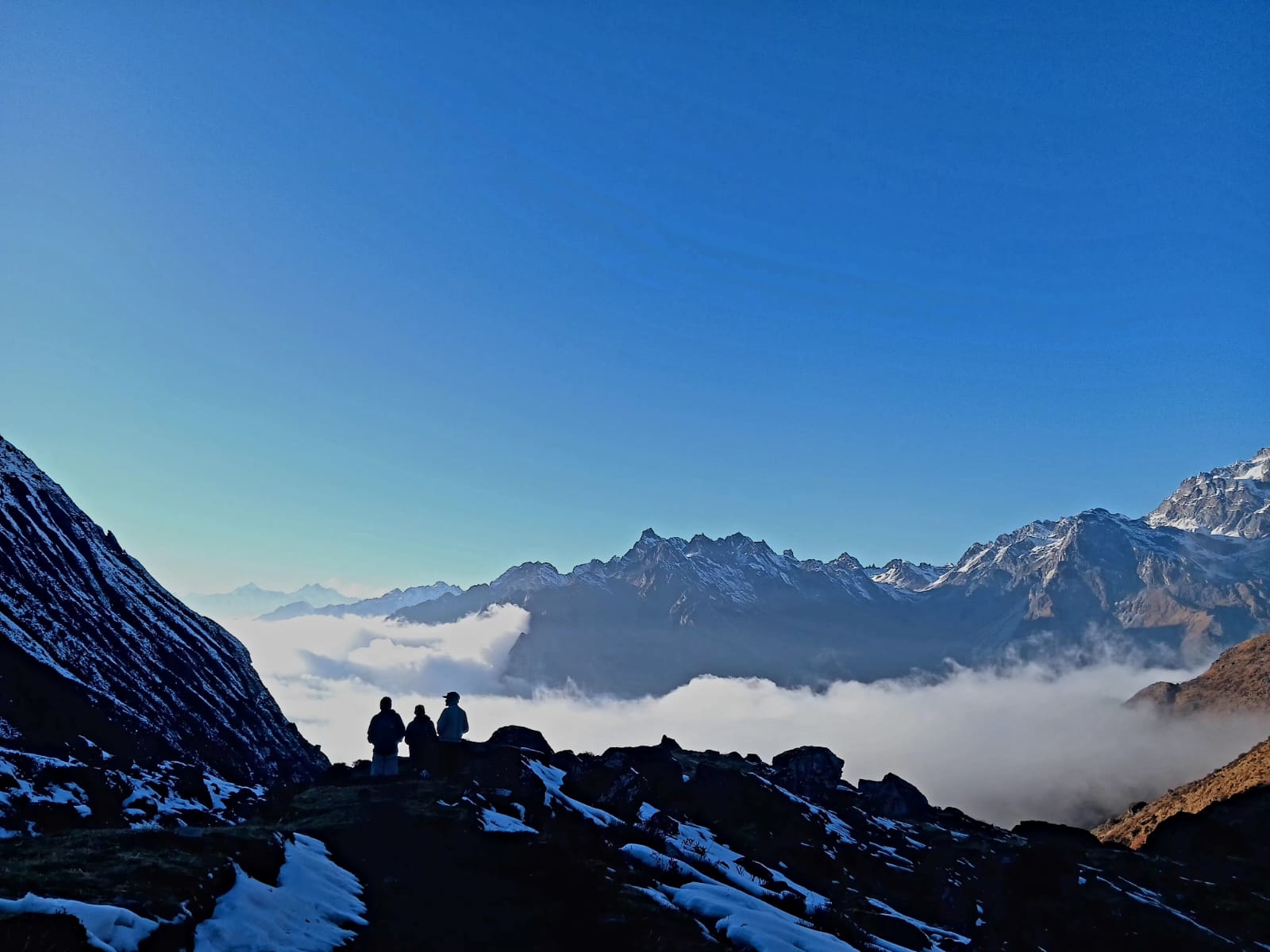
Remote Trekking in Nepal: The Best Off-the-Beaten-Path Treks
Madan NeupaneNovember 26, 20264 min read
Remote trekking in Nepal beyond Everest and Annapurna: why Kanchenjunga leads the list, the other remote treks of eastern Nepal compared, and how to prepare for permits, seasons and days offline.
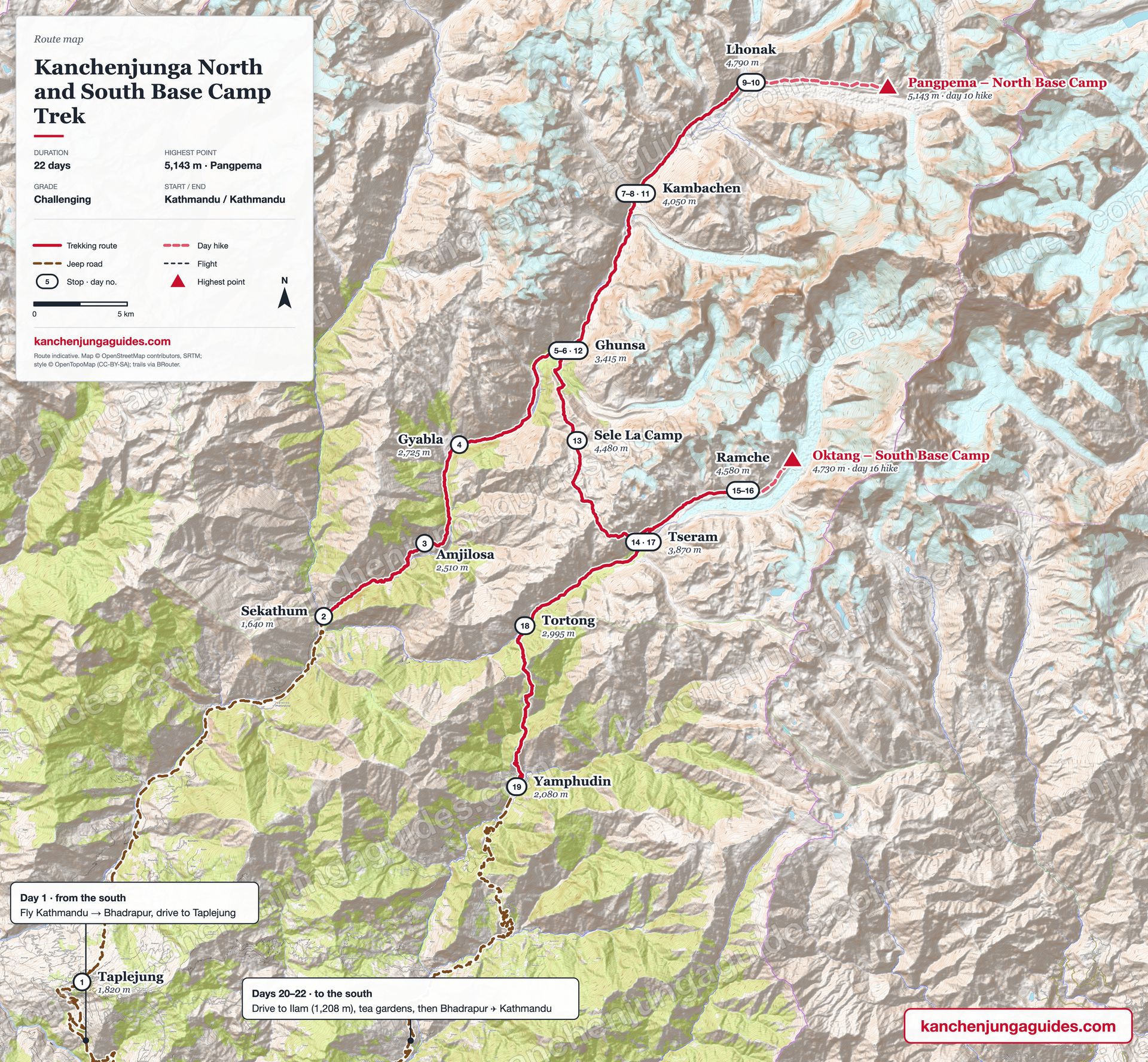
Kanchenjunga Trek Map: Route Maps for Every Itinerary
Madan NeupaneNovember 26, 20263 min read
Kanchenjunga trek maps for the North Base Camp, South Base Camp, full circuit and express routes, with an altitude profile, the trail signs you will meet and tips for navigating offline.
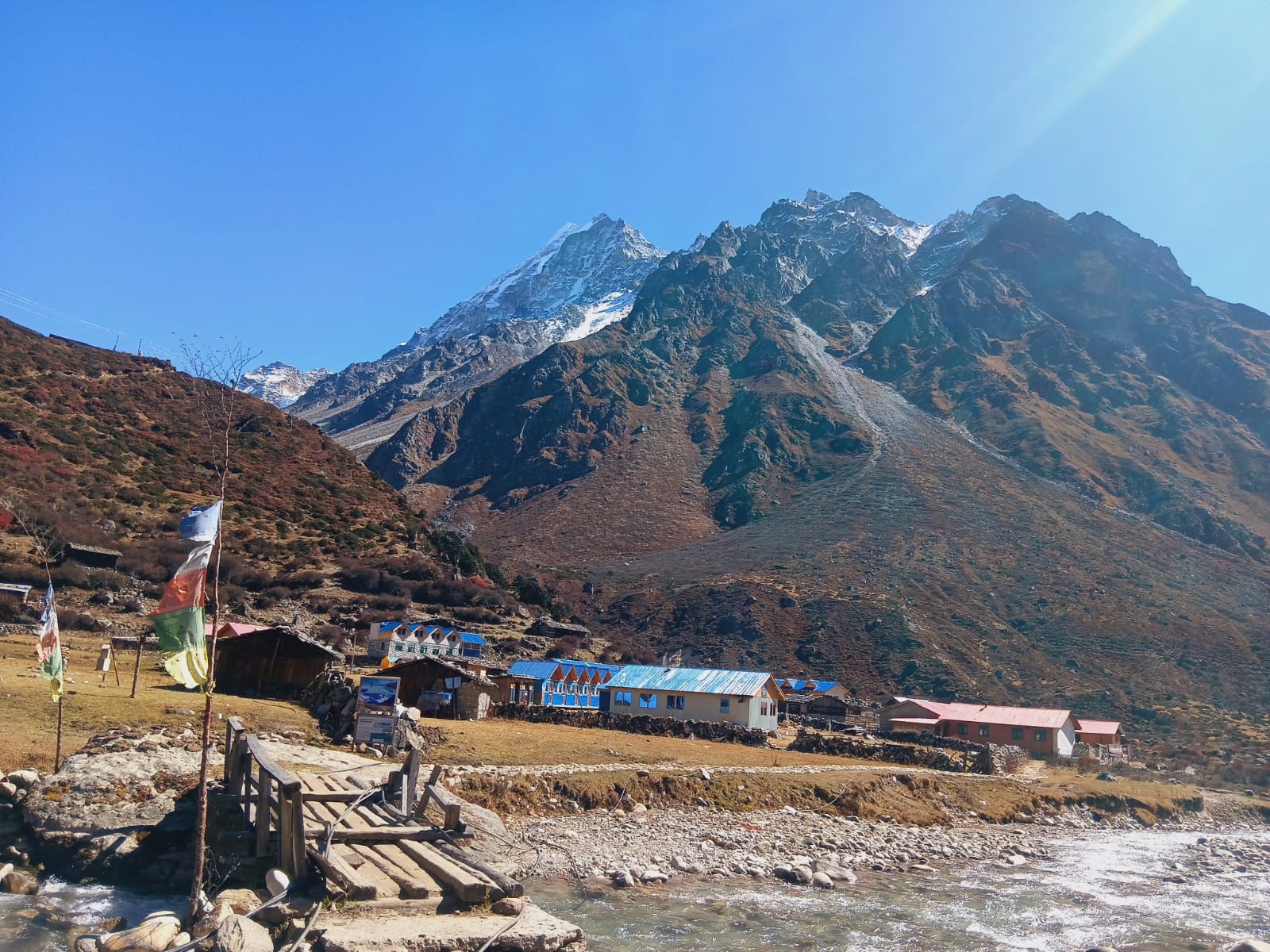
Kanchenjunga Trek Route: Village-by-Village Trail Guide
Madan NeupaneNovember 26, 20265 min read
The Kanchenjunga trek route explained: the northern trail to Pangpema, the southern trail to Oktang, the Sele La crossing that links them, and the altitude and distance of every stop.