Trek Guide
Remote Trekking in Nepal: The Best Off-the-Beaten-Path Treks
Remote trekking in Nepal beyond Everest and Annapurna: why Kanchenjunga leads the list, the other remote treks of eastern Nepal compared, and how to prepare for permits, seasons and days offline.

On this page
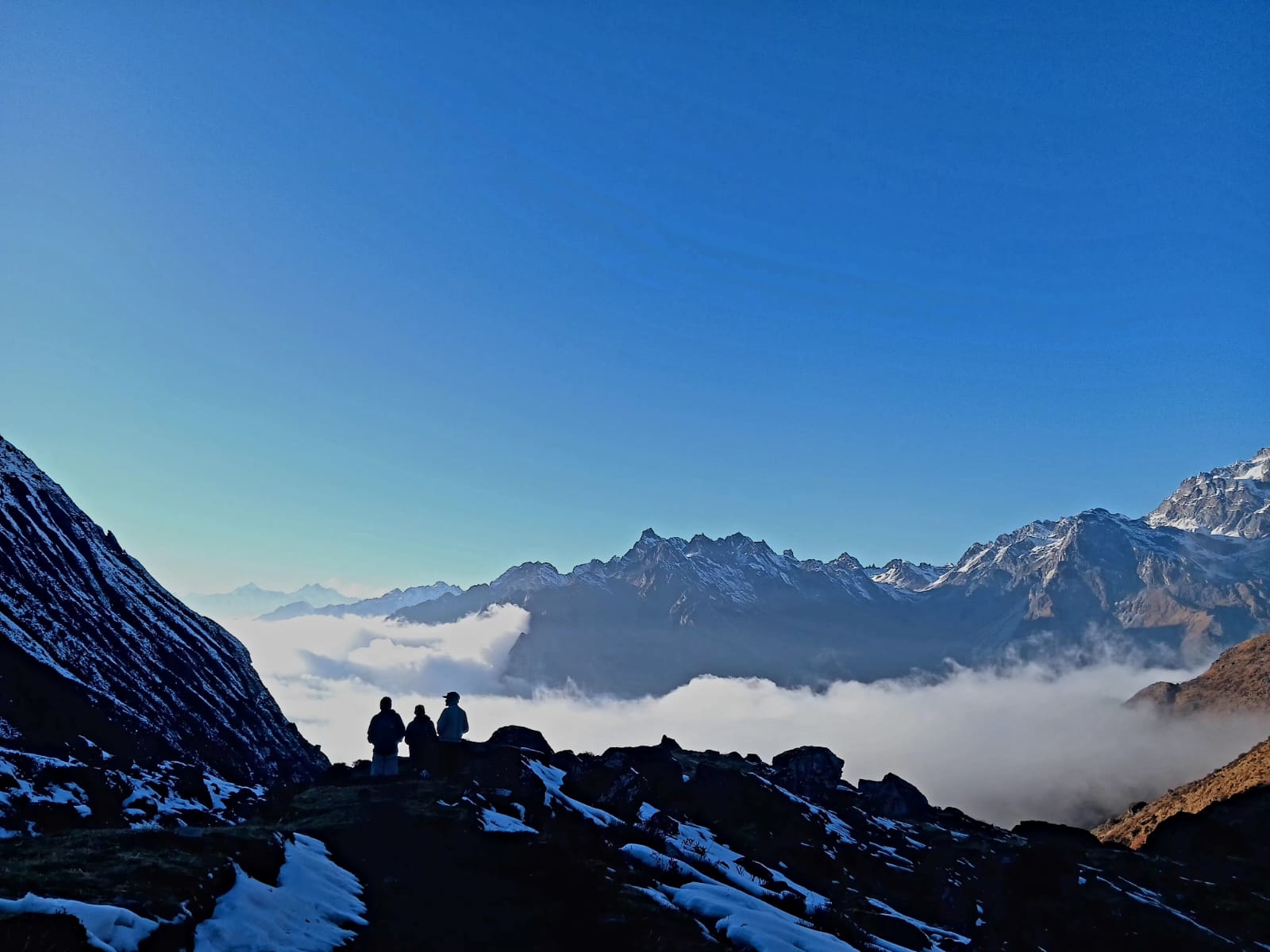
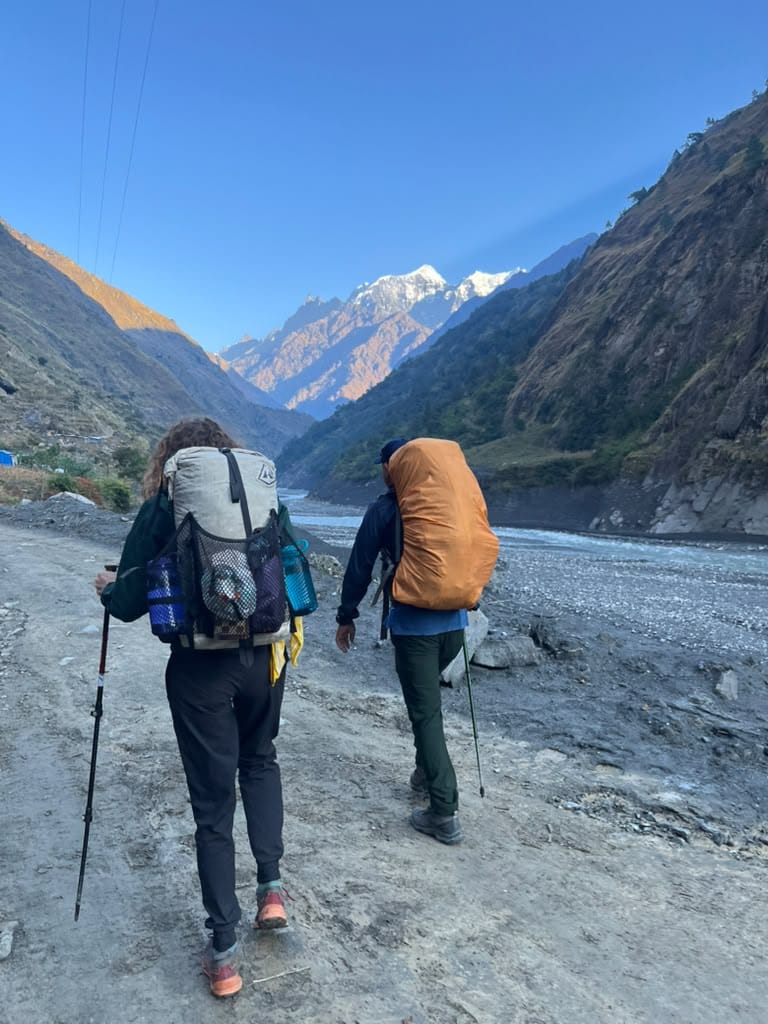
Most trekkers in Nepal head to the Everest and Annapurna regions. Remote trekking in Nepal is the opposite experience: long approaches, small family-run lodges, few other walkers and trails that still mainly serve the villages along them. Eastern Nepal, around Kanchenjunga and Makalu, is one of the best places to find it.
We are a local Kanchenjunga trekking agency, so this guide focuses on the remote treks we know best, with a short note on other remote regions of Nepal.
What makes a trek remote?
- Distance from roads and airports: reaching the trailhead takes a flight and a long drive, and the walking starts far from any town.
- Restricted-area permits: many remote regions, including Kanchenjunga, require a special permit and a licensed guide, which helps keep visitor numbers low.
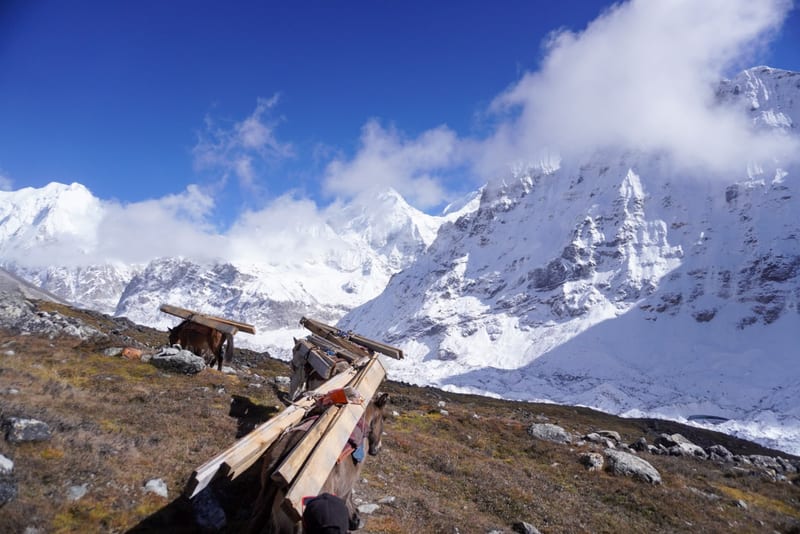
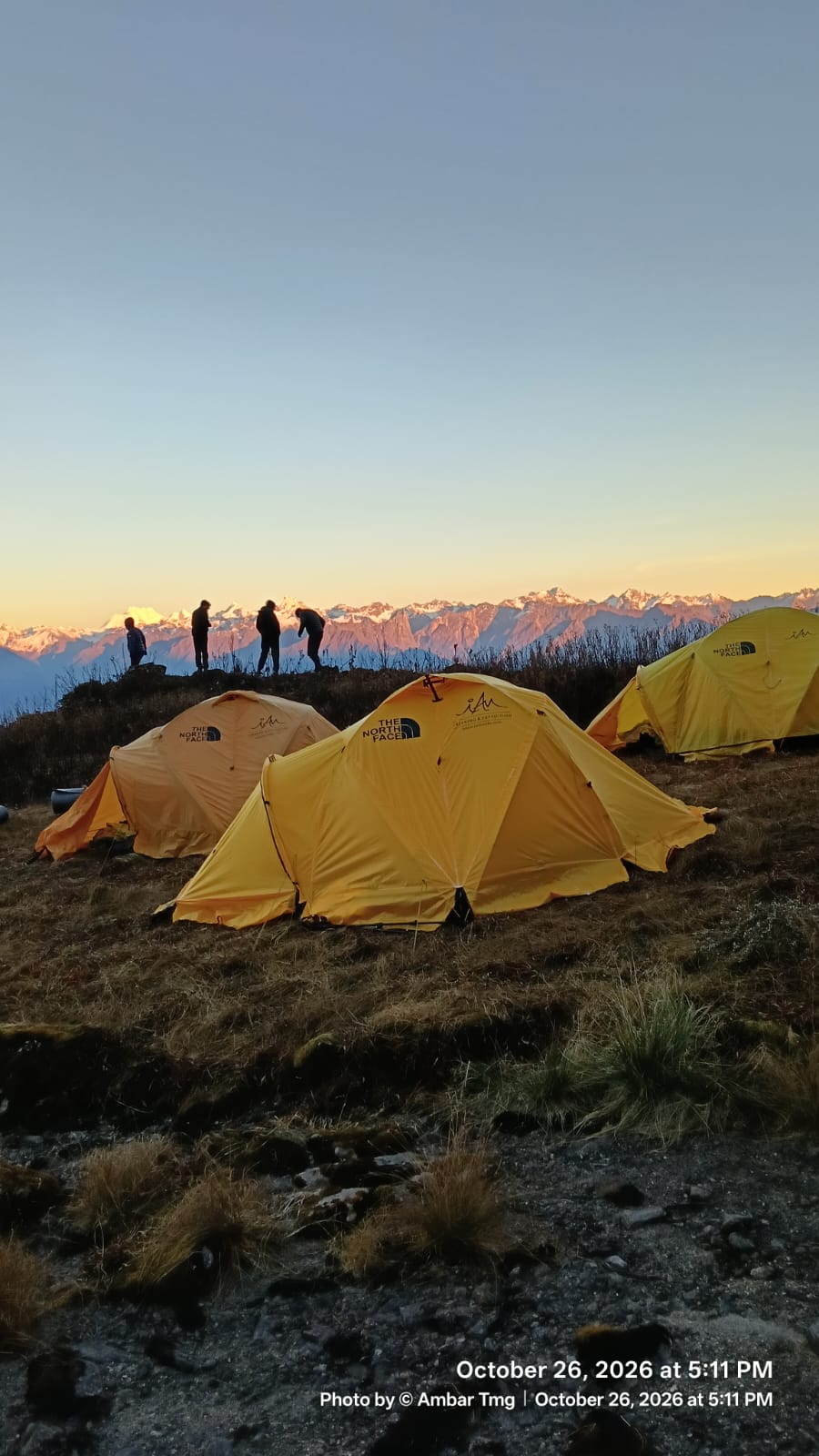
- Simple lodges or camping: teahouses are small and family-run, and some routes and side trips still need tents.
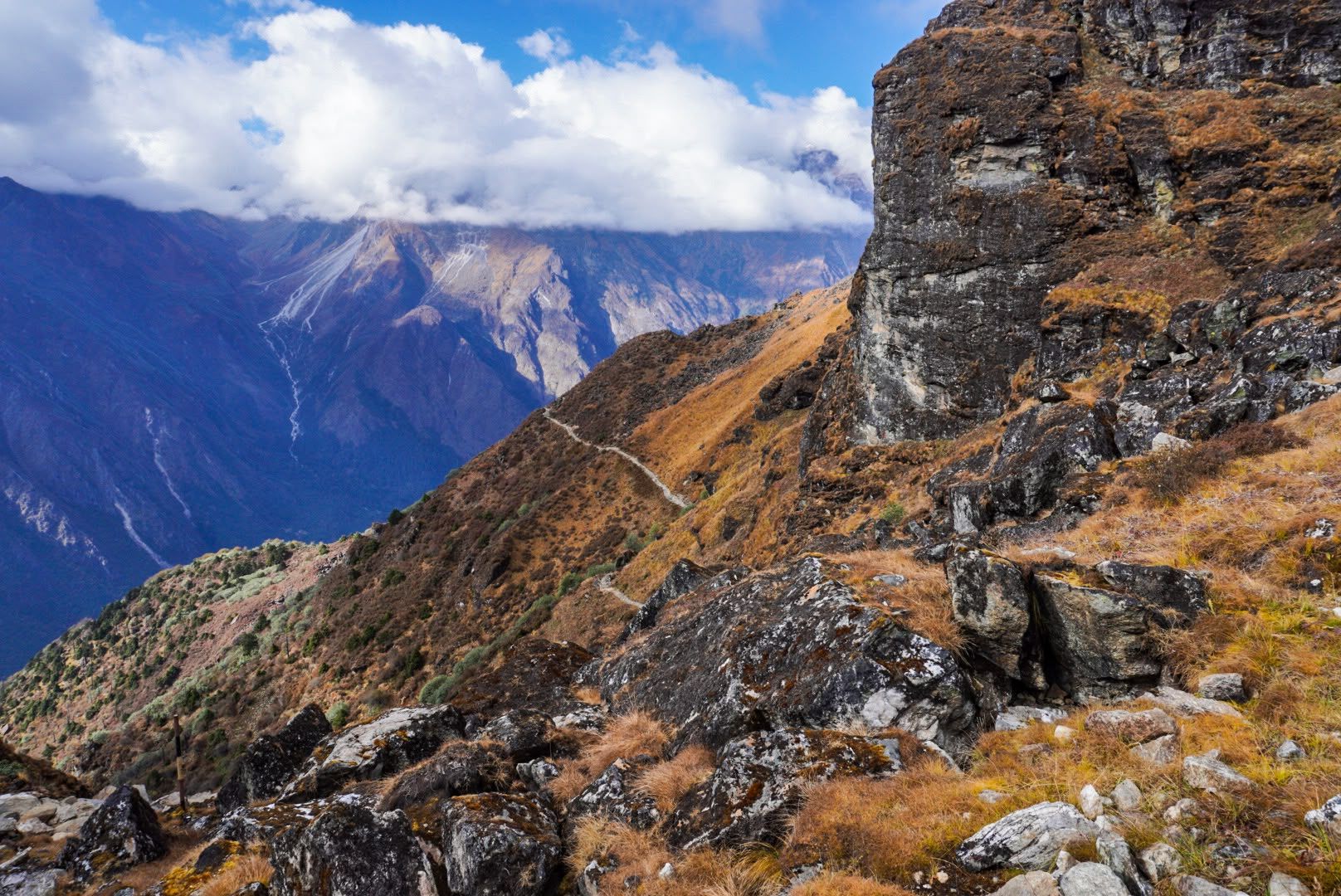
- Wild country: large protected areas of forest, high pastures and glaciers, with wildlife you will not see on busier trails.
Kanchenjunga: Nepal’s classic remote trek
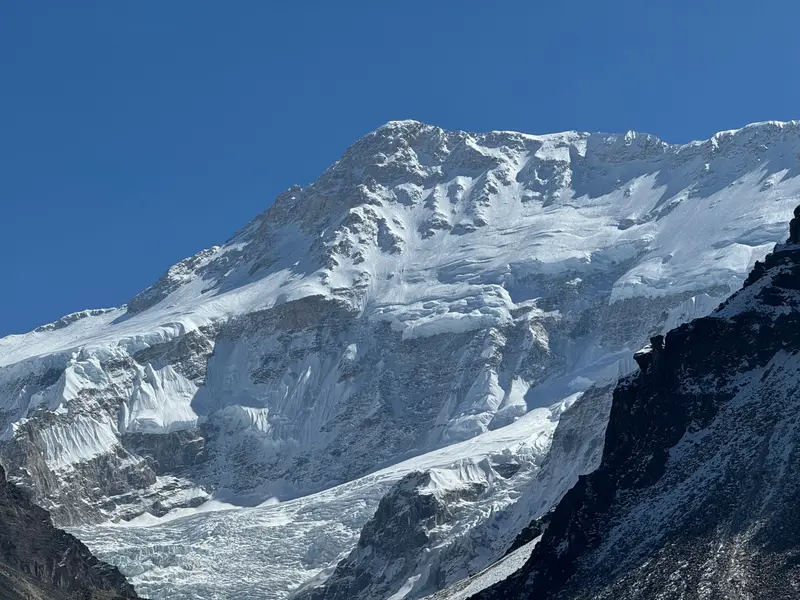
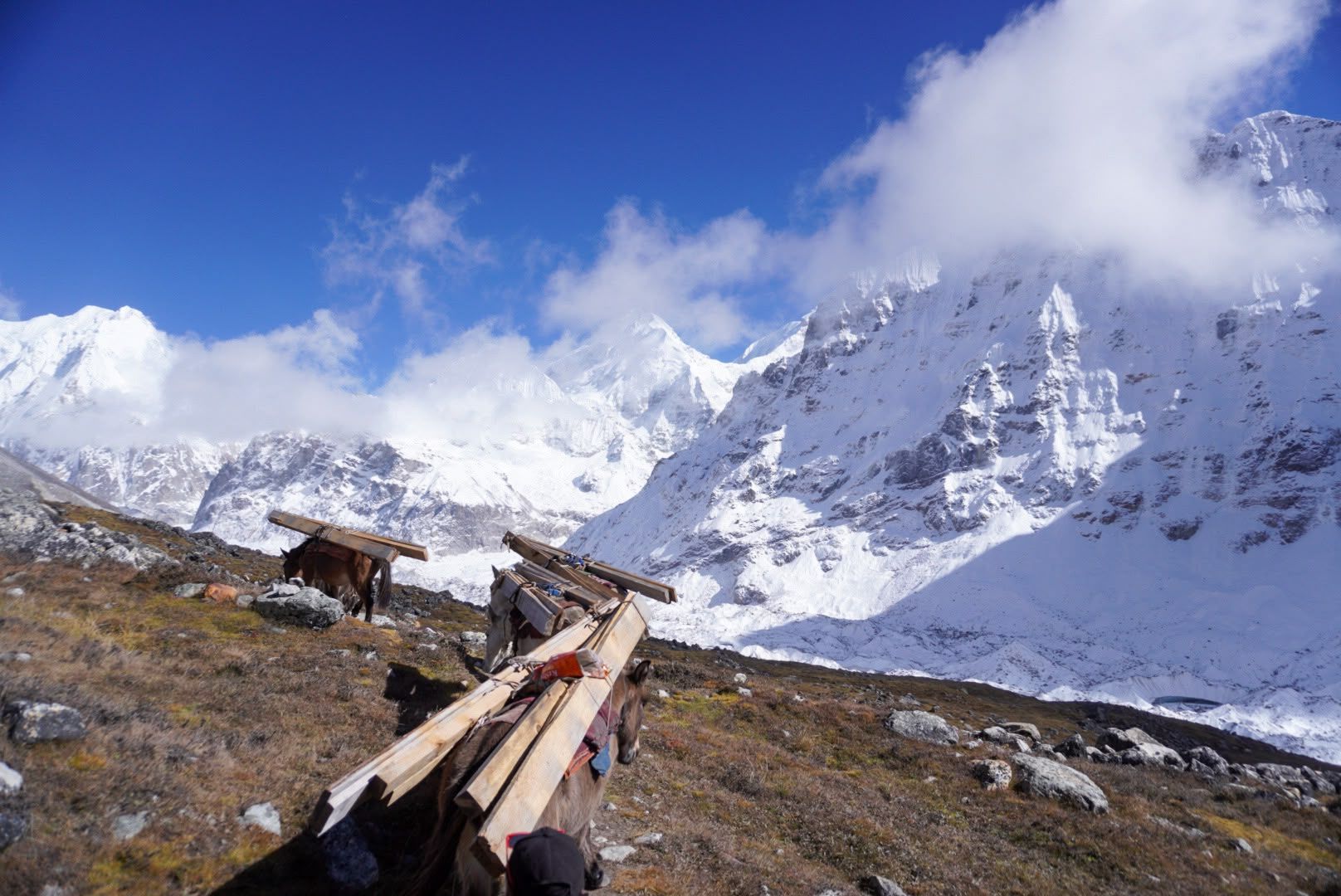
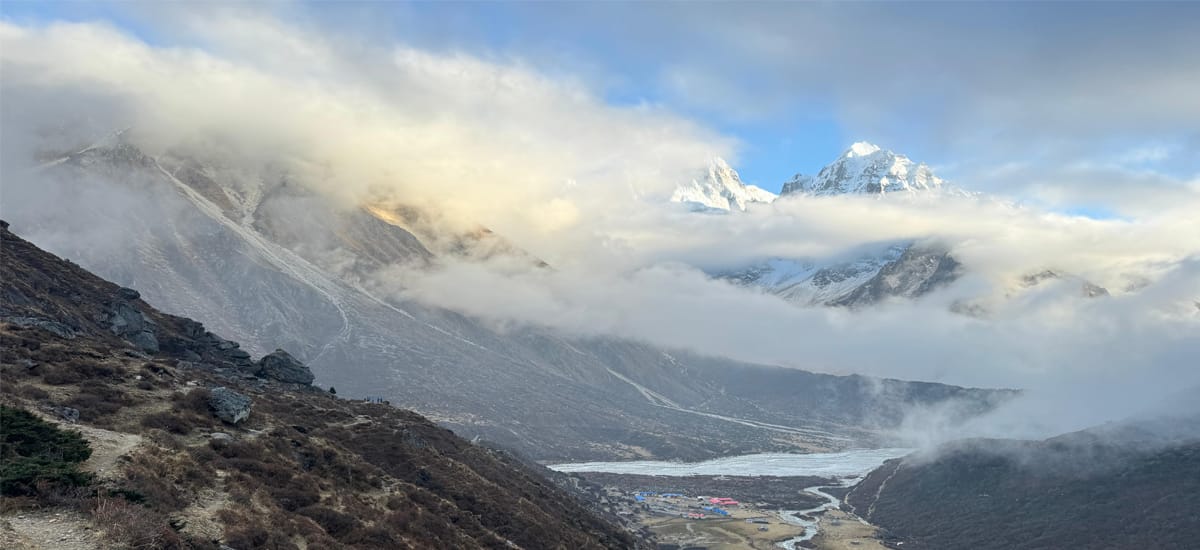
Kanchenjunga (8,586 m) is the world’s third-highest mountain, and its Nepal side is protected as the Kanchenjunga Conservation Area. The Kanchenjunga Base Camp Trek visits both sides of the mountain: Pangpema (5,143 m) in the north and Oktang (4,730 m) in the south, linked by the high Sele La passes.
- Long and committing: 17 days on the trail for the full circuit and about 200–220 km on foot. See the Kanchenjunga trek route.
- Permit-controlled: a Restricted Area Permit, a conservation area permit and a licensed guide are required. See Kanchenjunga trek permits.
- Living mountain villages: Limbu villages in the lower valleys and Sherpa communities higher up.
- Wildlife: the region is home to red pandas, blue sheep and the elusive snow leopard.
- Days offline: there is no mobile signal on the Sele La, at the base camps or on most of the southern side.
Underrated remote treks in eastern Nepal
Trek | Days | Highest point | Why go |
|---|---|---|---|
22 | 5,143 m | Both base camps of the world’s third-highest mountain | |
18 | 4,870 m | The Barun valley and the south face of Makalu, the fifth-highest mountain | |
23 | 5,177 m | A high pass linking the Kanchenjunga and Makalu regions | |
17 | 3,200 m | A traditional trading village close to the Tibetan border | |
27 | 5,958 m | Kanchenjunga Base Camp plus a climb of Drohmo Ri | |
41 | 5,177 m | A long traverse through both regions |
Other remote regions of Nepal
Western and central Nepal also have remote, permit-controlled treks, such as Upper Dolpo, Upper Mustang and the Manaslu region, each with its own landscape and access. If you are choosing between regions, read Kanchenjunga vs Manaslu, Kanchenjunga vs Makalu and Kanchenjunga vs Everest Base Camp.
How to prepare for a remote trek in Nepal
- Fitness and experience: expect 5–8 hours of walking on most days. For Kanchenjunga, previous high-altitude trekking is strongly recommended; see Kanchenjunga trek difficulty.
- Permits and a guide: in restricted areas the permit is issued only through a registered agency, and you must trek with a licensed guide.
- A spare day: weather can delay flights and mountain roads, so leave a buffer day at the end of your trip.
- Insurance: make sure your travel insurance covers trekking at altitude and helicopter evacuation.
- Being offline: download maps before you go and let family know you may be out of contact for several days.
- Season: late September to November is the most reliable season, and April and May are also good. See the best time for the Kanchenjunga trek.
Start with Nepal’s classic remote trek: Kanchenjunga Base Camp
Remote trekking in Nepal FAQs
What is the best remote trek in Nepal?
For big mountain scenery with few crowds, the Kanchenjunga Base Camp Trek is one of the best: it visits both base camps of the world’s third-highest mountain on a restricted, lightly travelled route.
Do I need a guide for remote treks in Nepal?
In restricted areas such as Kanchenjunga, yes. The permit is only issued through a registered trekking agency, and you must trek with a licensed guide.
Are there teahouses on remote treks?
On the main Kanchenjunga routes there are simple, family-run lodges. Some more remote routes and side trips still require camping.
When is the best time for remote trekking in Nepal?
Autumn (late September to November) and spring (April and May) are the main trekking seasons in the high mountains.
Plan with local guides
Ready to walk the Kanchenjunga trail?
Tell us your dates and pace. We’ll sort permits, guides and a route that fits — straight from the people who live here.
From this story
Treks mentioned
Keep reading
Other Blogs
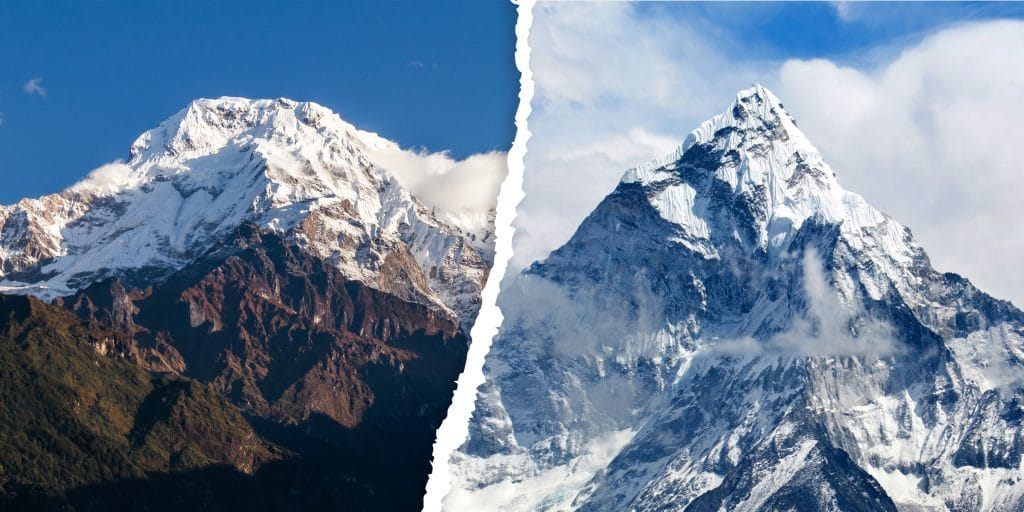
Kanchenjunga Trek vs Everest Base Camp: Which Trek Is Right for You?
Bikash Rimal September 9, 20268 min read
Kanchenjunga or Everest Base Camp? A side-by-side comparison of remoteness, difficulty, views, days, comfort, culture, crowds and cost to help you choose the right trek.
Kanchenjunga vs Manaslu Trek: Which Is Right for You?
Bikash Rimal November 21, 20266 min read
Kanchenjunga or Manaslu? Compare two remote restricted-area treks: altitude, days, difficulty, crowds, culture, access, permits and cost, plus who each trek suits.
Kanchenjunga vs Makalu Base Camp Trek: Which Should You Choose?
Bikash Rimal November 21, 20266 min read
Kanchenjunga or Makalu? Compare two remote 8,000 m base camp treks in eastern Nepal: altitude, days, landscape, villages, difficulty, permits, and how to combine both.