Culture & Villages
The Limbu People of Taplejung: History and Cultural Heritage
Meet the Limbu (Yakthung) people of Taplejung: the history of Limbuwan, the Limbu language and Sirijunga script, Mundhum religion, festivals, dances, food and farming.

On this page
Before the trail climbs into the Sherpa villages of the high valleys, it passes through the homeland of the Limbu people. The Limbu, who call themselves Yakthung, are the original inhabitants of Taplejung and much of far-eastern Nepal, with their own language, script, religion and rich festival traditions.
The Limbu at a Glance
- Own name: Yakthung (Yakthumba)
- Homeland: Limbuwan, the hills of far-eastern Nepal east of the Arun River, including Taplejung
- Language: Limbu (Yakthung Pan), a Kirati language
- Script: Sirijunga
- Religion: Kirat Mundhum, an ancestral faith centred on nature and ancestors, often blended with Hindu and Buddhist practice
- Name for Kanchenjunga: Sewalungma, a sacred mountain
History: The Land of Limbuwan
Limbuwan was historically made up of several Limbu chiefdoms in the eastern hills. In the 1770s, during the unification of Nepal, the Limbu chiefs joined the new kingdom under an agreement that recognised their traditional rights to ancestral land, known as kipat. Limbu identity and pride in Limbuwan remain strong today.
Language and the Sirijunga Script
The Limbu language belongs to the Kirati family of Sino-Tibetan languages. It has its own script, Sirijunga, named after the scholar Sirijunga, who revived and spread it. You may see Limbu script on schools, signs and cultural buildings in Taplejung. Learn more in languages spoken in Taplejung.
Greet Limbu hosts with "Sewaro". It is the traditional Limbu greeting.
Religion: Kirat Mundhum
The Limbu follow Mundhum, a body of oral scriptures, myths and rituals passed down by priests and shamans. Nature, ancestors and the supreme goddess Tagera Ningwaphuma are central. Ceremonies are led by ritual specialists such as the Phedangma, Samba and Yeba/Yema, who recite the Mundhum at births, marriages, deaths and healing rituals.
Festivals and Dance
- Chasok Tangnam: the harvest festival, celebrated around the full moon of November–December, offering the first crops of the season to the gods
- Ke Lang (drum dance): dancers move in circles with large cylindrical drums
- Yalang (paddy dance): a slow circle dance with linked arms, often accompanied by Palam songs
- Maghe Sankranti (January): celebrated by many Limbu as a new year festival
Food and Drink
- Tongba: hot millet beer sipped through a bamboo straw from a wooden vessel, the famous drink of the east
- Kinema: fermented soybeans, a Limbu speciality
- Yangben: a traditional dish made from a forest lichen
- Millet, maize and rice from the terraced fields
Farming Life
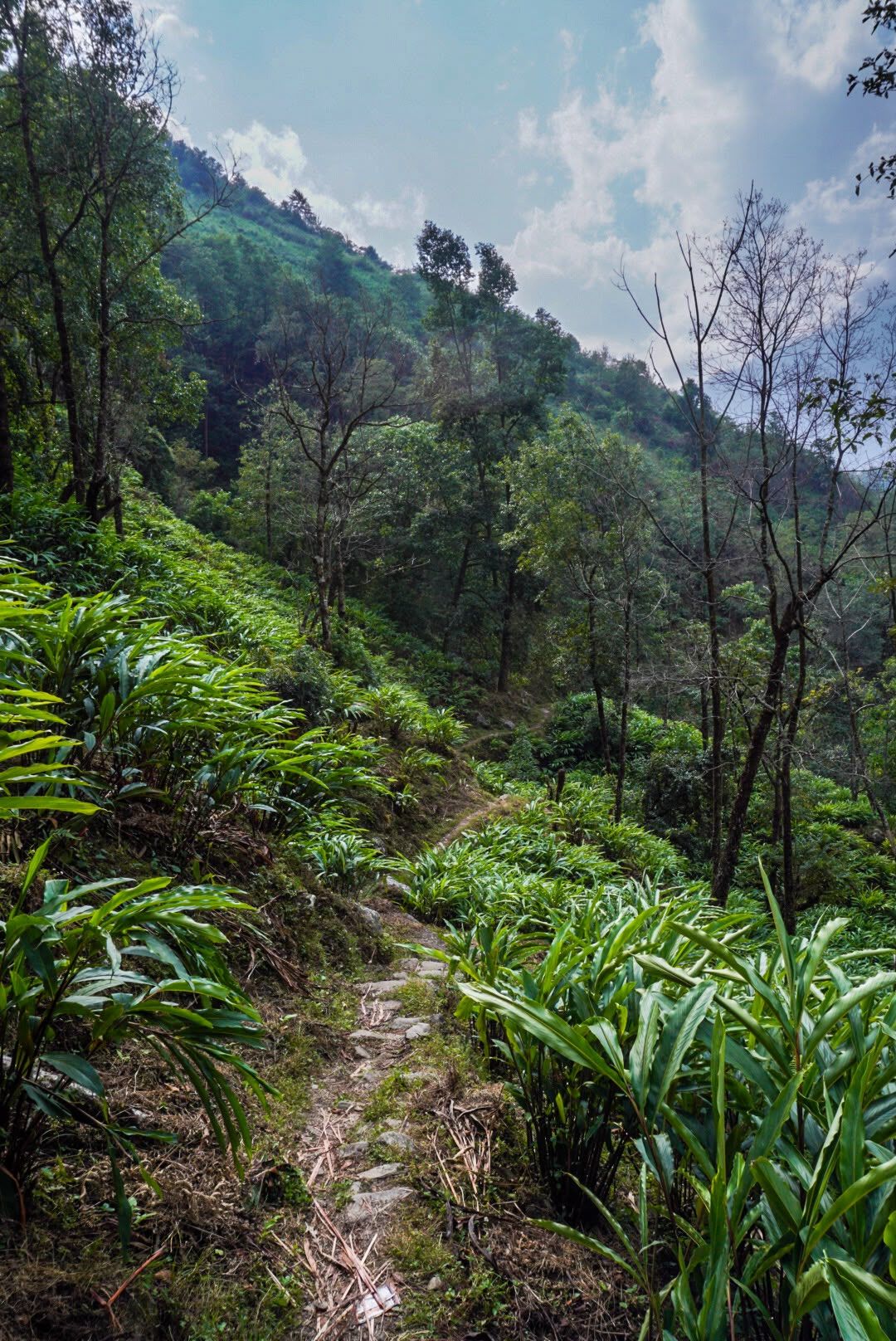
Many Limbu families farm terraces of rice, maize and millet, and grow black cardamom, a major cash crop of Taplejung, in the shaded forest valleys.
Where You Meet Limbu Communities on the Trek
- Taplejung town (Phungling) and the surrounding hills
- The lower north route along the Tamor valley towards Sekathum
- The south route around Yamphudin and the lower valleys
Higher up, the culture shifts to Sherpa and Tibetan Buddhist villages around Gyabla and Ghunsa, which is one reason the Kanchenjunga trek is so culturally rich.
Respectful Travel
- Ask before photographing people or ceremonies
- Accept tongba or food with both hands, even if you only take a little
- Show interest in Limbu language and culture. People are proud to share it.
Learn More
Read our guide to greetings and etiquette in Himalayan villages, or meet Limbu communities on our South Base Camp Trek.
Related reading: Medicinal plants of Taplejung
Frequently Asked Questions
Who are the Limbu people?
The Limbu are an indigenous people of eastern Nepal with their own language, customs and festivals, and a long presence in Taplejung.
How can I learn about Limbu culture?
Visit villages with a local guide, ask respectfully and try local food in teahouses.
Ready to see it yourself? Explore our Kanchenjunga Base Camp Trek with local guides.
Plan with local guides
Ready to walk the Kanchenjunga trail?
Tell us your dates and pace. We’ll sort permits, guides and a route that fits — straight from the people who live here.
Keep reading
Other Blogs
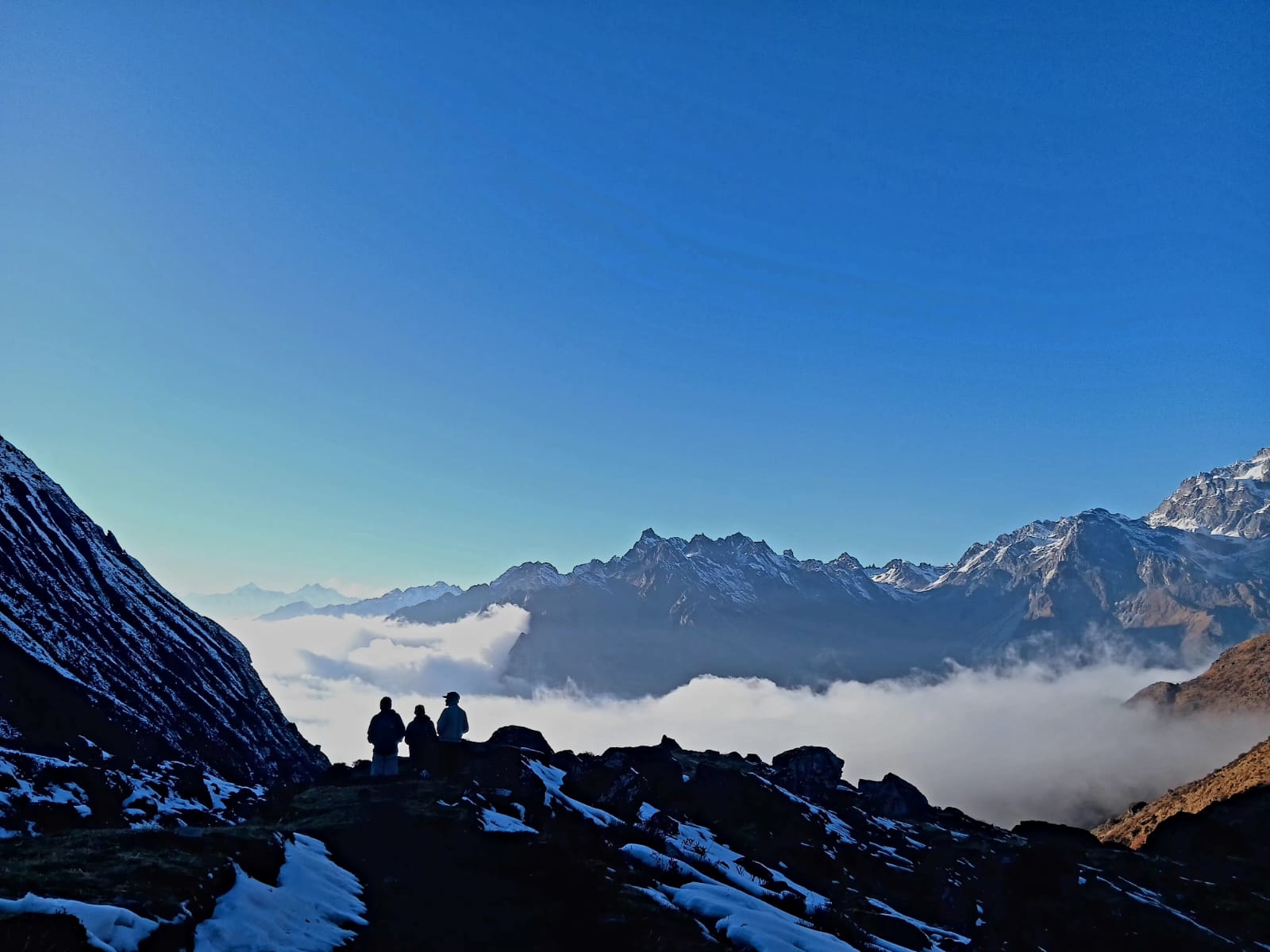
Remote Trekking in Nepal: The Best Off-the-Beaten-Path Treks
Madan NeupaneNovember 26, 20264 min read
Remote trekking in Nepal beyond Everest and Annapurna: why Kanchenjunga leads the list, the other remote treks of eastern Nepal compared, and how to prepare for permits, seasons and days offline.
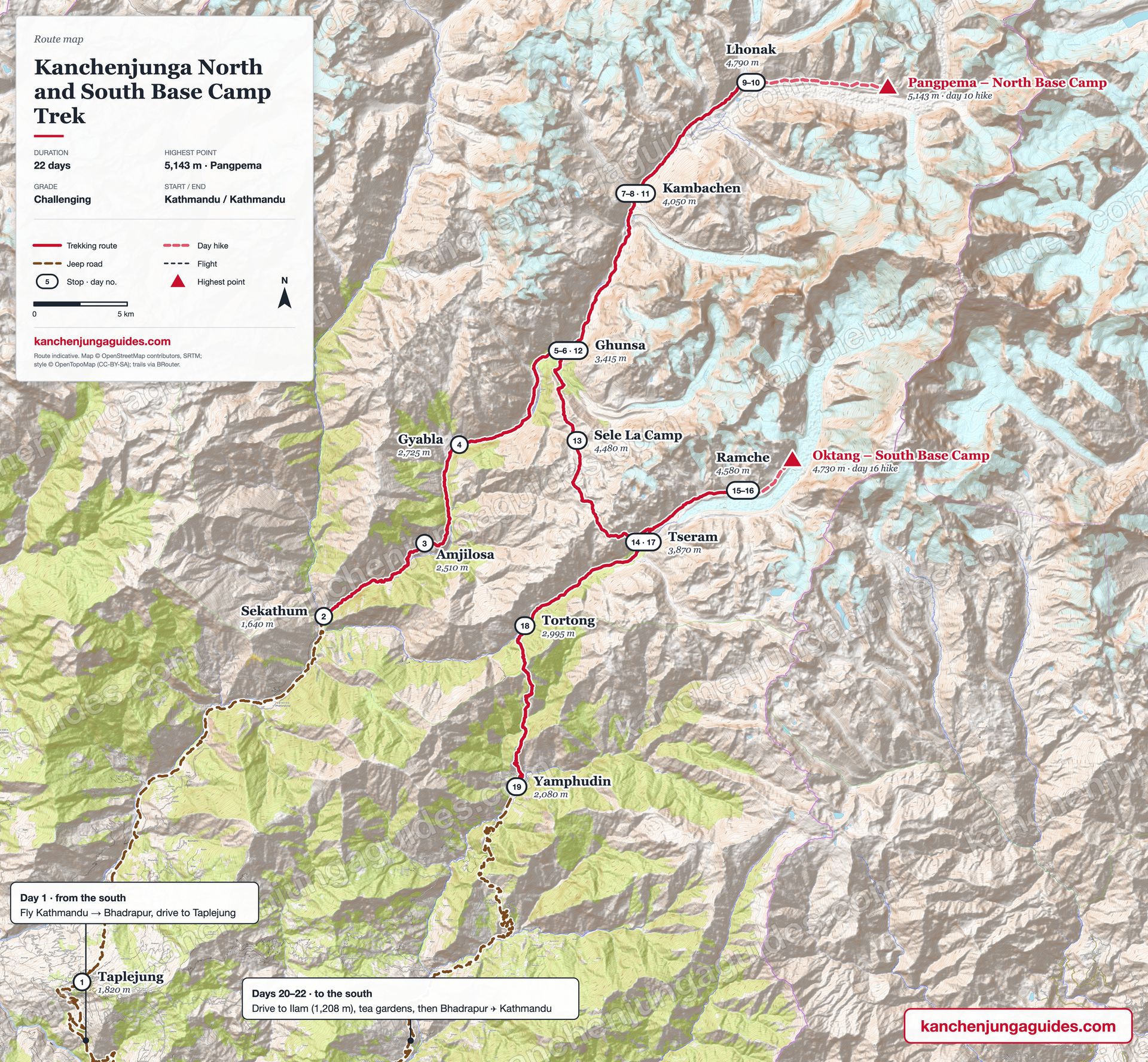
Kanchenjunga Trek Map: Route Maps for Every Itinerary
Madan NeupaneNovember 26, 20263 min read
Kanchenjunga trek maps for the North Base Camp, South Base Camp, full circuit and express routes, with an altitude profile, the trail signs you will meet and tips for navigating offline.
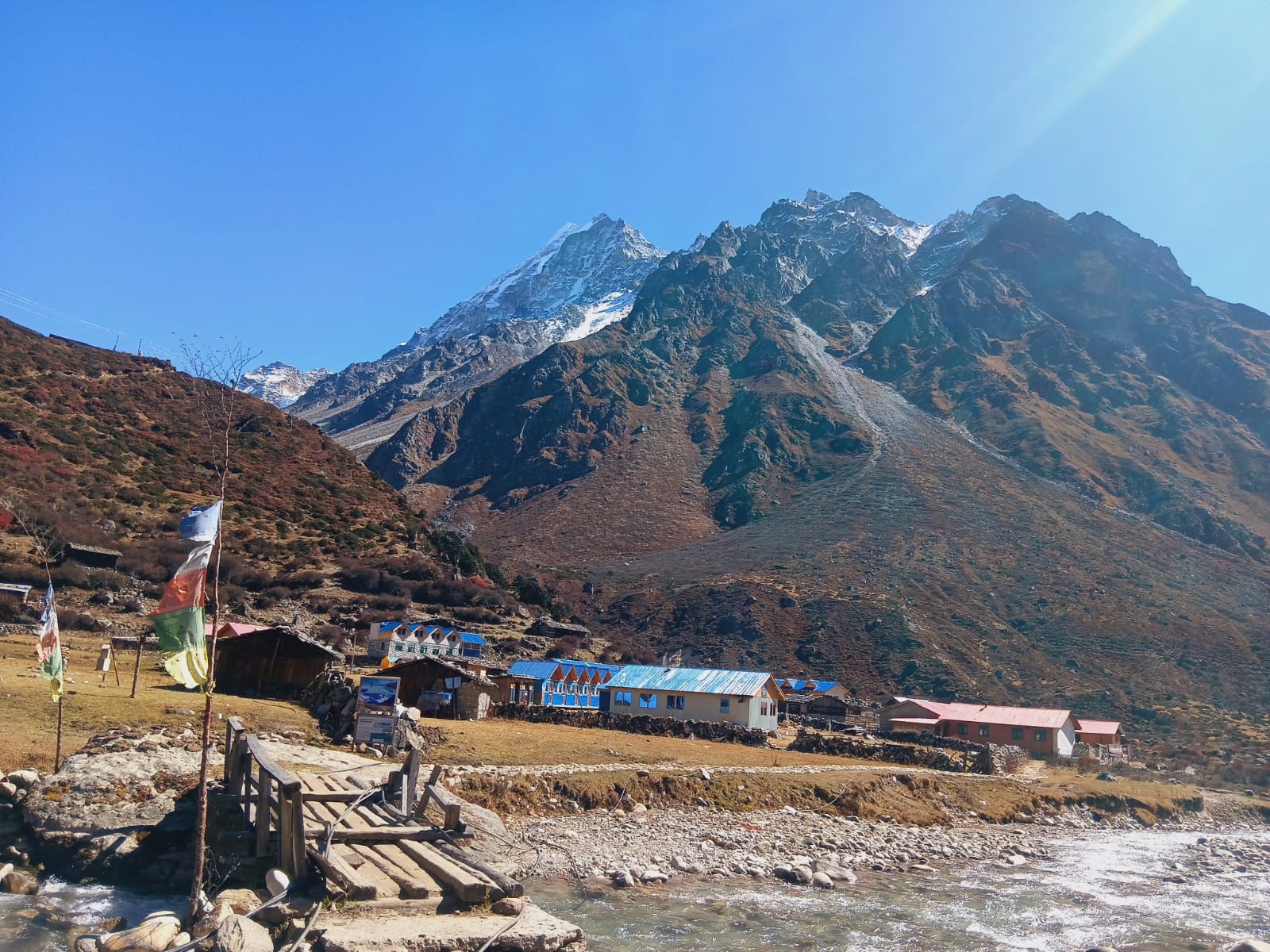
Kanchenjunga Trek Route: Village-by-Village Trail Guide
Madan NeupaneNovember 26, 20265 min read
The Kanchenjunga trek route explained: the northern trail to Pangpema, the southern trail to Oktang, the Sele La crossing that links them, and the altitude and distance of every stop.