Culture & Villages
Traditional Greetings and Etiquette in Himalayan Villages
Namaste, Tashi Delek and Sewaro: essential greetings and etiquette for the mountain villages of Kanchenjunga, from teahouse manners and photography to religious sites.

On this page
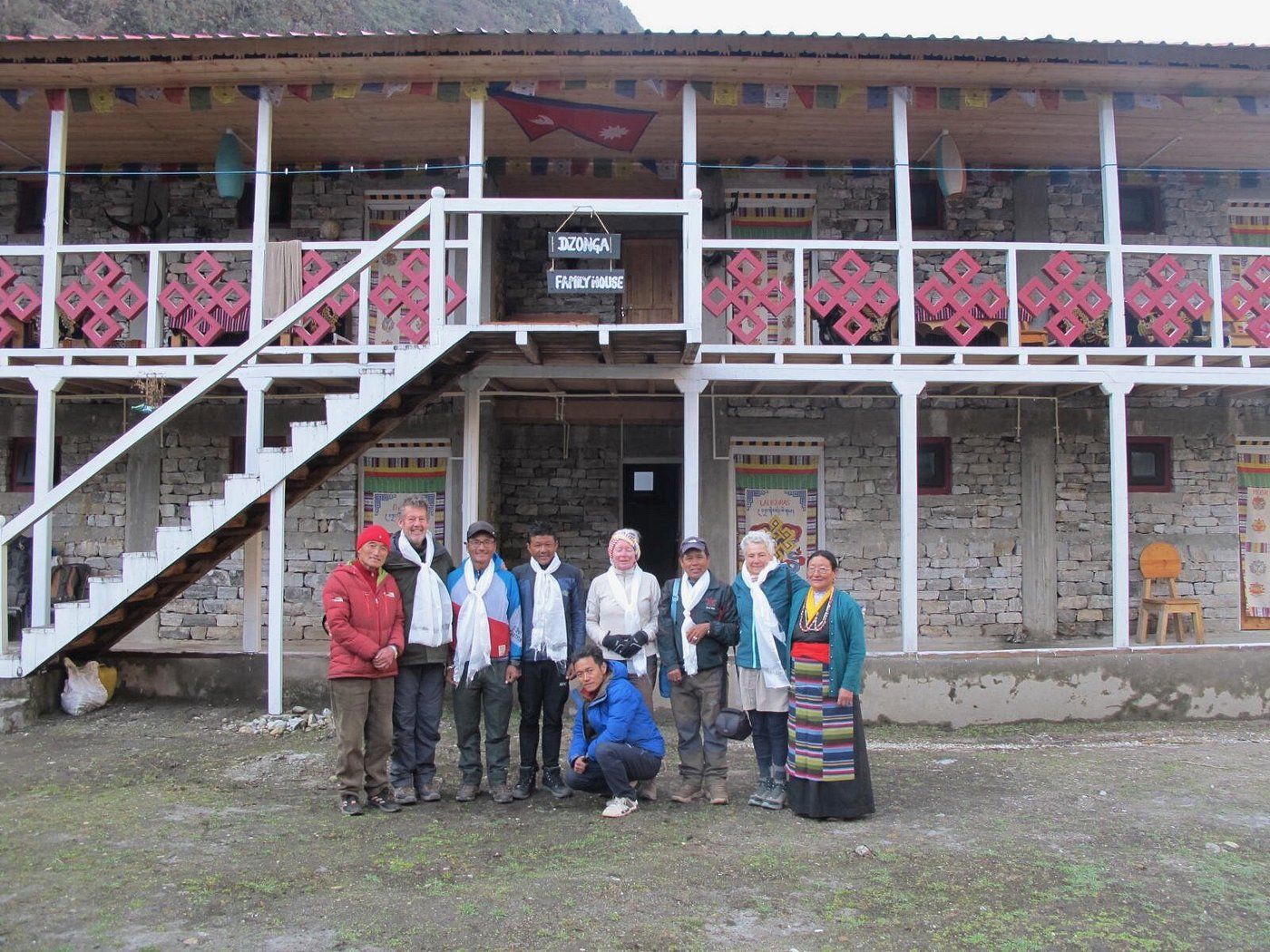
On the Kanchenjunga trek you will stay in family-run lodges, share kitchens with your hosts and walk through villages where few foreigners pass. A few simple words and customs go a long way. Local people notice and appreciate the effort. Here is a practical guide to greetings and etiquette in the mountain villages of Taplejung.
Greetings You Will Use Every Day
- Namaste (नमस्ते): the universal Nepali greeting. Press your palms together at chest level and nod slightly.
- Tashi Delek: hello and good luck in Sherpa and Tibetan villages such as Ghunsa
- Sewaro: the traditional Limbu greeting, used in the lower valleys
- Dhanyabad: thank you (Nepali)
- Pugyo: "enough", useful when your host offers a third helping of dal bhat
- Mitho chha: "it's delicious", guaranteed to make your host smile
Learn "Namaste", "Dhanyabad" and "Mitho chha". You will use them every day.
Etiquette in the Teahouse
- Remove your shoes before entering a home or kitchen area. Look for shoes at the door.
- Respect the hearth. The kitchen fire is considered sacred. Do not throw rubbish into it or put your feet near it.
- Use your right hand, or both hands, to give and receive things, especially money and food.
- Avoid "jutho": food or drink that has touched your mouth is considered impure. Do not offer half-eaten food, and do not drink straight from shared bottles.
- Ask before helping yourself to food, water or the kitchen.
Body Language and Behaviour
- Do not touch people's heads. The head is considered sacred.
- Do not point your feet at people, altars or the fire, and avoid stepping over people or food.
- Dress modestly, especially in villages and monasteries. Cover shoulders and knees.
- Keep affection private. Public kissing and hugging can cause discomfort.
- Stay calm and patient. Raised voices and anger are seen as a loss of face.
Photography Etiquette
- Always ask before photographing people, especially women, elders and children.
- Do not photograph inside monasteries or during rituals without permission.
- Show people their photo on your screen. It is a great way to share a moment.
- Avoid paying children for photos, as it encourages begging.
Religious Sites
- Walk clockwise around chortens, mani walls and monasteries. Read the meaning of mani walls.
- Spin prayer wheels clockwise with your right hand.
- Remove your hat and shoes in monasteries, and leave a small donation if you wish.
- Never step on prayer flags or let them touch the ground. See prayer flags explained.
Giving and Sharing
- Small gifts from home, like postcards, pencils or photos, are nicer than money or sweets.
- Give school supplies to the school or teacher rather than to individual children.
- Buying snacks, local tea or crafts from village shops is one of the best ways to help.
Talking with Local Families
Evenings by the stove are the best time to talk. Ask about the family, their village, the yaks, the weather and festivals. Your guide can translate. Many trekkers say these conversations are the real highlight of the trek.
Quick Do's and Don'ts
Do:
- Say Namaste and smile
- Remove your shoes indoors
- Use your right hand
- Ask before taking photos
Don't:
- Touch heads or point your feet
- Share food you have already eaten from
- Wear revealing clothing in villages
- Show anger or raise your voice
Learn More About Local Culture
Discover why so many Sherpa guides are named Pasang, or meet these communities in person on our Kanchenjunga treks.
Frequently Asked Questions
How do I greet people?
Say namaste with palms together, or tashi delek in Sherpa and Tibetan communities.
What other etiquette matters?
Use your right hand to give and receive, remove shoes indoors and ask before photographing.
Ready to see it yourself? Explore our Kanchenjunga Base Camp Trek with local guides.
Plan with local guides
Ready to walk the Kanchenjunga trail?
Tell us your dates and pace. We’ll sort permits, guides and a route that fits — straight from the people who live here.
Keep reading
Other Blogs
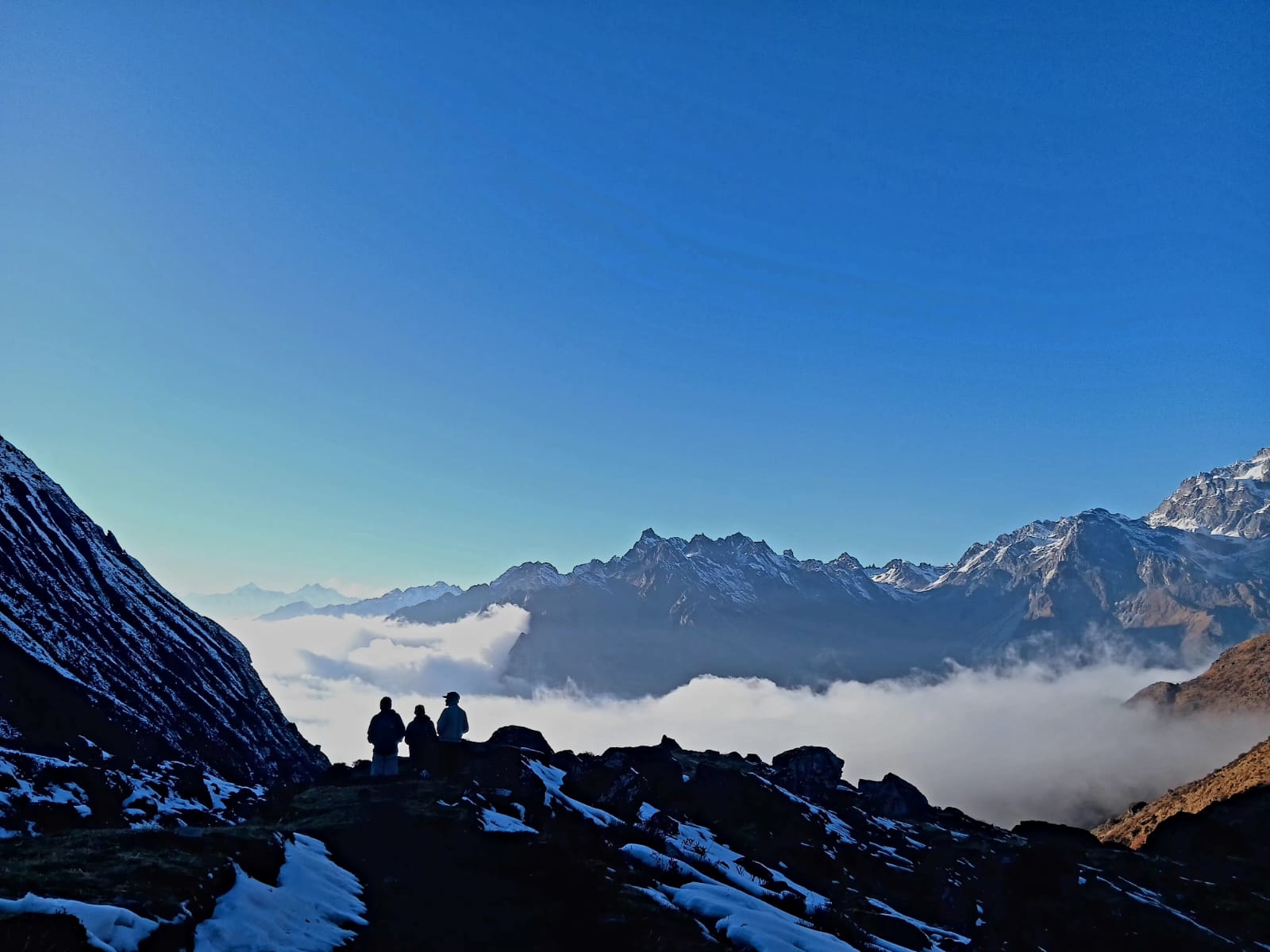
Remote Trekking in Nepal: The Best Off-the-Beaten-Path Treks
Madan NeupaneNovember 26, 20264 min read
Remote trekking in Nepal beyond Everest and Annapurna: why Kanchenjunga leads the list, the other remote treks of eastern Nepal compared, and how to prepare for permits, seasons and days offline.
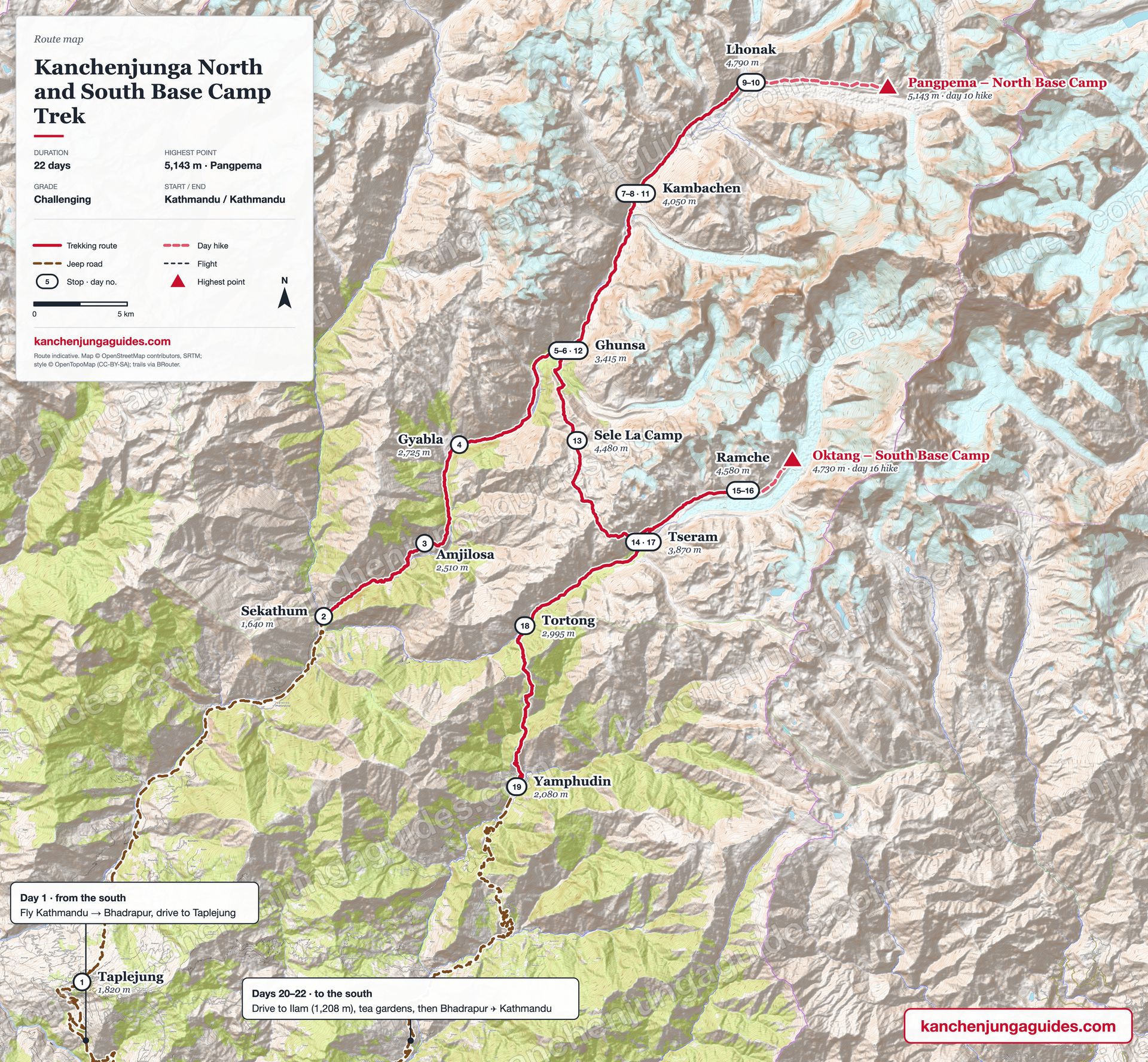
Kanchenjunga Trek Map: Route Maps for Every Itinerary
Madan NeupaneNovember 26, 20263 min read
Kanchenjunga trek maps for the North Base Camp, South Base Camp, full circuit and express routes, with an altitude profile, the trail signs you will meet and tips for navigating offline.
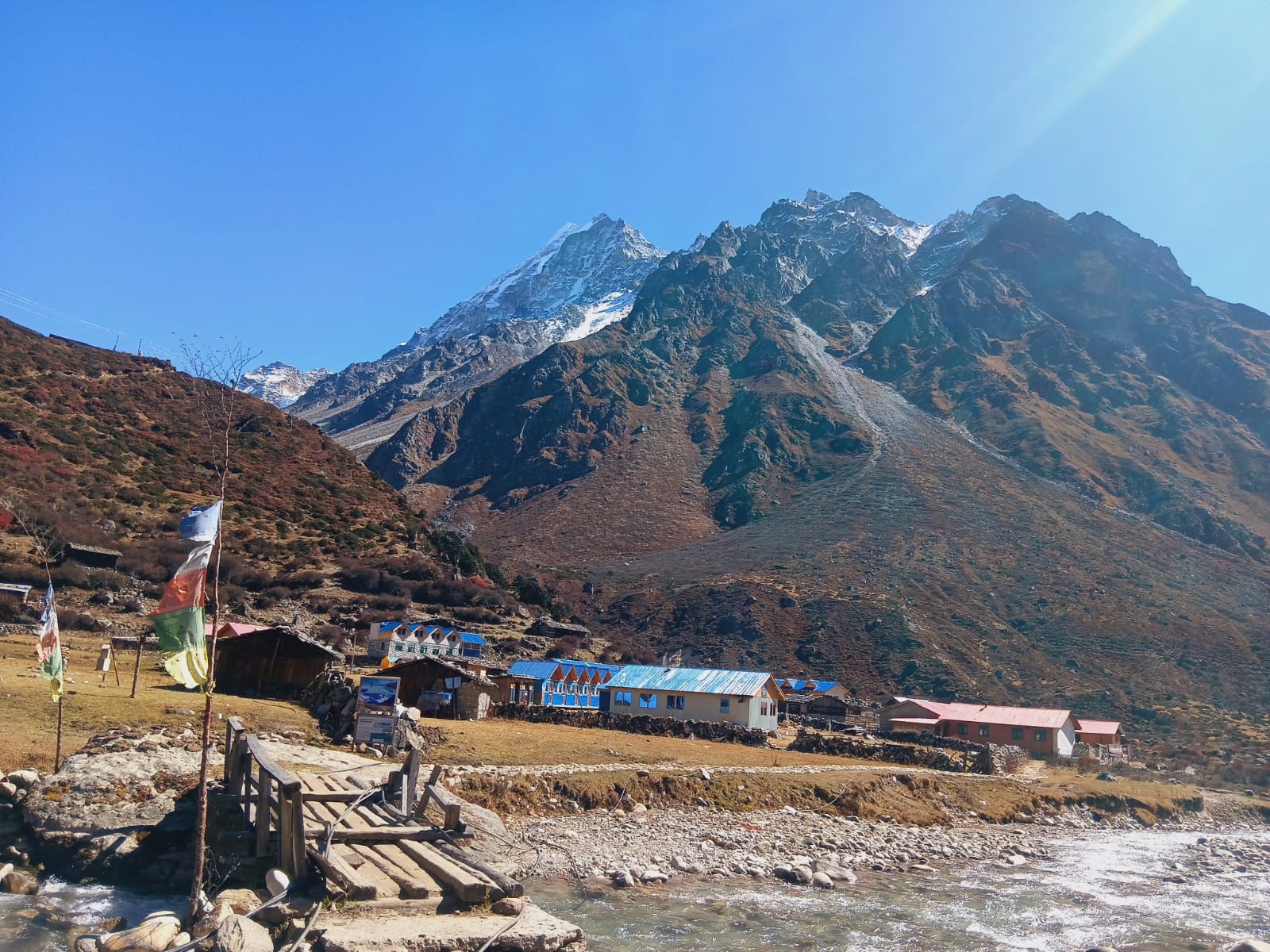
Kanchenjunga Trek Route: Village-by-Village Trail Guide
Madan NeupaneNovember 26, 20265 min read
The Kanchenjunga trek route explained: the northern trail to Pangpema, the southern trail to Oktang, the Sele La crossing that links them, and the altitude and distance of every stop.