Culture & Villages
The Meaning of Mani Walls Along Himalayan Trails (and Why You Walk Clockwise)
What are mani walls and chortens, what does Om Mani Padme Hum mean, and why should trekkers walk clockwise around them? A simple guide to Buddhist trail etiquette.

On this page
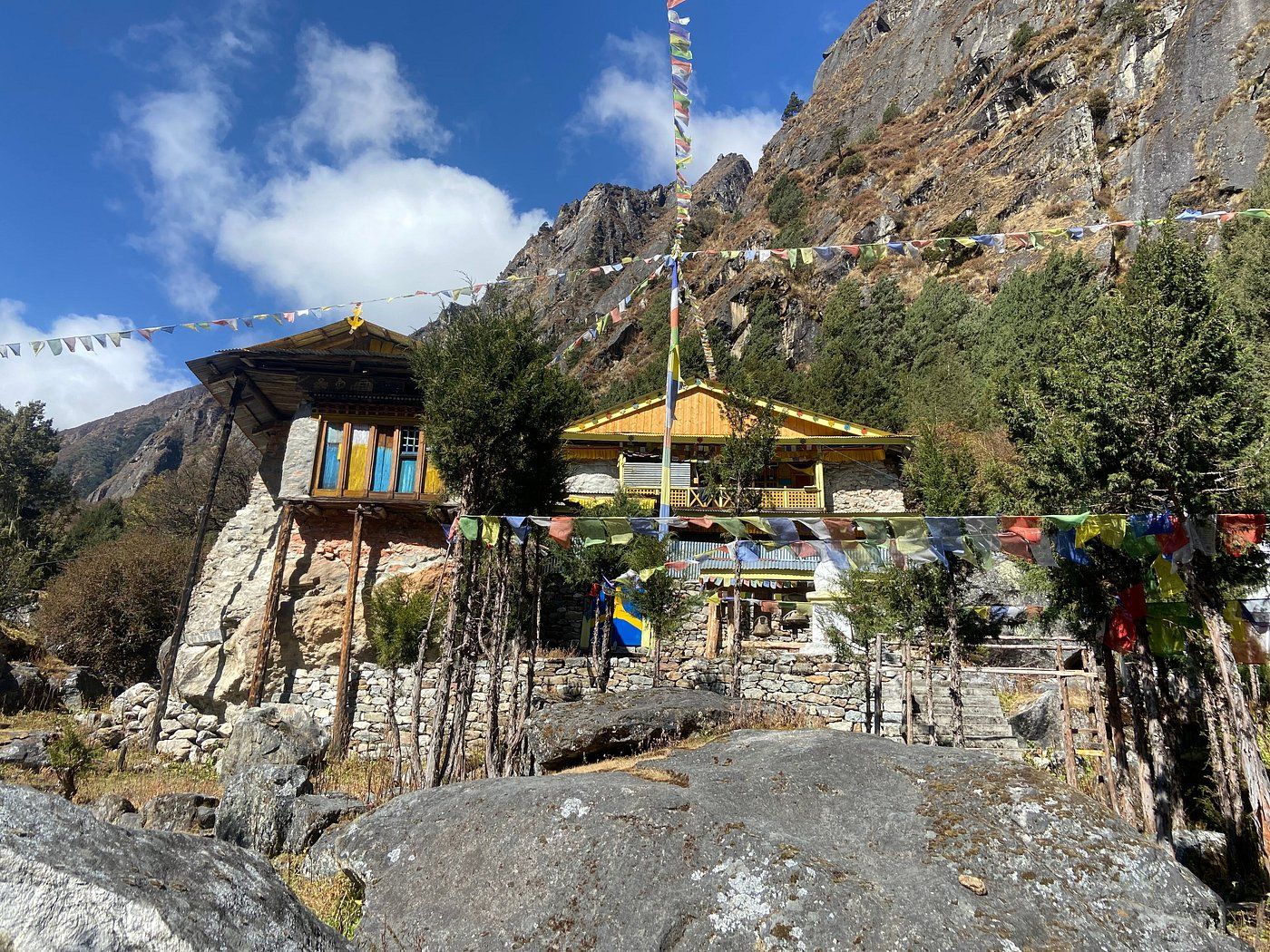
In the upper valleys of Kanchenjunga, around Ghunsa, Phale and beyond, you will pass long, low walls of flat stones carved with letters, and small stone towers draped in prayer flags. These are mani walls and chortens, and there is one simple rule for passing them: keep them on your right, and walk clockwise.
Quick Guide
- Mani wall: a wall of stones carved with Buddhist prayers, usually Om Mani Padme Hum
- Chorten (stupa): a stone or whitewashed monument holding sacred relics or texts
- The rule: pass on the left, keeping the wall or chorten on your right (clockwise)
- Why: this is how Buddhists show respect and gain merit, following the direction of the sun and the universe
What Is a Mani Wall?
A mani wall is built from hundreds or thousands of mani stones, flat stones carved or painted with prayers. The most common is the six-syllable mantra Om Mani Padme Hum, associated with Chenrezig (Avalokiteshvara), the Buddha of compassion.
Villagers and pilgrims add stones over generations, so some walls are hundreds of years old and stretch for tens of metres. Each carved stone is an offering, and each time someone walks past respectfully, the prayers are believed to be renewed.
What About Chortens?
A chorten (the Tibetan word for stupa) is a monument representing the Buddha's mind. Many hold relics, scriptures or prayers. On the trail they often stand at village entrances, passes and bridges, with prayer flags tied to them.
Why Walk Clockwise?
In Tibetan Buddhism, circling a sacred object clockwise (kora) follows the path of the sun and the natural order of the universe. Walking this way:
- Shows respect for the prayers and the Buddha
- Is believed to bring merit and good fortune
- Is the same direction used for spinning prayer wheels and circling monasteries
When the trail splits around a mani wall or chorten, take the left-hand path, so the monument stays on your right.
What If the Only Path Is on the Wrong Side?
Sometimes terrain or a narrow trail leaves no choice. In that case, walk past calmly and respectfully. Your guide will show you the right way where there is one. Local people understand and appreciate the effort.
Never climb on, sit on or take stones from a mani wall or chorten.
Other Etiquette Near Sacred Sites
- Spin prayer wheels clockwise with your right hand
- Remove your hat and shoes when entering a monastery
- Ask before photographing monks, rituals or the inside of monasteries
- Do not point your feet at altars or sacred objects
- A small donation at a monastery is appreciated
Where You Will See Them on the Kanchenjunga Trek
Mani walls, chortens and prayer flags become common as you climb into the Sherpa and Tibetan Buddhist villages of the upper Ghunsa valley, around Gyabla, Phale and Ghunsa, and towards Kambachen. On the south side you will find them near Sherpa settlements and at passes.
Explore More Kanchenjunga Culture
Read about prayer flags and their meaning, or learn why so many Sherpa guides are named Pasang. Ready to walk past your first mani wall? Explore our treks.
Frequently Asked Questions
Which side should I pass a mani wall?
Pass on the left, keeping the wall on your right, so you walk clockwise.
What are mani stones?
Stones carved with prayers, usually the mantra Om Mani Padme Hum.
Ready to see it yourself? Explore our Kanchenjunga Base Camp Trek with local guides.
Plan with local guides
Ready to walk the Kanchenjunga trail?
Tell us your dates and pace. We’ll sort permits, guides and a route that fits — straight from the people who live here.
Keep reading
Other Blogs
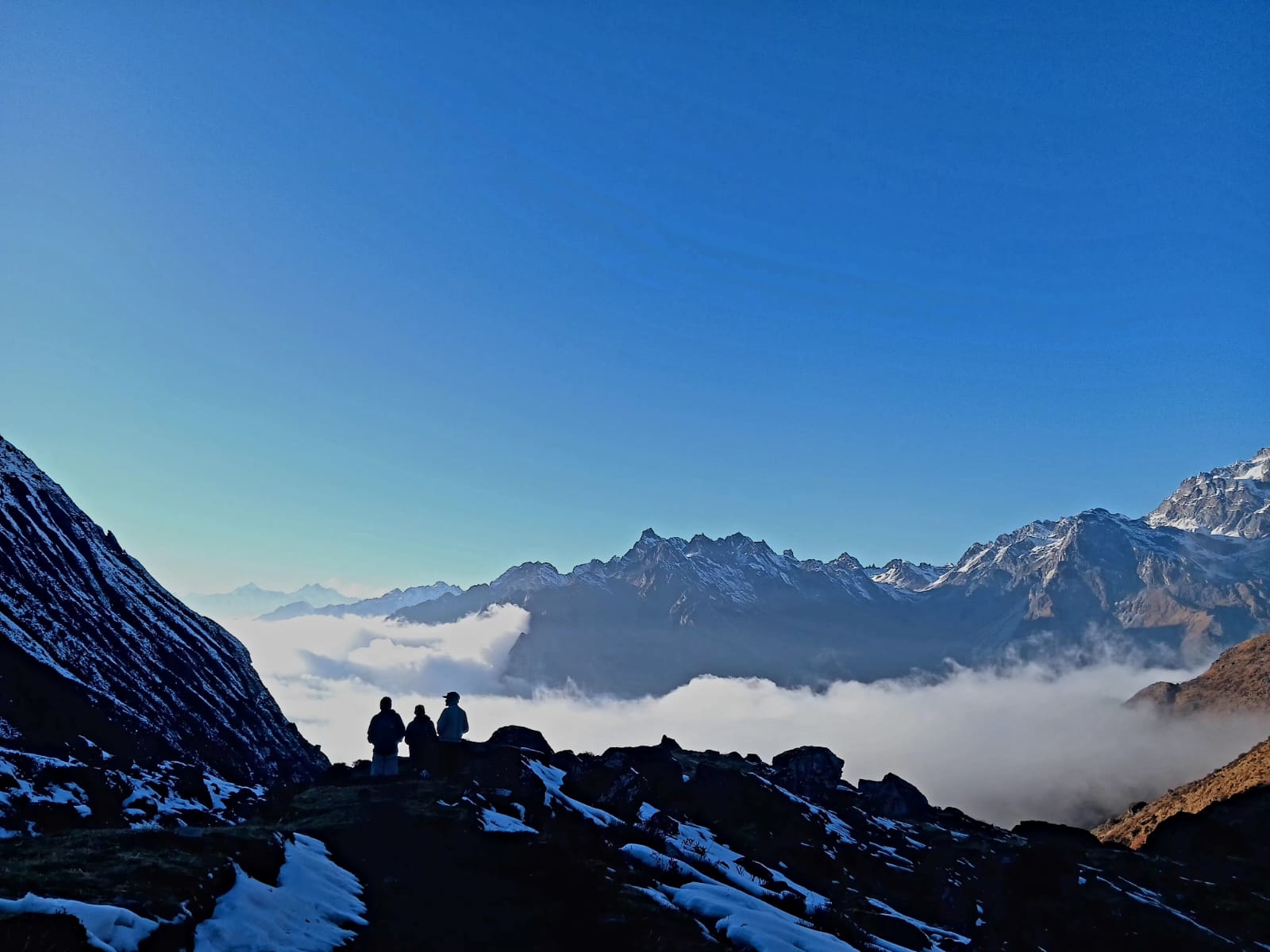
Remote Trekking in Nepal: The Best Off-the-Beaten-Path Treks
Madan NeupaneNovember 26, 20264 min read
Remote trekking in Nepal beyond Everest and Annapurna: why Kanchenjunga leads the list, the other remote treks of eastern Nepal compared, and how to prepare for permits, seasons and days offline.
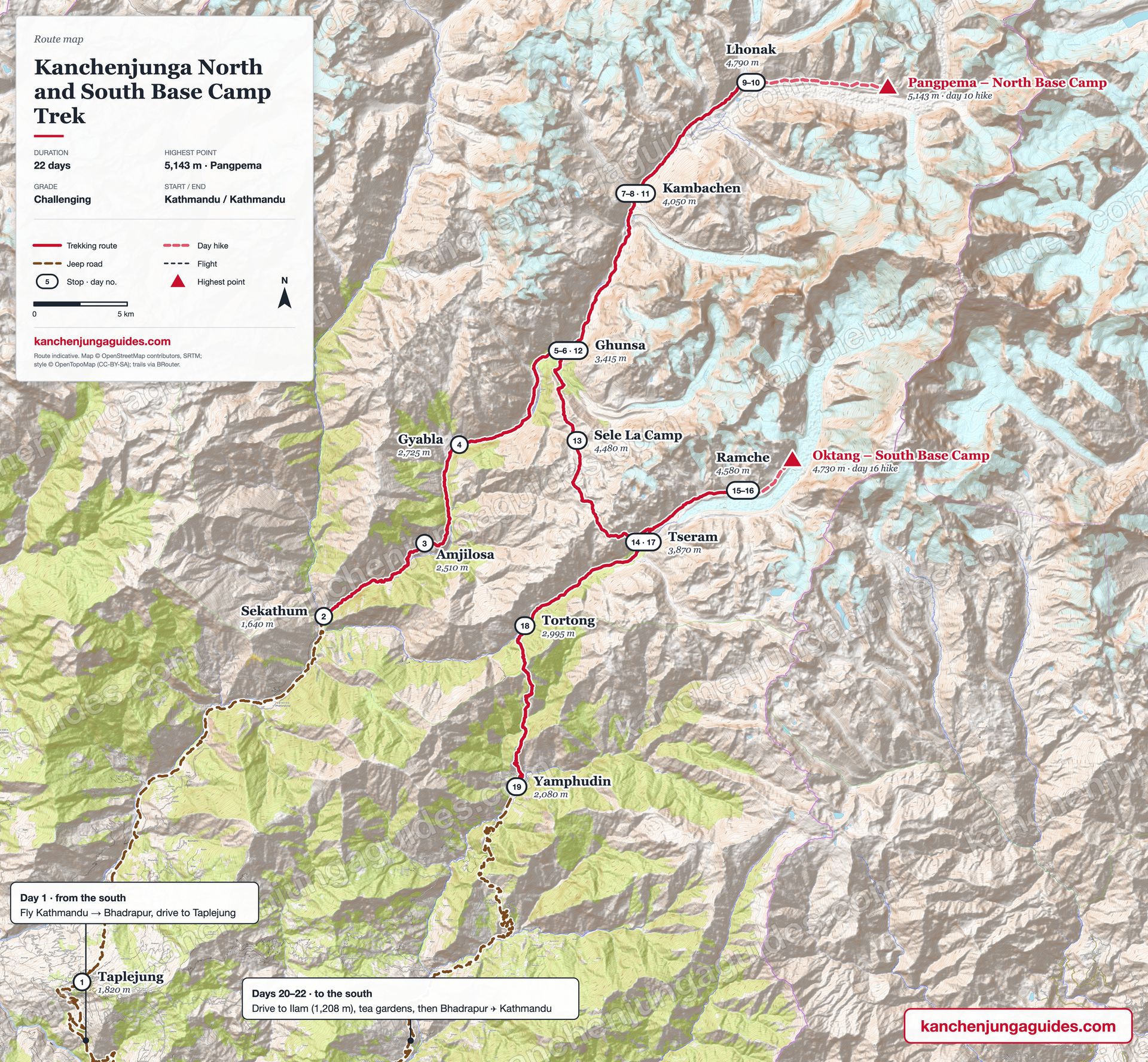
Kanchenjunga Trek Map: Route Maps for Every Itinerary
Madan NeupaneNovember 26, 20263 min read
Kanchenjunga trek maps for the North Base Camp, South Base Camp, full circuit and express routes, with an altitude profile, the trail signs you will meet and tips for navigating offline.
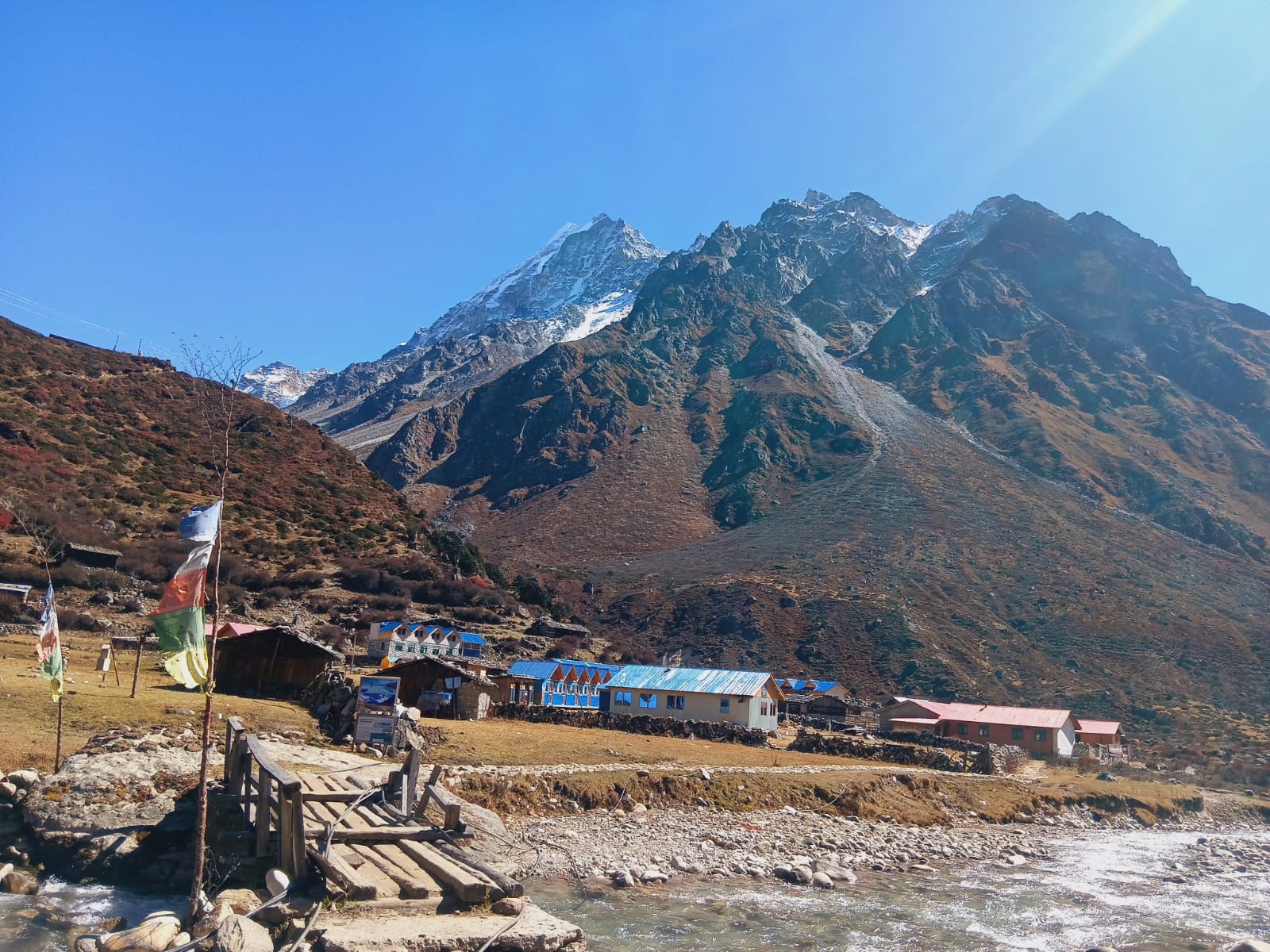
Kanchenjunga Trek Route: Village-by-Village Trail Guide
Madan NeupaneNovember 26, 20265 min read
The Kanchenjunga trek route explained: the northern trail to Pangpema, the southern trail to Oktang, the Sele La crossing that links them, and the altitude and distance of every stop.