Culture & Villages
Traditional Prayer Flags and Their Meaning in the Himalayas
What do Himalayan prayer flags mean? The wind horse, the five colours and their elements, lungta vs darchog, why they are hung on passes, and how to treat them respectfully.

On this page
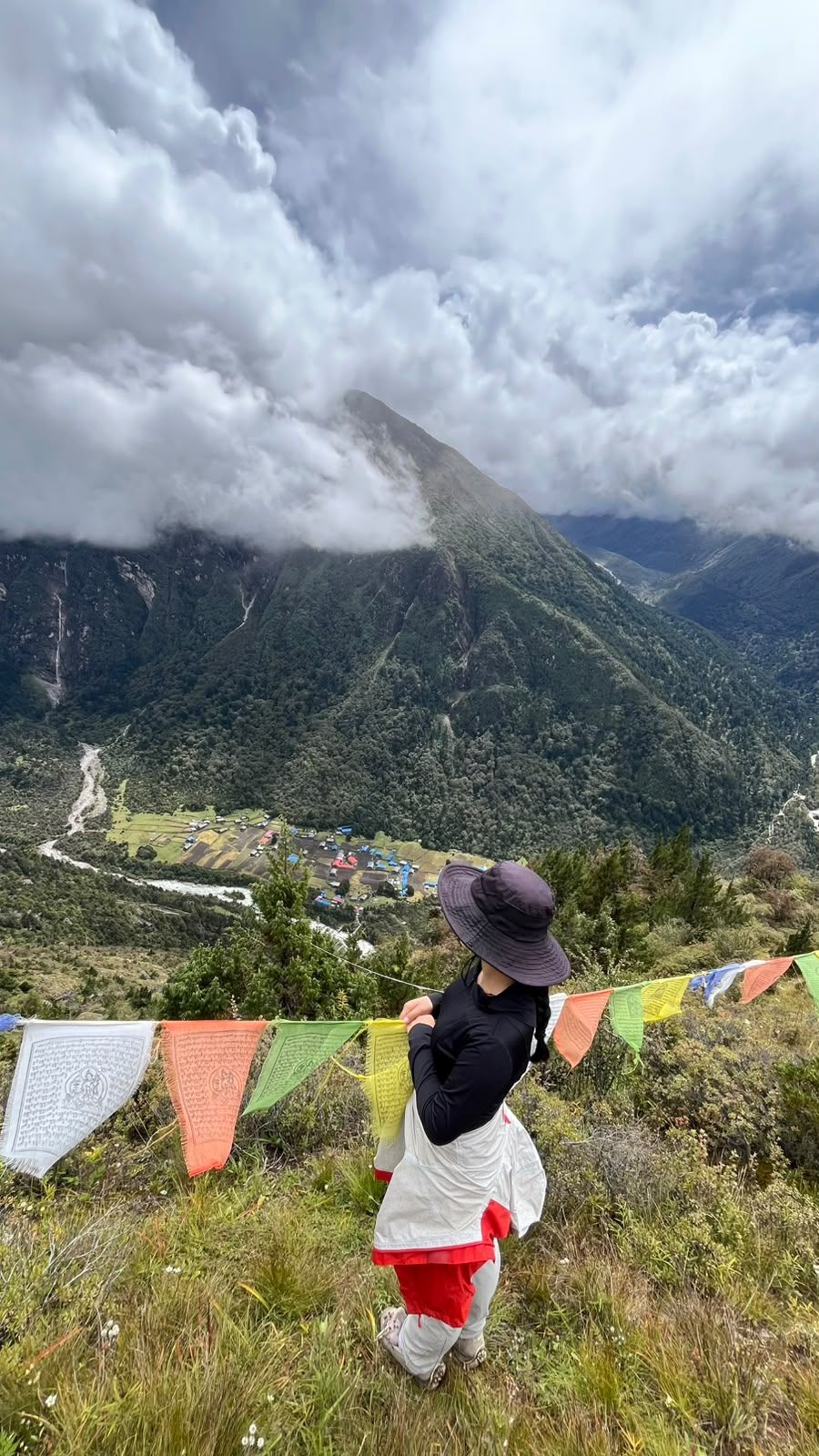
On every pass, bridge and rooftop of the Kanchenjunga trek you will see strings of colourful flags snapping in the wind. These are Buddhist prayer flags, and the idea behind them is that the wind carries their prayers and blessings across the land to everyone it touches. Here is what they mean, what the colours stand for and how to treat them respectfully.
Prayer Flags at a Glance
- Tibetan name: lungta, meaning "wind horse"
- Purpose: to spread prayers, compassion and good fortune on the wind
- Five colours: blue, white, red, green and yellow, always in that order
- Two main styles: horizontal strings (lungta) and vertical banners on poles (darchog)
- Where you will see them on the trek: Ghunsa, the Sele La passes, bridges, chortens and Pangpema
What Do the Five Colours Mean?
Each colour represents one of the five elements:
- Blue: sky and space
- White: air and wind
- Red: fire
- Green: water
- Yellow: earth
Together they stand for harmony and balance. The order is always the same: blue, white, red, green, yellow, from left to right or top to bottom.
What Is Printed on Them?
Prayer flags are block-printed with mantras, prayers and symbols. The most common image is the wind horse (lungta) carrying a jewel on its back, surrounded by guardian animals: the garuda, the dragon, the tiger and the snow lion. The famous mantra Om Mani Padme Hum also appears often.
Lungta vs Darchog
- Lungta: horizontal strings tied between rocks, houses, bridges and passes
- Darchog: tall vertical flags on wooden poles, often outside homes and monasteries
Why Are They Hung on Passes and Bridges?
High, windy places carry the prayers furthest. That is why you will find big clusters of flags on the Sele La passes, at viewpoints above Ghunsa and at Pangpema, and stretched across suspension bridges over rivers.
Why Are Old Flags Left to Fade?
As the wind and sun wear the flags away, the prayers are believed to become part of the universe. Fading is part of the blessing. New flags are usually hung alongside the old ones, often at Losar (Tibetan New Year) or on auspicious days chosen with help from a lama.
How to Respect Prayer Flags
- Do not step on, sit on or let prayer flags touch the ground.
- Do not cut them down or take them as souvenirs.
- Pass chortens and mani walls clockwise.
- If you would like to hang flags, ask your guide. Many trekkers hang a string at a pass to mark their journey.
- Old flags should be burned respectfully, not thrown away. Leave that to local people.
Buying Prayer Flags
You can buy flags in Kathmandu (around Boudhanath) or in Ghunsa. Hanging your own string on a pass, with your guide's help, is a beautiful way to mark reaching the high point of your trek.
Explore the Culture of Kanchenjunga
Prayer flags are just one part of the rich Buddhist culture of the upper Kanchenjunga valleys. Read about the meaning of mani walls and why trekkers walk clockwise, or explore our Kanchenjunga treks.
Frequently Asked Questions
What are prayer flags?
Coloured cloth flags printed with prayers and mantras that the wind carries.
Should I touch or move them?
Never step on them or use old flags as ordinary cloth.
Ready to see it yourself? Explore our Kanchenjunga Base Camp Trek with local guides.
Plan with local guides
Ready to walk the Kanchenjunga trail?
Tell us your dates and pace. We’ll sort permits, guides and a route that fits — straight from the people who live here.
Keep reading
Other Blogs
Remote Trekking in Nepal: The Best Off-the-Beaten-Path Treks
Madan NeupaneNovember 26, 20264 min read
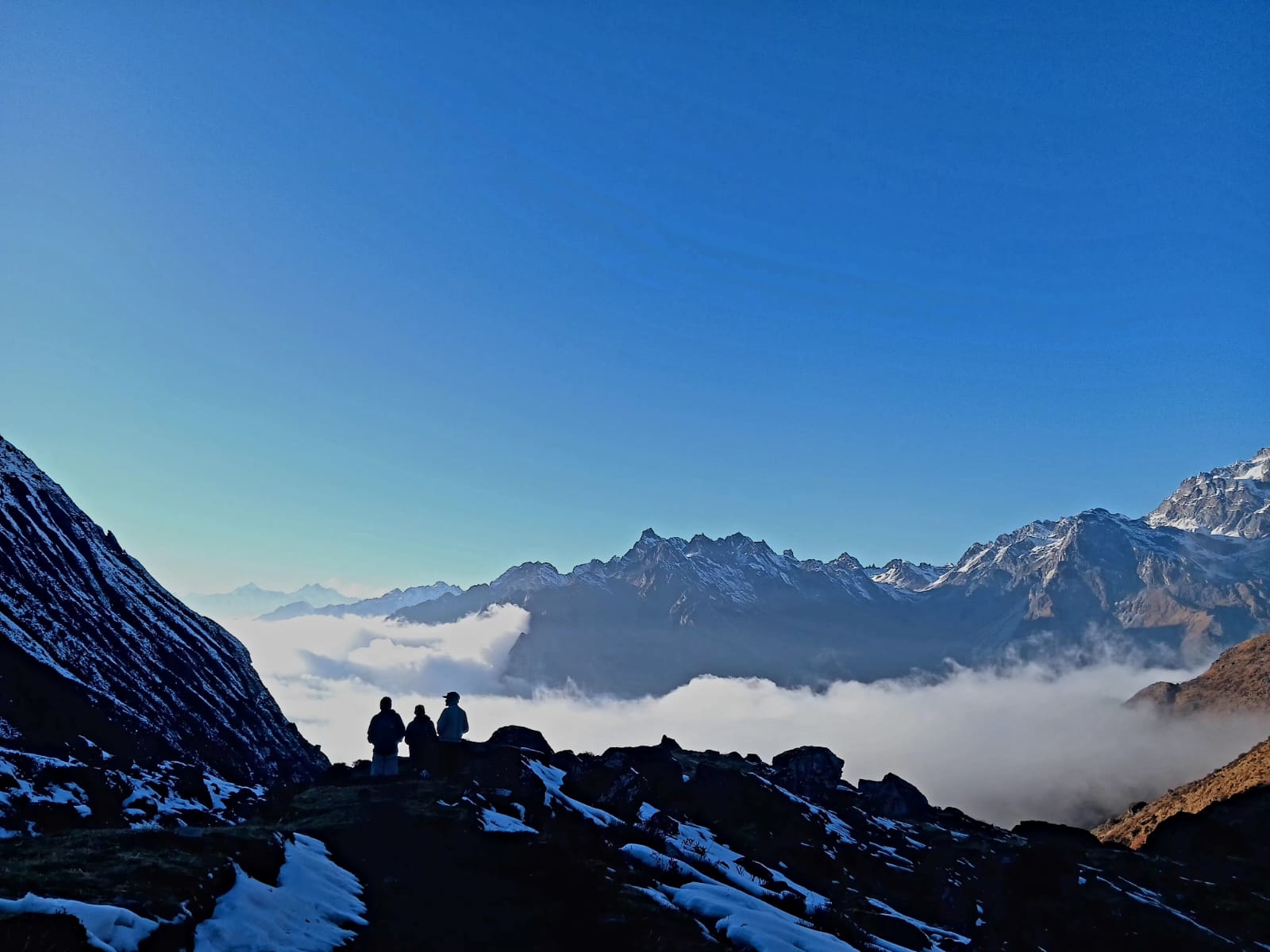
Remote trekking in Nepal beyond Everest and Annapurna: why Kanchenjunga leads the list, the other remote treks of eastern Nepal compared, and how to prepare for permits, seasons and days offline.
Kanchenjunga Trek Map: Route Maps for Every Itinerary
Madan NeupaneNovember 26, 20263 min read
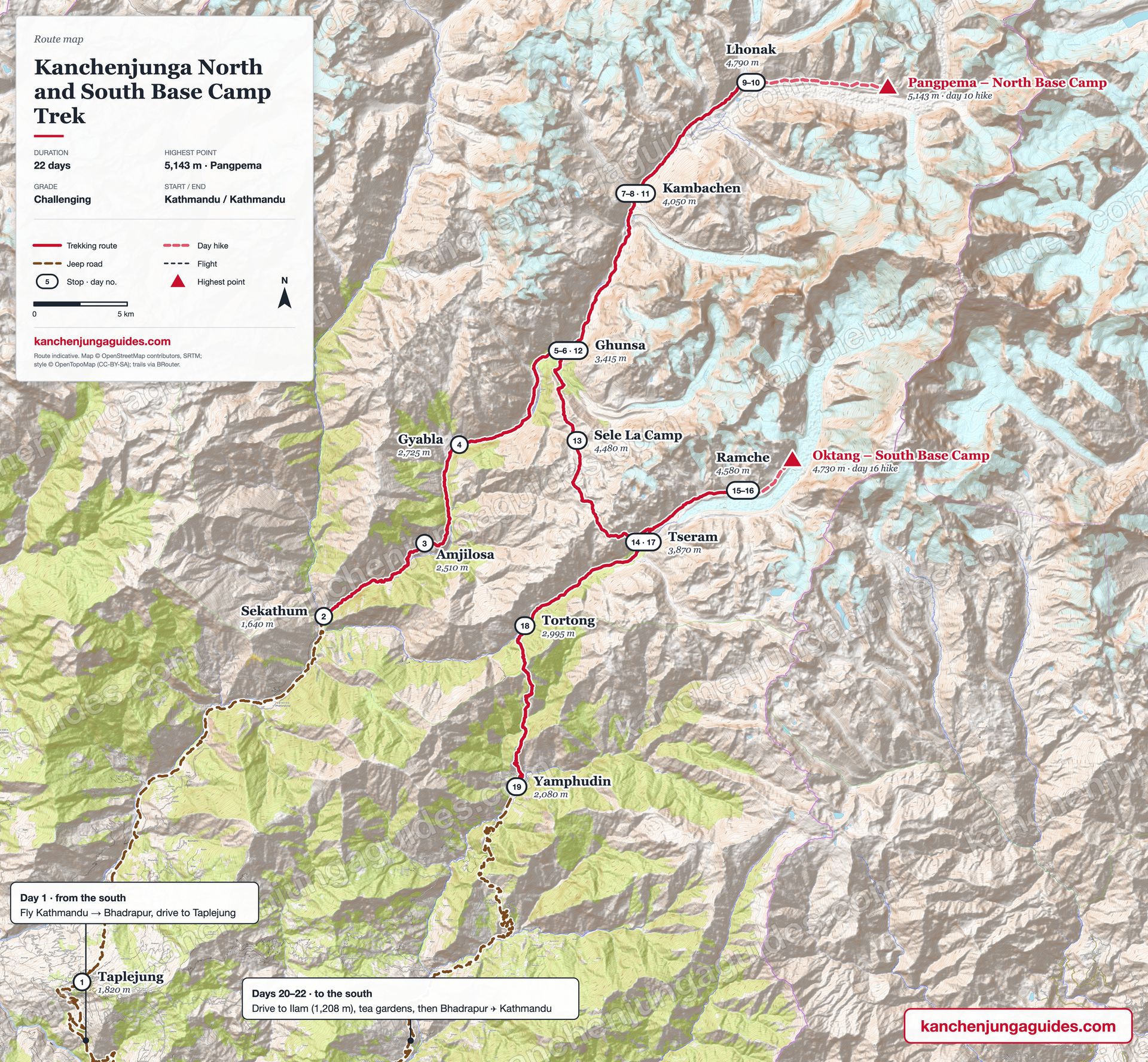
Kanchenjunga trek maps for the North Base Camp, South Base Camp, full circuit and express routes, with an altitude profile, the trail signs you will meet and tips for navigating offline.
Kanchenjunga Trek Route: Village-by-Village Trail Guide
Madan NeupaneNovember 26, 20265 min read
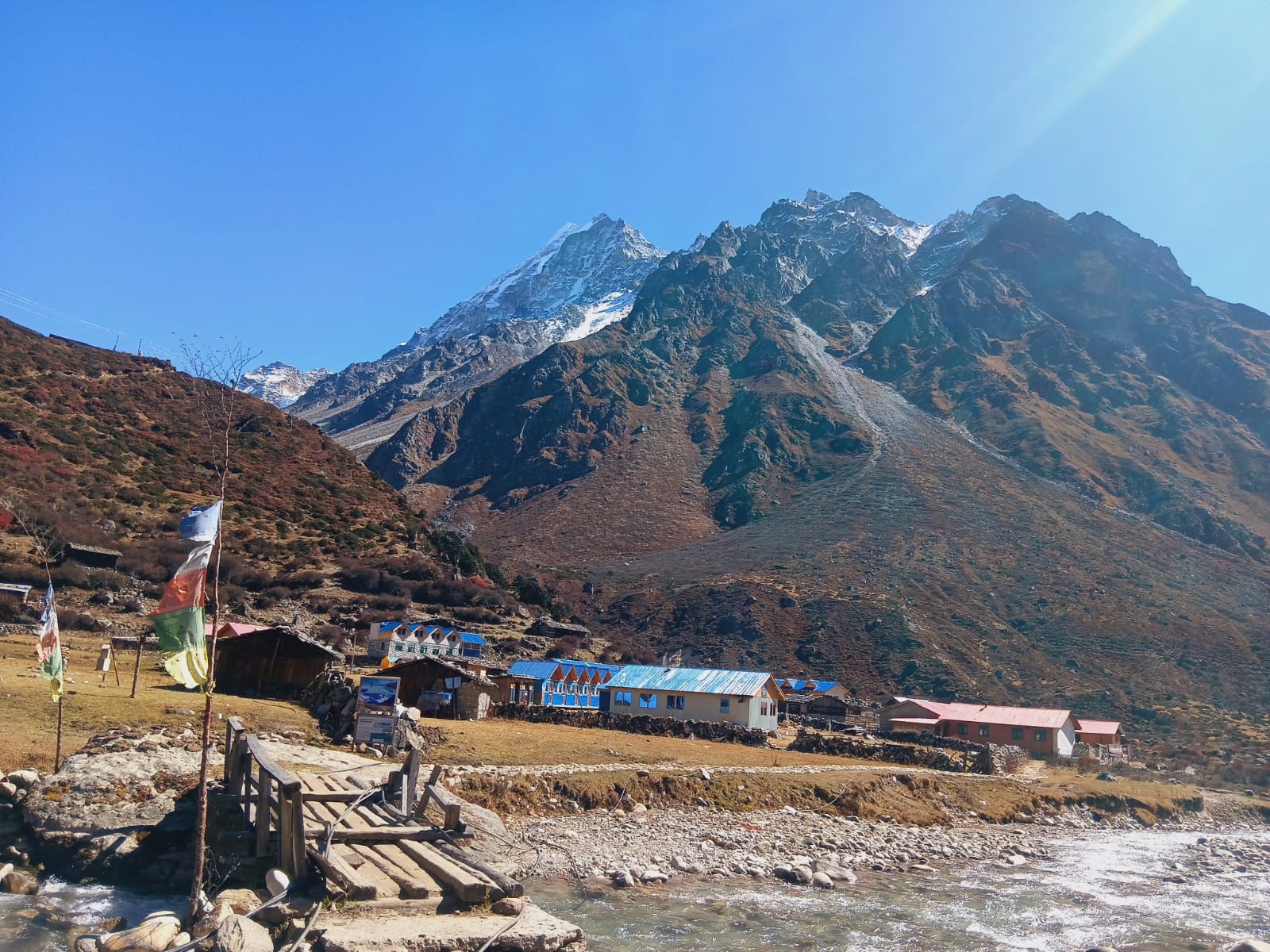
The Kanchenjunga trek route explained: the northern trail to Pangpema, the southern trail to Oktang, the Sele La crossing that links them, and the altitude and distance of every stop.