Culture & Villages
Blue Sheep in the Higher Himalayan Valleys of Kanchenjunga
Blue sheep (bharal) are the large mammals you are most likely to see above Kambachen. What they are, where to spot them on the trek, their behaviour and their link with snow leopards.

On this page
Above Kambachen, as the forest gives way to rock and moraine, look up at the cliffs. That grey-brown shape moving effortlessly across an impossible slope is probably a blue sheep. Of all the large mammals of the Kanchenjunga region, blue sheep are the ones trekkers are most likely to see.
Blue Sheep at a Glance
- Other names: bharal; naur in Nepali
- Scientific name: Pseudois nayaur
- Status: Least Concern (IUCN), and common in suitable habitat
- Habitat: open grassy slopes and cliffs, roughly 3,500–5,500 m
- Diet: grasses, herbs and lichens
- Predators: the snow leopard, which depends heavily on blue sheep in many areas
Are Blue Sheep Really Sheep, and Really Blue?
Neither, exactly. Blue sheep sit between sheep and goats. In behaviour and anatomy they share features with both. Their coat is a slate-grey to brownish colour that can look bluish in certain light, which gives them their name. Males have heavy horns that curve outwards and back, and striking black markings on the chest and legs.
Where to See Blue Sheep on the Kanchenjunga Trek
- Kambachen to Lhonak: the rocky slopes and moraine beside the Kanchenjunga Glacier
- Around Lhonak: grassy slopes and cliffs above the plain, especially in the morning and evening
- Near Pangpema: herds sometimes graze surprisingly close to the trail
- Above Ghunsa: high grazing slopes, especially in winter and spring
Scan the cliffs slowly with binoculars. Blue sheep blend perfectly into the rock until they move.
Behaviour
- They live in herds of a few to several dozen animals, and males often form separate groups outside the breeding season.
- They are superb climbers: when alarmed, they flee up near-vertical cliffs rather than run away across open ground.
- The breeding season (rut) is in early winter, when males clash horns.
- They usually feed in the early morning and late afternoon, resting on safe ledges in between.
Blue Sheep and Snow Leopards
Where you find blue sheep, you are in snow leopard country. Healthy blue sheep populations are essential for snow leopards to survive. If a herd suddenly stops, stares and bunches together, a predator may be nearby.
Watching Blue Sheep Responsibly
- Keep your distance, and never chase or throw stones
- Stay on the trail so you do not trigger rockfall onto animals (or people) below
- Keep voices low and move slowly
- Use a zoom lens for photos rather than approaching
- Never let dogs chase wildlife
Best Time to See Them
Autumn and spring, in the early morning or late afternoon. In winter, herds move to lower slopes and can be easier to spot, but the trails are colder and snowier.
More Kanchenjunga Wildlife
Lower down the trail, look for the red panda, musk deer and Nepal's national bird, the Danphe. Walk into blue sheep country on our North Base Camp Trek.
Related reading: Yaks and dzopkyo
Quick Facts
The blue sheep, or bharal, lives on alpine meadows and rocky slopes of the high Himalaya, usually between about 2,200 and 5,500 m. It is slate-grey with white underparts and measures roughly 115 to 165 cm in length. It is genetically closer to goats than to true sheep, and it is a main prey animal of the snow leopard.
Frequently Asked Questions
Where is the best place to see blue sheep?
Look on open, grassy slopes above the tree line, especially around Pangpema and the high pastures, in the morning light.
Are blue sheep really blue?
Not truly. The coat is slate-grey with a bluish tint in some light, which gives the animal its name.
See these animals in their own habitat on our Kanchenjunga Circuit trek, where guides know the quiet side valleys and the best hours for watching.
Plan with local guides
Ready to walk the Kanchenjunga trail?
Tell us your dates and pace. We’ll sort permits, guides and a route that fits — straight from the people who live here.
Keep reading
Other Blogs
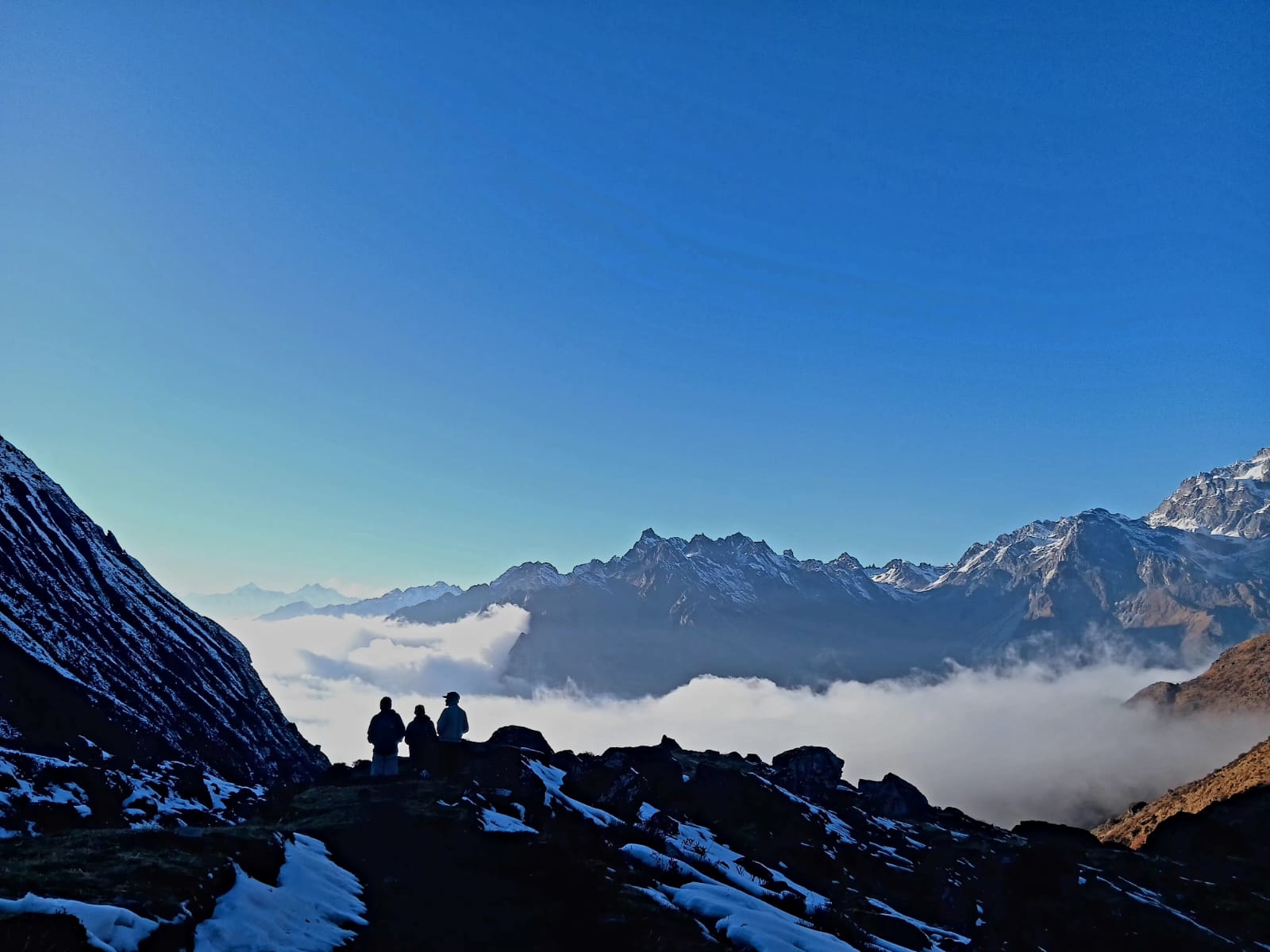
Remote Trekking in Nepal: The Best Off-the-Beaten-Path Treks
Madan NeupaneNovember 26, 20264 min read
Remote trekking in Nepal beyond Everest and Annapurna: why Kanchenjunga leads the list, the other remote treks of eastern Nepal compared, and how to prepare for permits, seasons and days offline.
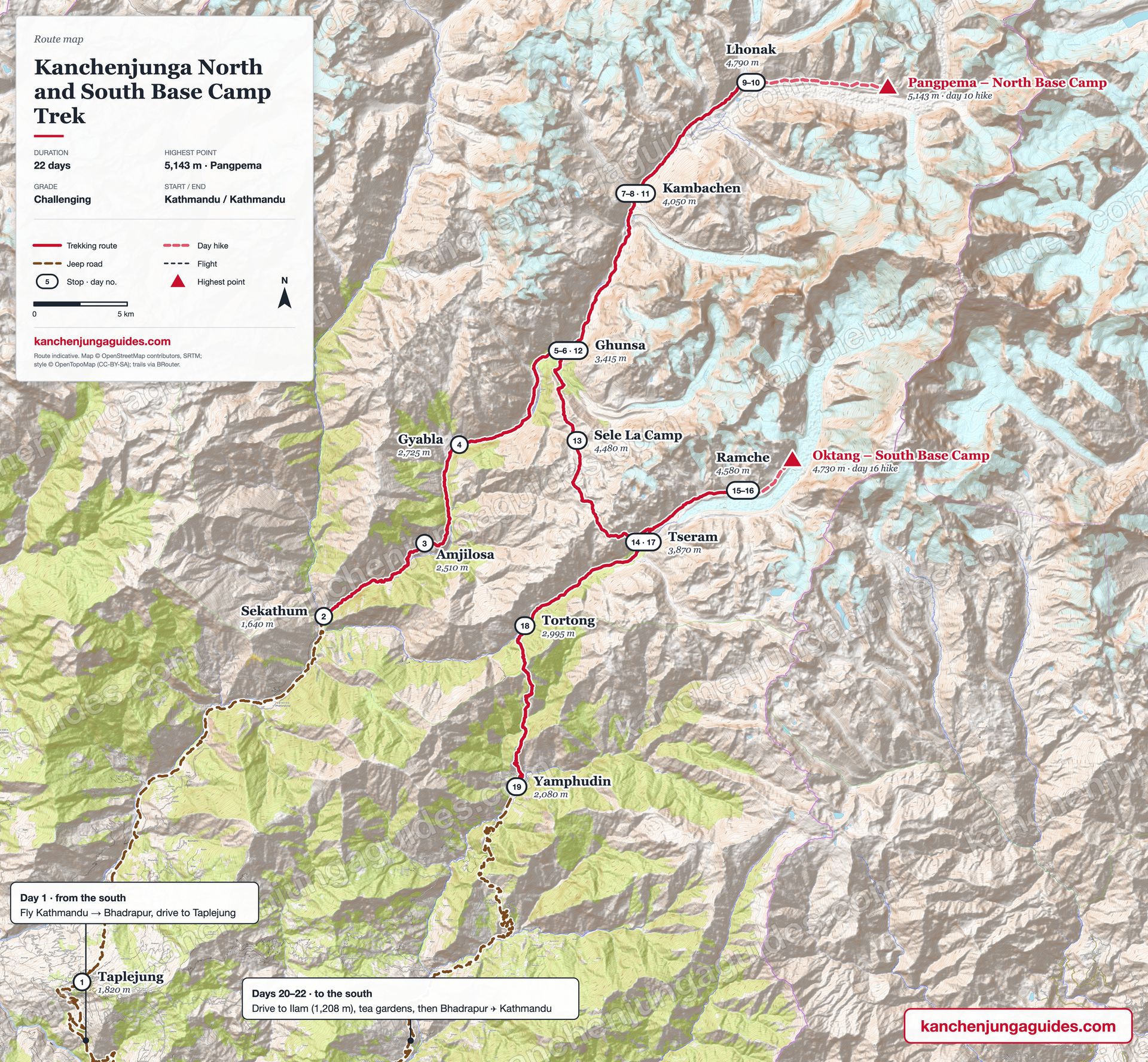
Kanchenjunga Trek Map: Route Maps for Every Itinerary
Madan NeupaneNovember 26, 20263 min read
Kanchenjunga trek maps for the North Base Camp, South Base Camp, full circuit and express routes, with an altitude profile, the trail signs you will meet and tips for navigating offline.
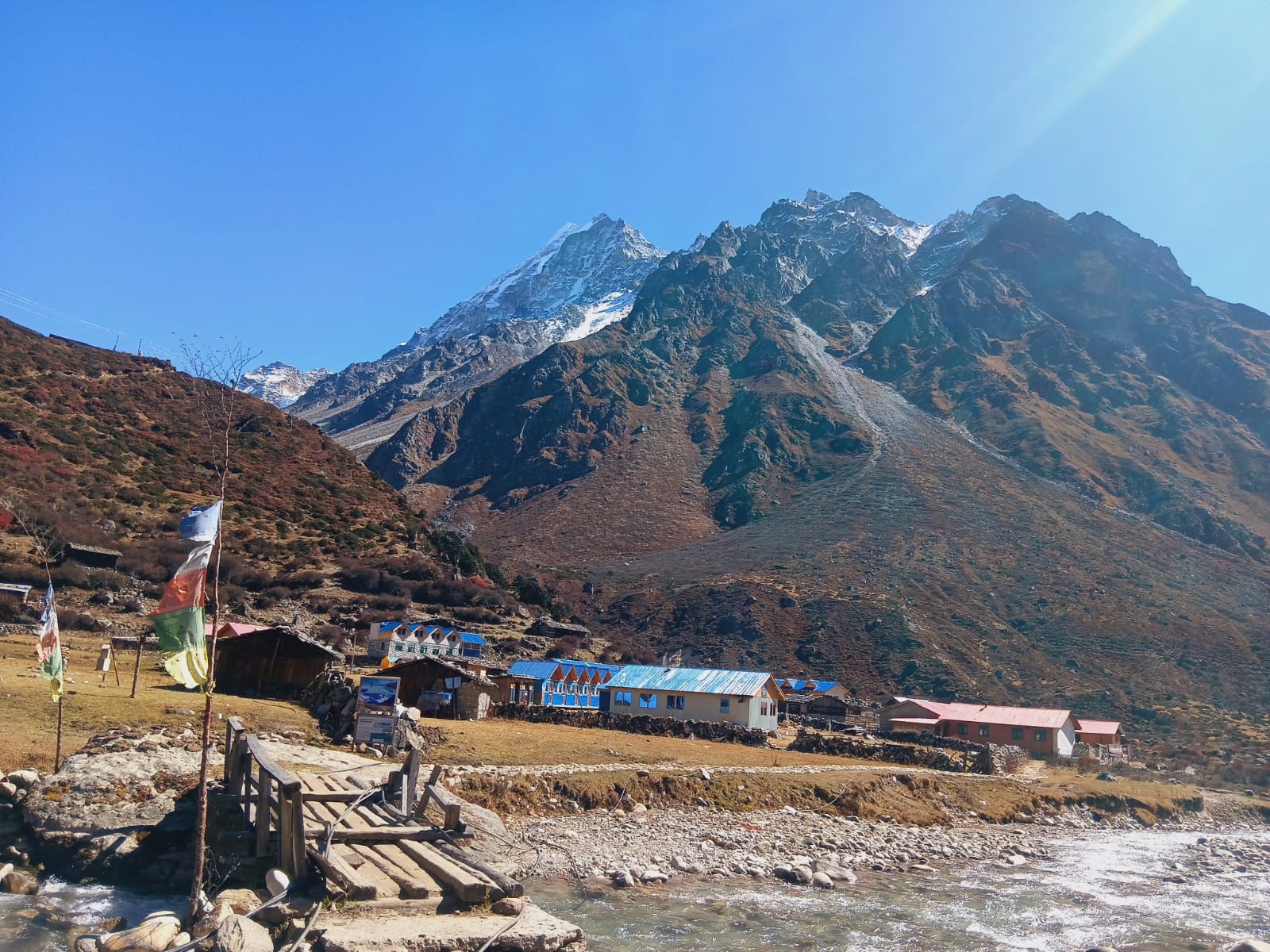
Kanchenjunga Trek Route: Village-by-Village Trail Guide
Madan NeupaneNovember 26, 20265 min read
The Kanchenjunga trek route explained: the northern trail to Pangpema, the southern trail to Oktang, the Sele La crossing that links them, and the altitude and distance of every stop.