Culture & Villages
Musk Deer of the Kanchenjunga Conservation Area
The Himalayan musk deer has no antlers but tusk-like teeth, and is endangered by poaching for its musk. Its habitat around Kanchenjunga, how to recognise it and how to help.

On this page
Deep in the birch, rhododendron and fir forests of the Kanchenjunga region lives a small, shy deer with no antlers but long, tusk-like teeth. The Himalayan musk deer is one of the most threatened animals in the region, hunted for the musk gland that males carry.
Musk Deer at a Glance
- Species: Himalayan or alpine musk deer (Moschus species)
- Status: Endangered (IUCN)
- Size: small, about 50–60 cm at the shoulder
- Special features: no antlers. Males have long upper canine teeth that look like small tusks.
- Habitat: upper temperate and subalpine forest and scrub, roughly 2,500–4,500 m
- Behaviour: solitary, shy and mostly active at dawn, dusk and night
Why Are Musk Deer Threatened?
Male musk deer have a gland that produces musk, a substance highly valued in traditional medicine and perfume. Because of this, they have been heavily poached across the Himalaya, often with wire snares that also kill females and young. Habitat loss and disturbance from grazing add to the pressure.
Hunting musk deer is illegal in Nepal, and the species is protected under national law and international trade rules (CITES).
Musk Deer in the Kanchenjunga Region
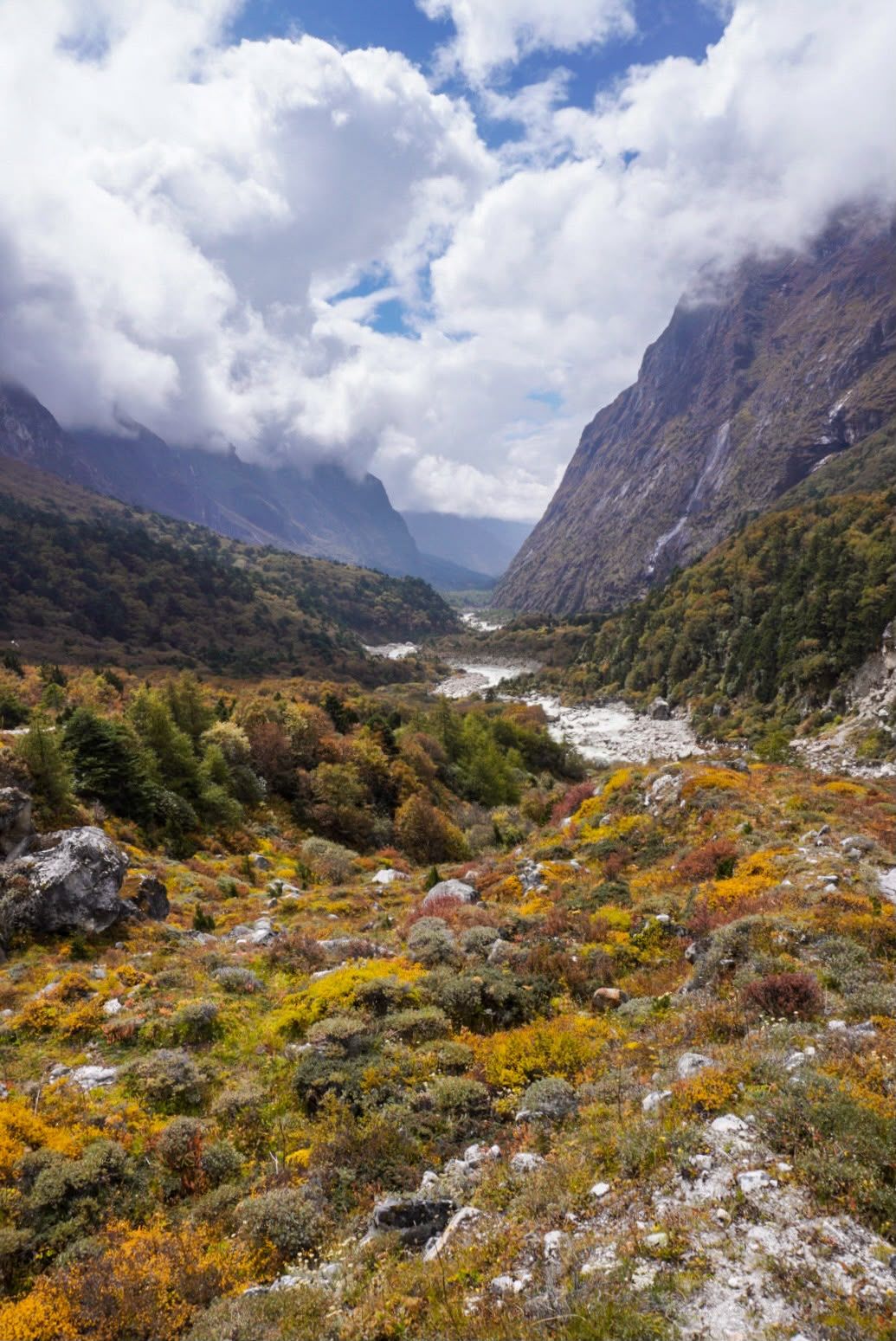
The Kanchenjunga Conservation Area protects large areas of the forest and scrub that musk deer need. They are most likely in the upper forest belt on the north route, between Gyabla, Ghunsa and Kambachen, and in the forests below Tseram on the south route.
Local communities help protect musk deer by patrolling forests, removing snares and reporting poaching.
Can Trekkers See Musk Deer?
Sightings are rare but possible. Musk deer are shy and well camouflaged. Your best chance:
- Walk quietly through upper forest in the early morning or at dusk
- Watch forest edges and clearings above Ghunsa
- Look for tracks and droppings: musk deer use regular latrine sites
- Ask your guide. Local guides sometimes know where musk deer have been seen recently.
How to Recognise a Musk Deer
- Small and stocky, with a hunched back and hind legs longer than its front legs
- A dark grey-brown coat that looks speckled
- Large, rounded ears
- In males, long white canine teeth curving down from the upper jaw
How Trekkers Can Help
- Never buy musk or any product claiming to contain it
- Report any snares or signs of poaching to your guide or conservation-area staff
- Stay on trails and keep noise down in the forest
- Support community-run lodges and local guides, which give communities a reason to protect wildlife
More Kanchenjunga Wildlife
Read about the red panda, blue sheep and snow leopard, or walk through their habitat on our North and South Base Camp Trek.
Quick Facts
The Himalayan musk deer is a small, shy deer of high forest and scrub. It is listed as Endangered by the IUCN, mainly because of hunting for the musk pod. Strict enforcement of anti-poaching law is a key conservation priority. Males have no antlers but have long upper canines.
Frequently Asked Questions
Is it legal to buy musk?
No. Trade in musk is restricted and driving the species toward extinction. Do not buy any musk product.
Will I see a musk deer on the trek?
Very unlikely. They are secretive and mostly active at dawn and dusk. Report any poaching signs to your guide.
See these animals in their own habitat on our Kanchenjunga Circuit trek, where guides know the quiet side valleys and the best hours for watching.
Plan with local guides
Ready to walk the Kanchenjunga trail?
Tell us your dates and pace. We’ll sort permits, guides and a route that fits — straight from the people who live here.
Keep reading
Other Blogs
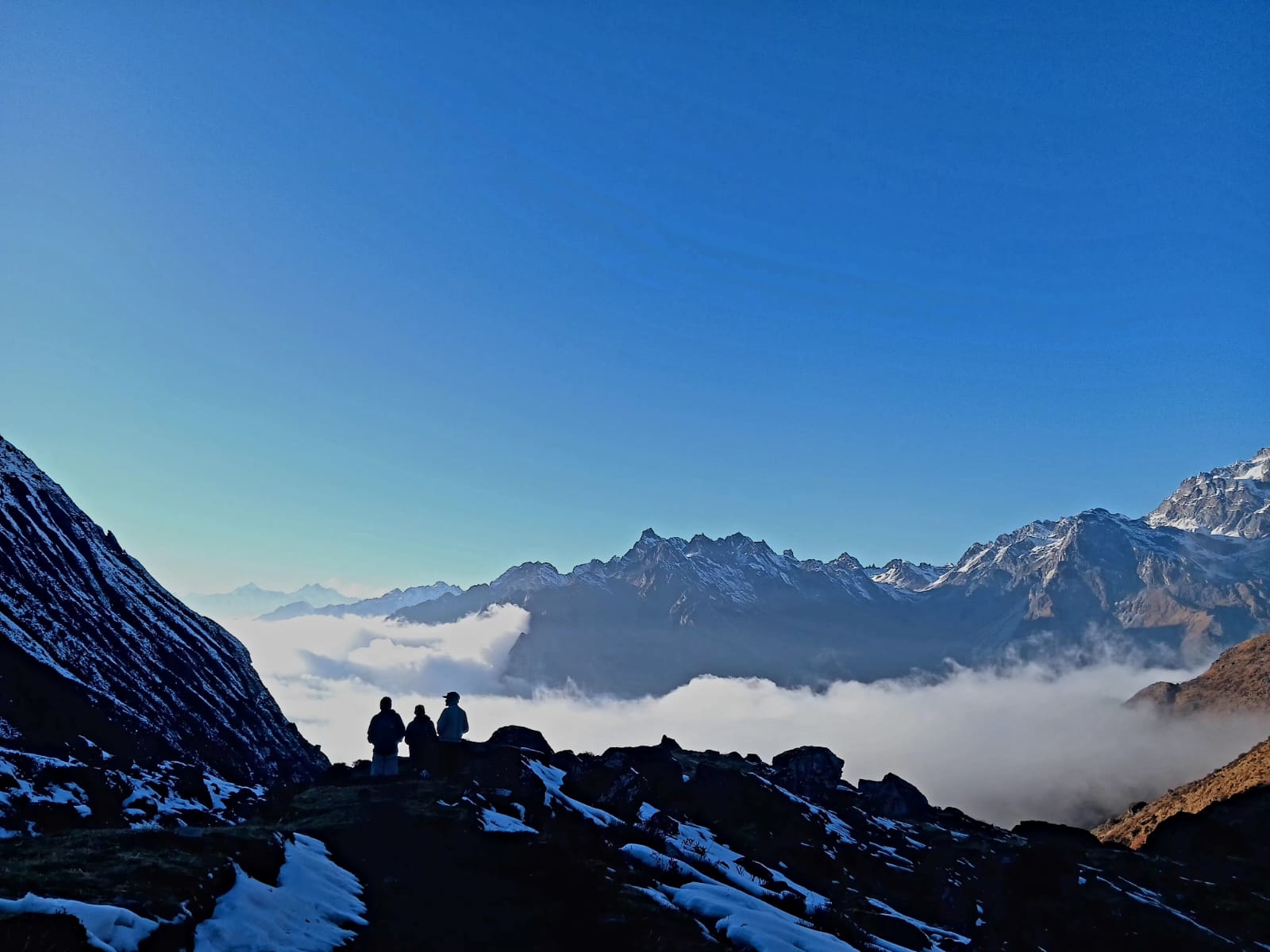
Remote Trekking in Nepal: The Best Off-the-Beaten-Path Treks
Madan NeupaneNovember 26, 20264 min read
Remote trekking in Nepal beyond Everest and Annapurna: why Kanchenjunga leads the list, the other remote treks of eastern Nepal compared, and how to prepare for permits, seasons and days offline.
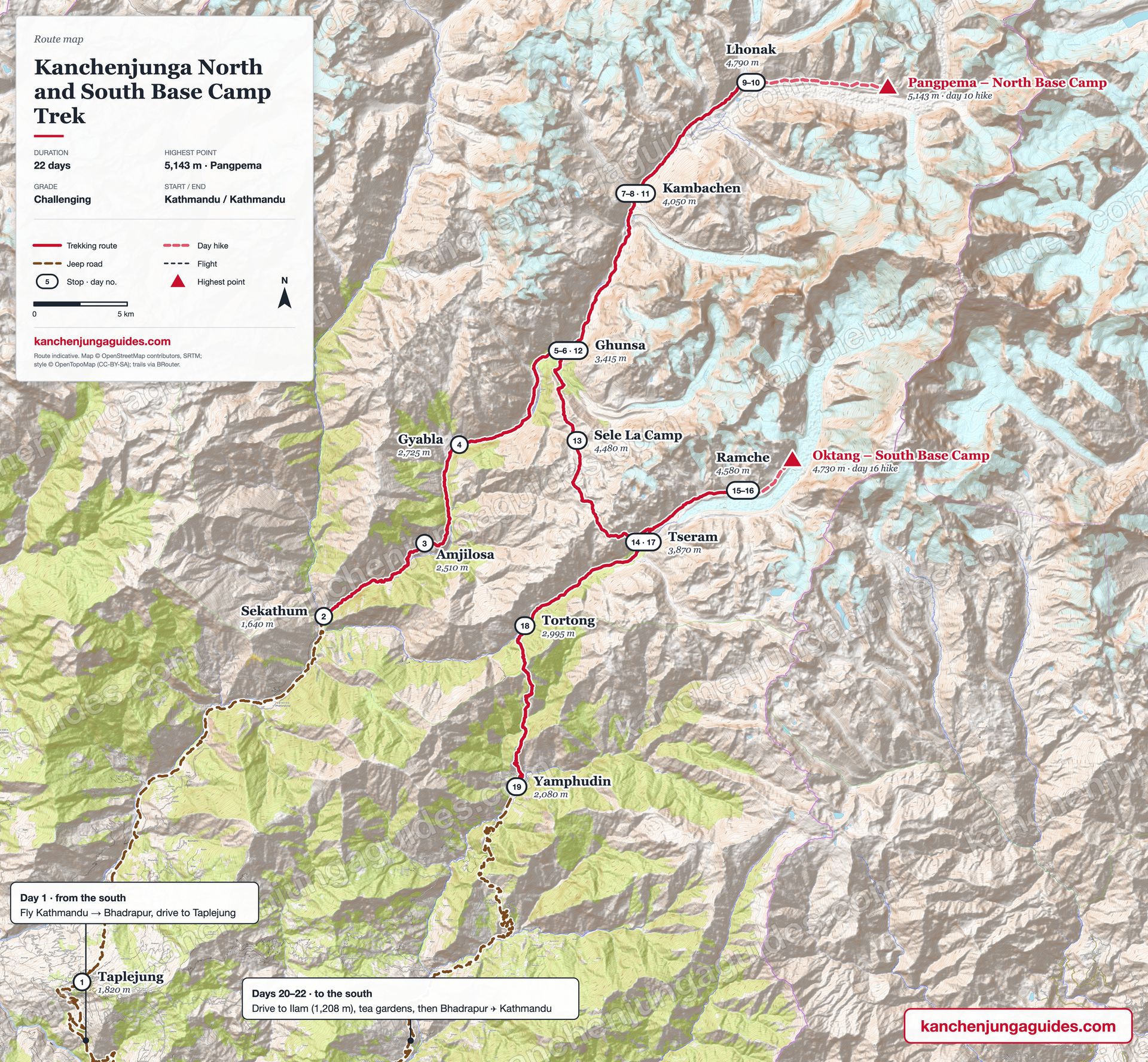
Kanchenjunga Trek Map: Route Maps for Every Itinerary
Madan NeupaneNovember 26, 20263 min read
Kanchenjunga trek maps for the North Base Camp, South Base Camp, full circuit and express routes, with an altitude profile, the trail signs you will meet and tips for navigating offline.
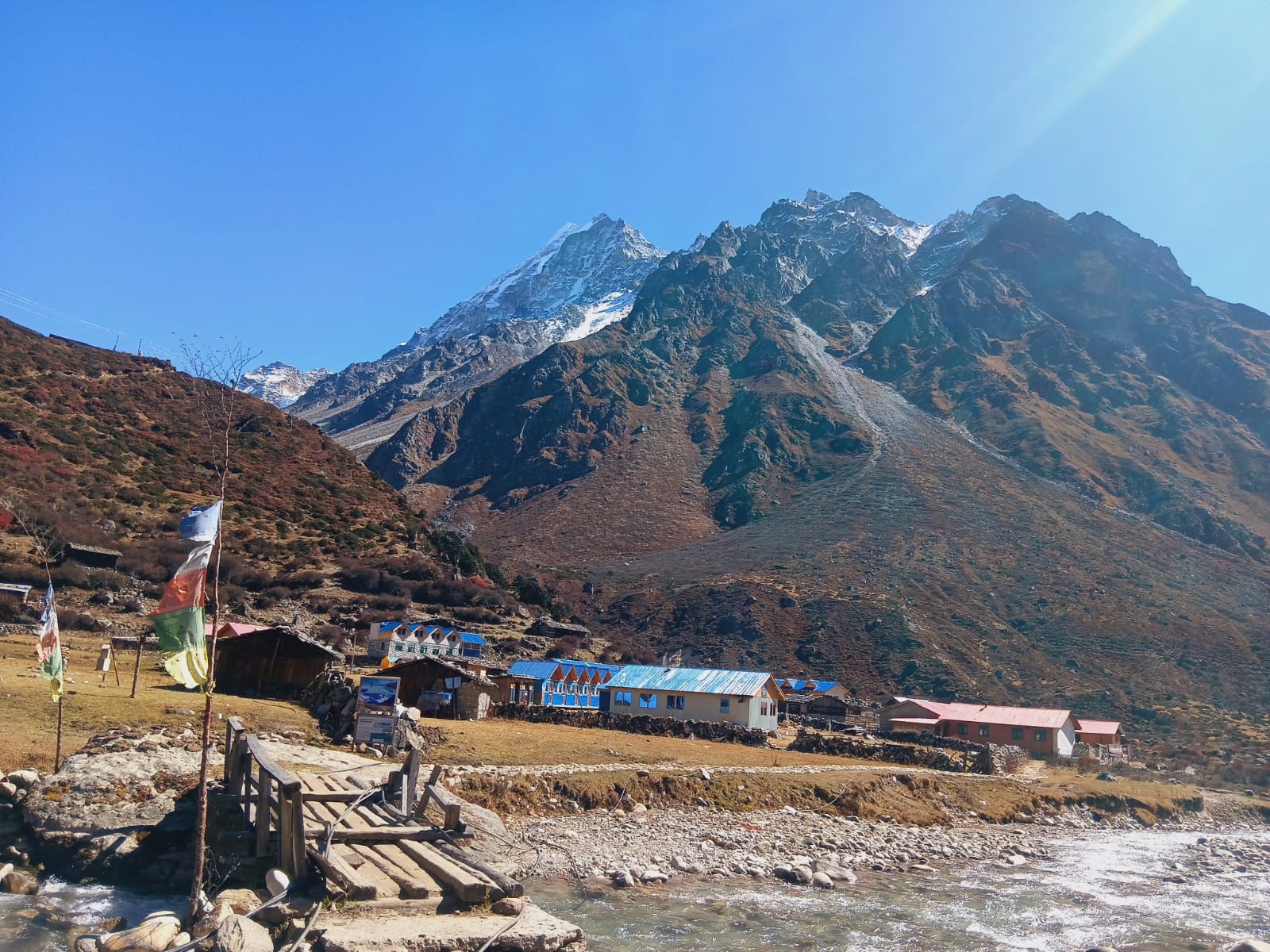
Kanchenjunga Trek Route: Village-by-Village Trail Guide
Madan NeupaneNovember 26, 20265 min read
The Kanchenjunga trek route explained: the northern trail to Pangpema, the southern trail to Oktang, the Sele La crossing that links them, and the altitude and distance of every stop.