Culture & Villages
The Role of Yak and Dzopkyo in Mountain Life
Not every shaggy pack animal is a yak. Meet the yak, the dzopkyo and the mule, learn why herds matter so much in high Kanchenjunga villages, and the trail rules for passing them safely.

On this page
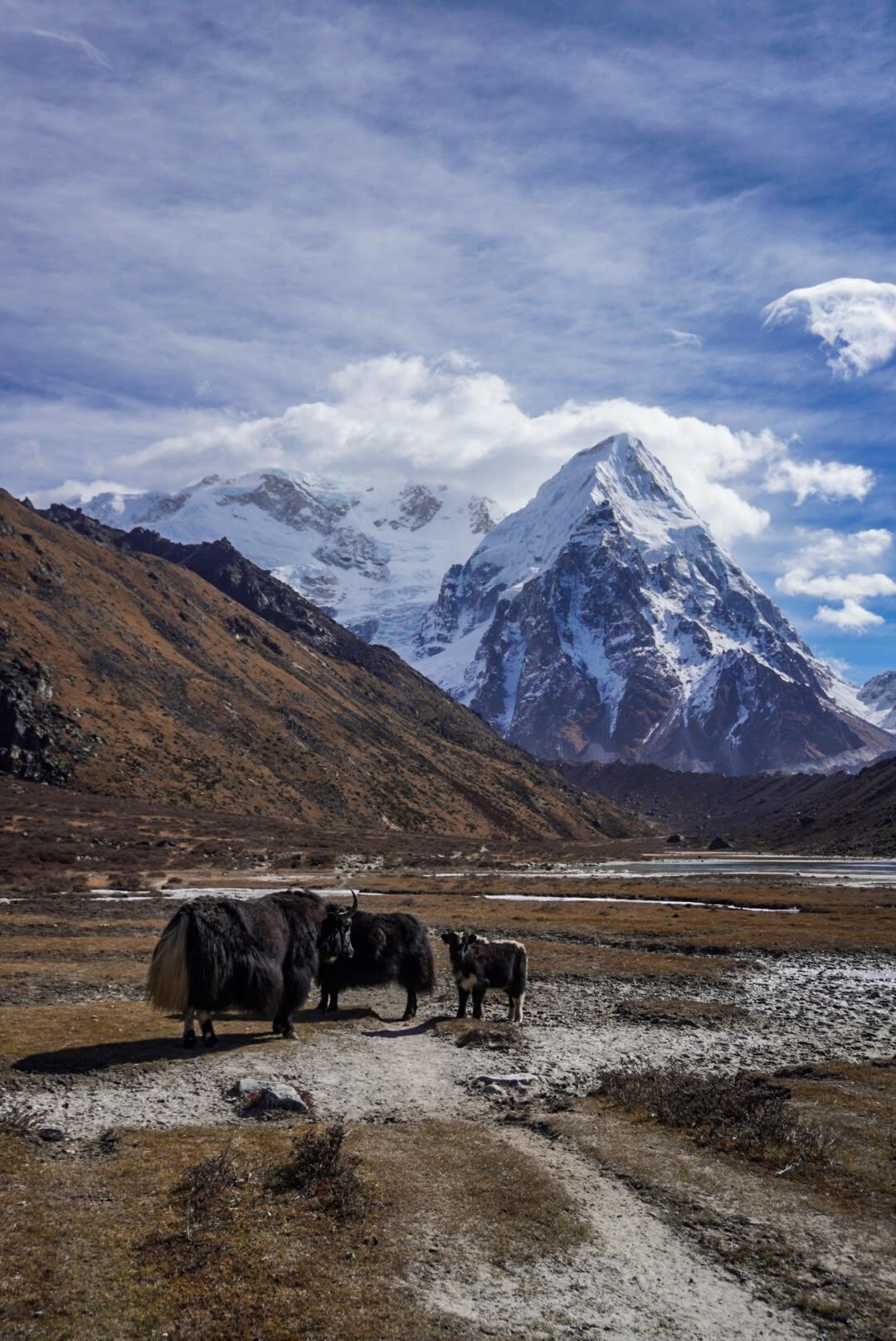
Somewhere above the treeline you'll hear bells, and a line of shaggy animals will plod around the corner, swaying under heavy loads. Trekkers call them all "yaks". Local herders will smile and tell you that half of them aren't. Let's meet the herd.
Meet the Yak
Who: the big, black or brown, long-haired one with a bushy tail
Lives: high up, usually above about 3,000 m. Yaks cope with cold and thin air, but struggle in the heat of lower valleys.
Good at: carrying loads over high passes, surviving freezing nights outside, finding grass under snow
Fun fact: strictly speaking, "yak" is the male. Herders call the female a nak, so "yak cheese" is really nak cheese.
Meet the Dzopkyo
Who: a cross between a yak and a lowland cow. Often a little smaller, with shorter hair and a calmer temper.
Lives: in the middle altitudes, where it's too warm for yaks and too high and cold for cows
Good at: carrying loads and ploughing fields. The males are sterile, so they're kept for work.
Also known as: dzo or zopkyo, and the female is a dzomo, prized for her rich milk
Meet the Mule
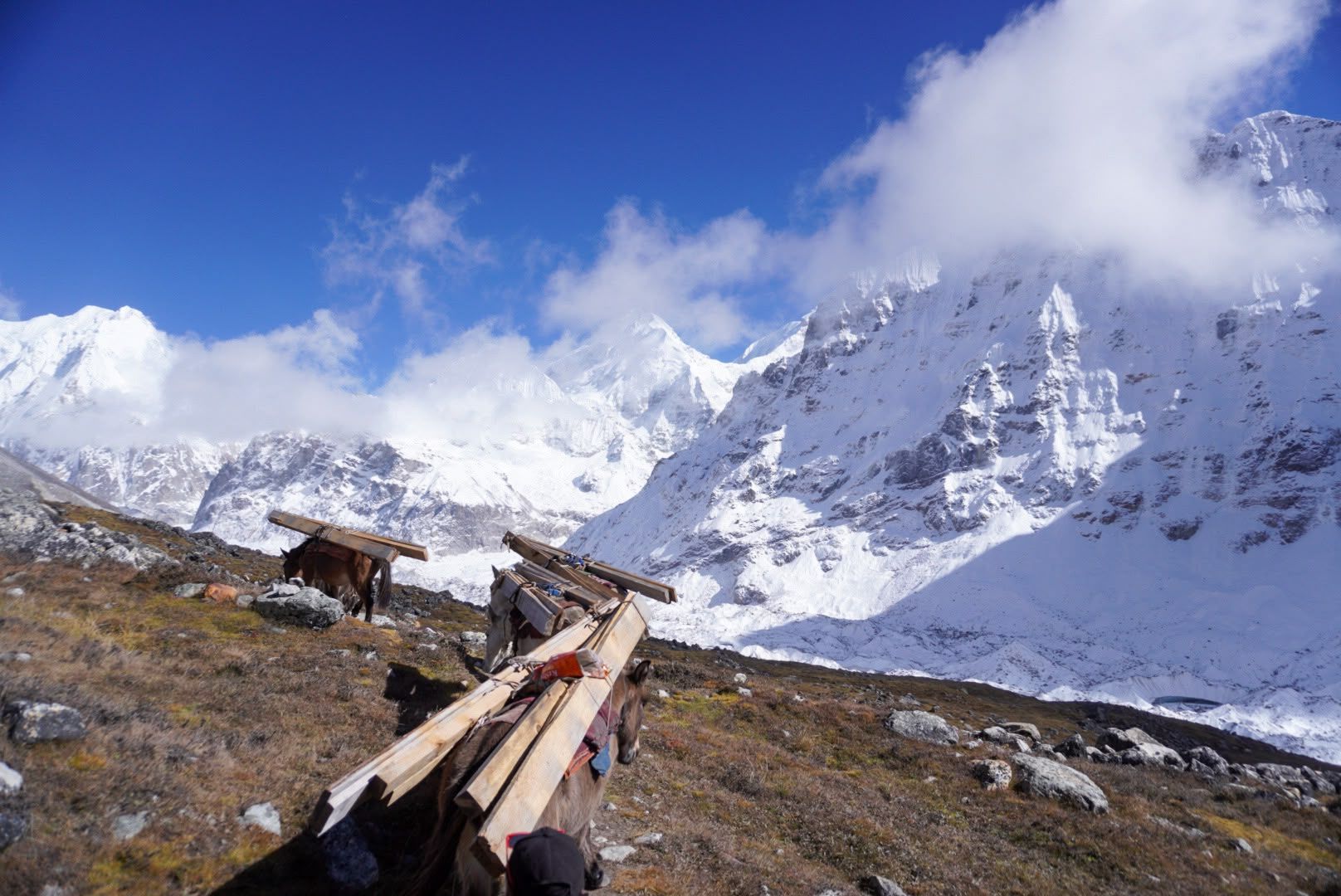
Not part of the yak family at all, but you'll meet far more of them on the lower and middle trail. Mule trains carry rice, gas, beer and building materials up to the villages and teahouses.
Why the Herd Matters
In the high villages of the Kanchenjunga region, these animals are much more than transport:
- Milk and butter: for butter tea, cooking, and butter lamps in monasteries
- Cheese: including chhurpi, a rock-hard dried cheese chewed for hours like gum
- Wool and hair: woven into blankets, ropes, bags and tent cloth
- Dung: dried and burned as fuel in places where there is no firewood
- Wealth: a family's herd is its savings, and some animals are sold or traded
In summer, herders take their animals up to high pastures called kharka for the fresh grass, and bring them down again as winter comes. On the upper trail you'll pass stone huts and walled pastures used only in those months.
Trail Rules Around Pack Animals
- Always step to the uphill side of the trail when animals pass, never the cliff side. A loaded animal can easily knock you off.
- Wait well back on narrow sections and bridges until the whole train has passed
- Don't walk behind them closely, and don't touch the loads
- Keep away from horns, especially if a calf is nearby
- Ask the herder before taking close-up photos
A Taste of the Herd
In teahouses you may be offered yak or nak cheese, butter tea and dried chhurpi. Try them. Buying local dairy products puts money straight into herding families' hands. Read more about Kanchenjunga trek food.
Learn More
Meet the wild animals of the high pastures too: blue sheep, Himalayan tahr and the elusive snow leopard.
Frequently Asked Questions
What is a dzopkyo?
A dzopkyo is a hybrid of a yak and ordinary cattle, widely used in the Himalaya for carrying loads at middle altitudes because it copes with heat better than a yak.
Should I stay clear of yaks on the trail?
Yes. Step to the uphill side, give pack animals room and never stand on the outer edge of a narrow path.
Ready to see it yourself? Explore our Kanchenjunga Base Camp Trek with local guides.
Plan with local guides
Ready to walk the Kanchenjunga trail?
Tell us your dates and pace. We’ll sort permits, guides and a route that fits — straight from the people who live here.
Keep reading
Other Blogs
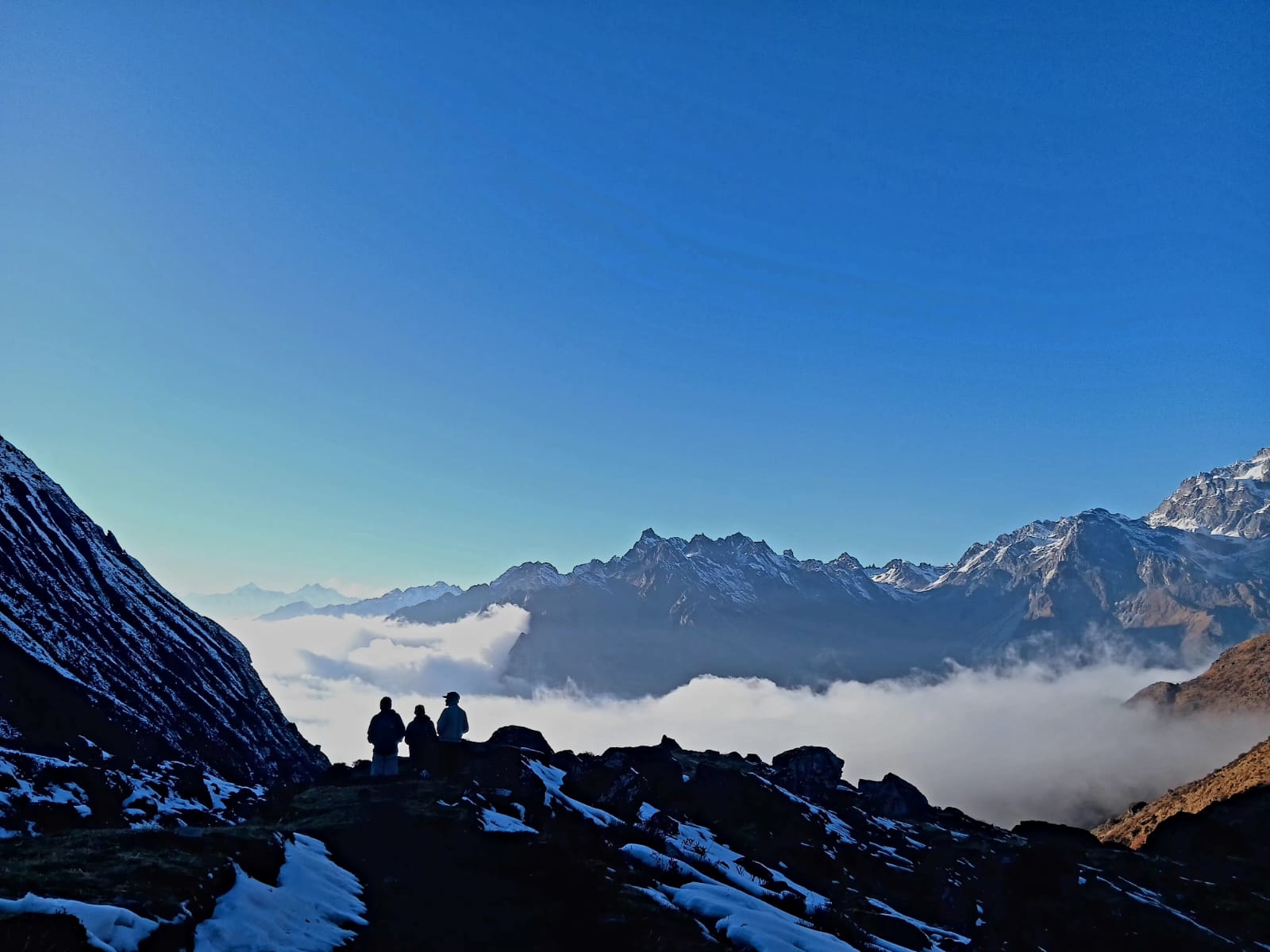
Remote Trekking in Nepal: The Best Off-the-Beaten-Path Treks
Madan NeupaneNovember 26, 20264 min read
Remote trekking in Nepal beyond Everest and Annapurna: why Kanchenjunga leads the list, the other remote treks of eastern Nepal compared, and how to prepare for permits, seasons and days offline.
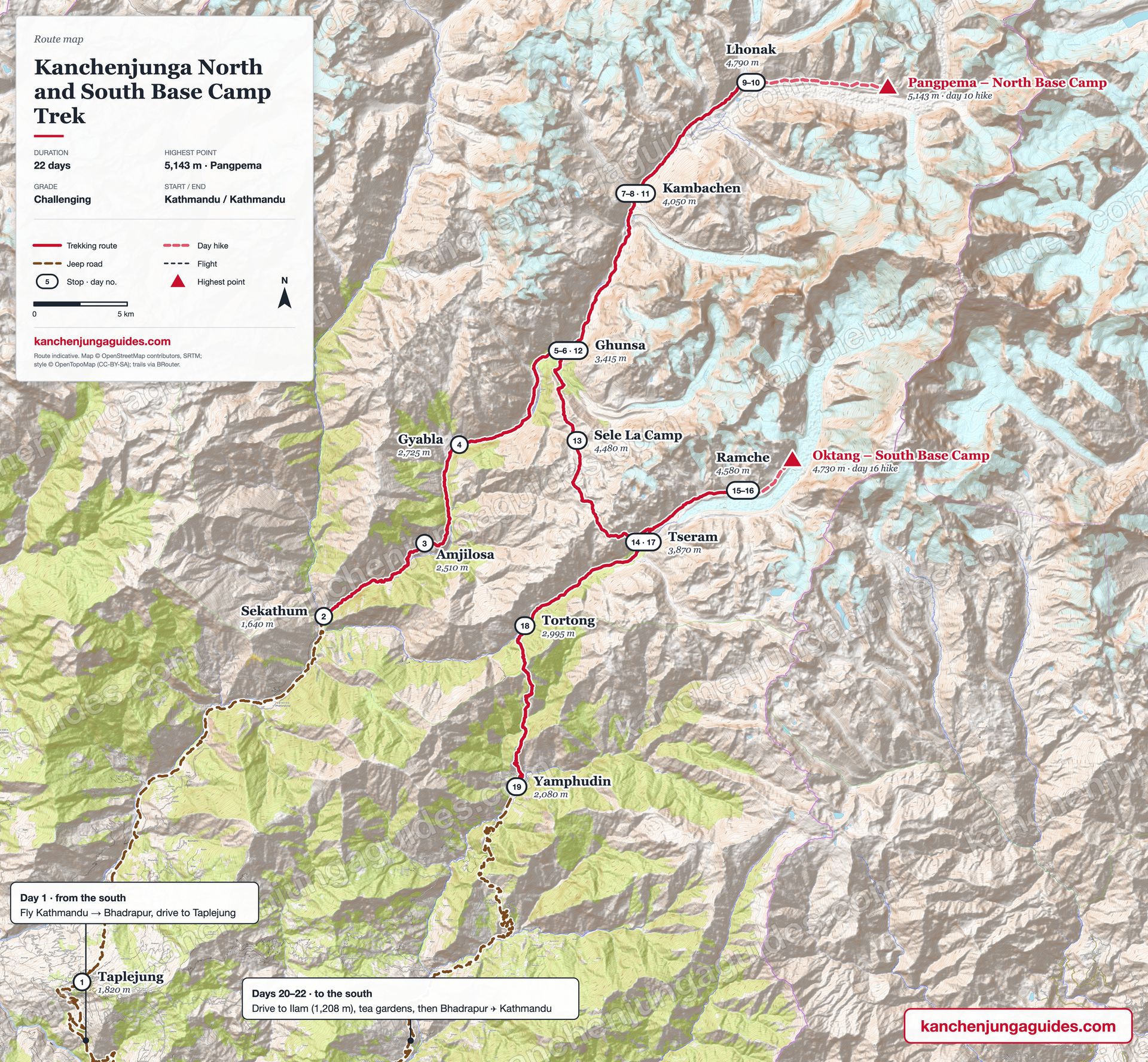
Kanchenjunga Trek Map: Route Maps for Every Itinerary
Madan NeupaneNovember 26, 20263 min read
Kanchenjunga trek maps for the North Base Camp, South Base Camp, full circuit and express routes, with an altitude profile, the trail signs you will meet and tips for navigating offline.
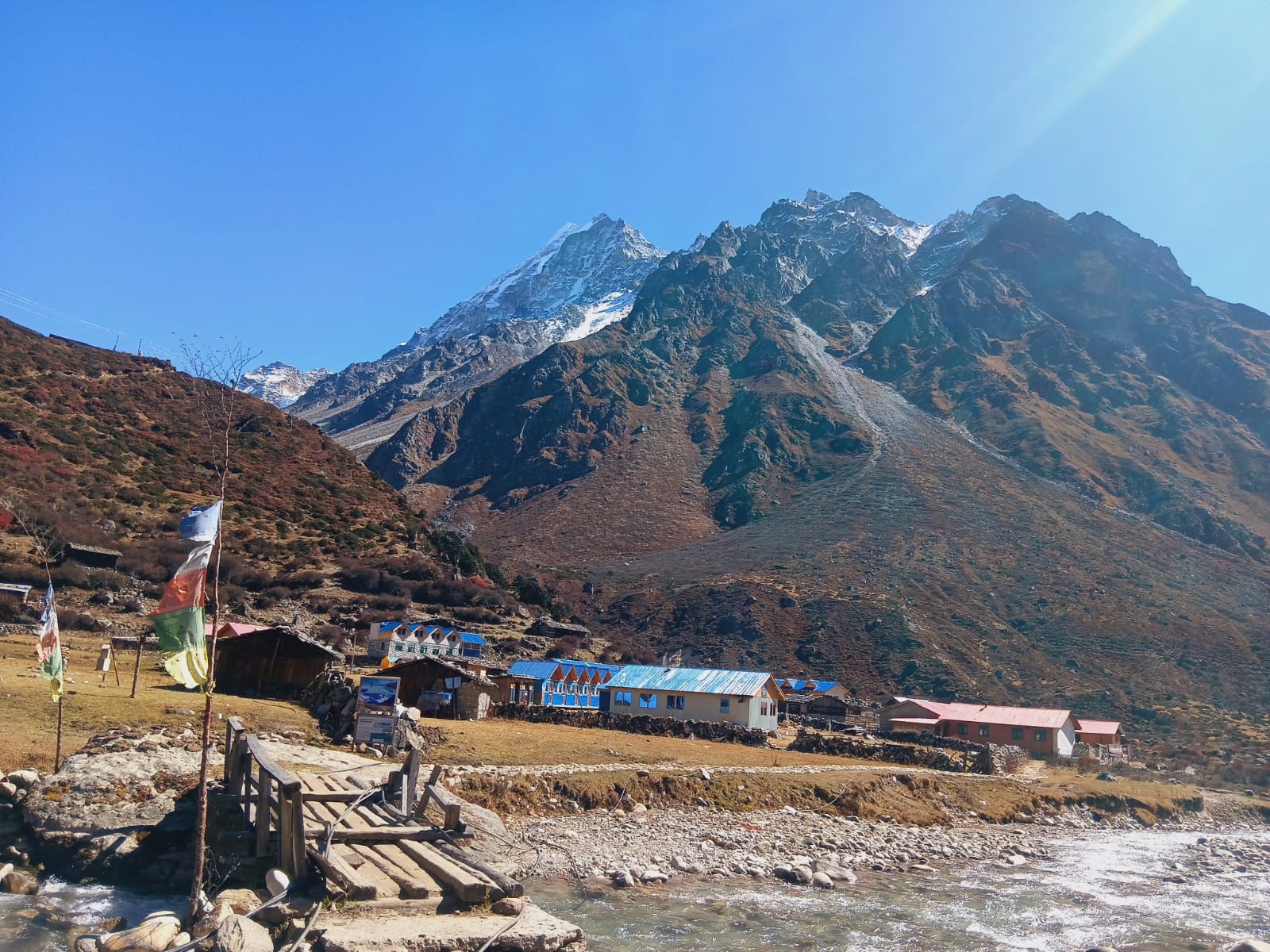
Kanchenjunga Trek Route: Village-by-Village Trail Guide
Madan NeupaneNovember 26, 20265 min read
The Kanchenjunga trek route explained: the northern trail to Pangpema, the southern trail to Oktang, the Sele La crossing that links them, and the altitude and distance of every stop.