Culture & Villages
Himalayan Tahr: Wildlife of the Kanchenjunga Slopes
The Himalayan tahr is a shaggy wild goat of the steep Kanchenjunga cliffs. How to recognise it, how it differs from blue sheep, where to see it on the trek, and its behaviour.

On this page
On the steep, forested cliffs of the Ghunsa valley, a shaggy animal with a flowing reddish mane perches on a ledge that looks impossible to reach. That is the Himalayan tahr, a wild goat built for the steepest slopes in the mountains.
Himalayan Tahr at a Glance
- Scientific name: Hemitragus jemlahicus
- Nepali name: jhaaral
- Status: Near Threatened (IUCN)
- Recognise it by: males have a thick, shaggy reddish-brown mane and short curved horns. Females are smaller and lighter.
- Habitat: steep cliffs, rocky slopes and forest edges, roughly 2,500–5,000 m
- Diet: grasses, herbs, shrubs and leaves
Tahr vs Blue Sheep: How to Tell Them Apart
- Tahr: shaggy coat with a long mane on males, reddish-brown colour, and found on steep cliffs and forested slopes, usually at slightly lower altitude
- Blue sheep: short, sleek slate-grey coat with black markings, and found on open grassy slopes and cliffs higher up, around Lhonak and Pangpema
If it has a mane and stands on a forested cliff, it is probably a tahr. If it is sleek and grey on open slopes, it is a blue sheep. Read more about blue sheep.
Where to See Tahr on the Kanchenjunga Trek
- The Ghunsa valley: steep cliffs above the trail between Gyabla and Ghunsa
- Between Ghunsa and Kambachen: rocky slopes and cliffs above the river
- The south route: steep slopes around Tseram and the upper Simbuwa valley
Behaviour
- They live in herds, and males often stay separate outside the breeding season
- They are incredible climbers, moving across near-vertical rock with ease
- They feed in the early morning and late afternoon, resting on ledges at midday
- In early winter, males fight for females during the rut, showing off their manes
Predators
Snow leopards and common leopards hunt tahr, and eagles may take young kids. Healthy tahr populations are an important part of the mountain food chain. Read about the snow leopard.
Watching Tahr Responsibly
- Use binoculars or a zoom lens, and do not try to get closer
- Stay on the trail. Climbing below cliffs risks rockfall.
- Never throw stones or make loud noises to make animals move
- Keep quiet, so you see more wildlife
Best Time to See Them
Early morning and late afternoon in autumn and spring. In winter, herds move lower and can be easier to spot.
More Kanchenjunga Wildlife
Read about the musk deer, Himalayan black bear and red panda, or explore their habitat on our North Base Camp Trek.
Quick Facts
The Himalayan tahr is a large wild goat-like animal of the Himalaya, found in Nepal, northern India, western Bhutan and southern Tibet. The IUCN lists it as Near Threatened because hunting and habitat loss are reducing the population. Males are larger than females and have horns that curve backwards, which protects them from injury when they headbutt each other in the mating season.
Frequently Asked Questions
Where do I look for tahr?
Scan steep, rocky and grassy slopes above the forest, early and late in the day, using binoculars.
Are tahr dangerous?
No. They are wary and keep their distance. Never approach or corner any wild animal.
See these animals in their own habitat on our Kanchenjunga Circuit trek, where guides know the quiet side valleys and the best hours for watching.
Plan with local guides
Ready to walk the Kanchenjunga trail?
Tell us your dates and pace. We’ll sort permits, guides and a route that fits — straight from the people who live here.
Keep reading
Other Blogs
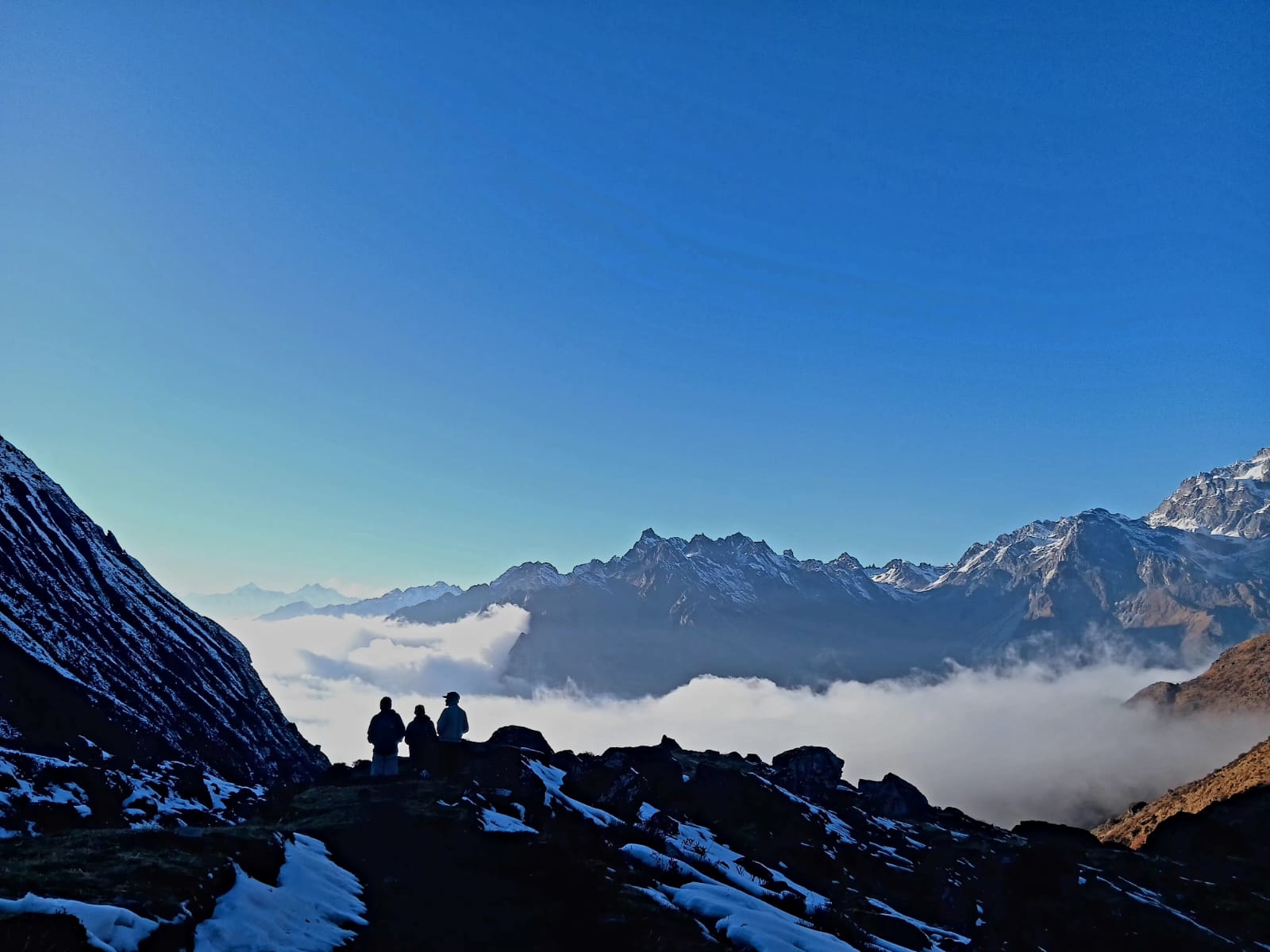
Remote Trekking in Nepal: The Best Off-the-Beaten-Path Treks
Madan NeupaneNovember 26, 20264 min read
Remote trekking in Nepal beyond Everest and Annapurna: why Kanchenjunga leads the list, the other remote treks of eastern Nepal compared, and how to prepare for permits, seasons and days offline.
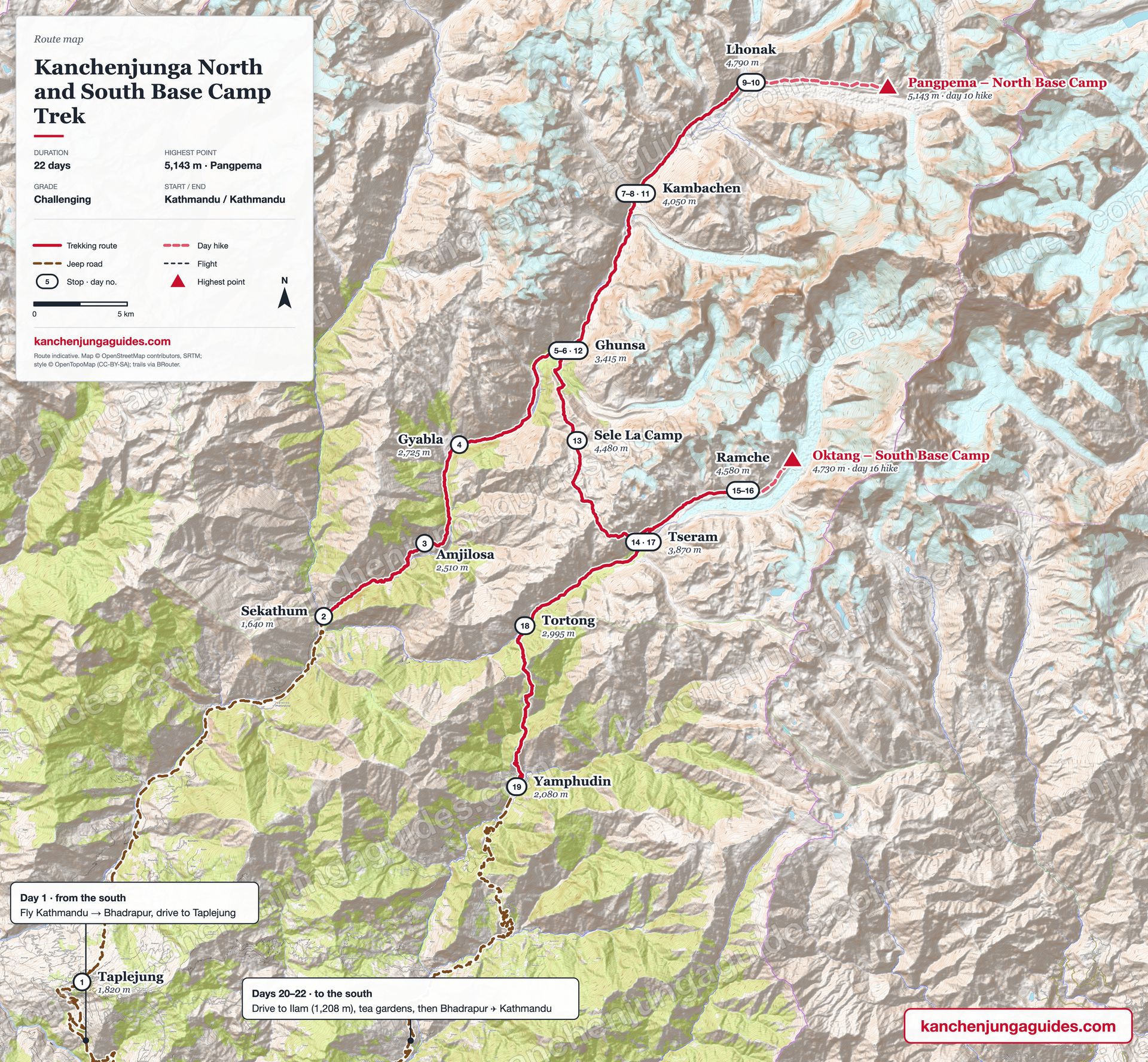
Kanchenjunga Trek Map: Route Maps for Every Itinerary
Madan NeupaneNovember 26, 20263 min read
Kanchenjunga trek maps for the North Base Camp, South Base Camp, full circuit and express routes, with an altitude profile, the trail signs you will meet and tips for navigating offline.
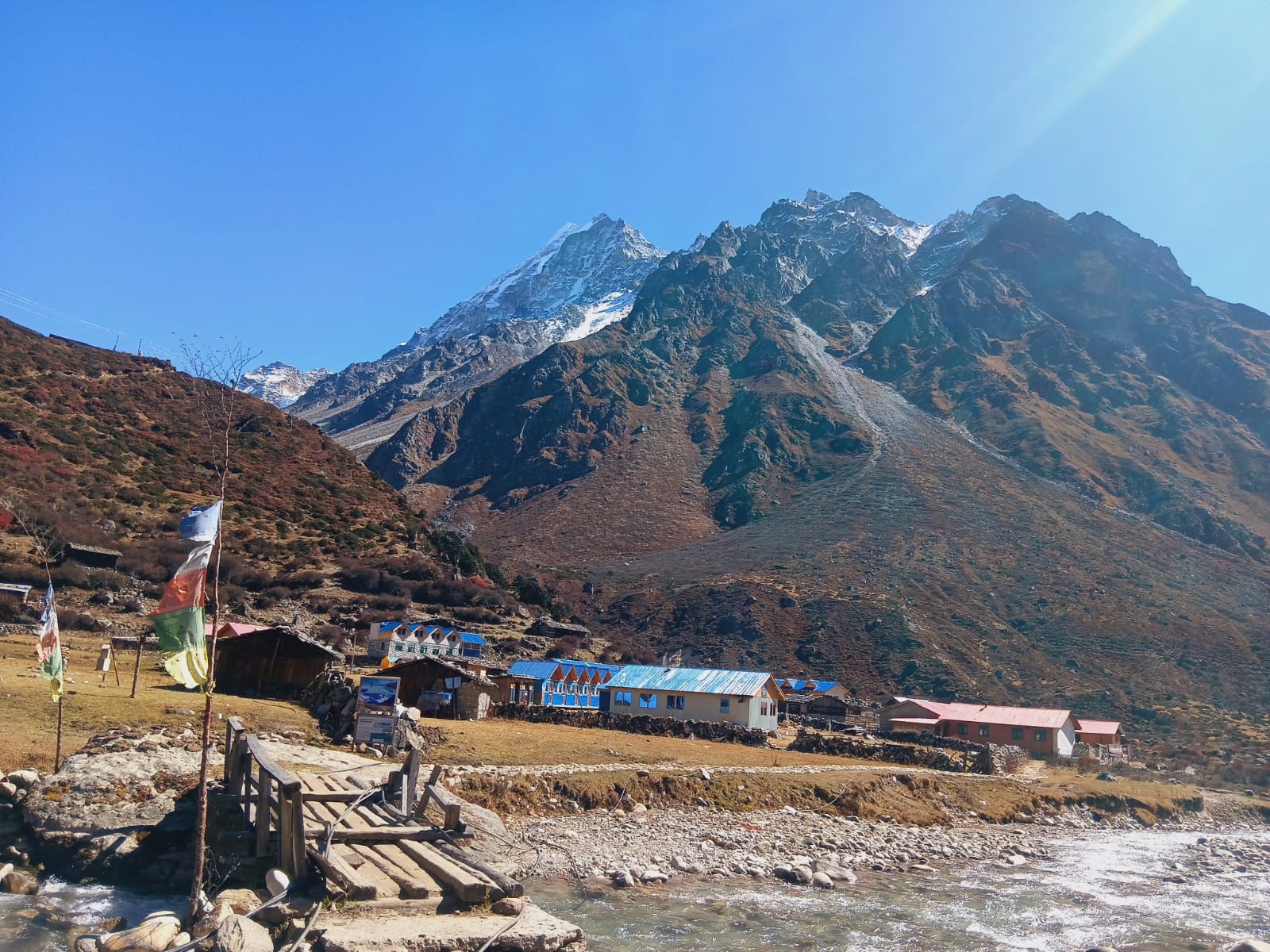
Kanchenjunga Trek Route: Village-by-Village Trail Guide
Madan NeupaneNovember 26, 20265 min read
The Kanchenjunga trek route explained: the northern trail to Pangpema, the southern trail to Oktang, the Sele La crossing that links them, and the altitude and distance of every stop.