Culture & Villages
Himalayan Black Bears in the Kanchenjunga Forests
Himalayan black bears live in the forests of the lower Kanchenjunga trail. How to recognise one, where they live, signs to look for, bear safety for trekkers and conservation.

On this page
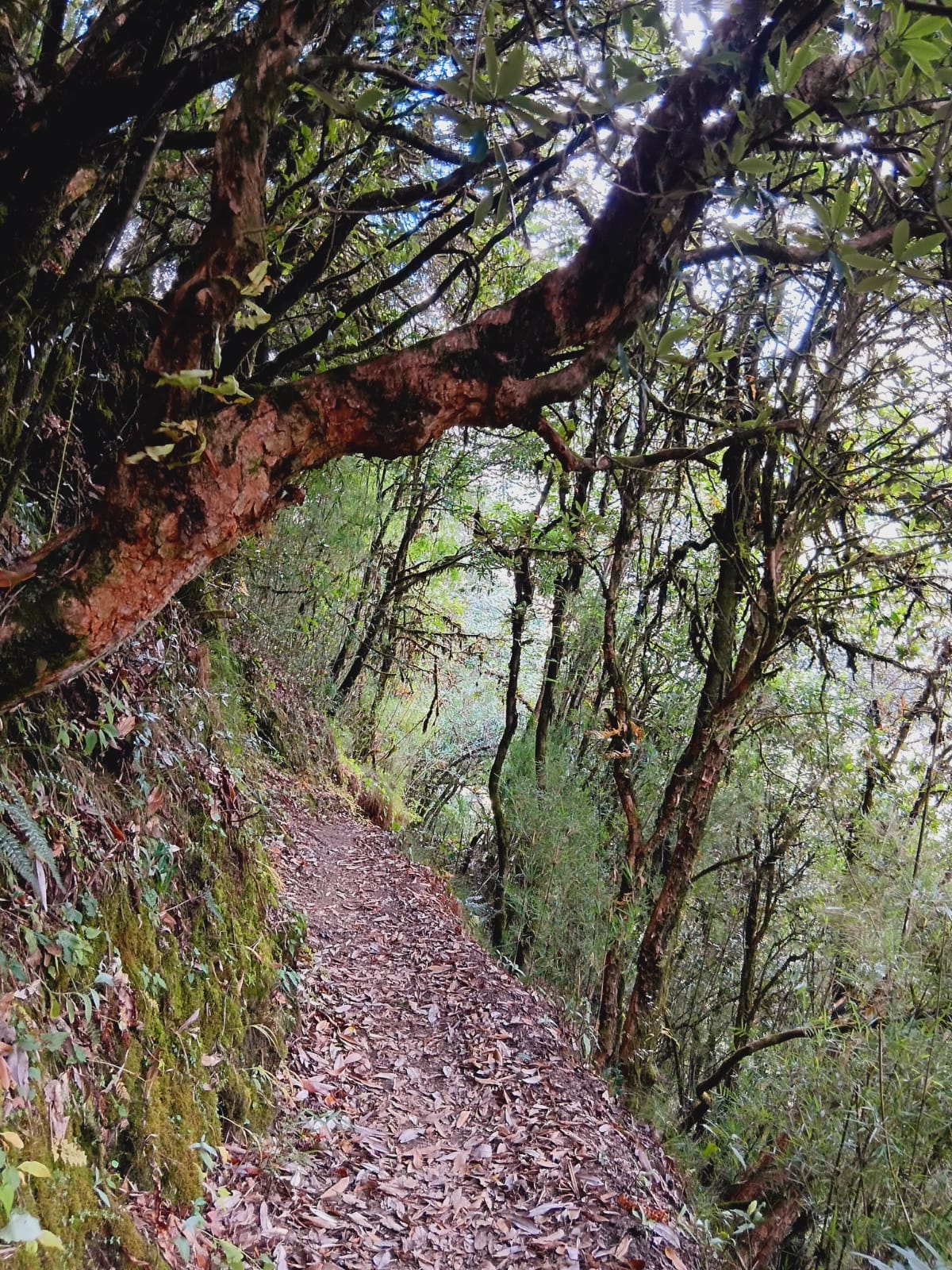
The dense oak, rhododendron and bamboo forests of the lower and middle Kanchenjunga trail are home to the Himalayan black bear. Encounters with trekkers are rare, because bears are shy and usually avoid people, but knowing a little about them makes the forest walk more interesting and keeps everyone safe.
Himalayan Black Bear at a Glance
- Species: Asiatic black bear, Himalayan subspecies (Ursus thibetanus laniger)
- Status: Vulnerable (IUCN)
- Recognise it by: a black coat with a pale V- or crescent-shaped patch on the chest, and large rounded ears
- Size: adults are typically 1.2–1.8 m long
- Habitat: broadleaf and mixed forests, roughly 1,500–3,800 m
- Diet: omnivorous, eating acorns, fruit, nuts, bamboo shoots, insects, honey and sometimes crops or livestock
Where Do Bears Live Around Kanchenjunga?
Black bears live in the forest belt the trail passes through:
- North route: the forested gorge and slopes between Sekathum, Amjilosa and Gyabla
- South route: the rhododendron and bamboo forests around Yamphudin and Tortong
In autumn, bears feed heavily on acorns and fruit before winter. Some may come near fields at the forest edge, where maize and other crops attract them.
Will You See a Bear?
Probably not. Most trekkers never see a black bear, though you may notice signs. Look for:
- Claw marks on tree trunks
- Broken branches high in oak trees, where bears build feeding platforms
- Droppings full of seeds or acorn shells on the trail
Bears and Local Farmers
Black bears sometimes damage maize fields, beehives and occasionally livestock, which can lead to conflict with villagers. Community conservation programmes in the area work on reducing these conflicts and supporting farmers.
Bear Safety on the Trail
Attacks on trekkers are very rare, but follow these simple rules:
- Walk with your guide and group, and do not wander off alone into thick forest.
- Talk normally as you walk in dense forest, so a bear hears you coming.
- Never leave food or rubbish on the trail or near camps.
- If you see a bear at a distance, stop, stay calm and let it move away.
- If a bear is close, do not run. Back away slowly, speak calmly and make yourself look larger. Your guide will lead the response.
- Never approach a bear, and stay well away from a mother with cubs.
Conservation
Black bears are threatened by habitat loss, conflict with farmers and illegal hunting for bear parts. Never buy products claiming to contain bear bile or other bear parts. The community-managed Kanchenjunga Conservation Area helps protect their forest habitat.
More Kanchenjunga Wildlife
Read about the red panda, musk deer, blue sheep and snow leopard, or walk through their habitat on our North and South Base Camp Trek.
Quick Facts
The Asian black bear of the Himalaya is a medium-sized bear with a dark coat and a pale chest patch. It lives in forest and shrub and usually avoids people. Bears become a danger mainly when surprised or when food is left out.
Frequently Asked Questions
What should I do if I meet a bear?
Stay calm, do not run, back away slowly and let it see and hear you. Never feed or approach it.
Is it safe to trek in bear country?
Yes. Walk in a group, make noise in dense forest, and store food properly at camp and in teahouses.
See these animals in their own habitat on our Kanchenjunga Circuit trek, where guides know the quiet side valleys and the best hours for watching.
Plan with local guides
Ready to walk the Kanchenjunga trail?
Tell us your dates and pace. We’ll sort permits, guides and a route that fits — straight from the people who live here.
Keep reading
Other Blogs
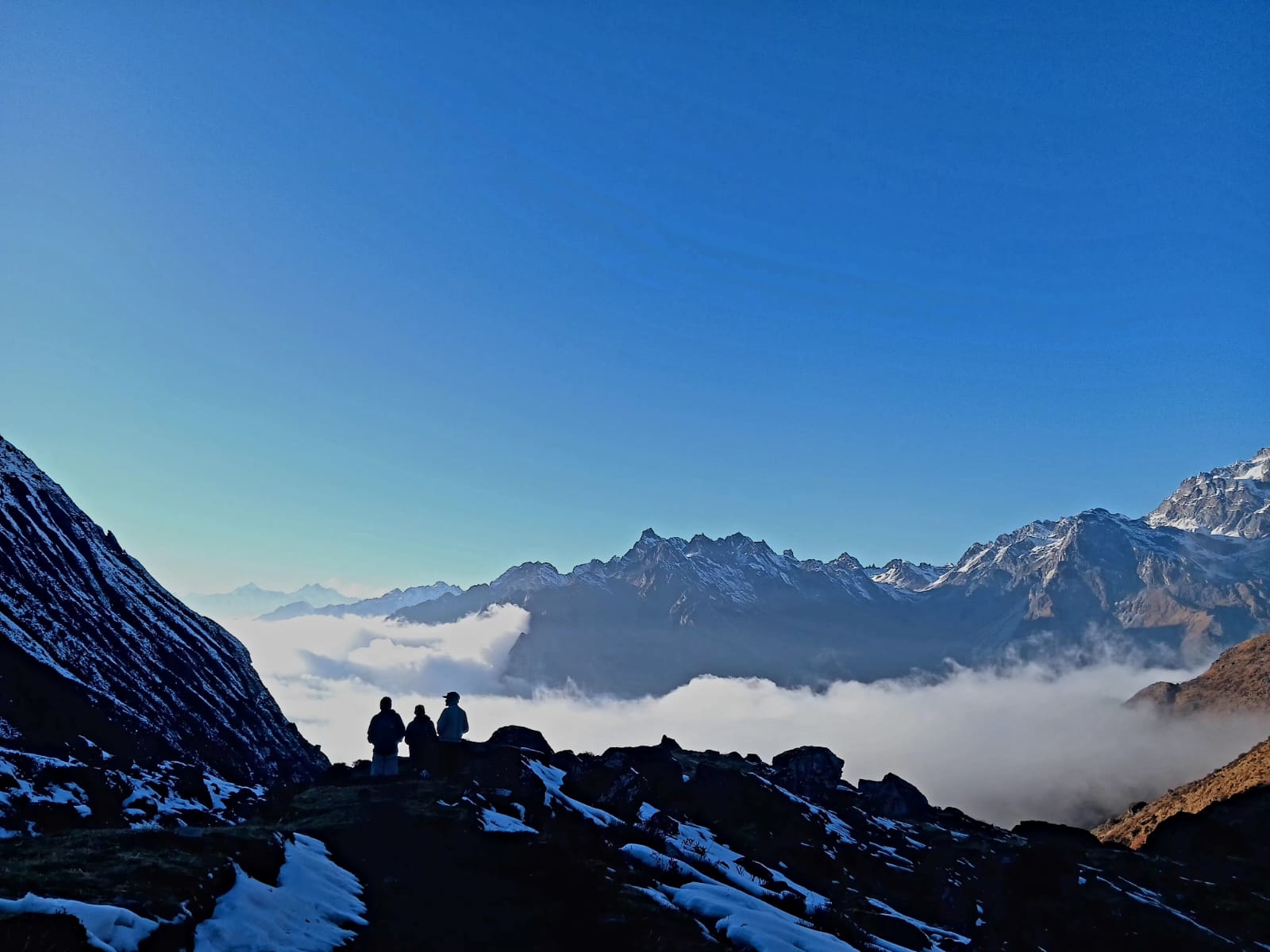
Remote Trekking in Nepal: The Best Off-the-Beaten-Path Treks
Madan NeupaneNovember 26, 20264 min read
Remote trekking in Nepal beyond Everest and Annapurna: why Kanchenjunga leads the list, the other remote treks of eastern Nepal compared, and how to prepare for permits, seasons and days offline.
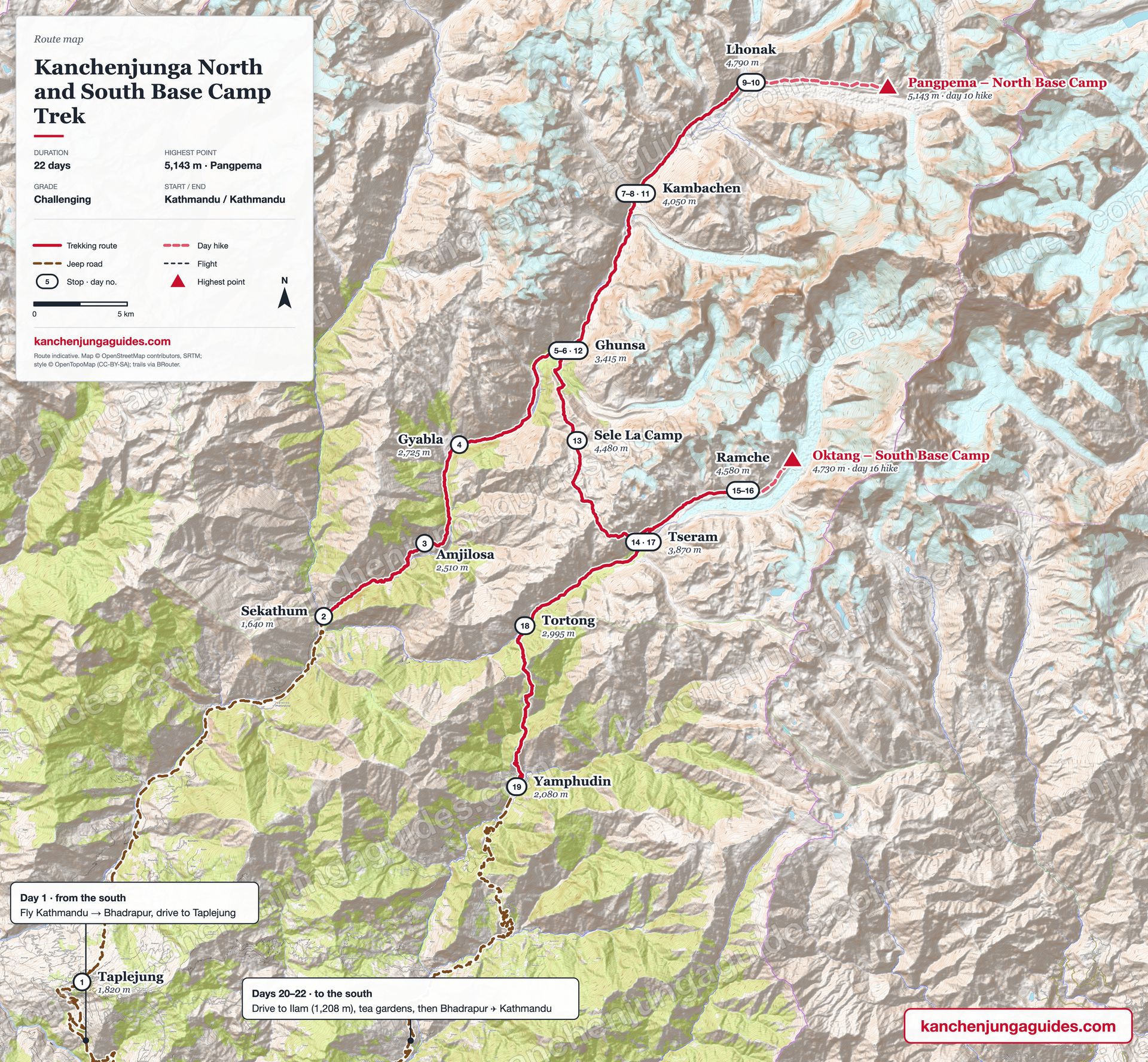
Kanchenjunga Trek Map: Route Maps for Every Itinerary
Madan NeupaneNovember 26, 20263 min read
Kanchenjunga trek maps for the North Base Camp, South Base Camp, full circuit and express routes, with an altitude profile, the trail signs you will meet and tips for navigating offline.
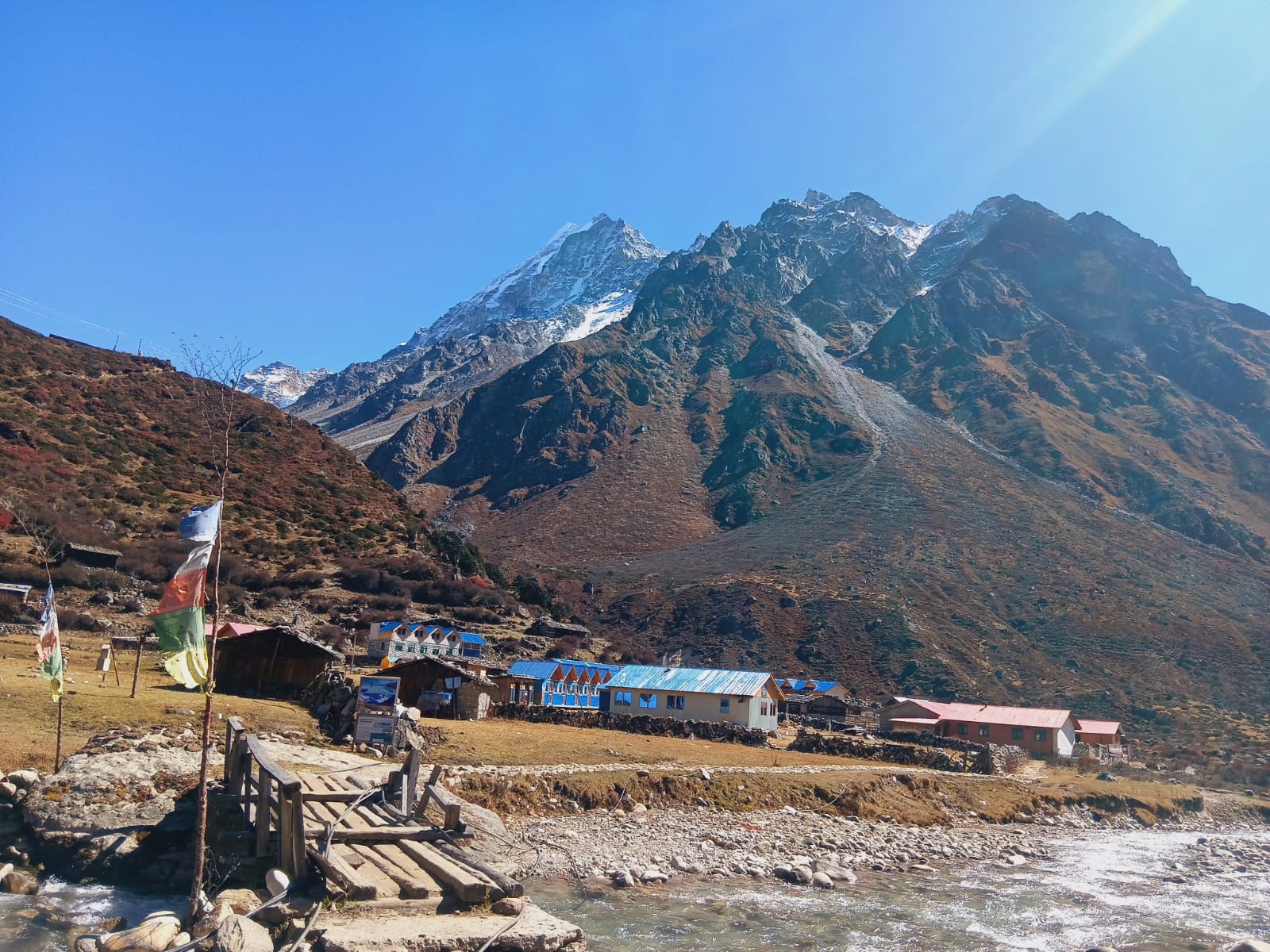
Kanchenjunga Trek Route: Village-by-Village Trail Guide
Madan NeupaneNovember 26, 20265 min read
The Kanchenjunga trek route explained: the northern trail to Pangpema, the southern trail to Oktang, the Sele La crossing that links them, and the altitude and distance of every stop.