Culture & Villages
Danphe (Himalayan Monal): Nepal's National Bird in Its Natural Habitat
The Danphe, or Himalayan monal, is Nepal's dazzling national bird. How to recognise it, why it matters, where to see it on the Kanchenjunga trek, and other birds to look for.

On this page
A flash of metallic green, blue, purple and copper bursts out of the forest and glides down the slope. That is the Danphe, the Himalayan monal and national bird of Nepal, and the upper forests and meadows of Kanchenjunga are one of the best places to see it.
Danphe Quick Facts
- English name: Himalayan monal
- Nepali name: Danphe (डाँफे)
- Scientific name: Lophophorus impejanus
- Status: national bird of Nepal, listed as Least Concern by the IUCN
- Habitat: oak, rhododendron and fir forest and alpine meadows, roughly 2,400–4,500 m
- Size: about 70 cm long, a large pheasant
How to Recognise a Danphe
- Male: dazzling iridescent plumage in metallic green, blue, purple, red and copper, a white patch on the back, a cinnamon-orange tail and a green crest that looks like a small crown. People often call it the "nine-coloured bird".
- Female: mottled brown, well camouflaged, with a white throat and a blue patch around the eye
- Behaviour: digs in soil and snow with its strong beak for roots, tubers and insects. When disturbed it whistles loudly and glides steeply downhill.
Listen for a loud, whistling call in the early morning. It often gives the bird away before you see it.
Why Is the Danphe Nepal's National Bird?
The Danphe was declared Nepal's national bird for its beauty and its strong link with the Himalaya. It appears on stamps and coins and is the emblem of Nepal Airlines. Its many colours are often said to reflect the diversity of the country itself.
Where to See Danphe on the Kanchenjunga Trek
- North route: the upper forests and open slopes between Gyabla, Phale and Ghunsa, and above Ghunsa towards Kambachen
- South route: the rhododendron forests and meadows around Tseram and below Ramche
- Best time of day: early morning, when birds feed on open slopes and forest edges
- Best season: spring (March–May), when the males are displaying, and autumn
Other Birds to Look For
The Kanchenjunga Conservation Area is a rich birdwatching area. Look out for:
- Blood pheasant: grey with red splashes, often in small flocks in fir and rhododendron forest
- Satyr tragopan: a shy, crimson pheasant of the dense forest
- Lammergeier (bearded vulture): a huge vulture soaring over the high valleys
- Himalayan griffon: another giant vulture riding the thermals
- Snow partridge and Tibetan snowcock on high slopes above Lhonak
Birdwatching Tips
- Bring light binoculars (8x or 10x)
- Walk quietly at dawn and dusk
- Ask your guide. Many local guides know the bird calls well.
- Never chase birds or disturb nests, especially in spring
More Kanchenjunga Wildlife
Meet the red panda of the forests and the snow leopard of the high valleys, or see them all on our North and South Base Camp Trek.
Related reading: Blood pheasant · Birdwatching on the trek · How to identify Himalayan birds
Frequently Asked Questions
What is the danphe?
The Himalayan monal, called danphe in Nepali, is Nepal national bird, known for its bright, iridescent plumage.
Where can I see it?
In high forest and alpine meadows, usually in the early morning.
Ready to see it yourself? Explore our Kanchenjunga Base Camp Trek with local guides.
Plan with local guides
Ready to walk the Kanchenjunga trail?
Tell us your dates and pace. We’ll sort permits, guides and a route that fits — straight from the people who live here.
Keep reading
Other Blogs
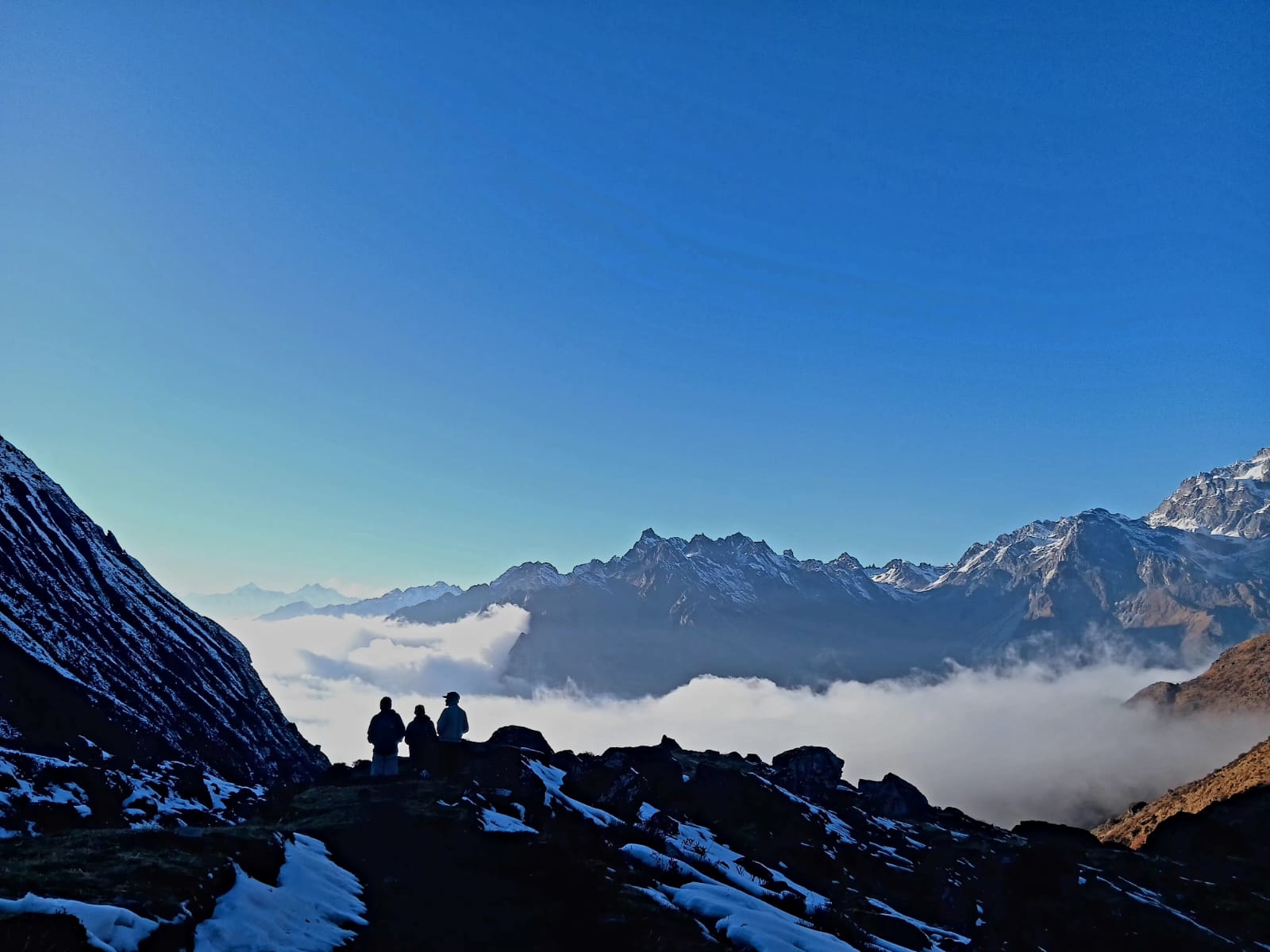
Remote Trekking in Nepal: The Best Off-the-Beaten-Path Treks
Madan NeupaneNovember 26, 20264 min read
Remote trekking in Nepal beyond Everest and Annapurna: why Kanchenjunga leads the list, the other remote treks of eastern Nepal compared, and how to prepare for permits, seasons and days offline.
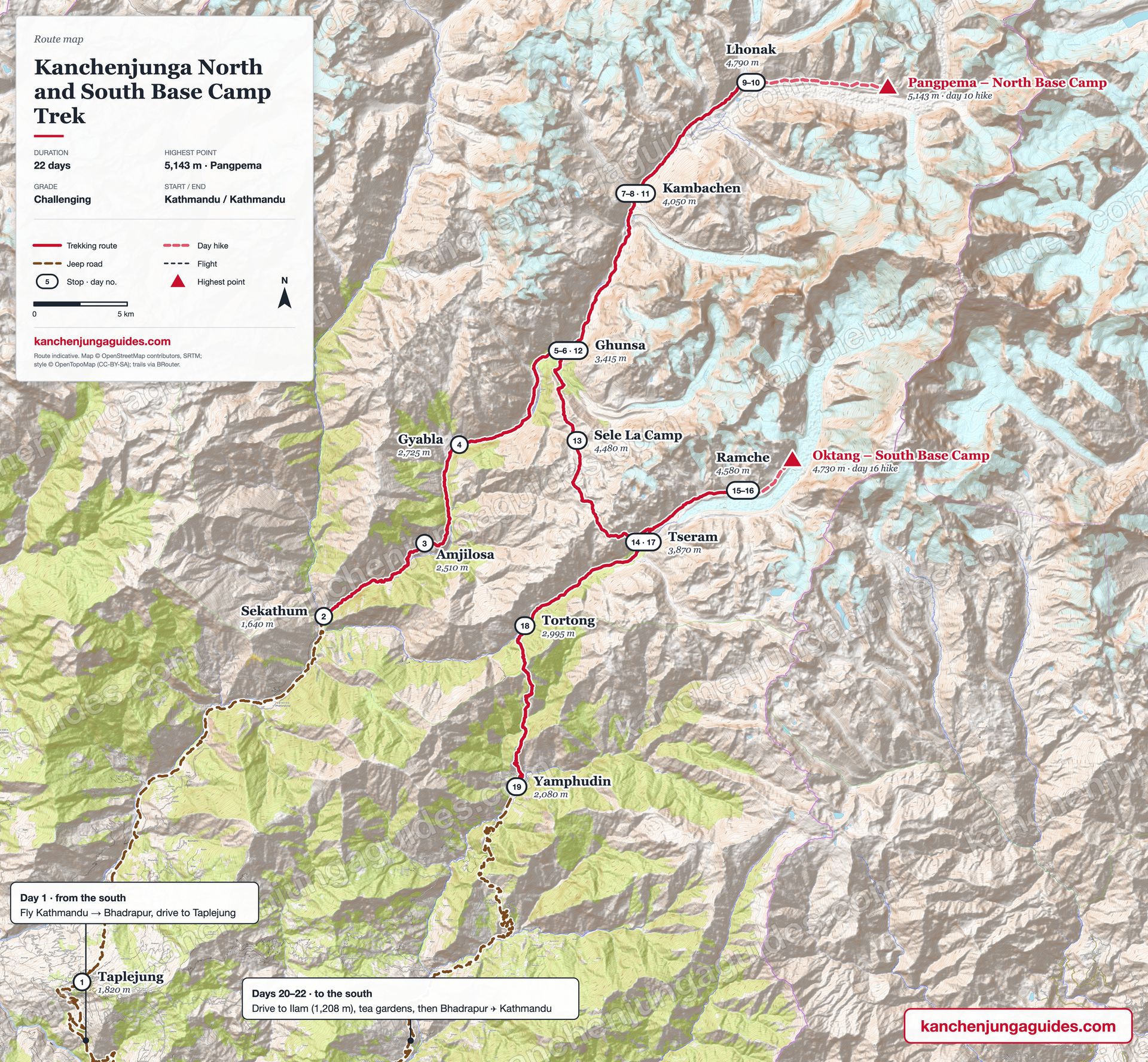
Kanchenjunga Trek Map: Route Maps for Every Itinerary
Madan NeupaneNovember 26, 20263 min read
Kanchenjunga trek maps for the North Base Camp, South Base Camp, full circuit and express routes, with an altitude profile, the trail signs you will meet and tips for navigating offline.
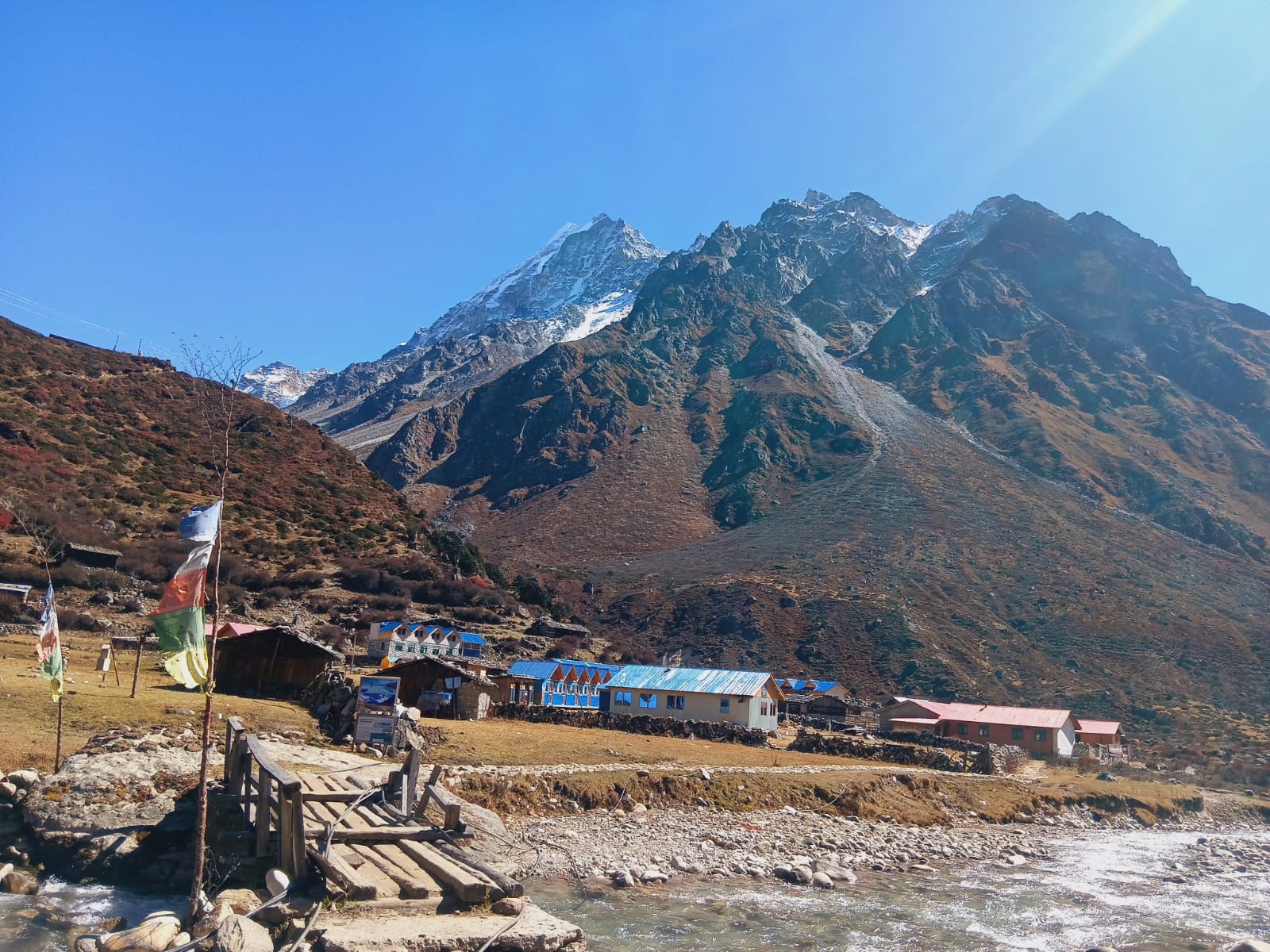
Kanchenjunga Trek Route: Village-by-Village Trail Guide
Madan NeupaneNovember 26, 20265 min read
The Kanchenjunga trek route explained: the northern trail to Pangpema, the southern trail to Oktang, the Sele La crossing that links them, and the altitude and distance of every stop.