Stories from the Trail
How to Identify Himalayan Birds During Your Trek
A simple six-clue method for identifying Himalayan birds on the Kanchenjunga trek: size and shape, altitude, behaviour, colour patterns, sound and company, with a worked example.

On this page
A flash of colour in the bushes, and it's gone. Was it a sunbird? A minivet? A redstart? Most trekkers give up on birds because they try to name them instantly. Experienced birders do something different: they collect clues first and look up the name later.
Here's the six-clue method our guides use, and it works even if you've never watched birds before.
Clue 1: Size and Shape
Before colour, notice the shape. Compare it with birds you already know:
- Sparrow-sized: finches, tits, warblers, redstarts
- Thrush- or myna-sized: laughingthrushes, bulbuls, thrushes
- Pigeon-sized or bigger: pheasants, partridges, choughs, birds of prey
Then look at the beak. Short and thick means a seed-eater (finches). Thin and pointed means an insect-eater (warblers). Long and curved means a nectar-feeder (sunbirds). Hooked means a hunter (raptors).
Clue 2: Where It Is
Altitude tells you a lot on this trek. The bird list changes completely between the warm lower valleys and the moraine above Lhonak.
- Subtropical and lower forests: bulbuls, sunbirds, minivets, barbets, drongos
- Rhododendron and fir forests: laughingthrushes, tits, blood pheasants, Himalayan monals
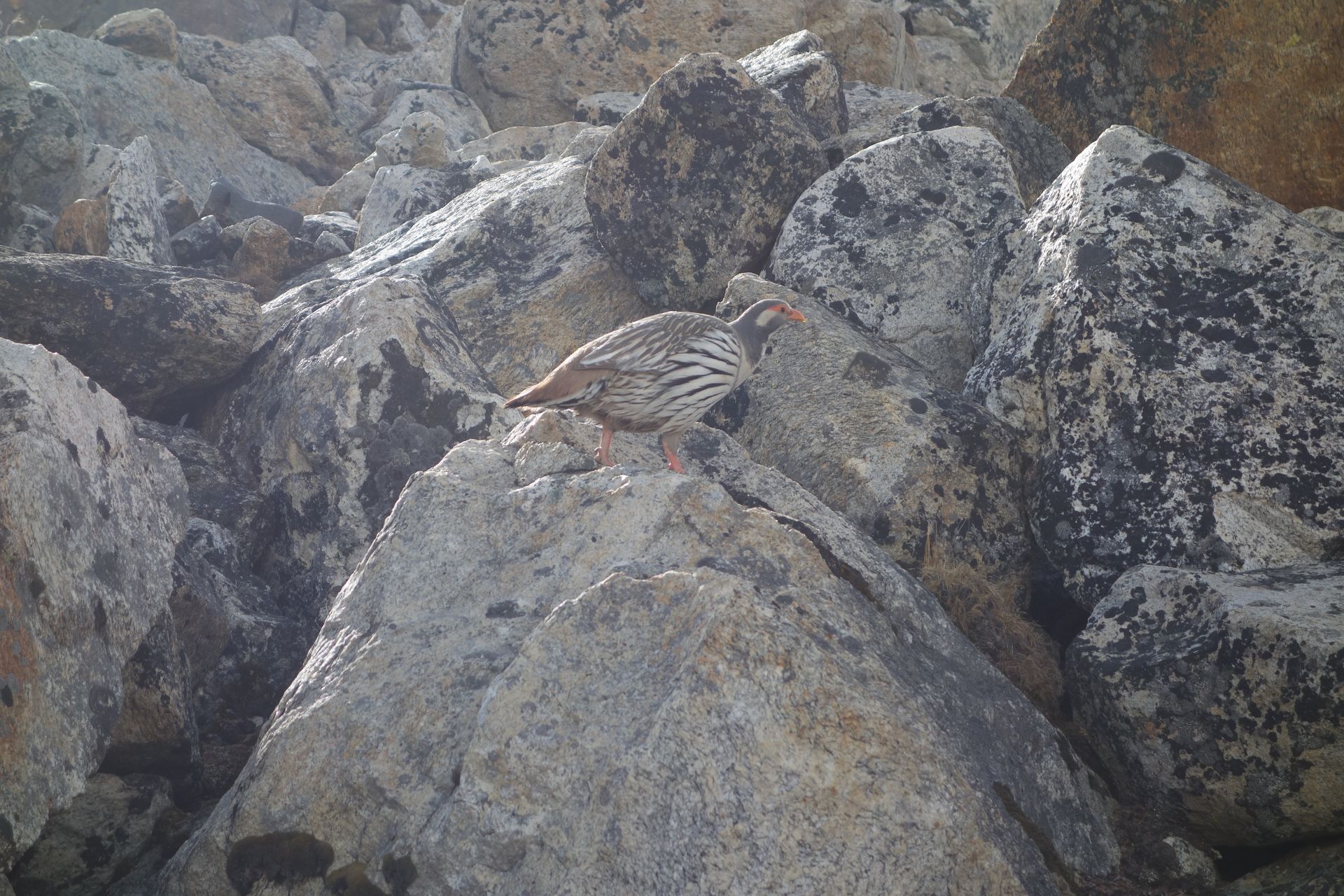
- Above the treeline: redstarts, accentors, rosefinches, snowcocks, choughs and lammergeiers overhead
Clue 3: What It's Doing
- Hopping on the ground and scratching: pheasants, partridges, laughingthrushes
- Bobbing its tail on a rock by a stream: forktails, dippers and redstarts
- Hanging upside down from twigs: tits
- Soaring in circles without flapping: vultures, eagles and lammergeiers
Clue 4: Colour Patterns
Now look for the big, simple features: an eye stripe, wing bars, a coloured tail, a cap or a patch on the throat. Don't try to remember everything. Two or three standout marks are enough to identify most birds later.
Clue 5: Sound
Many forest birds are heard far more often than seen. Record calls on your phone, even if you can't see the bird. Free bird apps can often help you identify a recording later.
Clue 6: Company
Is it alone, in a pair, or part of a noisy mixed flock moving through the trees? In winter and autumn, tits, warblers and other small birds often travel together in "bird waves", so when you see one, look for more.
Putting It Together: An Example
Sparrow-sized. Thin beak. On a boulder beside a fast stream at 3,500 m. Constantly flicking a rusty-red tail. Male mostly blue-grey, female brown. Put those clues together and you probably have a plumbeous water redstart, one of the most common birds by Himalayan streams.
What to Bring
- Binoculars: 8×32 or 8×42 are light and bright enough for forest light
- A field guide: a guide to the birds of Nepal, or an app with offline data
- A notebook or phone notes to jot down the clues as you see them
- Patience: stand still for five minutes in a forest clearing, and birds will come out around you
Learn More
Find out which species to look for in our birdwatching guide to the Kanchenjunga trek, and when the forests are at their best in the best time to trek.
Frequently Asked Questions
What is the best time for birdwatching?
Early morning in spring and autumn, when birds are most active and the weather is clear.
What should I bring to watch birds?
Binoculars, a field guide or bird app, a notebook and patience. Walk quietly and ask your guide to point out calls.
Ready to see it yourself? Explore our Kanchenjunga Base Camp Trek with local guides.
Plan with local guides
Ready to walk the Kanchenjunga trail?
Tell us your dates and pace. We’ll sort permits, guides and a route that fits — straight from the people who live here.
Keep reading
Other Blogs
Remote Trekking in Nepal: The Best Off-the-Beaten-Path Treks
Madan NeupaneNovember 26, 20264 min read
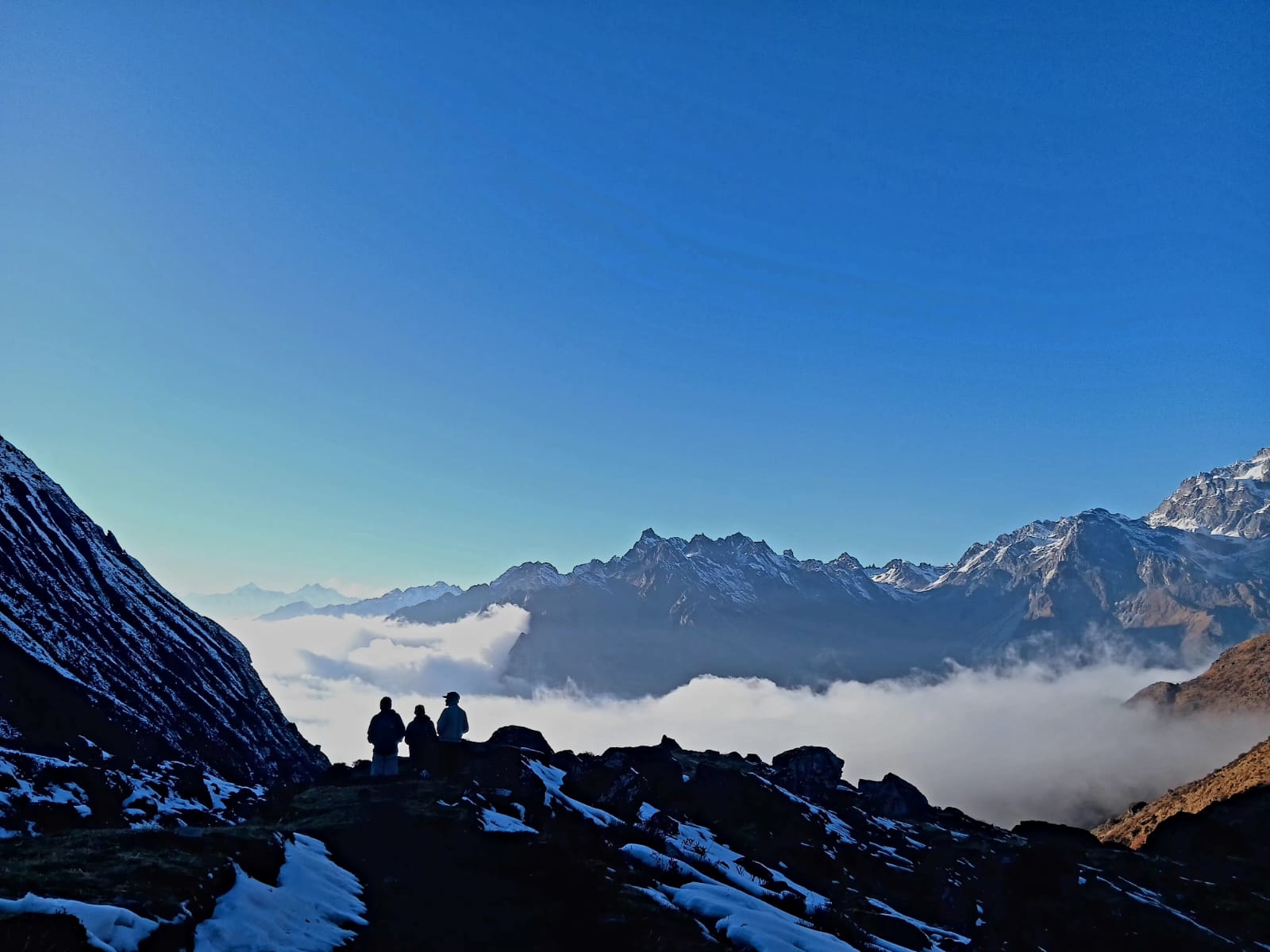
Remote trekking in Nepal beyond Everest and Annapurna: why Kanchenjunga leads the list, the other remote treks of eastern Nepal compared, and how to prepare for permits, seasons and days offline.
Kanchenjunga Trek Map: Route Maps for Every Itinerary
Madan NeupaneNovember 26, 20263 min read
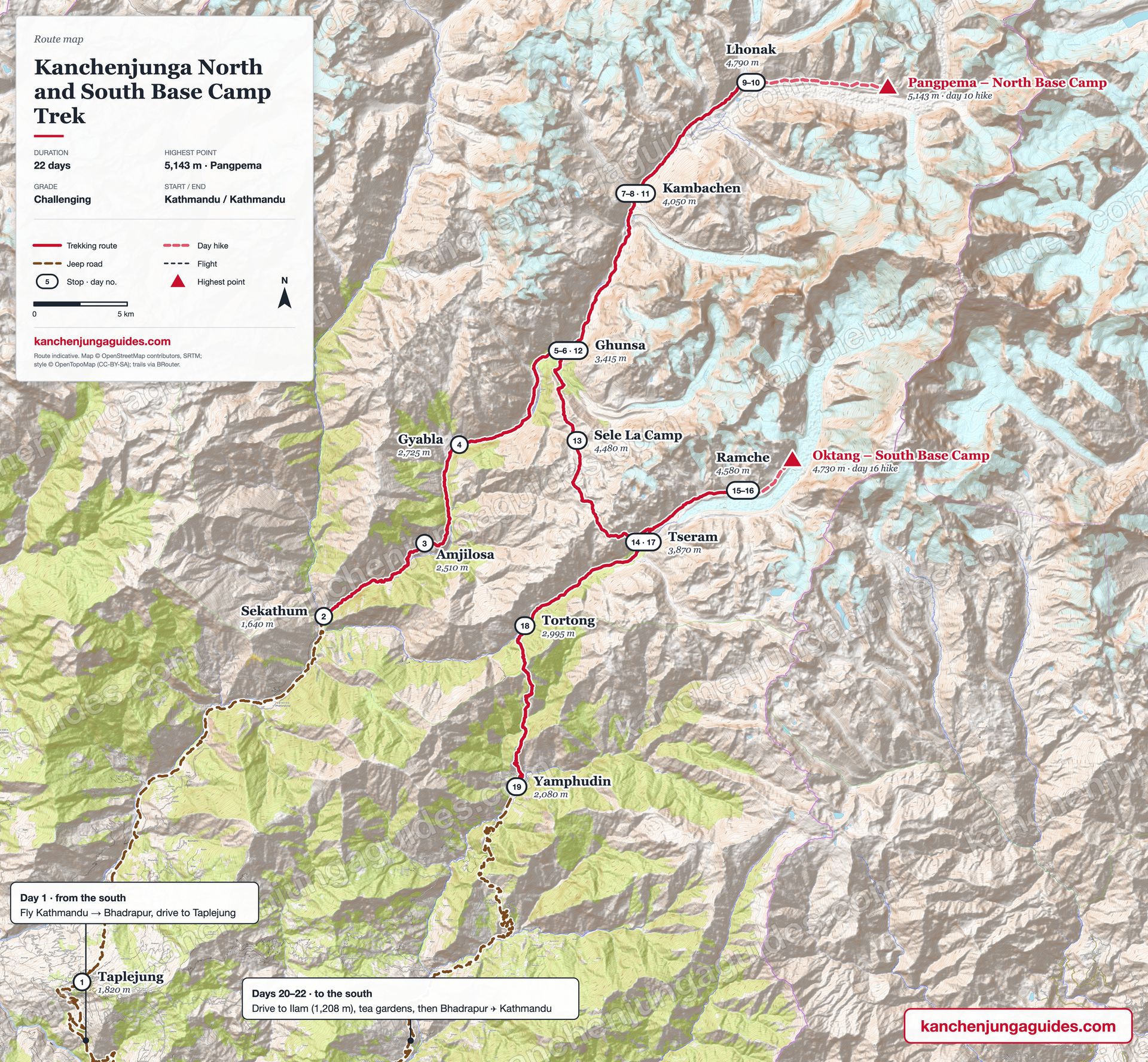
Kanchenjunga trek maps for the North Base Camp, South Base Camp, full circuit and express routes, with an altitude profile, the trail signs you will meet and tips for navigating offline.
Kanchenjunga Trek Route: Village-by-Village Trail Guide
Madan NeupaneNovember 26, 20265 min read
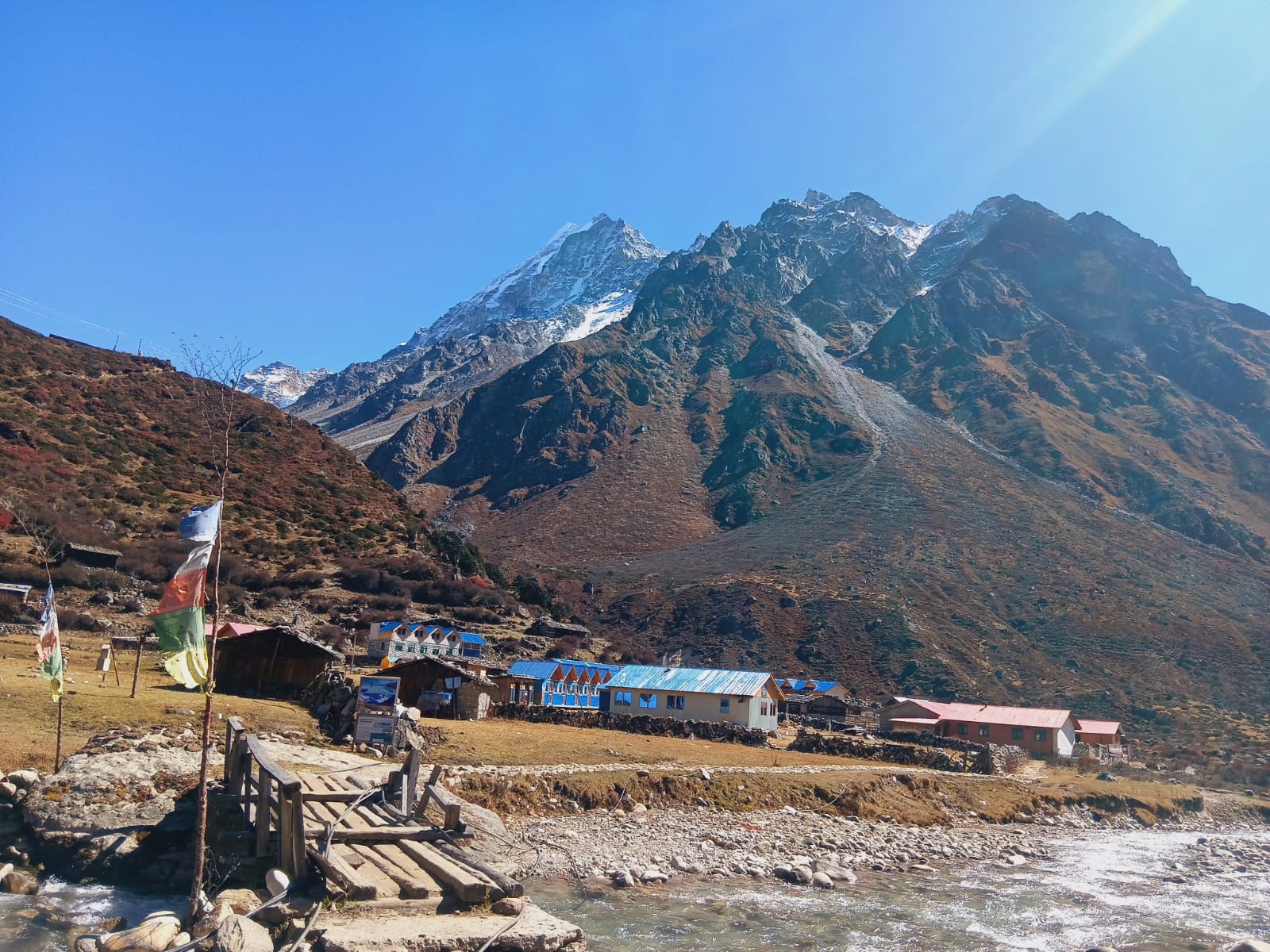
The Kanchenjunga trek route explained: the northern trail to Pangpema, the southern trail to Oktang, the Sele La crossing that links them, and the altitude and distance of every stop.