Culture & Villages
Sherpa Communities in the Kanchenjunga Region
Meet the Sherpa and Tibetan Buddhist communities of the upper Kanchenjunga valleys: yak herding, farming, trade, religion, the refugee village of Phale and legendary hospitality.

On this page
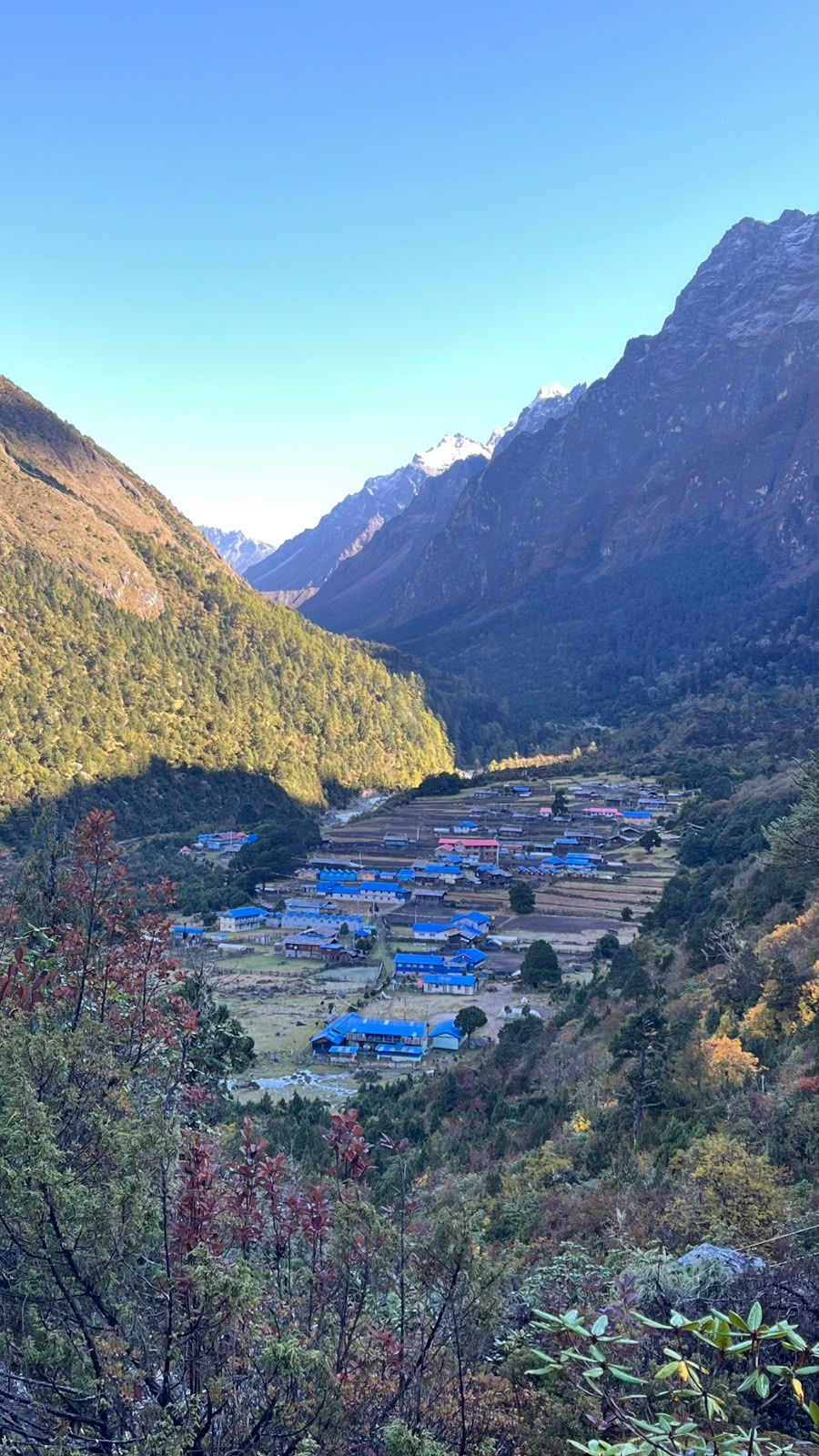
As the trail climbs past Gyabla towards Ghunsa, the houses change, prayer flags appear on every roof and people greet you with "Tashi Delek". You have entered the world of the Sherpa and Tibetan-descended communities of the upper Kanchenjunga valleys: yak herders, farmers, traders and, today, many of the guides who lead you to base camp.
At a Glance
- Who: Sherpa and related Tibetan Buddhist highland communities (sometimes called Bhotia in eastern Nepal)
- Where on the trek: Gyabla, Phale, Ghunsa and Kambachen on the north route, and Sherpa families on the south route
- Language: Sherpa and Tibetan dialects, plus Nepali
- Religion: Tibetan Buddhism, mainly the Nyingma tradition
- Livelihoods: yak and livestock herding, potato and barley farming, trade, and trekking
Who Are the Sherpa?
The name Sherpa comes from the Tibetan shar-pa, meaning "people from the east". Their ancestors migrated from eastern Tibet several centuries ago into Nepal's high valleys. While the Everest region is the best-known Sherpa homeland, Sherpa and other Tibetan-descended communities also live in the high valleys of Kanchenjunga.
Life in the High Villages
- Yak and livestock herding: yaks and yak-cow hybrids (dzo) provide milk, butter, wool, dung for fuel and transport
- Farming: potatoes, barley and buckwheat grow in short summer seasons
- Seasonal movement: some families move between summer pastures and lower winter homes
- Trade: historic trade routes once linked these valleys with Tibet over high passes
- Trekking: many young people work as guides, porters and lodge owners, and trekking income now supports many families
- Medicinal herbs: in spring, some villagers collect high-altitude medicinal plants and fungi on the high slopes
Religion and Daily Life
Buddhism shapes everyday life:
- Prayer flags on every roof and pass. See prayer flags explained.
- Mani walls, chortens and prayer wheels at village entrances. See mani walls and prayer wheels.
- Village monasteries, with lamas performing rituals for festivals, births and deaths
- Festivals like Losar, the Sherpa New Year
Phale: A Tibetan Refugee Village
Between Gyabla and Ghunsa lies Phale, settled by Tibetan refugees after 1959. Its small monastery and carpet-weaving traditions add another layer to the highland culture of the valley.
Sherpa Names
Many Sherpa are named after the day of the week they were born. That is why you will meet so many guides called Pasang (Friday), Dawa (Monday) or Pemba (Saturday). Read why so many guides are named Pasang.
Hospitality
Sherpa hospitality is legendary: endless cups of butter tea or sweet tea, a warm seat by the stove, and a generous plate of dal bhat or potatoes. Staying in family lodges in Ghunsa is one of the most memorable parts of the trek.
Respectful Travel in Sherpa Villages
- Greet people with "Tashi Delek"
- Walk clockwise around religious monuments
- Ask before photographing people, homes and rituals
- Accept tea with both hands. It is polite to drink at least a little.
- Remove your shoes indoors
Learn More
Read about the Limbu people of the lower valleys and traditional clothing, or stay with Sherpa families on our North Base Camp Trek.
Related reading: Yaks and dzopkyo
Frequently Asked Questions
Who are the Sherpa communities in the region?
Sherpa people live in the high valleys and are known for their mountain skills, Buddhist culture and hospitality.
How should I treat local customs?
Walk clockwise around mani walls and prayer wheels, ask before photographing people, and dress modestly.
Ready to see it yourself? Explore our Kanchenjunga Base Camp Trek with local guides.
Plan with local guides
Ready to walk the Kanchenjunga trail?
Tell us your dates and pace. We’ll sort permits, guides and a route that fits — straight from the people who live here.
Keep reading
Other Blogs
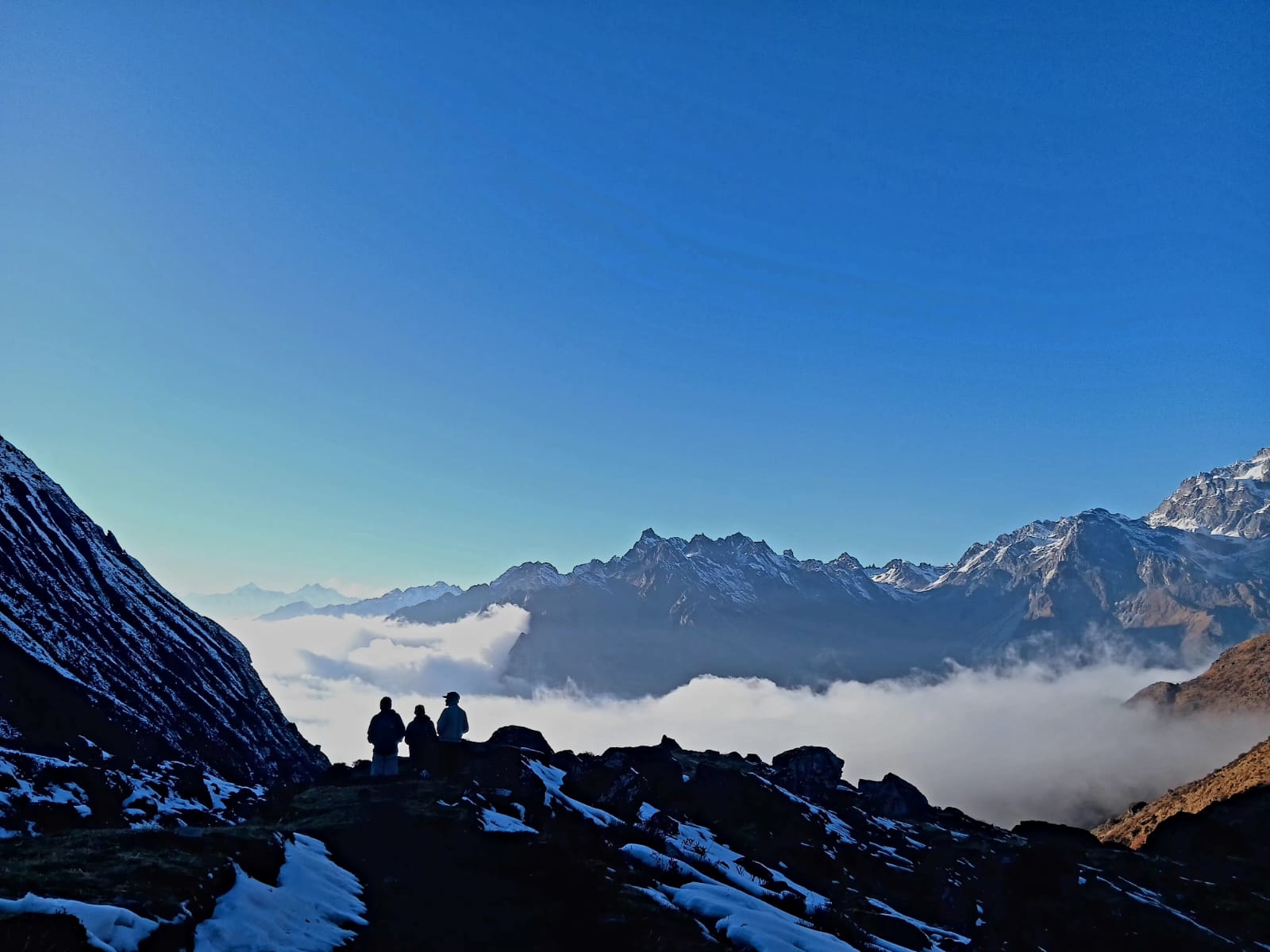
Remote Trekking in Nepal: The Best Off-the-Beaten-Path Treks
Madan NeupaneNovember 26, 20264 min read
Remote trekking in Nepal beyond Everest and Annapurna: why Kanchenjunga leads the list, the other remote treks of eastern Nepal compared, and how to prepare for permits, seasons and days offline.
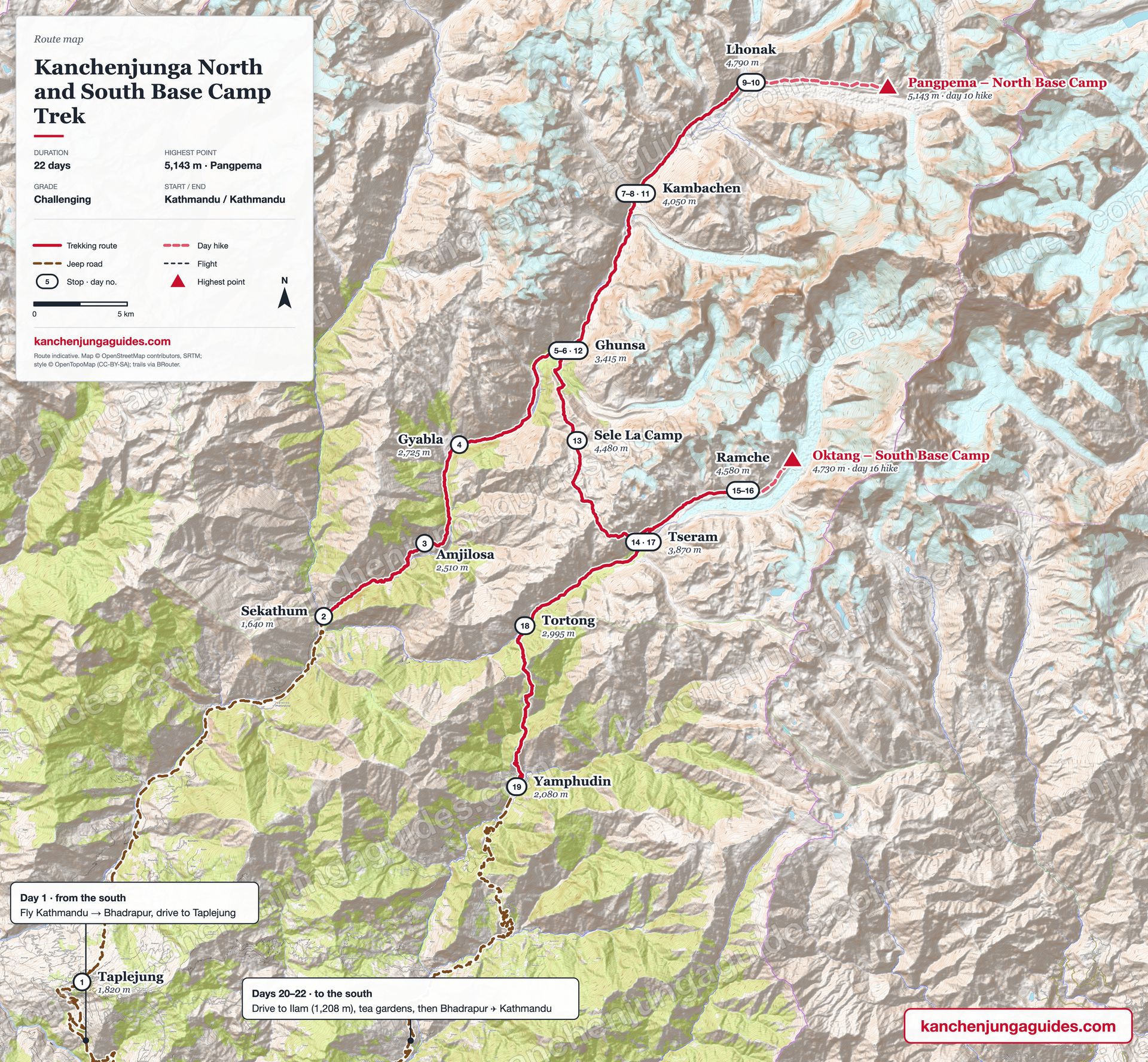
Kanchenjunga Trek Map: Route Maps for Every Itinerary
Madan NeupaneNovember 26, 20263 min read
Kanchenjunga trek maps for the North Base Camp, South Base Camp, full circuit and express routes, with an altitude profile, the trail signs you will meet and tips for navigating offline.
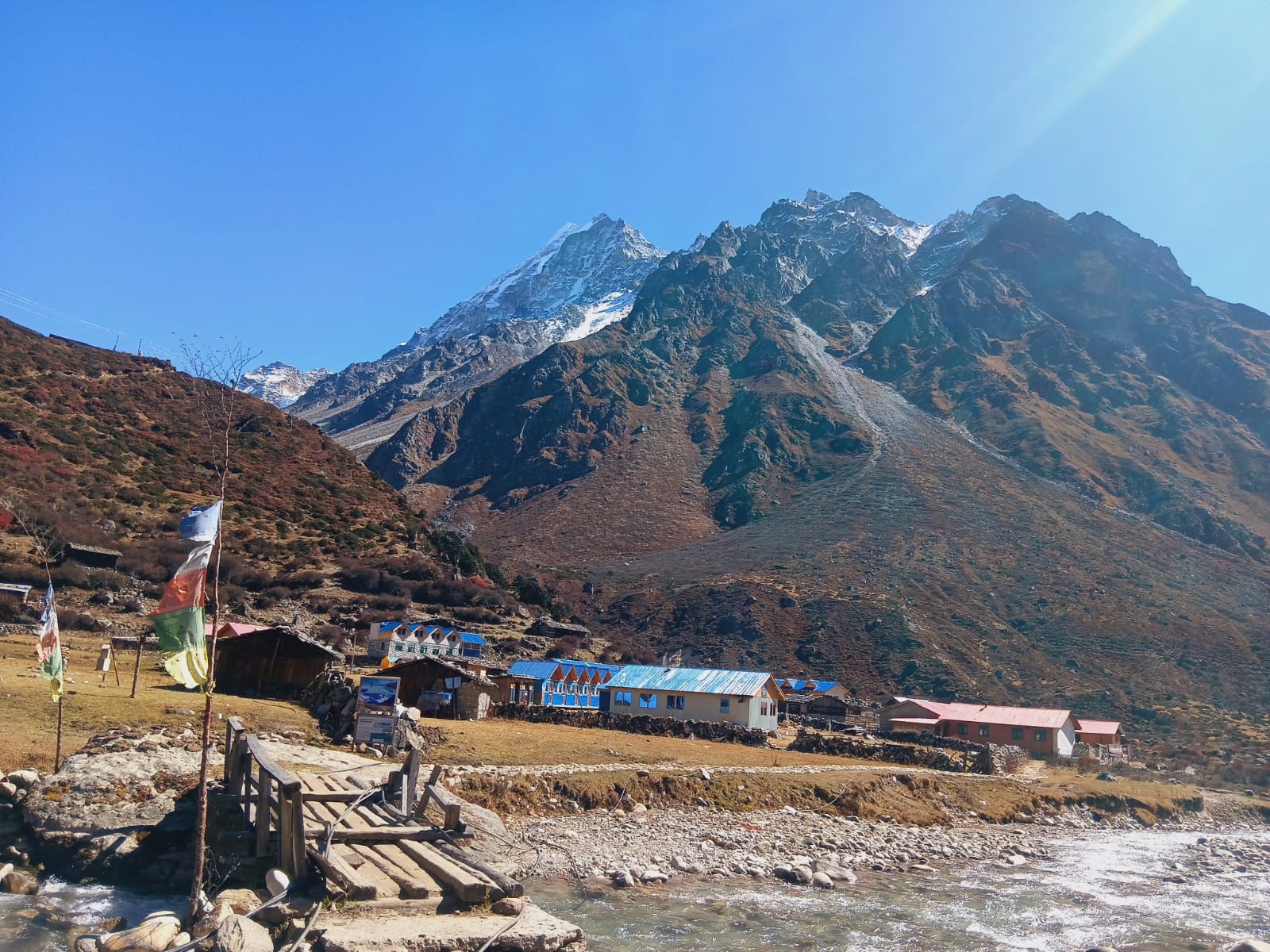
Kanchenjunga Trek Route: Village-by-Village Trail Guide
Madan NeupaneNovember 26, 20265 min read
The Kanchenjunga trek route explained: the northern trail to Pangpema, the southern trail to Oktang, the Sele La crossing that links them, and the altitude and distance of every stop.