Culture & Villages
Traditional Clothing Worn in Kanchenjunga Mountain Villages
From the Sherpa chuba and striped pangden apron to Limbu mekhli, gold jewellery and the Dhaka topi: a guide to traditional dress in the villages of the Kanchenjunga region.

On this page
On festival days in Ghunsa or at a family celebration in a Limbu village, you will see people in clothing that tells you who they are and where they come from. Traditional dress in the Kanchenjunga region reflects its two main cultures: the Limbu of the lower hills and the Sherpa and Tibetan communities of the high valleys.
At a Glance
- Sherpa and Tibetan dress: the long wrap-around chuba or bakhu, with a striped apron (pangden) for married women
- Limbu dress: mekhli and taga for women, daura suruwal and the Dhaka topi for men, with gold and coral jewellery
- Everyday wear: in practice, most people wear modern clothes, fleece jackets and trainers on normal working days
- When you will see traditional dress: festivals like Losar and Chasok Tangnam, weddings, religious ceremonies and welcomes for guests
Sherpa and Tibetan Traditional Dress
For Women
- Chuba / bakhu: a long, sleeveless wrap-around dress tied at the waist, worn over a blouse (honju)
- Pangden: a colourful striped woollen apron, traditionally worn by married women
- Jewellery: coral, turquoise and amber necklaces and earrings, often family heirlooms
- Headwear: warm woollen hats or brocade caps in cold weather
For Men
- Chuba: a long woollen or sheepskin robe tied with a sash, with the upper part used as a pouch
- Shirts and trousers underneath, and felt or leather boots in the past
- Hats: fur-lined or brocade hats for festivals
The pangden apron's bright stripes are one of the easiest ways to recognise traditional Sherpa women's dress.
Limbu Traditional Dress
For Women
- Mekhli: a long dress, often worn with a taga (blouse) and a shawl
- Jewellery: large gold ornaments such as the dhungri (nose ornament), namloi (necklace) and heavy earrings, often with coral
For Men
- Daura suruwal: the traditional Nepali tunic and trousers
- Dhaka topi: the patterned cap made from Dhaka cloth, a famous textile woven in the eastern hills, including Taplejung and nearby districts
- Khukuri: sometimes carried at ceremonies
Dhaka Cloth: A Textile of the East
Dhaka cloth, with its bright geometric patterns, is hand-woven on looms in eastern Nepal. You will see it in hats, shawls and bags. Buying a Dhaka topi or shawl is a great way to support local weavers.
Why Traditional Dress Matters
- It shows identity: ethnic group, region and sometimes marital status
- It connects people to ancestors and religious traditions
- It is worn proudly at festivals, weddings and when welcoming guests
- Hand-woven textiles keep traditional crafts alive
Photography and Respect
- Always ask before photographing people in traditional dress.
- Festivals are joyful but also religious, so follow your guide's advice
- Compliment the clothing. People are proud of it.
- If you would like to try traditional dress, some lodges and families happily help for a photo, but only if they offer
Learn More
Read about Losar, the Limbu people of Taplejung and Sherpa communities in Kanchenjunga.
Related reading: Supporting women-led businesses
Frequently Asked Questions
What do local people wear?
Clothing varies by community and season, from woollen garments and traditional dress to modern trekking wear.
Can I photograph people in traditional dress?
Ask first and respect a no.
Ready to see it yourself? Explore our Kanchenjunga Base Camp Trek with local guides.
Plan with local guides
Ready to walk the Kanchenjunga trail?
Tell us your dates and pace. We’ll sort permits, guides and a route that fits — straight from the people who live here.
Keep reading
Other Blogs
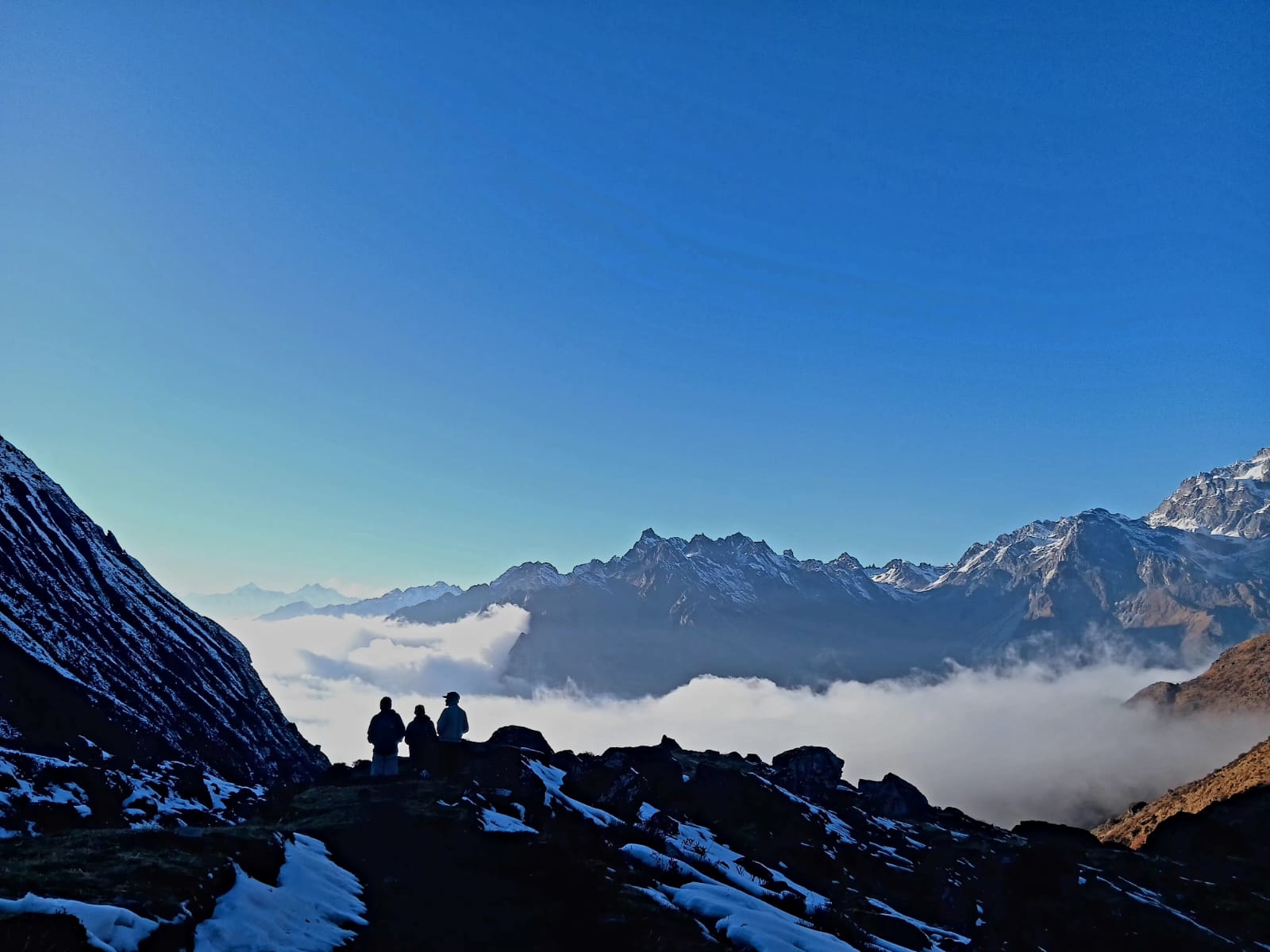
Remote Trekking in Nepal: The Best Off-the-Beaten-Path Treks
Madan NeupaneNovember 26, 20264 min read
Remote trekking in Nepal beyond Everest and Annapurna: why Kanchenjunga leads the list, the other remote treks of eastern Nepal compared, and how to prepare for permits, seasons and days offline.
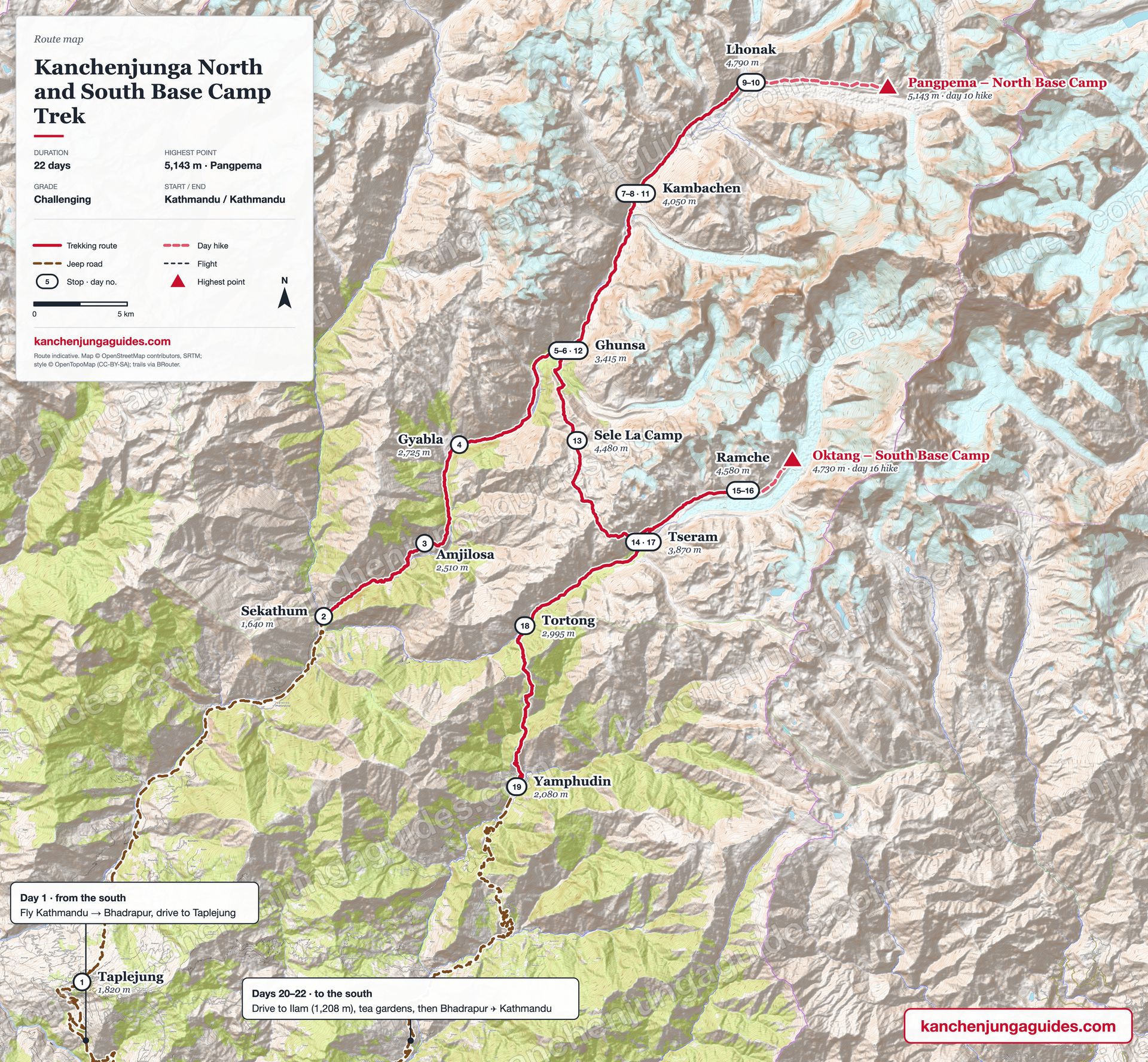
Kanchenjunga Trek Map: Route Maps for Every Itinerary
Madan NeupaneNovember 26, 20263 min read
Kanchenjunga trek maps for the North Base Camp, South Base Camp, full circuit and express routes, with an altitude profile, the trail signs you will meet and tips for navigating offline.
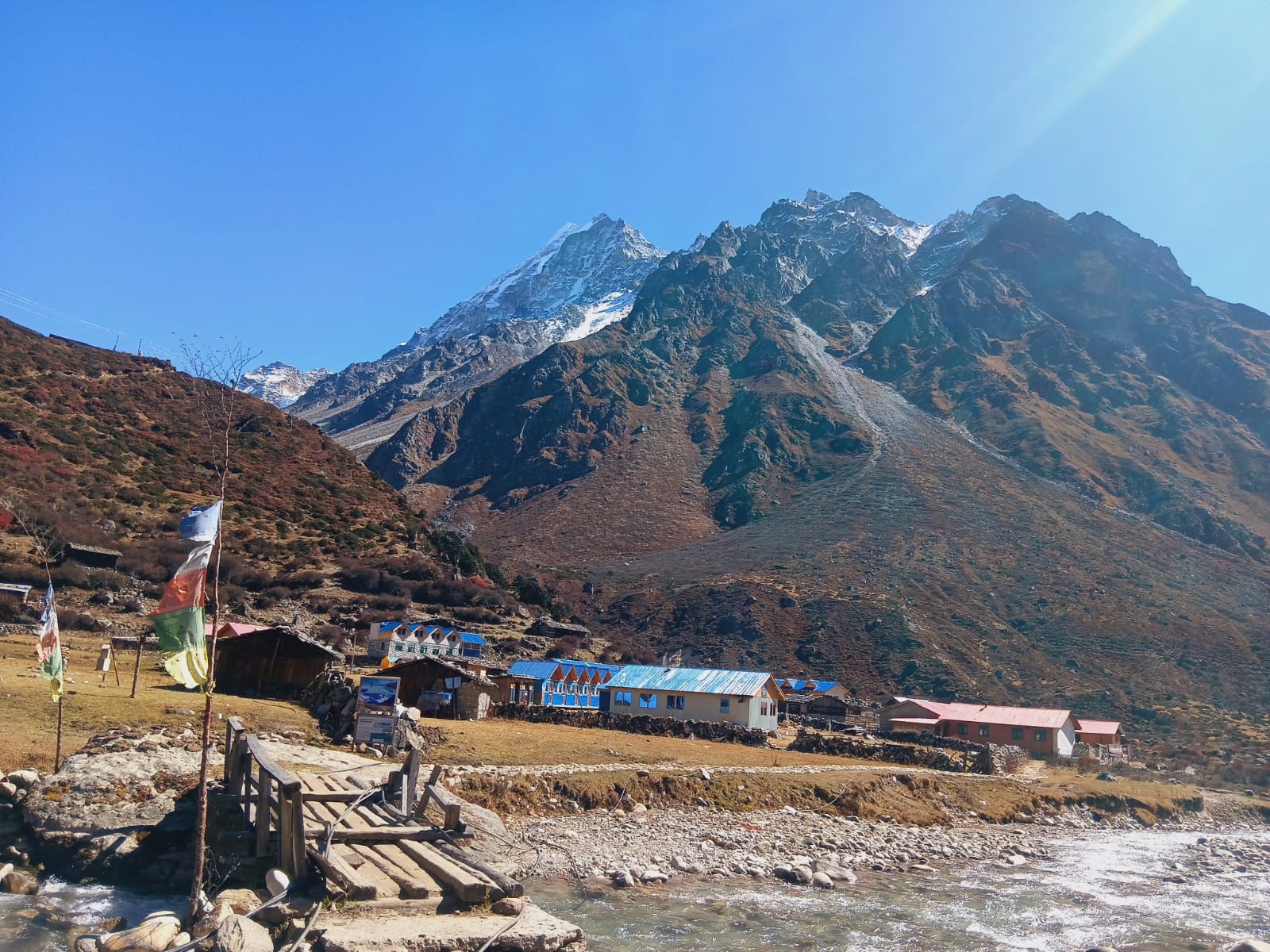
Kanchenjunga Trek Route: Village-by-Village Trail Guide
Madan NeupaneNovember 26, 20265 min read
The Kanchenjunga trek route explained: the northern trail to Pangpema, the southern trail to Oktang, the Sele La crossing that links them, and the altitude and distance of every stop.