Culture & Villages
What Do Prayer Wheels Represent in Himalayan Buddhist Culture?
Prayer wheels hold thousands of mantras, and each turn is believed to send out their blessings. What is inside, the different types, and how to spin one respectfully.

On this page
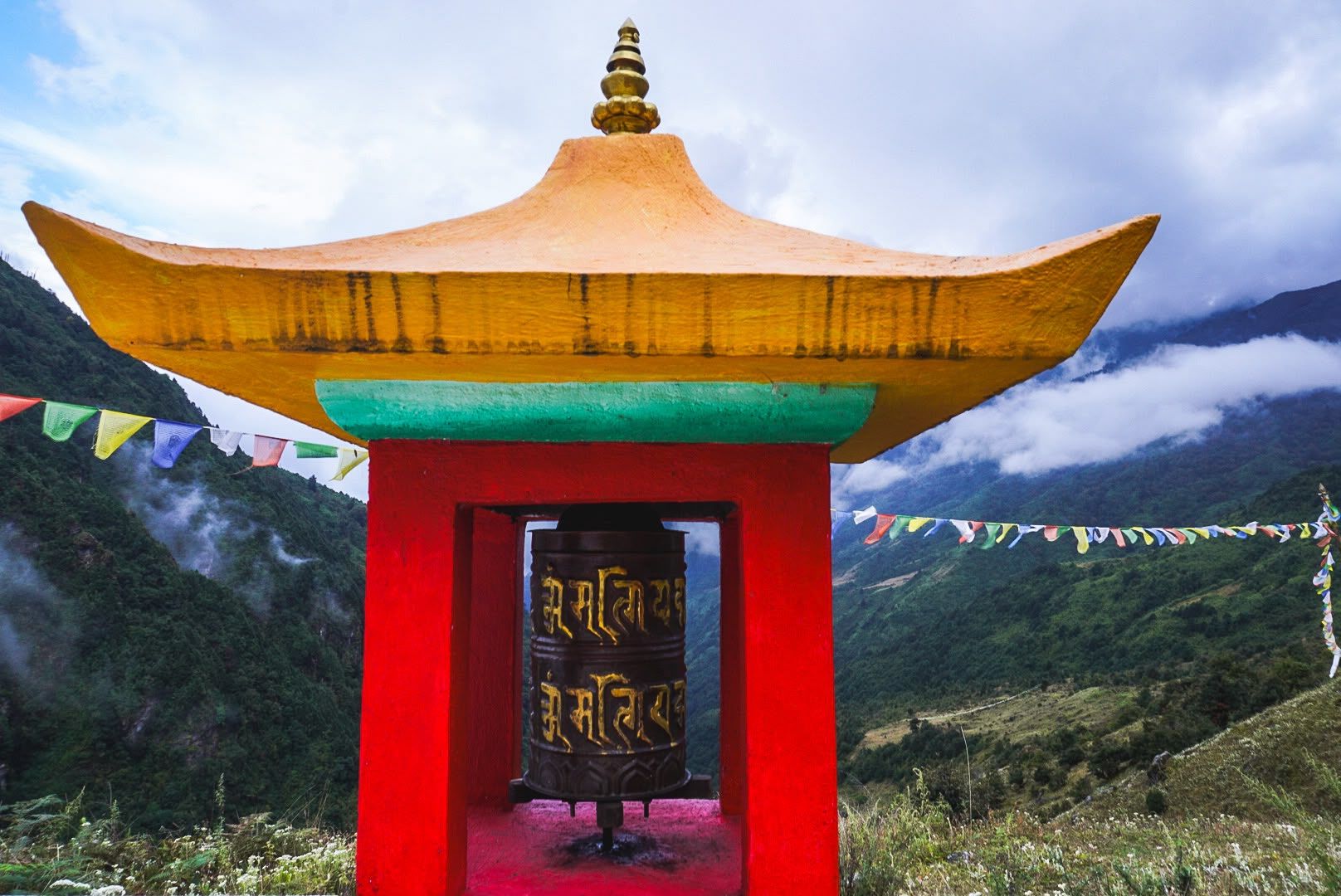
Brass cylinders turning in a row outside a monastery, a giant wheel in its own little shrine, a wheel spun endlessly by a mountain stream: prayer wheels are everywhere in Himalayan Buddhist villages. Each turn of a prayer wheel is believed to send out the prayers written inside, as if they had been recited aloud.
Prayer Wheels at a Glance
- Tibetan name: mani khorlo
- What is inside: tightly rolled paper printed with mantras, most often Om Mani Padme Hum, sometimes thousands or millions of times
- How to use: spin clockwise with your right hand
- Meaning: spreading compassion, purifying negative karma and gaining merit
- Types: hand-held, wall-mounted rows, large shrine wheels, and water- or wind-powered wheels
What Does a Prayer Wheel Do?
In Tibetan Buddhism, spinning a prayer wheel has the same spiritual effect as reciting the mantras printed inside it. The more mantras inside and the more turns, the more blessings are believed to be released. The mantra Om Mani Padme Hum is associated with Chenrezig, the Buddha of compassion, so prayer wheels are closely linked to wishes for the wellbeing of all beings.
Types of Prayer Wheels
- Hand-held wheels: small wheels on a handle, spun by pilgrims and elders as they walk or chant
- Rows of wall wheels: lines of brass or copper wheels around monasteries and chortens, spun one after another as you walk past
- Large shrine wheels: huge wheels in their own small building, sometimes ringing a bell on each turn
- Water wheels: wheels turned by streams, sending prayers out day and night with the flowing water
- Wind and fire wheels: turned by the wind, or by the warm air rising above butter lamps
Look out for water-powered prayer wheels in small huts beside streams. They are one of the trek's quiet delights.
How to Spin a Prayer Wheel Respectfully
- Approach so the wheel is on your right.
- Spin it clockwise with your right hand, gently, without pulling hard.
- Keep walking clockwise around the monastery or chorten.
- If you like, silently wish well for others as you spin. That is the intention behind it.
Never spin a prayer wheel anticlockwise. In this tradition, that direction belongs to the Bön religion, not Buddhism.
Prayer Wheels, Flags and Mani Walls
Prayer wheels belong to the same family of sacred objects as prayer flags and mani stones, all spreading blessings through movement or presence:
- Prayer flags use the wind. See prayer flags explained.
- Mani walls use carved stone. See the meaning of mani walls.
- Prayer wheels use the turning of the hand, water or wind.
Where You Will See Prayer Wheels on the Kanchenjunga Trek
In the Sherpa and Tibetan Buddhist villages of the upper Ghunsa valley, around Gyabla, Phale and Ghunsa, and near monasteries and village entrances. Ask your guide to point out any water-powered wheels along the way.
Learn More
Before visiting a monastery, read our monastery etiquette guide, or explore the culture of the trail on our North Base Camp Trek.
Frequently Asked Questions
Which way do I turn a prayer wheel?
Clockwise, as you pass with the wheel on your right.
Can I touch prayer wheels?
Yes, when it is welcome. Turn them gently and with respect.
Ready to see it yourself? Explore our Kanchenjunga Base Camp Trek with local guides.
Plan with local guides
Ready to walk the Kanchenjunga trail?
Tell us your dates and pace. We’ll sort permits, guides and a route that fits — straight from the people who live here.
Keep reading
Other Blogs
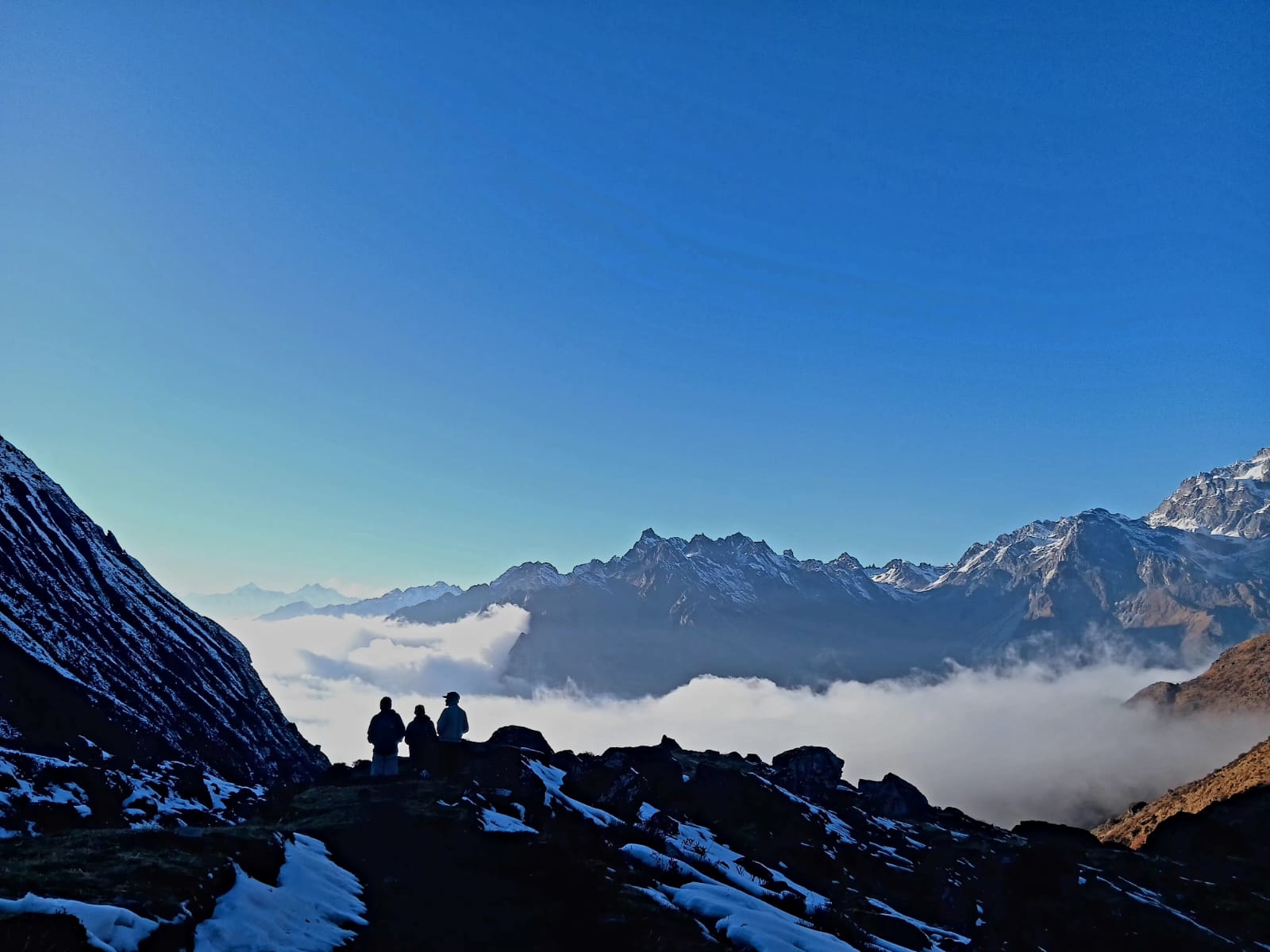
Remote Trekking in Nepal: The Best Off-the-Beaten-Path Treks
Madan NeupaneNovember 26, 20264 min read
Remote trekking in Nepal beyond Everest and Annapurna: why Kanchenjunga leads the list, the other remote treks of eastern Nepal compared, and how to prepare for permits, seasons and days offline.
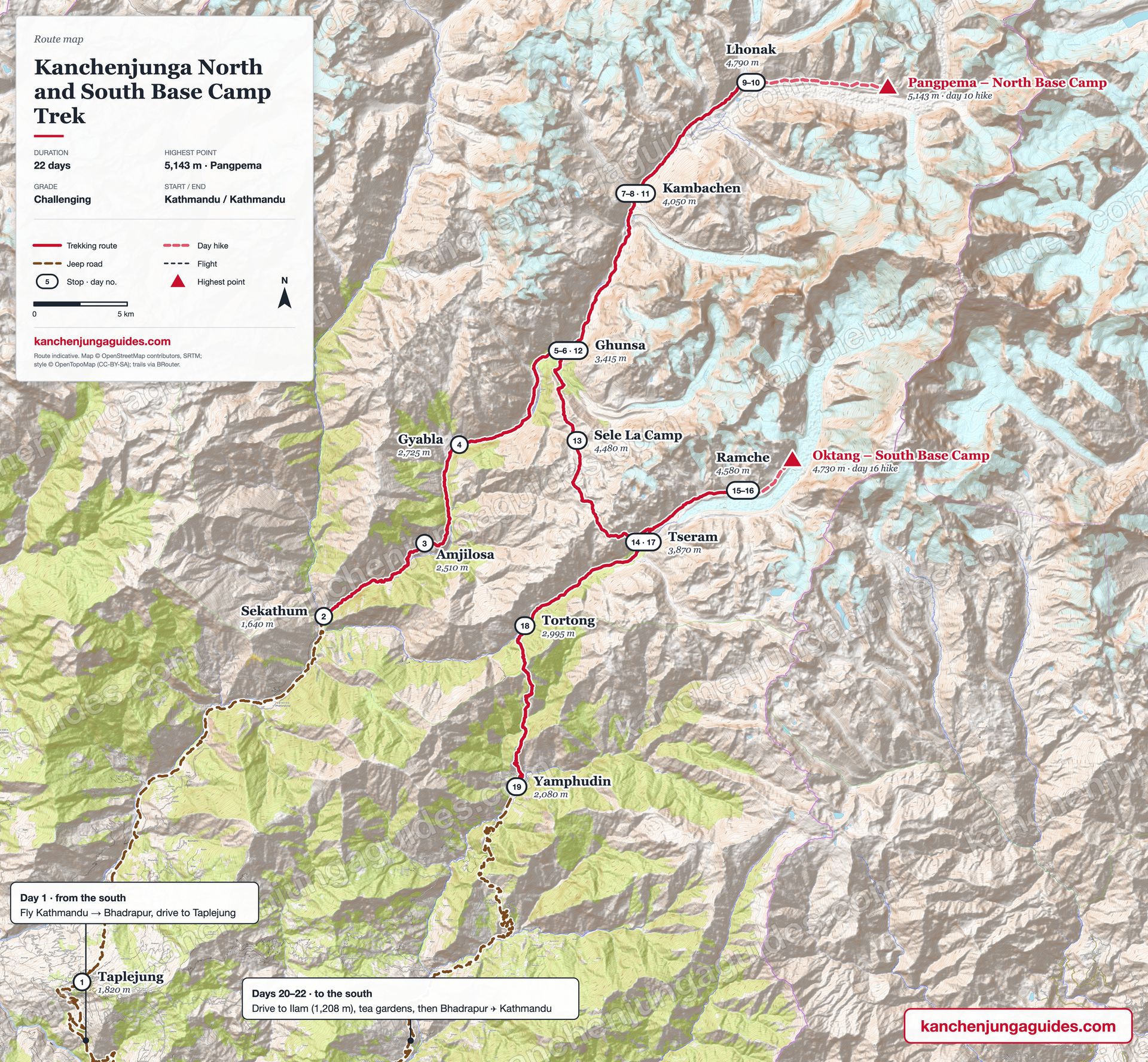
Kanchenjunga Trek Map: Route Maps for Every Itinerary
Madan NeupaneNovember 26, 20263 min read
Kanchenjunga trek maps for the North Base Camp, South Base Camp, full circuit and express routes, with an altitude profile, the trail signs you will meet and tips for navigating offline.
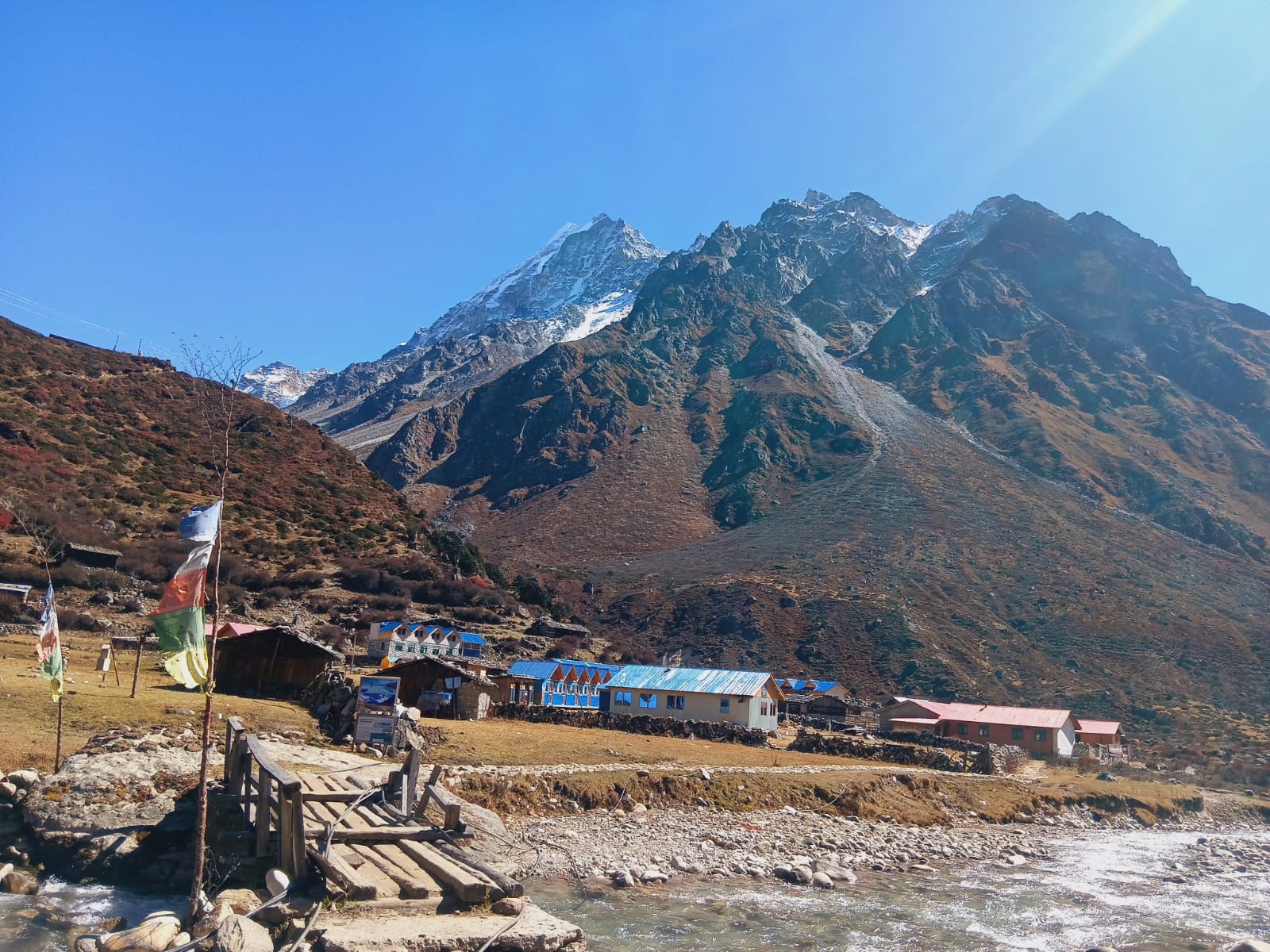
Kanchenjunga Trek Route: Village-by-Village Trail Guide
Madan NeupaneNovember 26, 20265 min read
The Kanchenjunga trek route explained: the northern trail to Pangpema, the southern trail to Oktang, the Sele La crossing that links them, and the altitude and distance of every stop.