Trek Guide
How Mountaineering Expeditions Differ From Kanchenjunga Trekking
Do you need to be a climber to go to Kanchenjunga? No. How the base camp trek differs from a summit expedition in skills, gear, duration, permits, risk and cost.

On this page
"Do I have to be a climber to go to Kanchenjunga?" It is one of the questions we hear most often. No: trekking to Kanchenjunga Base Camp and climbing Kanchenjunga are completely different undertakings. Here is how they compare.
Trekking vs Mountaineering at a Glance
- Goal: trekkers reach Pangpema (North Base Camp, 5,143 m) or the Oktang viewpoint (4,730 m). Mountaineers aim for the summit at 8,586 m.
- Duration: a trek takes about 14–23 days. An expedition takes about 6–8 weeks.
- Skills: trekking needs good fitness and the ability to walk 6–8 hours a day. Mountaineering needs advanced ice and rock skills and previous 7,000–8,000 m experience.
- Equipment: trekkers need boots, layers and a warm sleeping bag. Climbers need crampons, an ice axe, a harness, ropes, high-altitude boots, supplemental oxygen and more.
- Accommodation: trekkers stay in local teahouses. Climbers use tents at base camp and high camps.
- Permits: trekkers need a Restricted Area Permit and KCAP. Climbers also need a government climbing permit with a summit fee, and a liaison officer.
- Support: trekkers have a guide and porters. Climbers have high-altitude climbing Sherpas, cooks and a full expedition crew.
- Risk: trekking carries risks from altitude and remoteness. Climbing faces extreme danger: avalanches, the death zone, technical falls.
- Cost: a trek costs a few thousand US dollars. An expedition costs tens of thousands.
What Trekking Involves
On a Kanchenjunga trek you walk established trails through villages and forests, sleep in teahouses and climb gradually to base camp, then walk back out. You need:
- Good fitness for long walking days
- Patience with acclimatisation
- Basic trekking gear
- A licensed guide (mandatory) and ideally a porter
No climbing skills, ropes or crampons are needed on the standard base camp routes (microspikes may help on snowy passes in some seasons). Read how difficult the trek is.
What a Kanchenjunga Expedition Involves
Climbing Kanchenjunga means:
- Weeks of acclimatisation rotations between base camp and high camps
- Fixing ropes on steep ice and rock
- Climbing through avalanche-prone terrain
- A long summit push in the "death zone" above 8,000 m, usually with supplemental oxygen
- An experienced expedition company and climbing Sherpas
Kanchenjunga is one of the most serious 8,000 m peaks, for highly experienced mountaineers only. Read why Kanchenjunga is so difficult to climb.
Where Trekkers and Climbers Meet
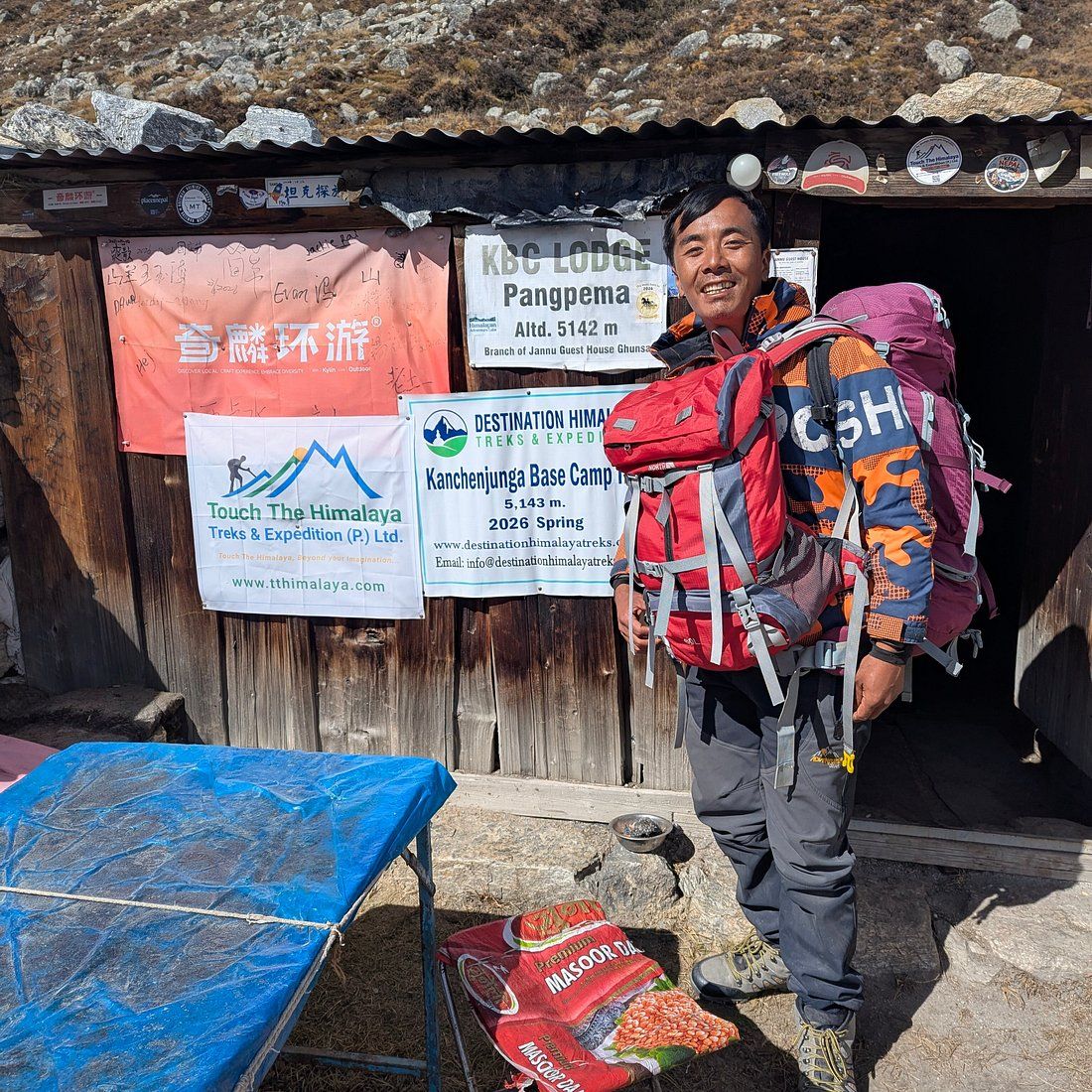
Expeditions on the north side often set up base camp near Pangpema, the same place trekkers reach on the North Base Camp trek. In the climbing seasons, you may see expedition tents and climbers preparing for the mountain. It is a great chance to see what a real 8,000 m expedition looks like.
Thinking About Climbing One Day?
The path from trekker to high-altitude climber usually goes:
- Several high trekking routes, such as Kanchenjunga, Everest Base Camp or the Manaslu Circuit
- A mountaineering course covering crampons, ice axe and rope skills
- Trekking peaks in Nepal (around 6,000 m)
- 7,000 m peaks
- An easier 8,000 m peak first, before considering Kanchenjunga
Start with the Trek
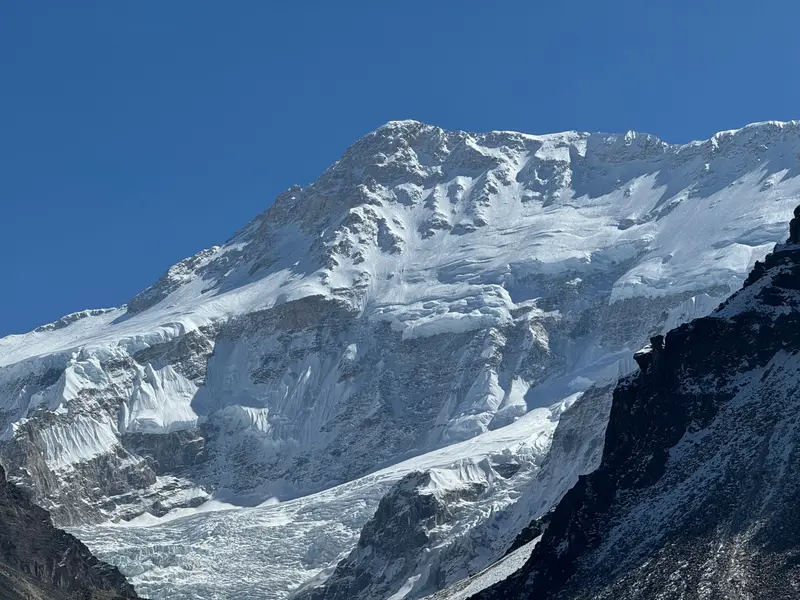
For almost everyone, the Kanchenjunga base camp trek is the perfect way to experience this mighty mountain. Explore our North Base Camp Trek or the North and South Base Camp Trek.
Related reading: What is the death zone?
Frequently Asked Questions
Is the Kanchenjunga trek mountaineering?
No. Trekking follows marked trails to base camp viewpoints. Climbing the summit needs expedition permits, ropes and technical experience.
Do I need climbing skills?
No technical skills are needed for the trek, only good fitness and acclimatisation.
Ready to see it yourself? Explore our Kanchenjunga Base Camp Trek with local guides.
Plan with local guides
Ready to walk the Kanchenjunga trail?
Tell us your dates and pace. We’ll sort permits, guides and a route that fits — straight from the people who live here.
Keep reading
Other Blogs
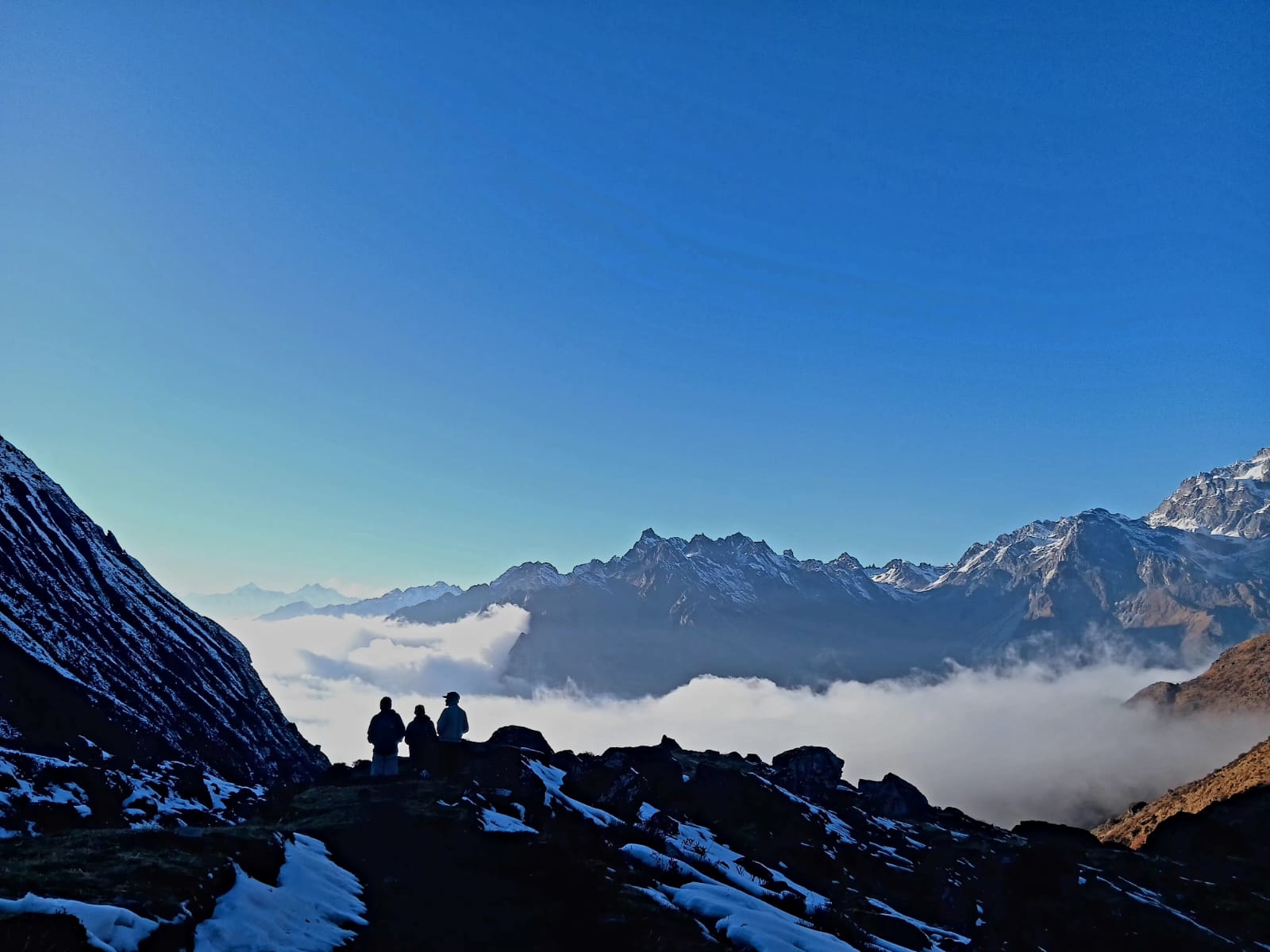
Remote Trekking in Nepal: The Best Off-the-Beaten-Path Treks
Madan NeupaneNovember 26, 20264 min read
Remote trekking in Nepal beyond Everest and Annapurna: why Kanchenjunga leads the list, the other remote treks of eastern Nepal compared, and how to prepare for permits, seasons and days offline.
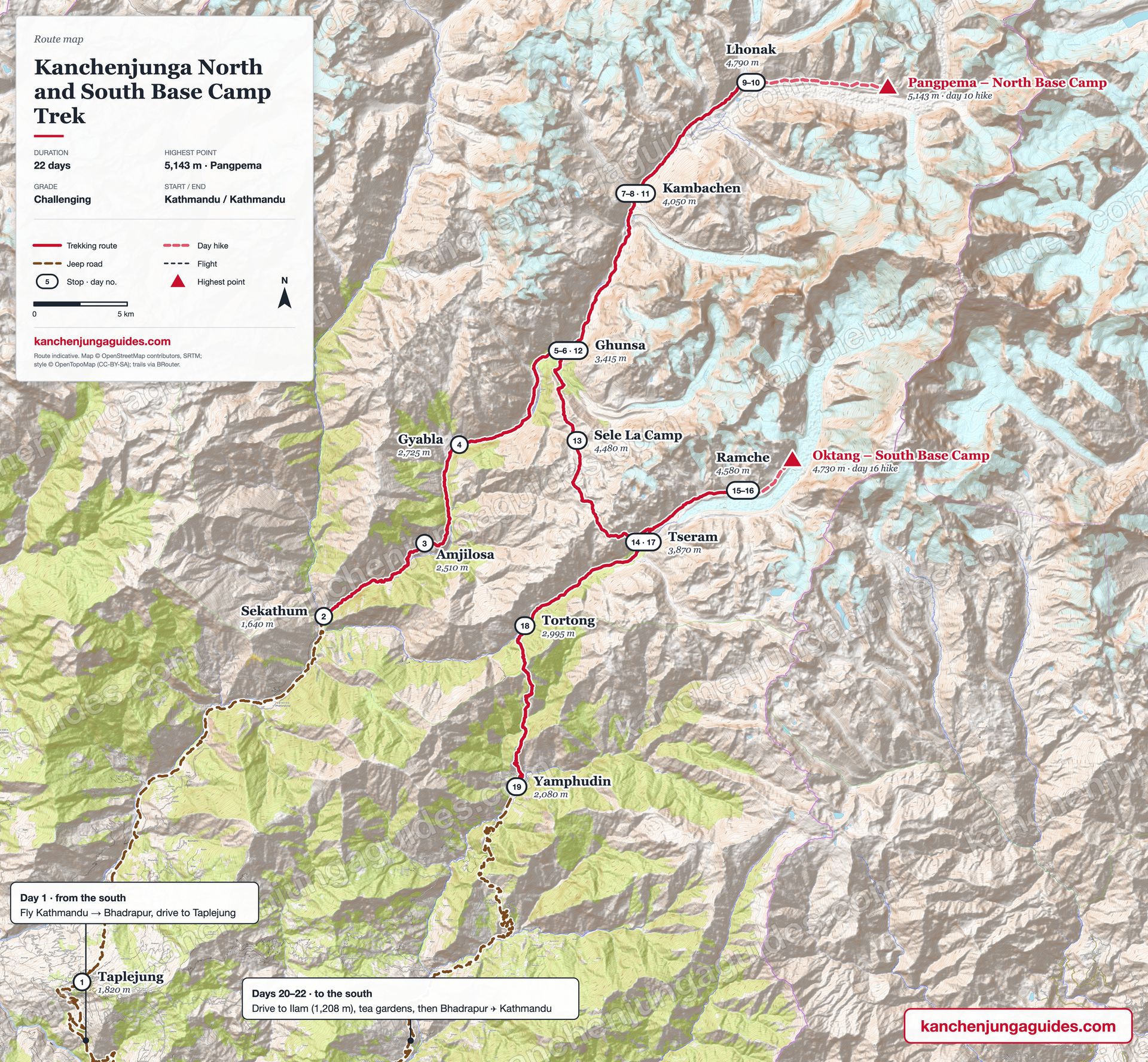
Kanchenjunga Trek Map: Route Maps for Every Itinerary
Madan NeupaneNovember 26, 20263 min read
Kanchenjunga trek maps for the North Base Camp, South Base Camp, full circuit and express routes, with an altitude profile, the trail signs you will meet and tips for navigating offline.
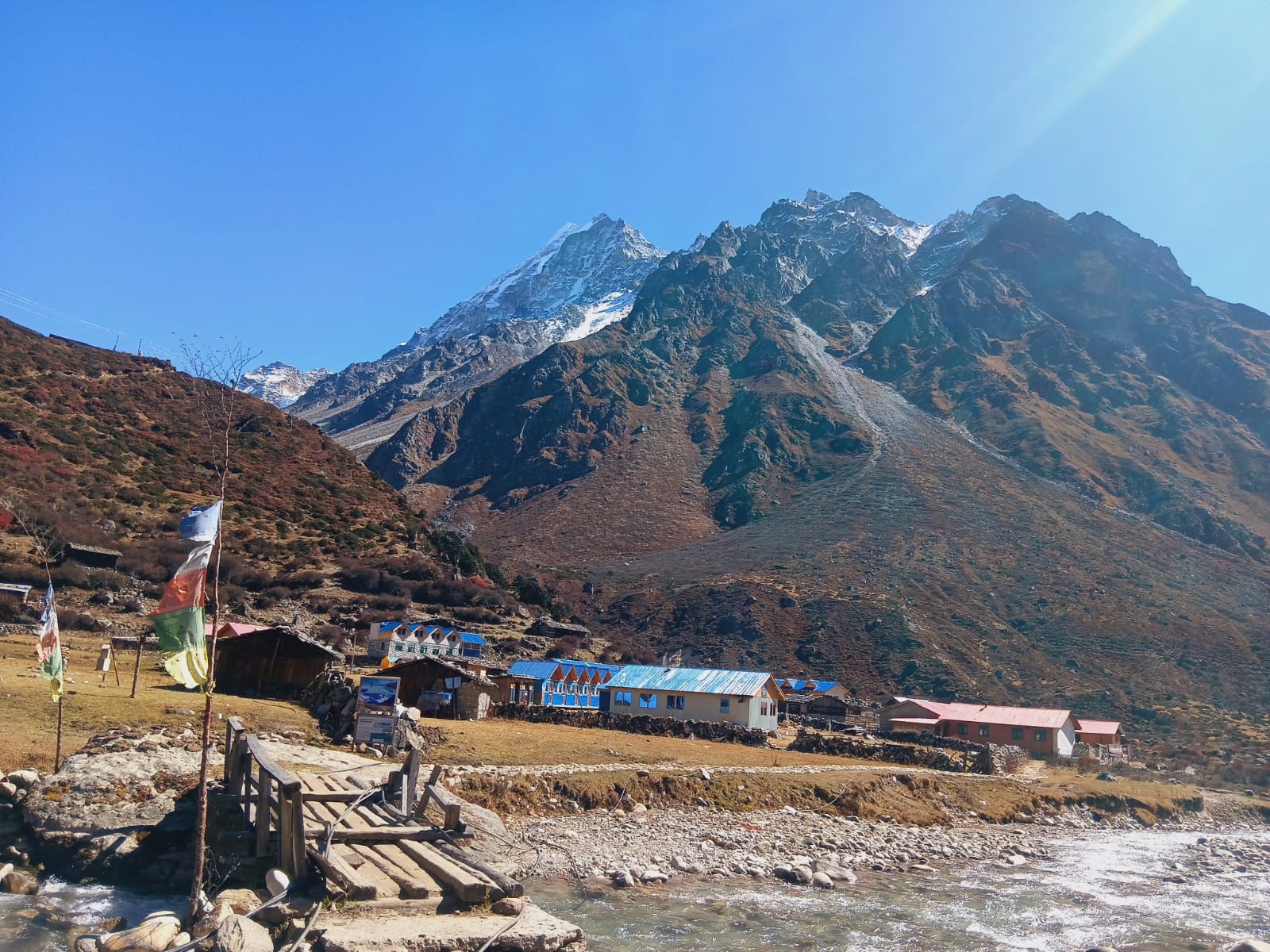
Kanchenjunga Trek Route: Village-by-Village Trail Guide
Madan NeupaneNovember 26, 20265 min read
The Kanchenjunga trek route explained: the northern trail to Pangpema, the southern trail to Oktang, the Sele La crossing that links them, and the altitude and distance of every stop.