Stories from the Trail
Why Kanchenjunga Is Considered a Difficult 8,000-Metre Mountain
Why is Kanchenjunga one of the most serious 8,000 m peaks? Avalanches, long summit ridges, remoteness, weather and technical climbing, plus key climbing milestones.

On this page
Kanchenjunga is the third-highest mountain in the world, but it sees only a small fraction of the climbers who attempt Everest. Mountaineers consider it one of the most serious of the fourteen 8,000 m peaks, because of avalanche danger, long and exposed summit ridges, unpredictable weather and its remoteness.
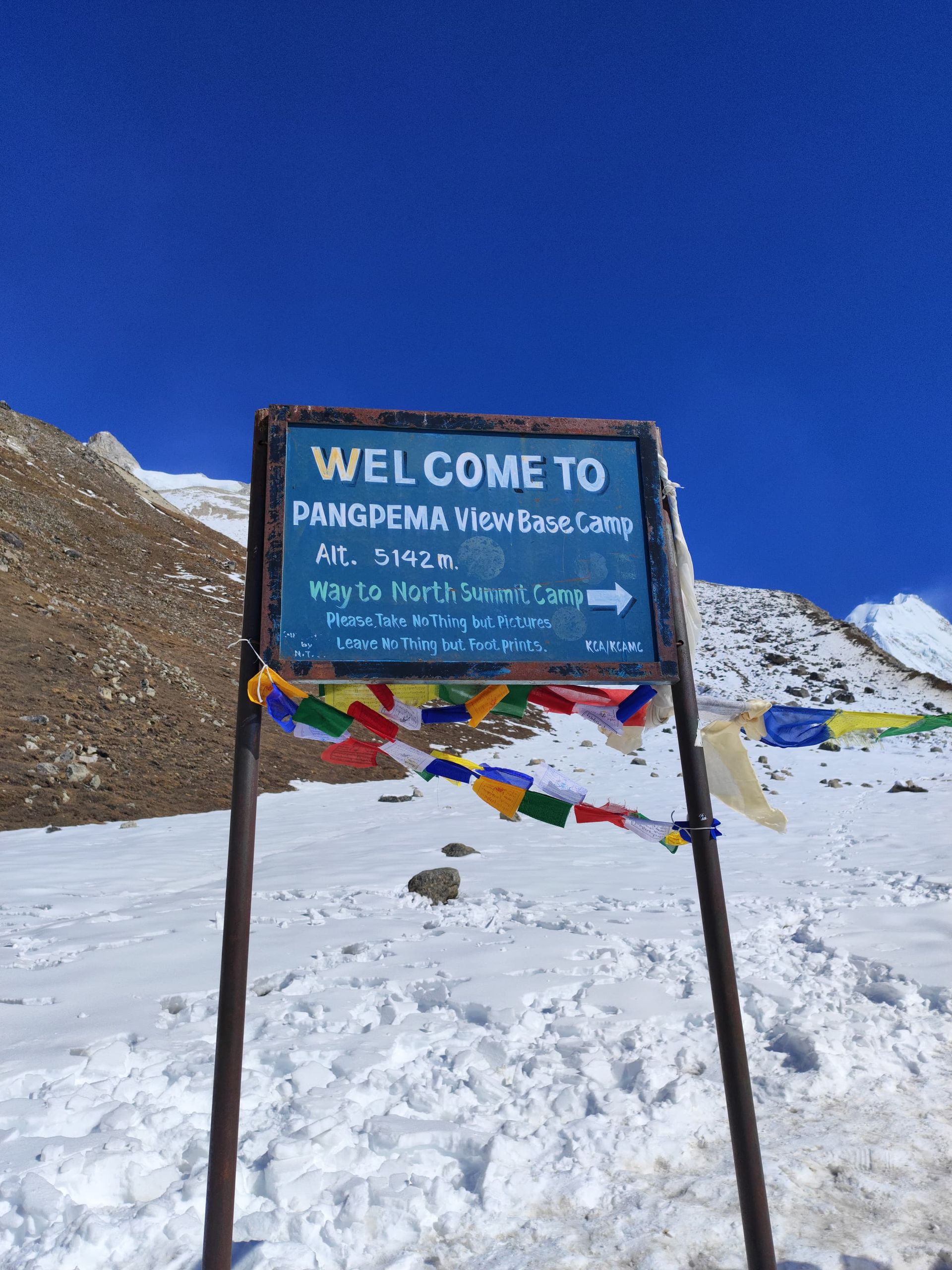
This article is about climbing the mountain. The base camp treks to Pangpema and Oktang are challenging walks that need no climbing skills.
At a Glance
- Height: 8,586 m
- First ascent: 1955, from the Yalung side, by Joe Brown and George Band
- First winter ascent: 1986, by the Polish climbers Jerzy Kukuczka and Krzysztof Wielicki
- Main routes: the south-west face from the Yalung Glacier (Nepal) and the north face from the Pangpema side
- Reputation: historically one of the most dangerous 8,000 m peaks
1. Avalanche Danger
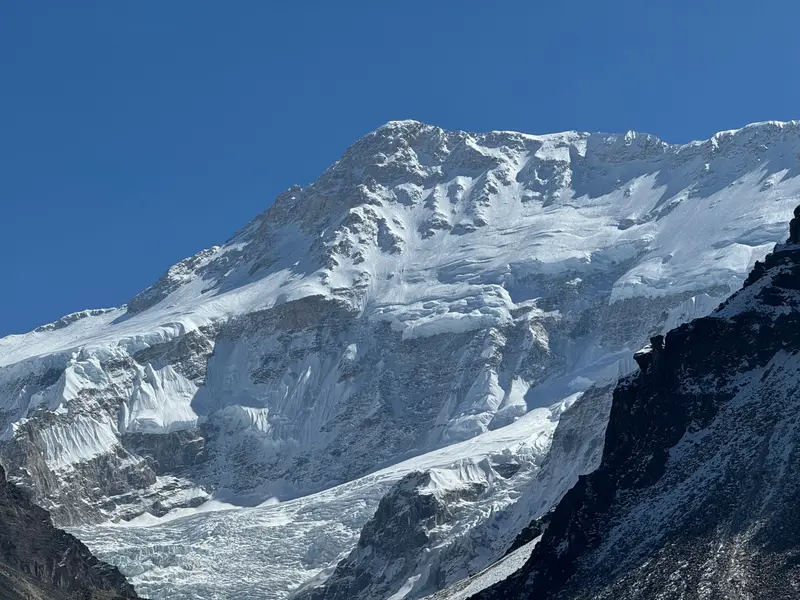
Kanchenjunga's huge faces are loaded with hanging glaciers and deep snow. Avalanches have defeated expeditions since the very first attempts in 1905 and 1930, and remain the biggest objective danger on the mountain.
2. Long, High Summit Ridges
The upper mountain involves long stretches above 8,000 m on exposed ridges and rock bands. Summit days are long and tiring, with very little oxygen, so climbers spend more time in the "death zone" than on many other peaks.
3. Remoteness
Unlike Everest, there is no bustling base camp village with fast helicopter access and large support teams. Just reaching base camp means a long journey through eastern Nepal and days of trekking. Rescue is slower and harder.
4. Fewer Climbers, Less Infrastructure
Because fewer expeditions attempt Kanchenjunga, there are fewer teams to share route-fixing, rope-setting and trail-breaking. In some seasons, climbers must break deep snow and fix ropes themselves.
5. Unpredictable Weather
Kanchenjunga is the easternmost of the great 8,000 m peaks and is exposed to moisture from the Bay of Bengal. That brings heavier snowfall and more unsettled weather than further west, which makes summit windows short and uncertain.
6. Technical Sections
Steep ice, mixed rock and snow slopes, and difficult rock steps near the summit, including the final crack climbed by Joe Brown in 1955, demand real mountaineering skill and experience at extreme altitude.
Kanchenjunga Climbing Milestones
- 1905: the first serious attempt, on the Yalung side, ended in tragedy
- 1955: the first ascent (British expedition, led by Charles Evans)
- 1986: the first winter ascent (Kukuczka and Wielicki)
- 1998: Ginette Harrison became the first woman to reach the summit
Read the full story of the first ascent and the early British expeditions.
Climbing vs Trekking: Don't Worry!
Trekkers do not climb the mountain. The base camp treks to Pangpema (5,143 m) and Oktang (4,730 m) need good fitness and acclimatisation, but no ropes, crampons or technical skills. You walk on established trails and stay in teahouses, with the mountain's great faces rising above you.
See the Mountain for Yourself
Stand where expeditions begin on our North Base Camp Trek, or see both faces on the North and South Base Camp Trek. Learn more about the five peaks of Kanchenjunga.
Related reading: What is the death zone?
Frequently Asked Questions
Why is Kanchenjunga hard to climb?
It combines extreme altitude, harsh weather, long approaches and technical terrain. Few climbers reach the summit each year.
Can trekkers climb it?
No. Trekking goes to base camp viewpoints only. A summit attempt is an expedition for experienced climbers.
Ready to see it yourself? Explore our Kanchenjunga Base Camp Trek with local guides.
Plan with local guides
Ready to walk the Kanchenjunga trail?
Tell us your dates and pace. We’ll sort permits, guides and a route that fits — straight from the people who live here.
Keep reading
Other Blogs
Remote Trekking in Nepal: The Best Off-the-Beaten-Path Treks
Madan NeupaneNovember 26, 20264 min read
Remote trekking in Nepal beyond Everest and Annapurna: why Kanchenjunga leads the list, the other remote treks of eastern Nepal compared, and how to prepare for permits, seasons and days offline.
Kanchenjunga Trek Map: Route Maps for Every Itinerary
Madan NeupaneNovember 26, 20263 min read
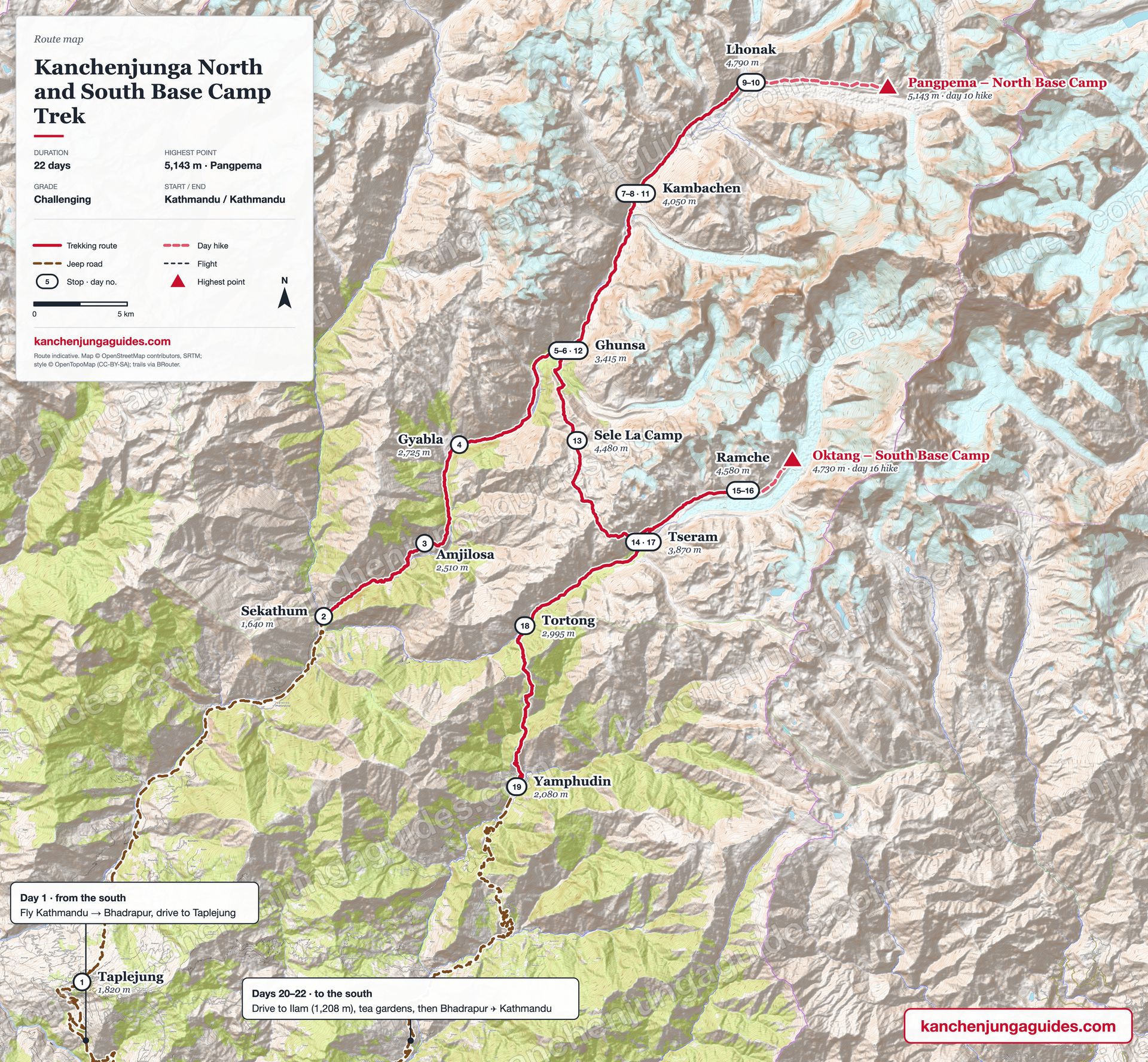
Kanchenjunga trek maps for the North Base Camp, South Base Camp, full circuit and express routes, with an altitude profile, the trail signs you will meet and tips for navigating offline.
Kanchenjunga Trek Route: Village-by-Village Trail Guide
Madan NeupaneNovember 26, 20265 min read
The Kanchenjunga trek route explained: the northern trail to Pangpema, the southern trail to Oktang, the Sele La crossing that links them, and the altitude and distance of every stop.