Stories from the Trail
Who Climbed Kanchenjunga First? The 1955 First Ascent
In 1955 Joe Brown and George Band climbed Kanchenjunga and stopped just short of the summit to respect the sacred mountain. The story of the first ascent and the attempts before it.

On this page
On 25 May 1955, two young British climbers, Joe Brown and George Band, climbed to within a few metres of the summit of Kanchenjunga, and then stopped. They deliberately left the very top untouched, keeping a promise to respect the sacred mountain. It is one of the most remarkable stories in Himalayan climbing, and a tradition many climbers still follow today.
Key Facts
- Date: 25 May 1955 (a second pair followed on 26 May)
- Summit climbers: Joe Brown and George Band, then Norman Hardie and Tony Streather
- Expedition leader: Charles Evans
- Route: from the Yalung Glacier on the south-west side, the side you see from Oktang today
- Unusual detail: they stopped just short of the true summit
Early Attempts: 1905 to the 1930s
Kanchenjunga has a long history of failed and tragic attempts:
- 1905: an expedition including the occultist Aleister Crowley tried the Yalung side. It ended in disaster when an avalanche killed several members.
- 1929–1931: German expeditions led by Paul Bauer made bold attempts on the north-east spur from Sikkim but were turned back by storms and steep ice.
- 1930: an international expedition attempted the north-west side and was defeated by avalanches.
For decades, many climbers considered Kanchenjunga more dangerous than Everest.
The 1955 British Expedition
Charles Evans, who had been deputy leader on the 1953 Everest expedition, led a team to reconnoitre and attempt the mountain from Nepal's Yalung side. They pushed a route up the steep south-west face, past a dangerous icefall and up a gully to the summit ridge.
Why They Stopped Short of the Summit
Kanchenjunga is sacred to the people of Sikkim, where the mountain is worshipped as a protective deity. Before the expedition, the team promised that they would not stand on the very highest point.
So on 25 May, after climbing a final difficult rock crack just below the top (graded hard even by Joe Brown's standards), Brown and Band stopped a short distance below the summit, with the top clearly within reach. The next day, Norman Hardie and Tony Streather reached the same point.
This act of respect started a tradition: many climbers since have stopped just below the true summit of Kanchenjunga.
Who Were Joe Brown and George Band?
- Joe Brown: a plumber from Manchester and one of Britain's greatest rock climbers. Kanchenjunga was his first Himalayan expedition.
- George Band: a geology graduate who, at 23, had been the youngest member of the 1953 Everest team.
Their success on one of the hardest 8,000 m peaks made them mountaineering legends.
Kanchenjunga Climbing Since 1955
Other routes followed, including the north face from Nepal. The mountain remains one of the most serious 8,000 m peaks because of avalanches, its remoteness and its long, high summit ridges.
Walk in the Footsteps of History
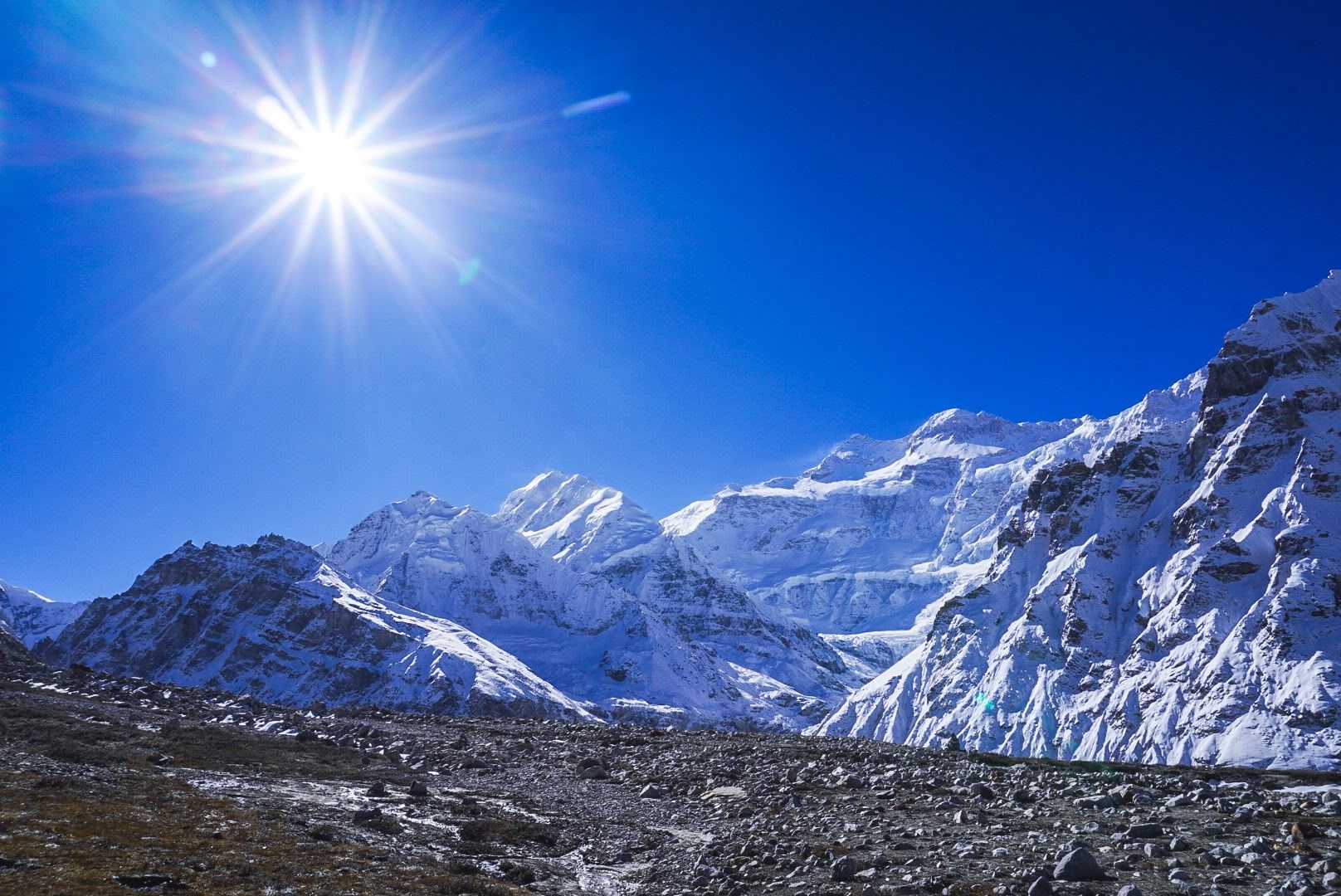
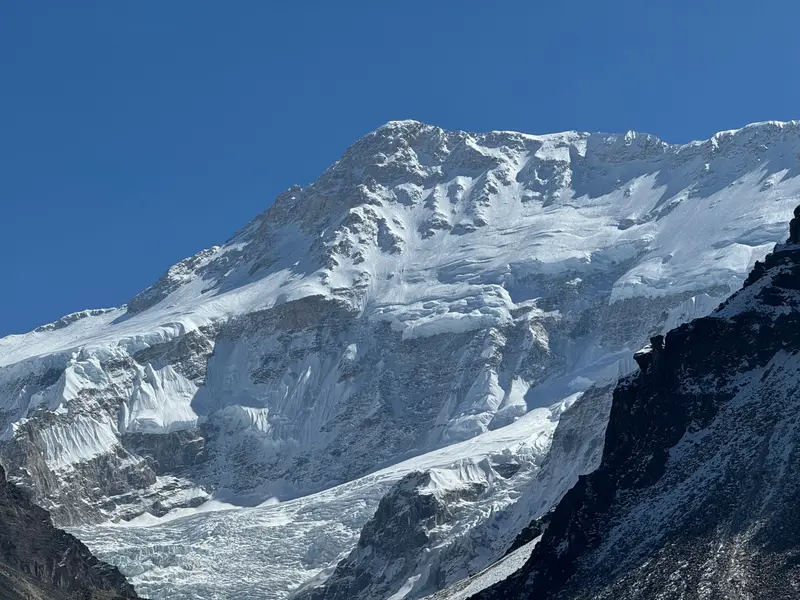
You do not need to be a mountaineer to see the face the 1955 team climbed. From the Oktang viewpoint on the South Base Camp trek, you look up at the Yalung side. From Pangpema on the north side, you see the north face where many later expeditions set up base camp.
Explore the South Base Camp Trek or the North and South Base Camp Trek, and learn about the five peaks of Kanchenjunga.
Frequently Asked Questions
Who first climbed Kanchenjunga?
Joe Brown and George Band of a British expedition reached the summit area on 25 May 1955.
Did they stand on the very top?
They stopped just short to honour the promise not to desecrate the sacred summit.
Ready to see it yourself? Explore our Kanchenjunga Base Camp Trek with local guides.
Plan with local guides
Ready to walk the Kanchenjunga trail?
Tell us your dates and pace. We’ll sort permits, guides and a route that fits — straight from the people who live here.
Keep reading
Other Blogs
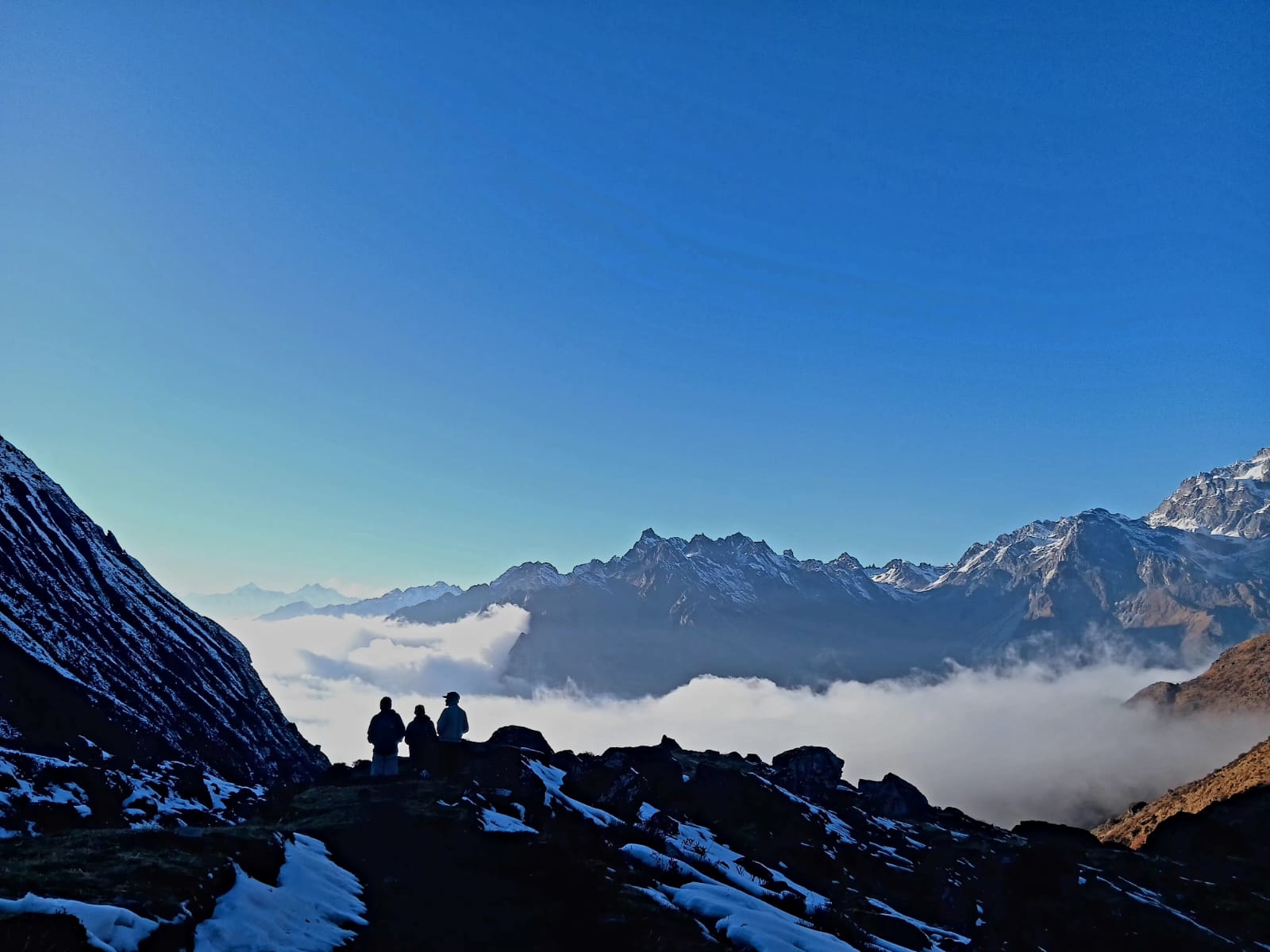
Remote Trekking in Nepal: The Best Off-the-Beaten-Path Treks
Madan NeupaneNovember 26, 20264 min read
Remote trekking in Nepal beyond Everest and Annapurna: why Kanchenjunga leads the list, the other remote treks of eastern Nepal compared, and how to prepare for permits, seasons and days offline.
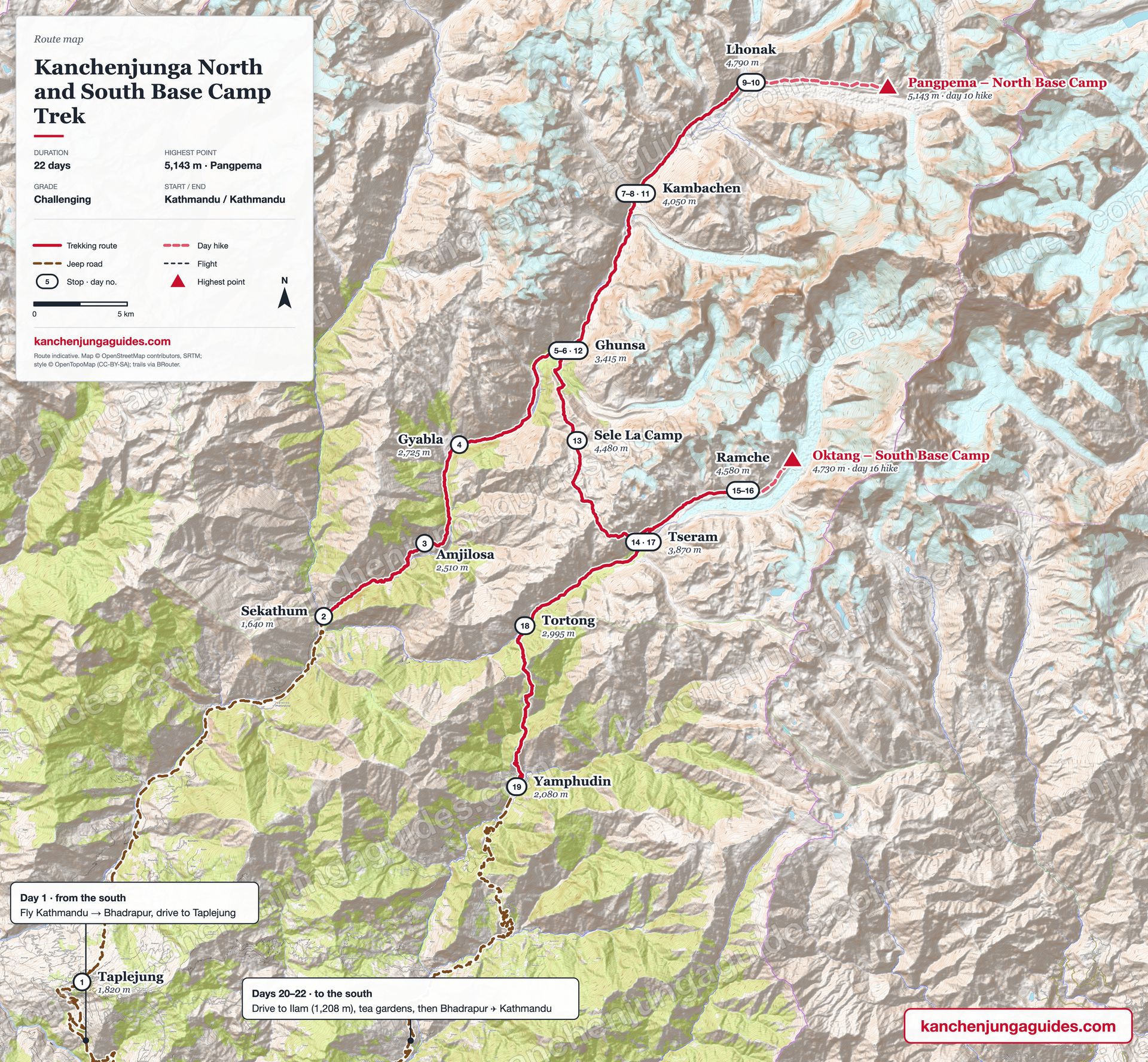
Kanchenjunga Trek Map: Route Maps for Every Itinerary
Madan NeupaneNovember 26, 20263 min read
Kanchenjunga trek maps for the North Base Camp, South Base Camp, full circuit and express routes, with an altitude profile, the trail signs you will meet and tips for navigating offline.
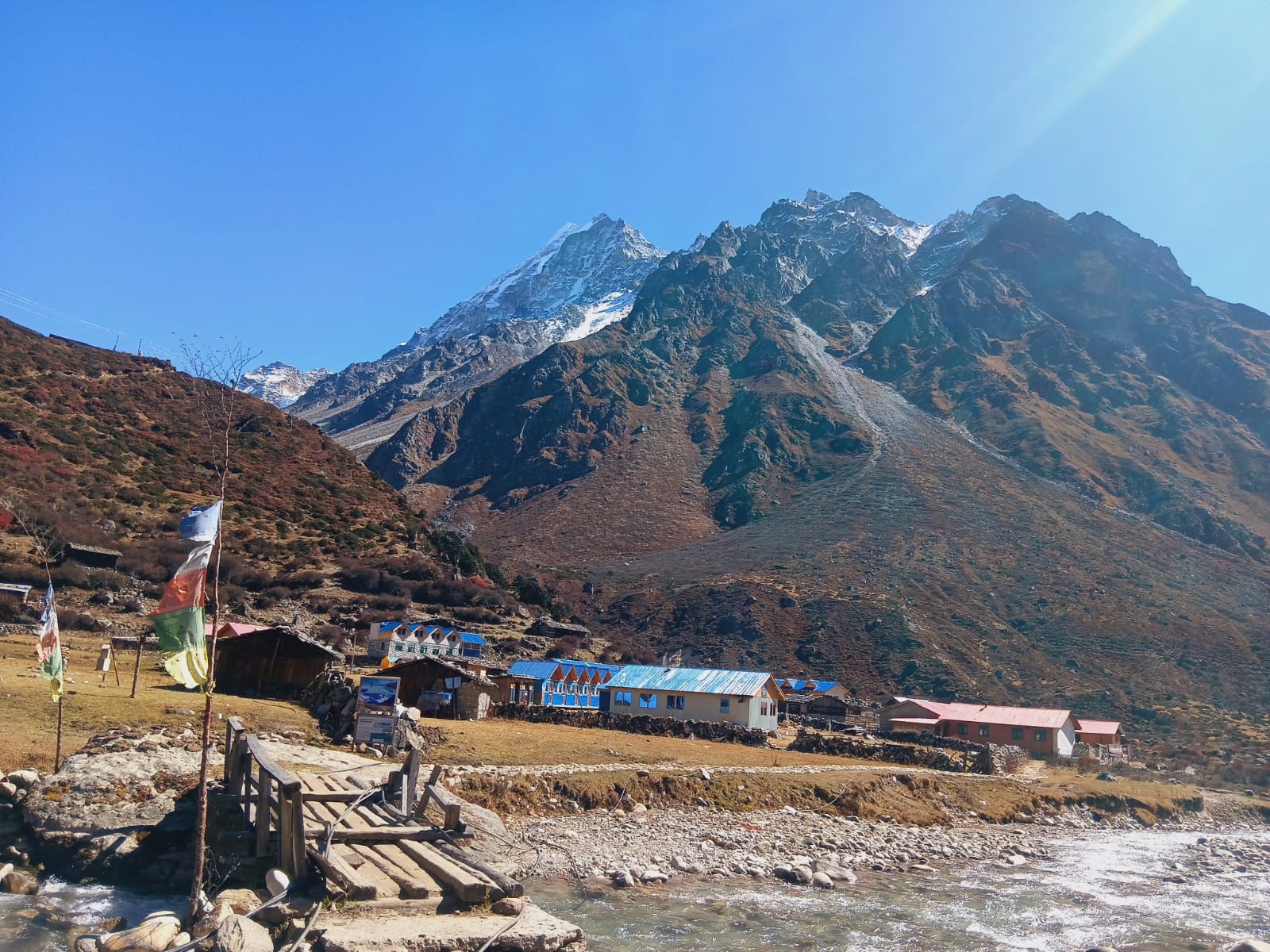
Kanchenjunga Trek Route: Village-by-Village Trail Guide
Madan NeupaneNovember 26, 20265 min read
The Kanchenjunga trek route explained: the northern trail to Pangpema, the southern trail to Oktang, the Sele La crossing that links them, and the altitude and distance of every stop.