Gear & Packing
How to Protect Your Electronics During a Himalayan Trek
Cold batteries, solar charging, rain, dust and condensation: answers to the questions trekkers ask most about keeping phones and cameras working on the Kanchenjunga trek, plus rain covers vs dry bags.

On this page
Rain on the lower trail, dust on the moraine, nights well below freezing and patchy power in the high villages: a three-week trek is hard on a phone and a camera. These are the questions trekkers ask us most often before they go.
Will my phone and camera batteries survive the cold?
They'll drain much faster. Lithium batteries lose charge quickly below freezing, so a phone at 60% at dinner can be dead by morning. At night, put your phone, camera batteries and power bank inside your sleeping bag. During the day, carry them in an inside pocket, close to your body.
Can I charge my devices along the trail?
Yes, in most teahouses. In the lower villages there is usually grid or hydro power. Higher up, power often comes from solar panels, it's limited, and lodges usually charge a fee per device. On cloudy days there may be none at all. Bring a power bank of 10,000–20,000 mAh, and a small solar panel if you rely on a camera.
What plug and cable do I need?
Nepal mostly uses round two-pin and three-pin sockets (types C, D and M). A universal adapter covers everything. Bring a short multi-port USB charger, so you can charge everything from one socket. Others will be waiting for it too.
Is a rain cover enough to keep my pack dry?
Not on its own. Rain covers protect the outside of your pack, but water still gets in through the back panel and straps in heavy rain, and covers can blow off in wind.
So should I use dry bags instead?
Use both. A rain cover keeps your pack from soaking up water and getting heavy. Dry bags or a pack liner keep what's inside actually dry. If you can only bring one, choose a liner: a tough plastic bag inside your pack works.
- Rain cover: light and quick, keeps mud off, but leaks in a downpour
- Pack liner: one big waterproof bag inside your pack, cheap and reliable
- Dry bags: smaller, colour-coded bags for electronics, documents and spare clothes
Put the porter's duffel bag in a liner too. Duffels sit on top of loads in the rain.
How do I keep dust out of my camera?
The moraine above Lhonak and Ramche is dusty and windy. Change lenses inside a teahouse or with your back to the wind, keep the camera in a zipped bag when you're not using it, and bring a blower and a microfibre cloth.
What about condensation?
When you bring a cold camera into a warm dining room, water can condense inside it. Put it in a sealed plastic bag before you go in, and let it warm up slowly before you open the bag.
Will I have phone signal?
In some villages, yes, but not reliably. Coverage is patchy and some teahouses offer paid wifi. Download offline maps and your documents before you leave Kathmandu, and tell people at home not to worry if you go quiet for a few days.
What's a sensible electronics kit?
- Phone in a waterproof case, with offline maps
- Power bank, plus a small solar panel if you want
- Universal adapter and multi-port USB charger
- Headlamp with spare batteries
- Dry bags or zip-lock bags for each device
- Camera, spare batteries and a cleaning kit, if you bring one
Photographers should also read our guides to photographing the Milky Way and prayer flags. For the rest of your kit, see the packing list and how to choose a backpack.
Frequently Asked Questions
How do I protect my electronics in the cold?
Keep phones, batteries and power banks inside your jacket or sleeping bag at night, since cold drains batteries quickly.
Can I charge devices on the trek?
Most teahouses offer paid charging or solar points, but supply is limited. Carry a power bank and a spare battery.
Ready to see it yourself? Explore our Kanchenjunga Base Camp Trek with local guides.
Plan with local guides
Ready to walk the Kanchenjunga trail?
Tell us your dates and pace. We’ll sort permits, guides and a route that fits — straight from the people who live here.
Keep reading
Other Blogs
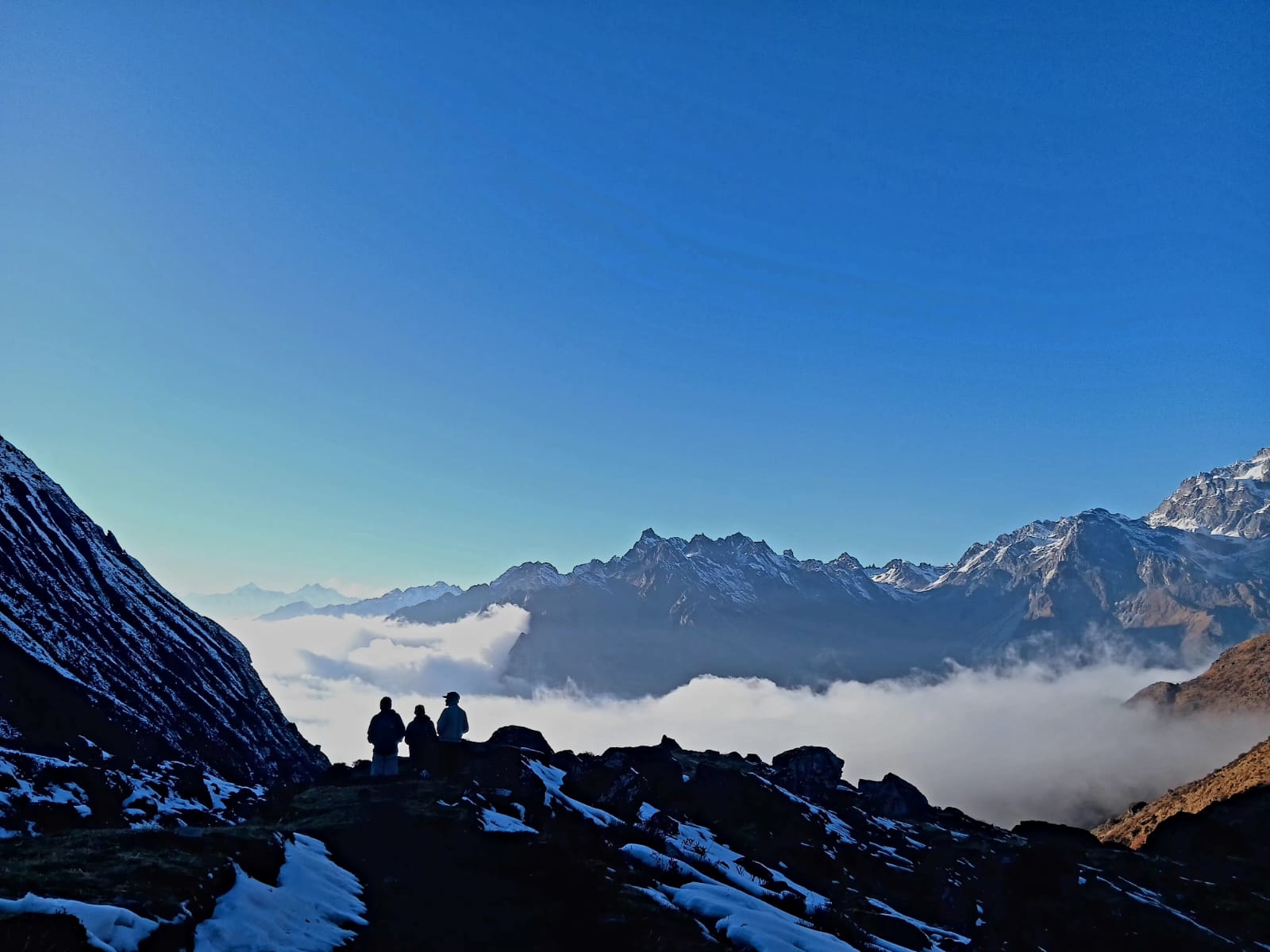
Remote Trekking in Nepal: The Best Off-the-Beaten-Path Treks
Madan NeupaneNovember 26, 20264 min read
Remote trekking in Nepal beyond Everest and Annapurna: why Kanchenjunga leads the list, the other remote treks of eastern Nepal compared, and how to prepare for permits, seasons and days offline.
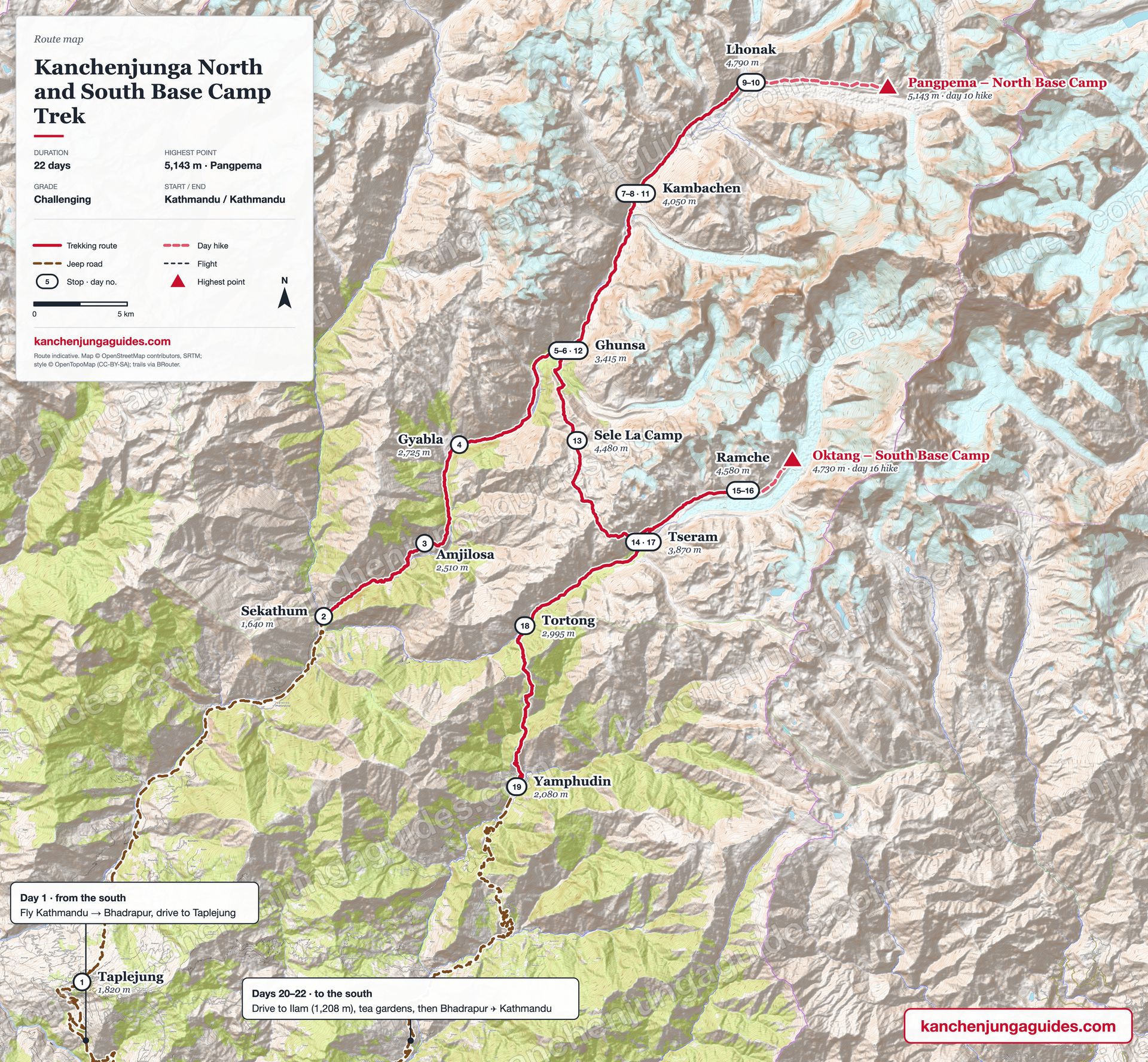
Kanchenjunga Trek Map: Route Maps for Every Itinerary
Madan NeupaneNovember 26, 20263 min read
Kanchenjunga trek maps for the North Base Camp, South Base Camp, full circuit and express routes, with an altitude profile, the trail signs you will meet and tips for navigating offline.
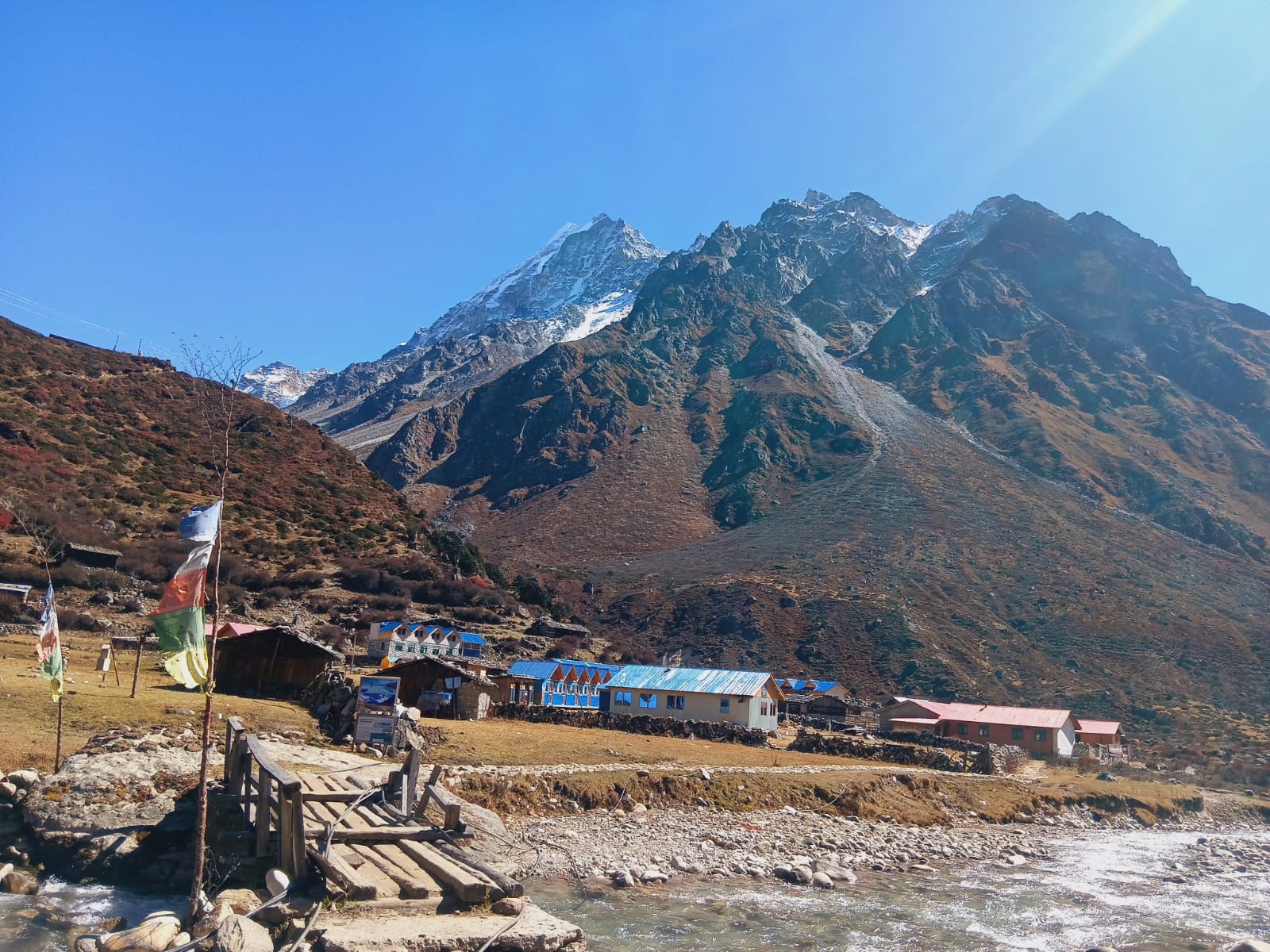
Kanchenjunga Trek Route: Village-by-Village Trail Guide
Madan NeupaneNovember 26, 20265 min read
The Kanchenjunga trek route explained: the northern trail to Pangpema, the southern trail to Oktang, the Sele La crossing that links them, and the altitude and distance of every stop.