

permits practical
Nepal Seeks International Recognition for Six More 8,000-Metre Peaks
Nepal seeks international recognition for six additional 8,000-metre peaks, including four in the Kanchenjunga region. If approved, the proposal would increase Nepal's recognised eight-thousanders from eight to fourteen.
On this page
Nepal Seeks International Recognition for Six More 8,000-Metre Peaks
Nepal has taken a new initiative to secure international recognition for six additional Himalayan peaks above 8,000 metres, potentially increasing the country's internationally recognised eight-thousanders from eight to fourteen.
The proposal was presented by the Nepal Mountaineering Association (NMA) during the 2026 General Assembly of the International Climbing and Mountaineering Federation (UIAA), held in Kathmandu on October 30, 2026.
The proposed peaks include four mountains in the Kanchenjunga region of eastern Nepal and two in the Everest-Lhotse region. If internationally recognised, the proposal would increase the global number of officially recognised mountains above 8,000 metres from 14 to 20.
Six Additional 8,000-Metre Peaks Proposed for Recognition
The Nepal Mountaineering Association has requested separate international recognition for the following six peaks. Each has its own geographical identity, summit and climbing route.
Peaks in the Kanchenjunga Region
Four of the six proposed mountains are located in the Kanchenjunga massif in eastern Nepal.
Mountain | Elevation |
|---|---|
Kanchenjunga South | 8,476 metres |
Kanchenjunga Central | 8,473 metres |
Yalung Khang | 8,505 metres |
Yalung Khang West | 8,077 metres |
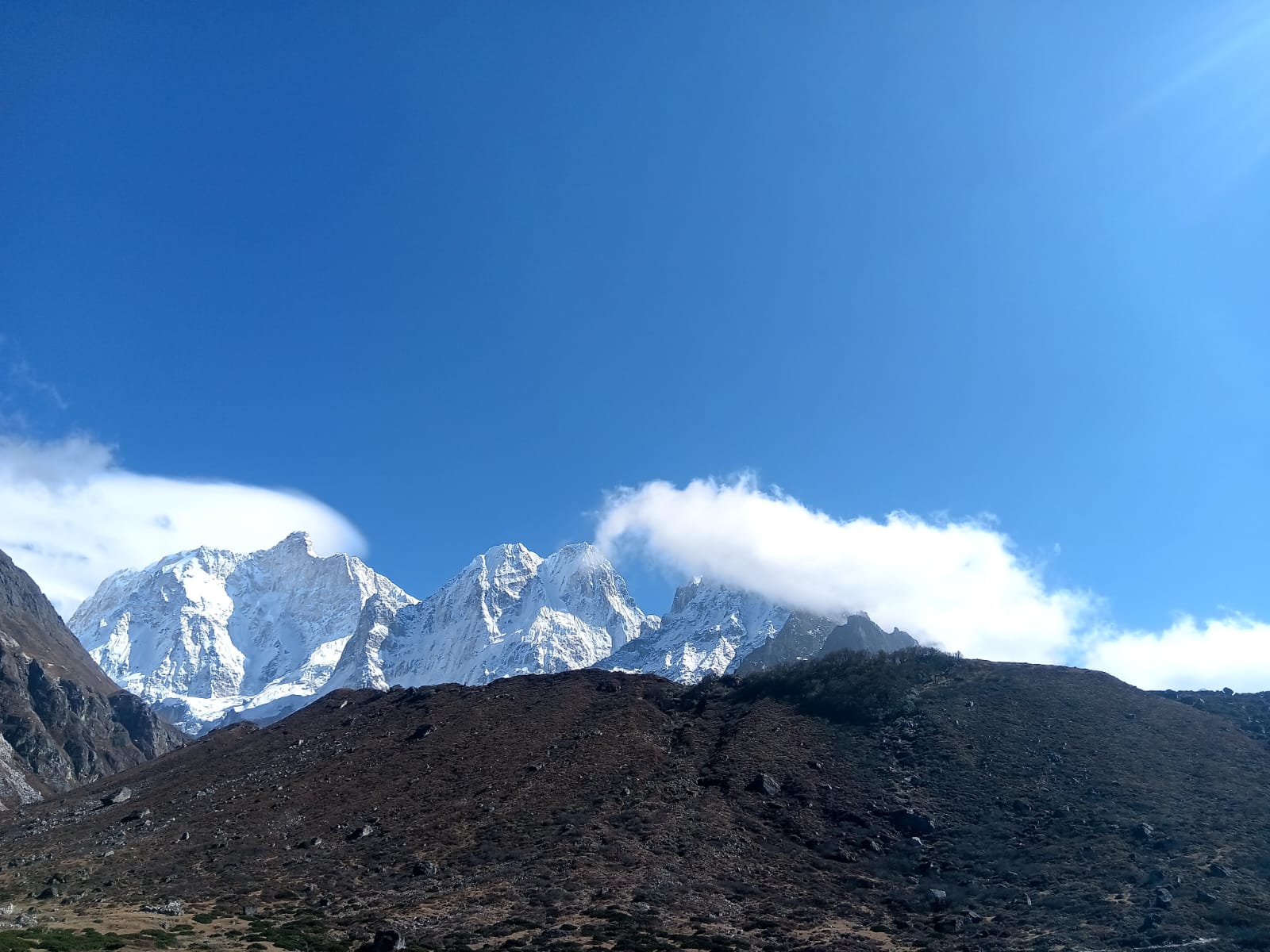
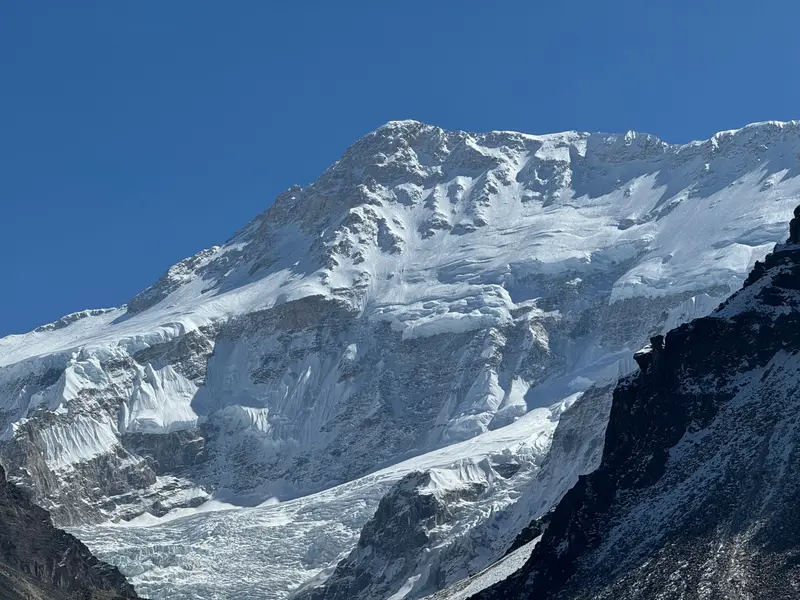
These peaks form part of the wider Kanchenjunga mountain system, which is already home to the world's third-highest mountain, Kanchenjunga (8,586 metres).
Peaks in the Everest-Lhotse Region
The remaining two proposed mountains are located in the Everest-Lhotse massif.
Mountain | Elevation |
|---|---|
Lhotse Middle | 8,410 metres |
Lhotse Shar | 8,400 metres |
Both peaks are being proposed as separate mountains because of their distinct geographical features and independent summit routes.
Why Is Nepal Seeking Recognition for These Mountains?
According to the Nepal Mountaineering Association, the six proposed peaks have individual geographical identities, local names and separate climbing routes.
The association argues that reaching one summit does not mean reaching another. Each mountain requires its own climbing effort, technical preparation and mountaineering experience.
Nepal has already opened these peaks for mountaineering, and climbers have been able to obtain climbing permits. However, they have not yet received separate international recognition as eight-thousanders.
To support the proposal, the NMA formed a five-member expert team led by Madhusudan Adhikari. The team prepared a technical study examining the geographical characteristics, summit identities and climbing routes of the six mountains.
The association is seeking a scientific and professional assessment from the international mountaineering community.
What Could This Mean for Nepal's Mountaineering Industry?
If the proposal receives international recognition, Nepal would have 14 of the world's 20 officially recognised mountains above 8,000 metres.
This could further strengthen Nepal's position as one of the world's leading mountaineering destinations.
The recognition may also bring greater international attention to Nepal's high-altitude climbing opportunities, particularly in less-promoted mountain regions such as Kanchenjunga.
Potential benefits include:
- Greater international visibility for Nepal's Himalayan mountains.
- Increased interest in high-altitude mountaineering expeditions.
- More opportunities for mountain research and exploration.
- Greater recognition of local mountain communities and their geographical heritage.
- Additional tourism and economic opportunities in mountain regions.
However, international recognition is still under consideration and does not automatically mean an immediate increase in climbing expeditions or tourism.
Kanchenjunga's Growing International Mountaineering Recognition
For eastern Nepal, this proposal is particularly significant. Four of the six mountains being considered are located in the Kanchenjunga massif.
The Kanchenjunga region is already recognised for its remarkable Himalayan landscapes, remote mountain settlements and challenging climbing routes. The proposed recognition could bring additional international attention to this part of Nepal.
Kanchenjunga is also known for its five great peaks, reflected in its traditional name, Kanchenjunga. The surrounding summits form an important part of the region's natural and geographical identity.
For trekkers and mountaineers, this development highlights the international importance of the wider Kanchenjunga mountain region.
Current Status of the Proposal
As of November 2026, Nepal has formally presented its proposal to the international mountaineering community through the UIAA General Assembly in Kathmandu.
The Nepal Mountaineering Association is seeking a separate assessment and international recognition for all six peaks. The proposal has not yet resulted in their addition to the internationally recognised list of eight-thousanders.
The outcome will depend on further evaluation and international consideration of the mountains' geographical and mountaineering characteristics.
Final Thoughts
Nepal's initiative to secure recognition for six additional mountains above 8,000 metres is an important development for Himalayan mountaineering.
With four proposed peaks located in the Kanchenjunga region, the initiative could bring further international attention to eastern Nepal and its extraordinary mountain landscape.
Whether or not the proposal is accepted, it highlights the importance of recognising Nepal's wider Himalayan heritage, supporting mountain communities and promoting responsible mountaineering.
Source: The Kathmandu Post, October 30, 2026 – Nepal Seeks Recognition for Six More 8,000-Metre Peaks.
Plan with local guides
Ready to walk the Kanchenjunga trail?
Tell us your dates and pace. We’ll sort permits, guides and a route that fits — straight from the people who live here.
Keep reading
Other Blogs
Kanchenjunga Trail Update – November 2026
Madan NeupaneNovember 1, 202610 min read
Follow the latest Kanchenjunga trail updates for November 2026, featuring real trekking photographs, videos, trail conditions, weather observations, village activities, and first-hand reports from our local guides in the Kanchenjunga region of Nepal.
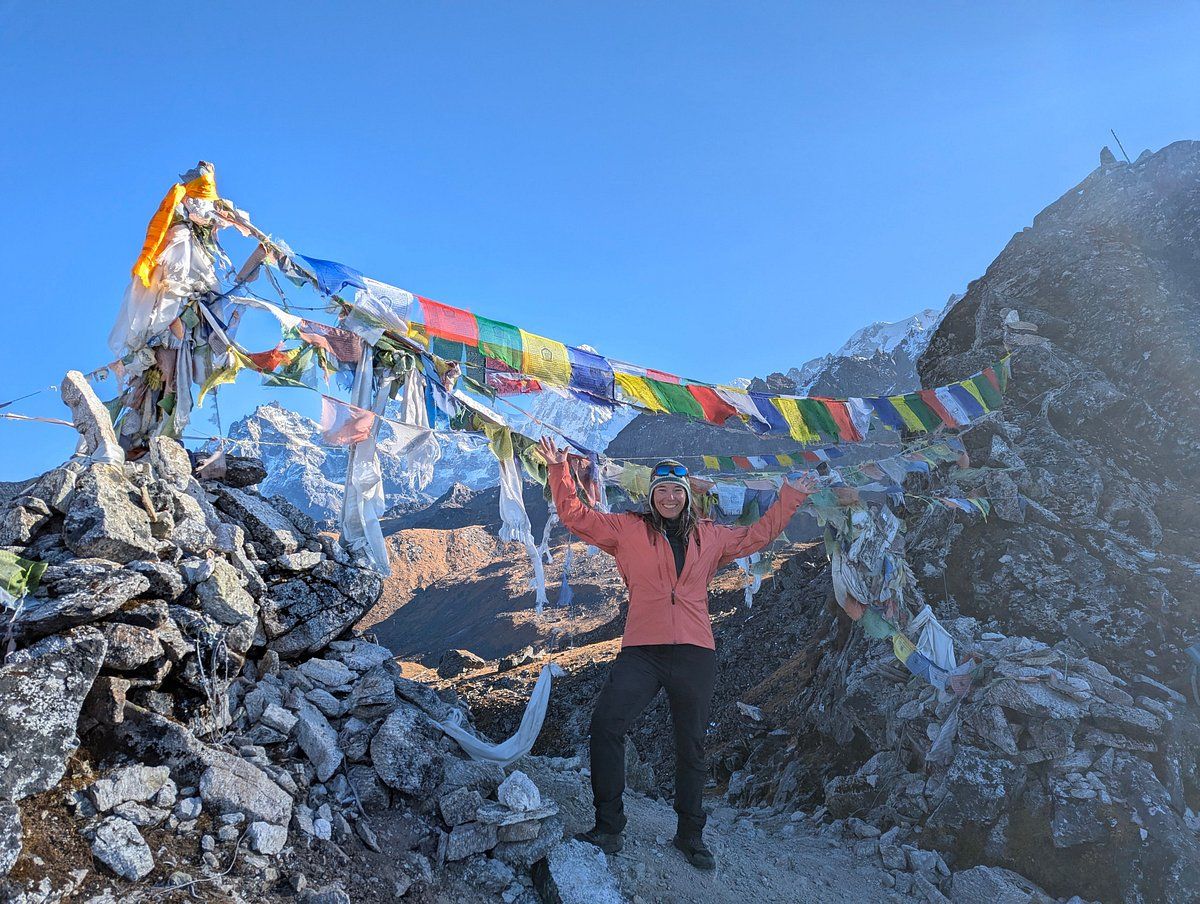
Kanchenjunga Trek 2027: Cost, Permits, Route & Best Time to Visit Both Base Camps
Madan NeupaneOctober 29, 202610 min read
Plan your Kanchenjunga Trek 2027 with local guides. Explore both base camps, route options, permits, costs, and the best trekking seasons in Nepal.
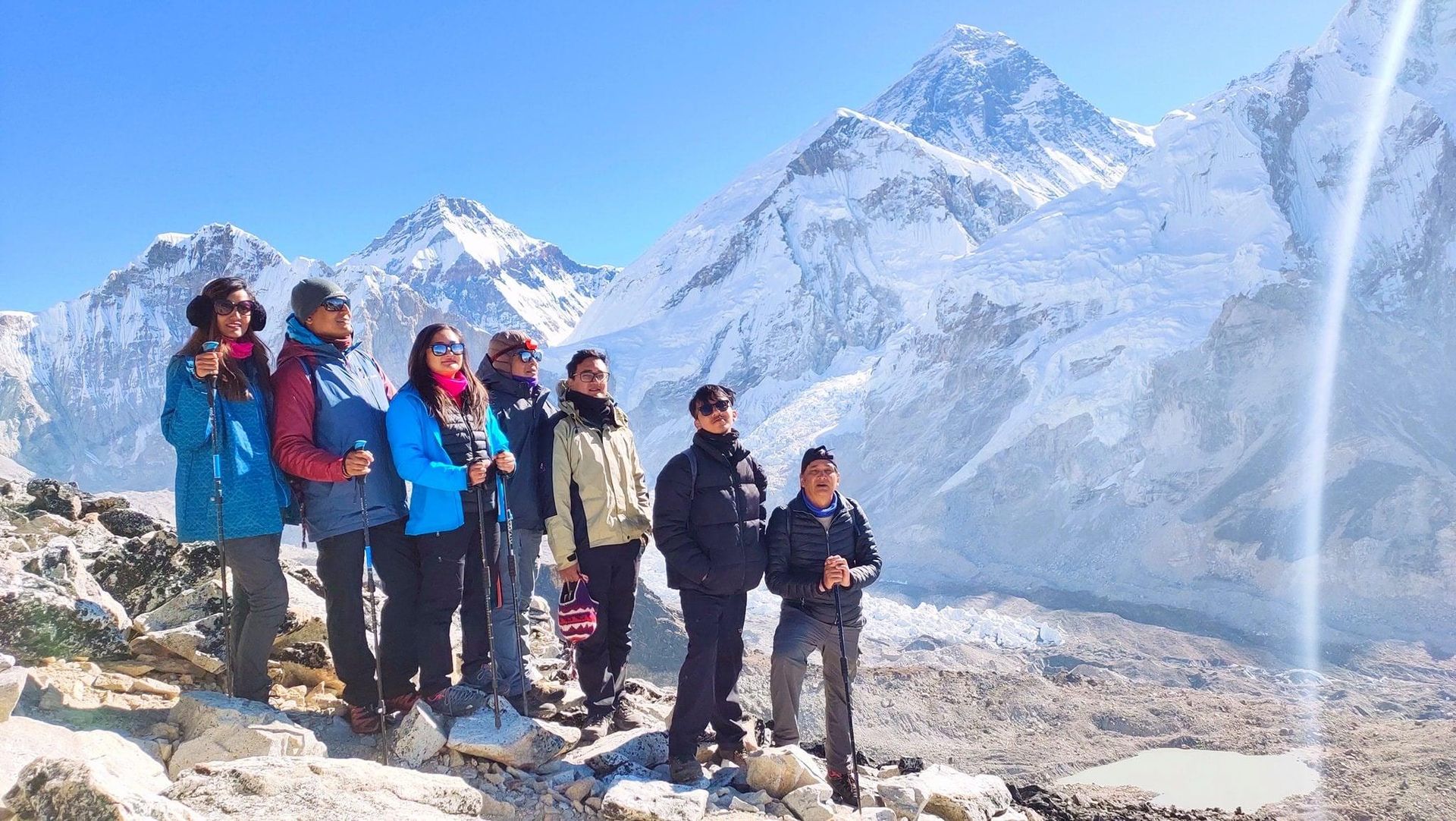
Why Are So Many of Our Guides Named Pasang?
Madan NeupaneOctober 28, 20264 min read
Ever noticed how many Himalayan trekking guides are named Pasang? Discover the cultural roots of this familiar name, its connection to Sherpa traditions, and the people whose knowledge, dedication, and hospitality make every mountain journey special.