Village
Phale
Phere / Phole
Phale, also written Phere or Phole, is a Tibetan settlement at about 3,140 m on the trail between Gyabla and Ghunsa, known for its small monastery and hand-woven carpets.
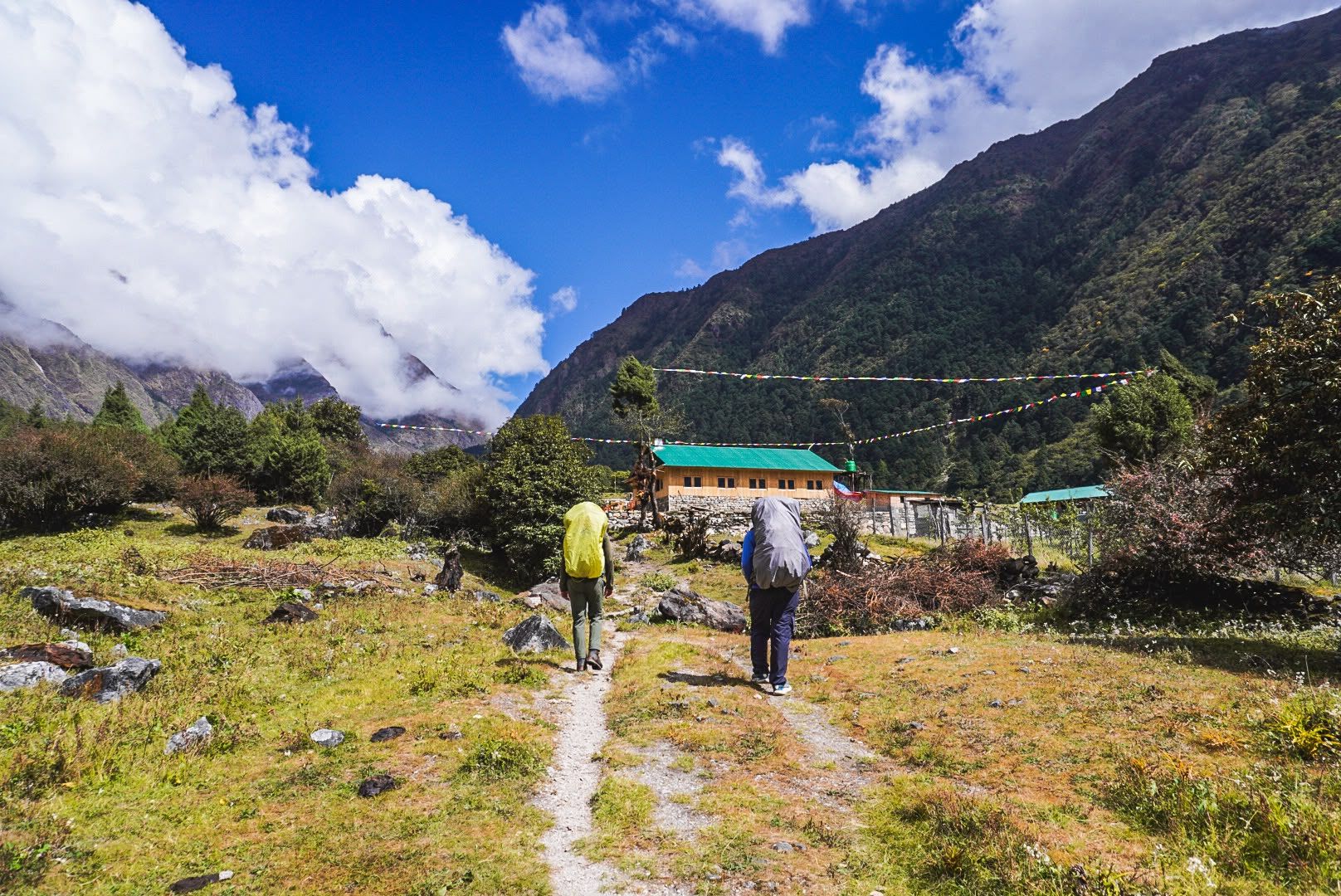
Phale (Phere) – A Tibetan Settlement Between Gyabla and Ghunsa
Phale, also written Phere or Phole, is a small Tibetan settlement on the northern Kanchenjunga trek in Taplejung District. At about 3,140 metres, it lies roughly halfway between Gyabla and Ghunsa and is the usual lunch stop on that stage.
Phale at a Glance
- Location: Ghunsa valley, Taplejung District, Kanchenjunga Conservation Area
- Elevation: About 3,140 metres (about 10,300 ft)
- Also spelled: Phere, Phole, Foley
- Character: Tibetan settlement with a small monastery, mani walls and carpet weaving
- Previous stop: Gyabla, about 3–4 hours of walking
- Next stop: Ghunsa, about 1.5 hours further
Village and Culture
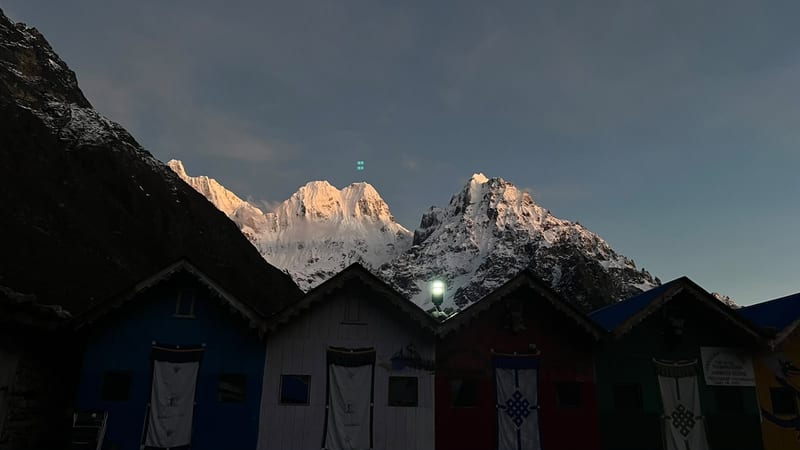
Phale is a Tibetan community, and its prayer flags, mani walls and a wooden gompa at the entrance show the Buddhist culture of the upper valley. A small monastery stands further inside, and some visitors stop at the carpet shops, where traditional hand-woven carpets are sold. Potatoes were farmed on the surrounding land in the past, and the settlement is spread over a wide area.
The Trail Through Phale
From Gyabla, the path climbs through rhododendron, oak and fir forest and crosses the Ghunsa Khola on wooden suspension bridges before reaching Phale. After lunch, the trail follows the river to Ghunsa, the largest village on the route. Sources give slightly different walking times, so allow 4–6 hours for the full stage from Gyabla.
Tips for Trekkers
- Ask before photographing people or the inside of the monastery, and walk clockwise around mani walls.
- Carry snacks and water, because options are limited between villages.
- Keep a slow pace, because the trail gains height steadily towards Ghunsa.
Previous and next stops: Gyabla and Ghunsa. Read the circuit trek guide.
Check Our Kanchenjunga Trekking Packages
Where is Phale?
The exact point on the Kanchenjunga trail.