Season & Weather
Rhododendron Species Found in Taplejung and the Kanchenjunga Region
Taplejung is Nepal's rhododendron capital. The main species, from the red laliguras to alpine dwarf shrubs, when they bloom at each altitude, and where to see them on the trek.

On this page
In spring, whole hillsides in Taplejung turn red, pink, white and purple. Eastern Nepal is one of the richest rhododendron regions on Earth, and the Kanchenjunga area is often called Nepal's rhododendron capital. Here are the main species you will see, where they grow and when they bloom.
At a Glance
- Nepal's national flower: Rhododendron arboreum, called laliguras in Nepali
- Diversity: eastern Nepal, including the Tinjure–Milke–Jaljale area and the Kanchenjunga region, has many of the country's rhododendron species
- Best time: late March to May, depending on altitude
- Where: from about 1,500 m in the lower hills up to dwarf shrubs above 4,500 m
When Do Rhododendrons Bloom?
Flowering moves up the mountain with spring:
- March: tree rhododendrons in the lower valleys (about 1,500–2,500 m)
- April: peak bloom in the mid-altitude forests (about 2,500–3,500 m)
- May into June: treeline and alpine dwarf species (about 3,500–4,500 m+)
For the best display on the Kanchenjunga trek, go in April.
Common Rhododendron Species on the Trek
Tree Rhododendrons (Lower and Mid Forest)
- Rhododendron arboreum (laliguras): the national flower. A tree with bright red to pink flowers, and the most widespread species.
- Rhododendron barbatum: blood-red flowers and peeling, purplish bark, in mid-altitude forest
- Rhododendron grande and R. falconeri: big-leaved species with large cream to pale-yellow flower clusters
- Rhododendron hodgsonii: huge leathery leaves and pink to purple flowers, near the treeline
Shrub Rhododendrons (Treeline)
- Rhododendron campanulatum: lilac to white bell-shaped flowers, often forming thickets near the treeline
- Rhododendron thomsonii: waxy deep-red flowers
- Rhododendron campylocarpum: pale yellow bell-shaped flowers
- Rhododendron cinnabarinum: tubular orange-red flowers
Dwarf Alpine Rhododendrons (Above the Treeline)
- Rhododendron anthopogon: small, aromatic shrubs with white to pink flowers. The leaves are burned as incense (sunpati) in Buddhist rituals.
- Rhododendron setosum and R. lepidotum: low, cushion-forming shrubs with purple or yellowish flowers on alpine slopes
Species names and distribution vary within the region. A local guide or a field guide will help you identify what you see.
Where to See Rhododendron Forests on the Kanchenjunga Trek
- North route: the forests between Amjilosa, Gyabla and Phale, below Ghunsa
- South route: the magnificent forests around Yamphudin, Tortong and below Tseram
- Tinjure–Milke–Jaljale: a separate ridge trek famous for its rhododendrons
Types of Rhododendron Forest
- Mixed broadleaf forest (lower): tree rhododendrons with oak, maple and magnolia
- Rhododendron–fir forest (mid): moss-draped trunks, with bamboo below
- Rhododendron scrub (treeline): dense thickets of shrub species
- Alpine dwarf heath (high): low, fragrant rhododendron shrubs among grasses
Fun Facts and Cautions
- Rhododendron flowers are used locally to make juice and pickles, and dried flowers are used in traditional remedies.
- Some rhododendron nectar produces "mad honey", which can be toxic. Do not eat wild honey unless locals confirm it is safe.
- Never break branches or pick large bunches of flowers. Rhododendron forests are protected in the conservation area.
Learn More
See when to go in our best time to trek Kanchenjunga guide, or walk through the rhododendron forests on our South Base Camp Trek.
Related reading: Wildflowers of the trail · Orchids of the region · Red pandas · Butterflies of the region
Frequently Asked Questions
When do rhododendrons bloom around Taplejung?
Mostly in spring, with the peak usually in April and early May.
Where can I see them?
The forests between the lower villages and Ghunsa are the best places.
Ready to see it yourself? Explore our Kanchenjunga Base Camp Trek with local guides.
Plan with local guides
Ready to walk the Kanchenjunga trail?
Tell us your dates and pace. We’ll sort permits, guides and a route that fits — straight from the people who live here.
Keep reading
Other Blogs
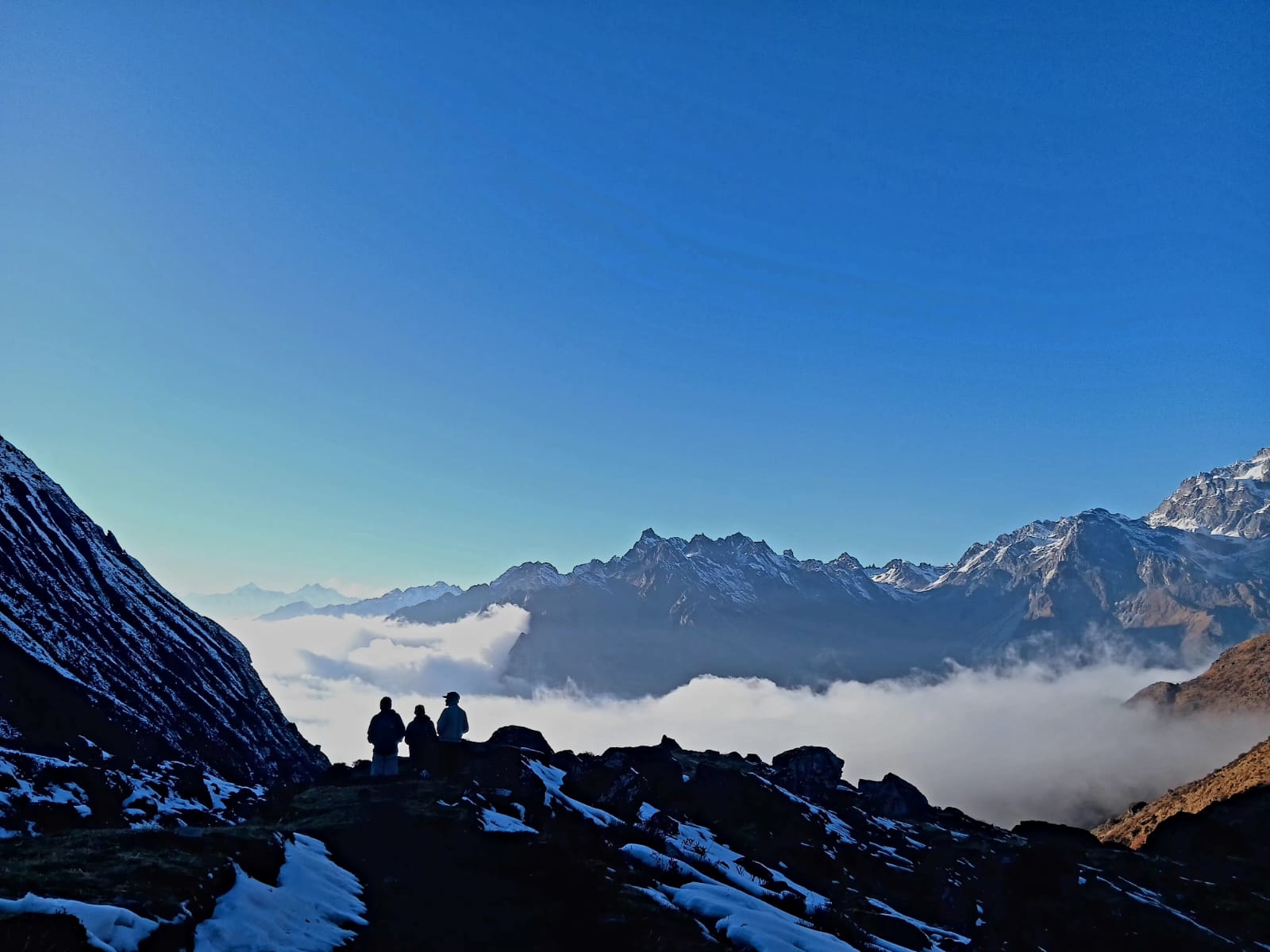
Remote Trekking in Nepal: The Best Off-the-Beaten-Path Treks
Madan NeupaneNovember 26, 20264 min read
Remote trekking in Nepal beyond Everest and Annapurna: why Kanchenjunga leads the list, the other remote treks of eastern Nepal compared, and how to prepare for permits, seasons and days offline.
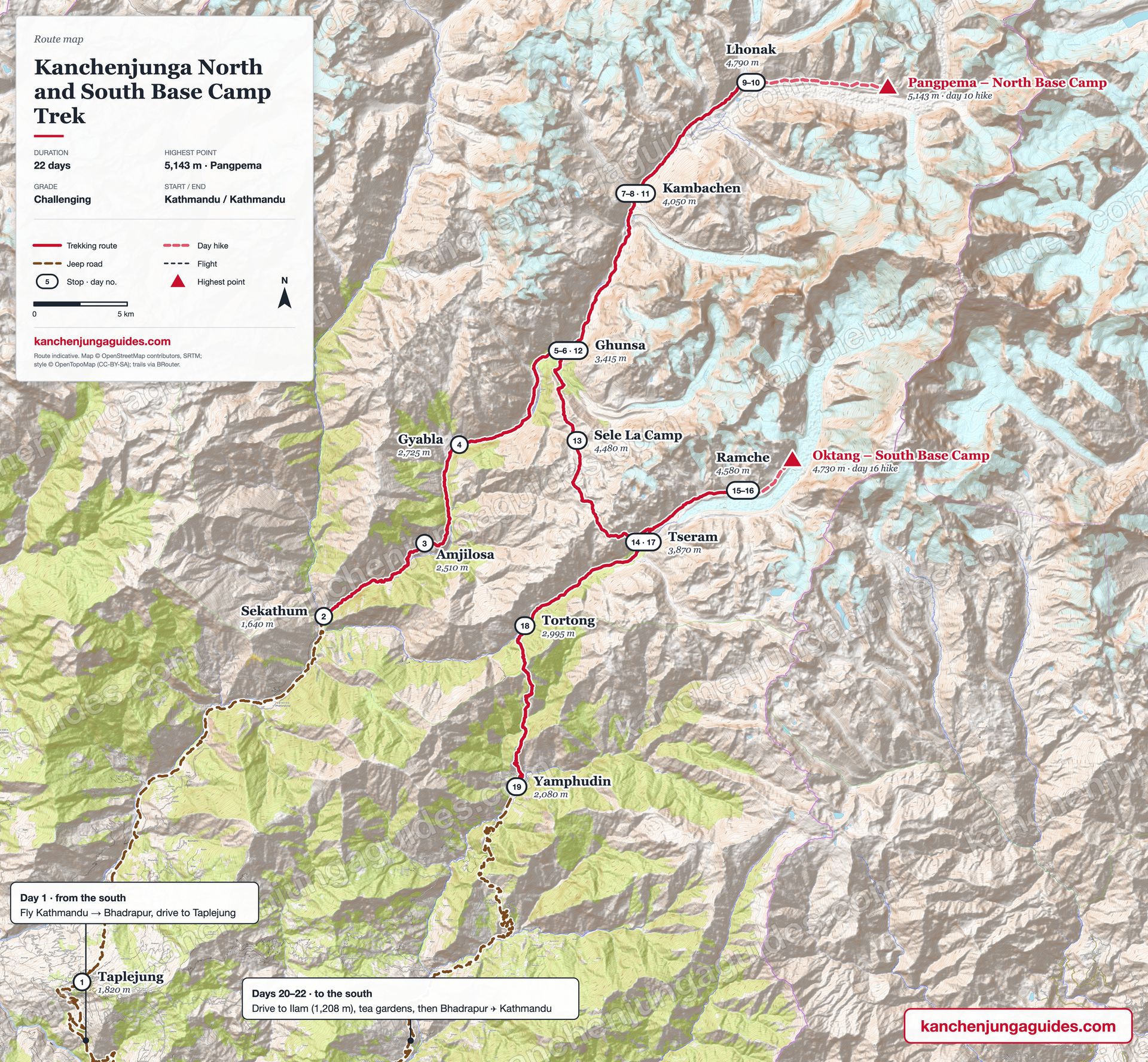
Kanchenjunga Trek Map: Route Maps for Every Itinerary
Madan NeupaneNovember 26, 20263 min read
Kanchenjunga trek maps for the North Base Camp, South Base Camp, full circuit and express routes, with an altitude profile, the trail signs you will meet and tips for navigating offline.
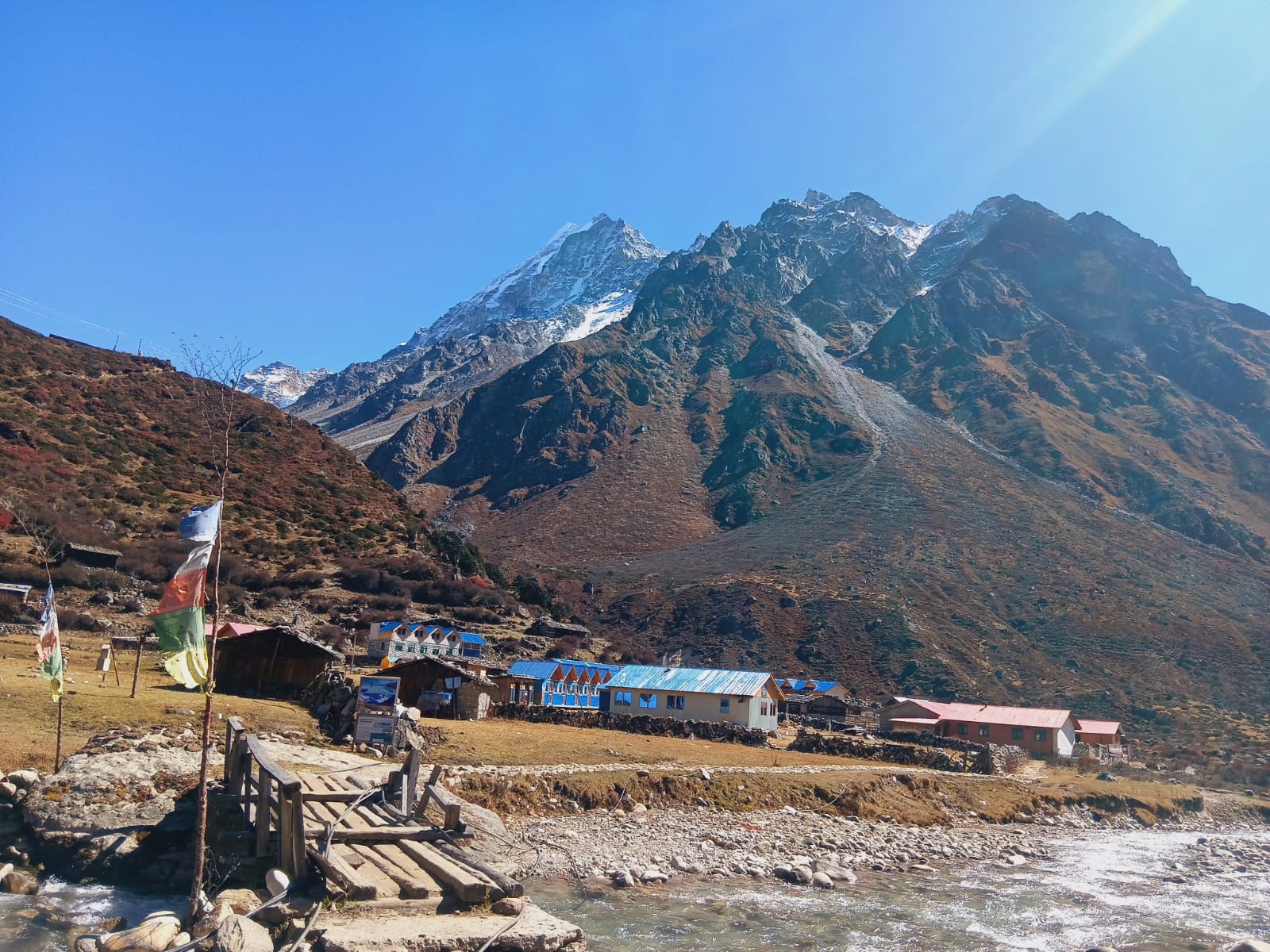
Kanchenjunga Trek Route: Village-by-Village Trail Guide
Madan NeupaneNovember 26, 20265 min read
The Kanchenjunga trek route explained: the northern trail to Pangpema, the southern trail to Oktang, the Sele La crossing that links them, and the altitude and distance of every stop.