Gear & Packing
Sleeping Bag and Down Jacket for the Kanchenjunga Trek
Which sleeping bag do you need for the Kanchenjunga trek? Recommended ratings, comfort vs limit, how cold nights get at each village, down vs synthetic and tips for warm nights.

On this page
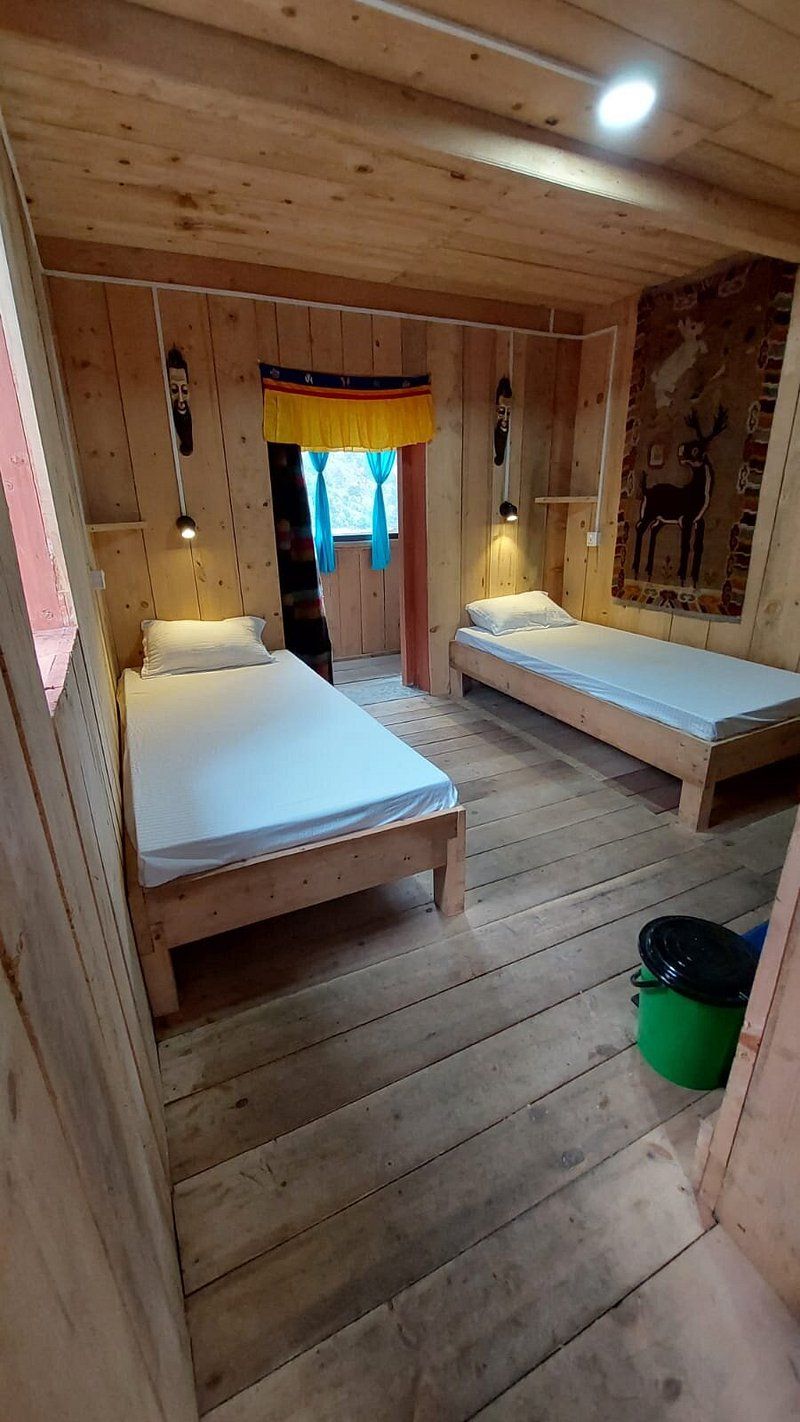
Teahouse rooms on the Kanchenjunga trek are unheated, and above Ghunsa the temperature inside your room can fall below freezing. A sleeping bag rated to around −10 °C comfort (about −15 to −20 °C "limit") is what we recommend for the standard spring and autumn seasons.
This guide covers the two things that keep you warm once you stop walking: your sleeping bag and your down jacket.
Staying warm at a glance
- Bag comfort rating
- −10 °C
- Bag limit rating
- −15 to −20 °C
- Best fill
- Down
- Jacket fill power
- 600–800
- Jacket type
- Hooded
- Rent in Thamel
- Yes
Quick Answer
- Recommended rating: about −10 °C comfort, or around −15 to −20 °C limit
- Fill: down, for warmth and packability
- Shape: a mummy bag with a hood and draught collar
- Extras: a liner (adds a few degrees and keeps the bag clean)
- Winter treks: a warmer bag, rated to around −20 °C comfort or colder
Understanding Sleeping Bag Ratings
Most bags use the EN/ISO rating system:
- Comfort: the temperature at which an average person sleeps comfortably, typically used for women and cold sleepers
- Limit (lower limit): the lowest temperature for a comfortable night curled up, typically used for men and warm sleepers
- Extreme: the survival rating only. Never choose a bag based on its extreme rating.
Pick a bag by its comfort rating if you sleep cold. Many trekkers find the night at Lhonak the coldest of the trip.
How Cold Does It Get?
In autumn (October–November), as a rough guide:
- Lower villages (Sekathum, Amjilosa): mild nights, often above freezing
- Ghunsa (about 3,400 m): around freezing at night
- Kambachen and Lhonak (4,000–4,800 m): about −10 to −15 °C outside at night
- Inside lodges: a few degrees warmer than outside, but still cold
Spring is similar, with more variation. In winter, it is much colder.
Down vs Synthetic Sleeping Bags
- Down: warmer for its weight and packs small. Best for teahouse treks.
- Synthetic: stays warmer when damp and costs less, but it is heavy and bulky
Do Teahouses Provide Blankets?
Many lodges provide a blanket or quilt, but they are not always enough at higher altitude and may not be clean. Bring your own bag, and use the lodge blanket on top for extra warmth.
Tips for a Warm Night
- Eat a good dinner and have a hot drink before bed (but not too much, to avoid night trips outside)
- Wear dry base layers, a warm hat and thick socks to bed
- Use a liner for extra warmth
- Fill a water bottle with hot water and put it in your bag
- Fluff up the bag before getting in so the down lofts fully
- Keep tomorrow's clothes and batteries inside the bag so they stay warm
Rent or Buy?
- Good-quality sleeping bags can be rented cheaply in Kathmandu. Check the rating label and the loft.
- Some of our packages include a four-season sleeping bag and liner. Check your inclusions.
- If you trek regularly, buying your own is more hygienic and comfortable.
Liners, Bottles and Other Ways to Add Warmth
A fleece or silk liner adds a few degrees to any bag and keeps it clean, which matters when teahouse bedding is shared. A sealed bottle filled with hot water and placed near your feet at bedtime is one of the best tricks for cold nights above Ghunsa. Sleep in dry base layers and a warm hat, never in the clothes you sweated in on the trail.
Choosing a Down Jacket
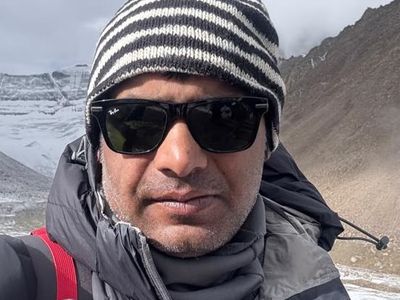
At Lhonak and Pangpema, temperatures in autumn often drop to around −10 to −15 °C at night, and the wind off the glacier cuts straight through thin layers. A good down jacket is the piece of clothing you will wear most above Ghunsa, at every rest stop, every evening and every early start.
- Type: a hooded down jacket with medium to heavy insulation
- Fill power: about 600–800 (higher means warmer for its weight)
- Warmth: comfortable to around −10 to −15 °C when worn over layers
- Features: an insulated hood, a full zip, hand pockets and a water-resistant shell
- Rent or buy: both work. Good rental jackets are easy to find in Kathmandu.
When You Will Need It
- Evenings and mornings from Gyabla upwards
- All day at Kambachen, Lhonak and Pangpema in cold weather
- Rest stops on the climb to Pangpema and the Sele La passes
- Inside teahouses, which are unheated apart from the dining room stove
Down vs Synthetic Insulation
- Down: the warmest for its weight, packs small and lasts years. It loses warmth when wet, so keep it dry.
- Synthetic: stays warm when damp and dries faster, but it is heavier and bulkier for the same warmth.
For Kanchenjunga's cold, mostly dry high section, down is the best choice. A light synthetic jacket works well as a mid-layer for the lower trail.
What to Look For
- Hood: an insulated hood that fits over a hat. Essential in wind.
- Fill power and weight: 600–800 fill, with enough fill weight for a proper winter-weight jacket, not an ultralight sweater
- Baffle construction: box baffles or a thicker design keep warmth better than thin sewn-through lines
- Shell fabric: water-resistant, to cope with light snow and frost
- Length: hip-length or longer keeps your lower back warm
- Pockets: warm hand pockets, plus an inside pocket for your phone and batteries
- Fit: room for a fleece underneath, but not so loose that cold air gets in
How Warm Is Warm Enough
Down jackets do not have official temperature ratings, so judge by the fill weight and the manufacturer's intended use. For Kanchenjunga, choose something marketed for winter mountain use or high-altitude trekking, not just city wear.
Layering with Your Down Jacket
Typical evening outfit at Lhonak:
- Thermal base layer top and bottoms
- Fleece mid-layer
- Down jacket
- Warm hat, gloves and thick socks
For wind or snow, add your waterproof shell over the top.
Renting a Down Jacket in Kathmandu
- Thamel has many shops renting down jackets for a small daily fee
- Check the fill: squeeze it, and look for loft and no flat cold spots
- Check the zip, hood and seams
- Make sure it fits over your fleece
- Our team can help arrange rentals. Some of our packages include a down jacket. Check your inclusions.
Caring for Your Jacket on the Trek
- Keep it dry in a stuff sack inside your bag
- Don't wear it while walking uphill, or it will get damp with sweat
- Let it loft overnight, and use it as an extra layer over your sleeping bag on very cold nights
Never dry a down jacket directly on a stove. It can burn or melt easily.
Where you'll need them: Kanchenjunga North & South Base Camp
Learn More
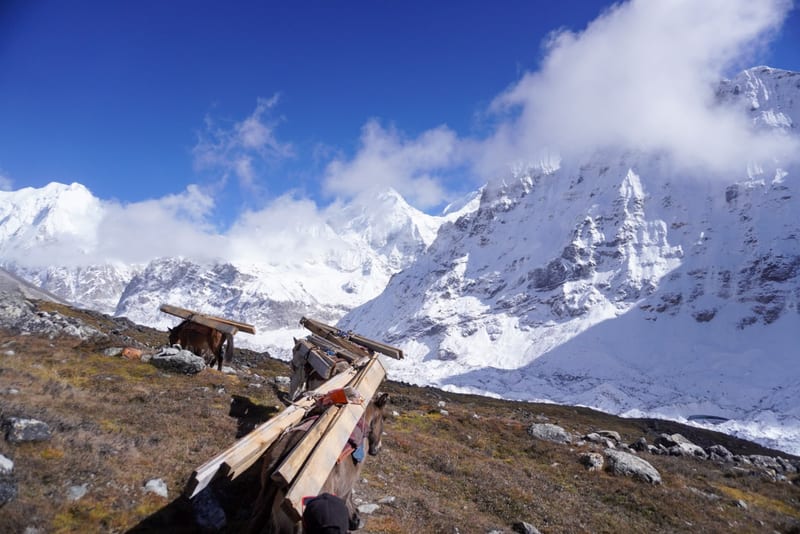
See our Kanchenjunga weather and temperatures by month, learn how to layer your clothing, and check the full Kanchenjunga packing list.
Sleeping bag and down jacket FAQs
What sleeping bag rating do I need for Kanchenjunga?
For the full circuit including Pangpema and the Sele La passes, choose a bag with a comfort rating around −10 °C. For shorter, lower routes in the warm season, a −5 °C comfort bag with a liner can work.
Can I rent a sleeping bag in Kathmandu?
Yes, shops in Thamel rent them, but quality varies, so check the zip, the loft and the smell before you pay. See the Kanchenjunga Circuit trek for the route and altitudes your bag has to handle.
Do I need a down jacket for Kanchenjunga?
Yes. Evenings and mornings above Ghunsa are well below freezing, and down is the warmest layer for its weight.
Can I rent a down jacket in Kathmandu?
Yes. Thamel has many shops that rent them for a small daily fee. Squeeze the fill and check the zip before you pay.
Ask our guides about staying warm
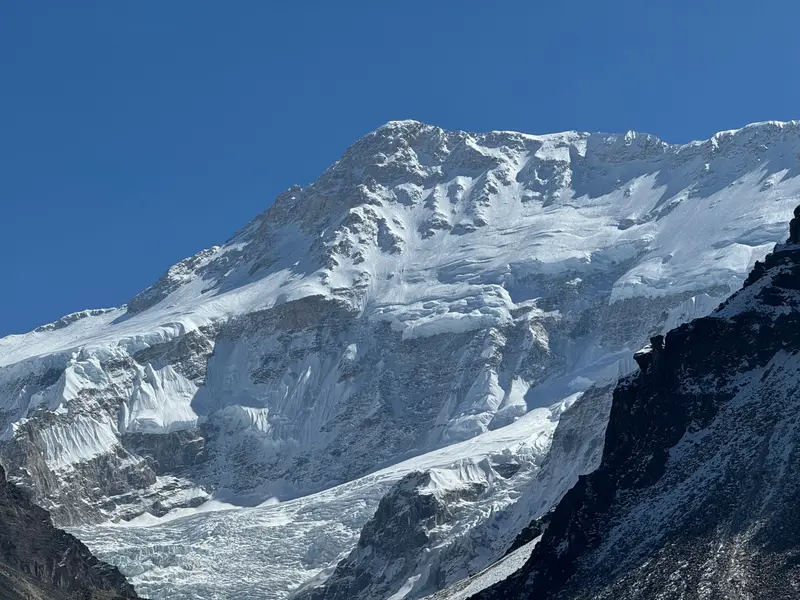
Plan with local guides
Ready to walk the Kanchenjunga trail?
Tell us your dates and pace. We’ll sort permits, guides and a route that fits — straight from the people who live here.
Keep reading
Other Blogs
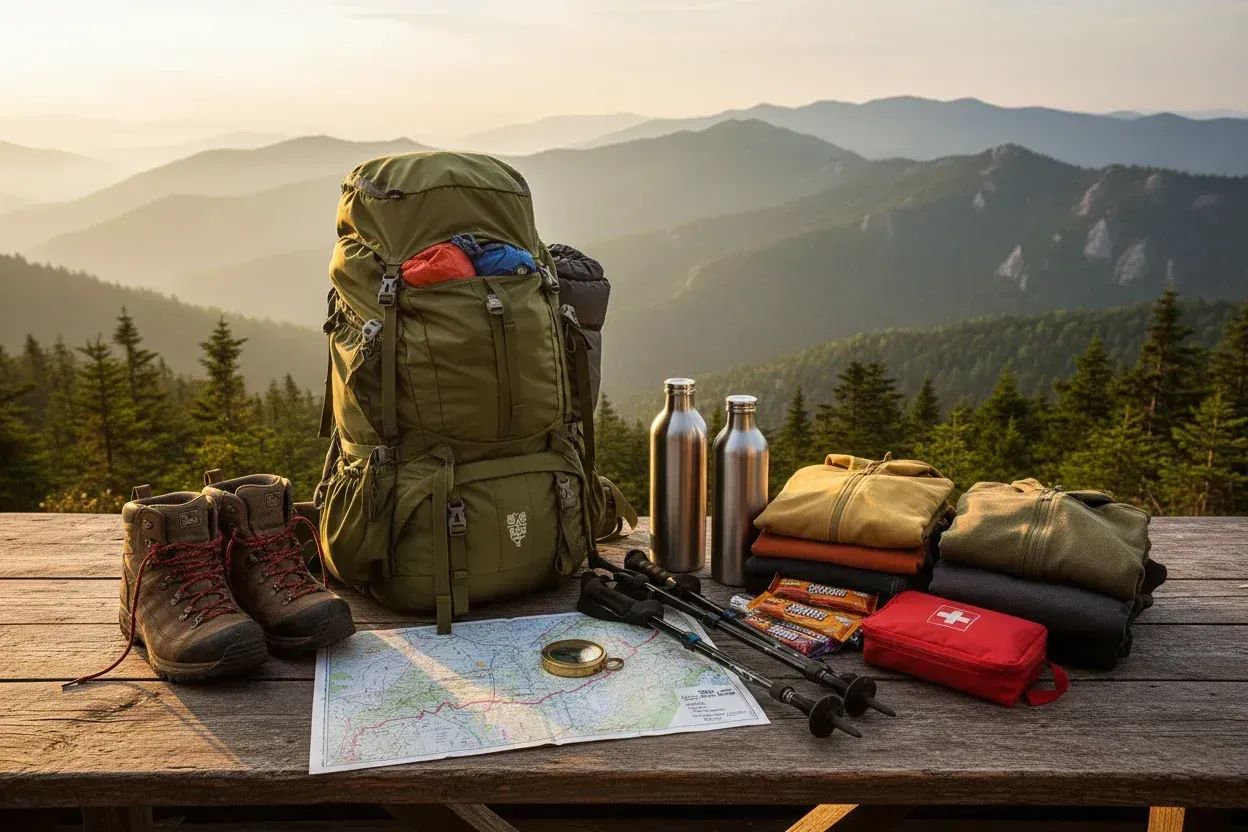
Kanchenjunga Trek Packing List - What to Pack for the Himalayas
Pasang SherpaSeptember 29, 20268 min read
The complete Kanchenjunga Trek packing list: a layering system, footwear, bags, sleeping gear, first aid, documents, seasonal extras, what we provide and what to leave at home.
How to Layer Clothing for Changing Mountain Temperatures
Pasang SherpaNovember 21, 202610 min read
How to layer clothing for the Kanchenjunga trek: base, mid, insulation and shell layers, merino vs synthetic base layers, and how to adjust your layers through a cold, sunny, windy day.
Trekking Boots, Socks, Gaiters and Poles for Kanchenjunga
Pasang SherpaNovember 21, 202610 min read
Choosing boots for the Kanchenjunga trek: mid vs high cut, waterproofing, soles, fit, how to break them in, socks and gaiters, and caring for boots on the trail.