Gear & Packing
How to Layer Clothing for Changing Mountain Temperatures
How to layer clothing for the Kanchenjunga trek: base, mid, insulation and shell layers, merino vs synthetic base layers, and how to adjust your layers through a cold, sunny, windy day.

On this page
On a single day on the Kanchenjunga trek you can start below freezing at dawn, sweat on a sunny climb, and get hit by wind and sleet on a pass in the afternoon. The answer isn't one big jacket. It's several thin layers you add and remove as conditions change.
Below is the four-layer system, followed by how to choose a waterproof shell and trekking trousers that cope with rocky ground and wet snow.
Layering at a glance
- Base layer
- Merino
- Mid layer
- Fleece
- Insulation
- Down jacket
- Outer layer
- Hard shell
- Trousers
- Softshell
- Cotton
- Never
Quick Answer: The Layering System
- Base layer: moves sweat off your skin (merino or synthetic)
- Mid layer: fleece or a light synthetic jacket for warmth while walking
- Insulation: a down jacket for cold stops, evenings and high camps
- Shell: a waterproof, windproof jacket and trousers
Never wear cotton as a base layer. It stays wet, and wet cotton in cold wind chills you fast.
Layer 1: Base Layer
Your base layer sits next to your skin and moves sweat away so you stay dry.
Merino Wool vs Synthetic
- Merino: warm even when damp, soft, and resists smells for many days. More expensive, dries slower and can wear through faster.
- Synthetic (polyester): cheaper, tougher and dries very quickly. Starts to smell after a day or two.
Merino is the better choice for most trekkers on a long trek like Kanchenjunga, where you can't wash often. A good compromise is one merino top for walking and evenings, plus one synthetic top as a fast-drying spare.
Bring lightweight leggings or thermal bottoms too, for cold nights and the high section.
Layer 2: Mid Layer
- A light or mid-weight fleece is warm, breathable and cheap
- A light synthetic jacket works well on cold, windy mornings
- Choose a full zip so you can cool down without taking it off
Layer 3: Insulation
A warm down jacket for when you stop: lunch breaks, evenings in teahouses, and the early start to Pangpema or Oktang. You don't usually walk in it, since you'll overheat on climbs. See our guide to choosing a down jacket.
Layer 4: Shell
- Waterproof jacket with a hood: for rain at lower altitudes, and wind and snow higher up
- Waterproof overtrousers: for wet weather and snow on the passes
- Pit zips (underarm vents) help you avoid overheating
Waterproof or Water-Resistant?
Fact: They're very different. A water-resistant jacket (usually a tightly woven fabric with a DWR coating) sheds light showers and drizzle for a while, then soaks through. A waterproof jacket has a membrane or coating plus taped seams, so it keeps out sustained rain.
Look for taped or sealed seams and a waterproof rating on the label. If the seams aren't taped, it isn't truly waterproof.
Does It Rain in the Trekking Season?
Fact: Autumn and spring are mostly dry, but not always. Afternoon showers are common in the lower forests in spring, early-season storms can bring rain low down and snow higher up, and the wind on a pass is brutal. A real waterproof shell is on every serious packing list for Kanchenjunga. See the weather by month.
Do You Need the Highest Rating?
Fact: Ratings (in millimetres, such as 10,000 mm or 20,000 mm) show how much water pressure the fabric can take. Around 10,000 mm and up is fine for trekking. Beyond that, breathability matters more. A very waterproof jacket that traps your sweat will leave you wet from the inside on a long climb.
Can a Soft Shell Replace a Rain Jacket?
Fact: Soft shells are comfortable and breathable, and are great on cold, dry, windy days. But most are only water-resistant. Use one as a mid layer if you like, but carry a waterproof hard shell as well.
Is a Poncho or Umbrella Enough?
Fact: Both are useful at lower altitudes, and many locals use umbrellas in the rain. But they're useless in strong wind and on narrow trails, and they won't keep you warm. Bring a proper jacket. An umbrella is an optional extra.
Keeping Your Shell Waterproof
Fact: The outer coating (DWR) wears off with dirt and use. When water stops beading and the fabric "wets out", the jacket feels damp and clammy even if the membrane is fine. Wash it with a technical cleaner and re-proof it before your trip.
Our Shell Recommendation
- A waterproof, breathable hard shell with taped seams and a good hood that fits over a hat
- Pit zips for venting on climbs
- Waterproof overtrousers with side zips, so you can put them on over boots
- Leave cheap "showerproof" fashion jackets at home.
Trekking Trousers for Rocky Ground
On a three-week trek your trousers scrape over boulders on the moraine, kneel on stone steps, sit on frosty rocks at lunch and get soaked crossing streams. Jeans and gym leggings give up fast. The right pair depends on how you trek, so start with the question that fits you.
Which Trousers Are Right for You
Choose stretch softshell trousers if you want one pair that does most of the trek. They're tough, wind-resistant, flexible for big steps, and warm enough for cold mornings with a thermal layer underneath. This is what most of our guides wear.
Choose lightweight quick-dry trousers if you're trekking in spring or early autumn and run hot. They're ideal for the warm lower valleys and dry fast after rain or a wash.
Choose zip-off (convertible) trousers if you like shorts for the hot first days, but don't want to carry an extra pair. Check the zips are smooth and don't rub.
Choose fleece-lined or winter trousers if you're trekking in December to February, or you feel the cold. They're great for the high section, but too hot down low.
Choose waterproof overtrousers in every case. They go over your normal trousers for rain, wet snow and wind on the passes. See waterproof vs water-resistant gear.
What Makes a Good Pair
- Stretch fabric for high steps and scrambling on boulders
- Reinforced knees and seat, since rock and moraine wear fabric thin
- Articulated (pre-shaped) knees so they don't pull when you climb
- Zipped pockets for your phone and permits
- Adjustable cuffs that fit over your boots, or work with gaiters
- Quick-drying fabric, and never cotton or denim
The Fit Test
Before you buy, try this in the shop: do a deep squat, lift your knee to your chest as if stepping onto a high rock, and sit on the floor cross-legged. If the waist digs in or the fabric pulls tight, try another size or style. You'll make that high step hundreds of times on the trail.
How Many Pairs
- 1 pair of trekking trousers for walking
- 1 spare pair, lighter or warmer depending on the season
- Thermal leggings for cold mornings, evenings and sleeping
- Waterproof overtrousers
Your porter carries the spares, so don't worry about the weight too much. See the packing list.
How to Layer Through the Day
- Cold start: base, fleece and shell, with a hat and gloves
- Climbing in sun: strip down to the base layer before you start sweating
- Rest stops: put on a warm layer straight away, before you get cold
- Wind on a pass: add the shell over everything
- Evening: dry base layer, fleece and down jacket
The trick is to change layers early. Take one off before you sweat, and put one on before you shiver.
Don't Forget
- Hat and buff: a sun hat for the day and a warm beanie for mornings and evenings
- Gloves: thin liner gloves and warm, waterproof outer gloves
- Socks: merino or wool blend, with a dry pair for evenings
- Trousers: quick-dry trekking trousers. Not jeans.
Put your layers to the test: Kanchenjunga North & South Base Camp
Learn More
Check the Kanchenjunga weather and temperatures by month, our full packing list and how to choose a warm enough sleeping bag.
Clothing and layering FAQs
What is the layering system?
A base layer to wick sweat, a warm mid layer, and a waterproof shell. Add an insulated jacket for camp.
Should I wear cotton?
No. Cotton holds moisture and chills you. Choose wool or synthetics.
Are jeans OK for the Kanchenjunga trek?
No. Cotton holds water and dries slowly, which makes you colder. Choose quick-drying synthetic or stretch trekking trousers.
Is a waterproof jacket necessary for Kanchenjunga?
Yes. Rain and wet snow can arrive in any season, and a wet insulation layer is dangerous at altitude.
How many pairs of trousers should I bring?
Two pairs of trekking trousers and waterproof overtrousers, plus thermal leggings for cold nights.
Ask our guides about clothing
Plan with local guides
Ready to walk the Kanchenjunga trail?
Tell us your dates and pace. We’ll sort permits, guides and a route that fits — straight from the people who live here.
Keep reading
Other Blogs
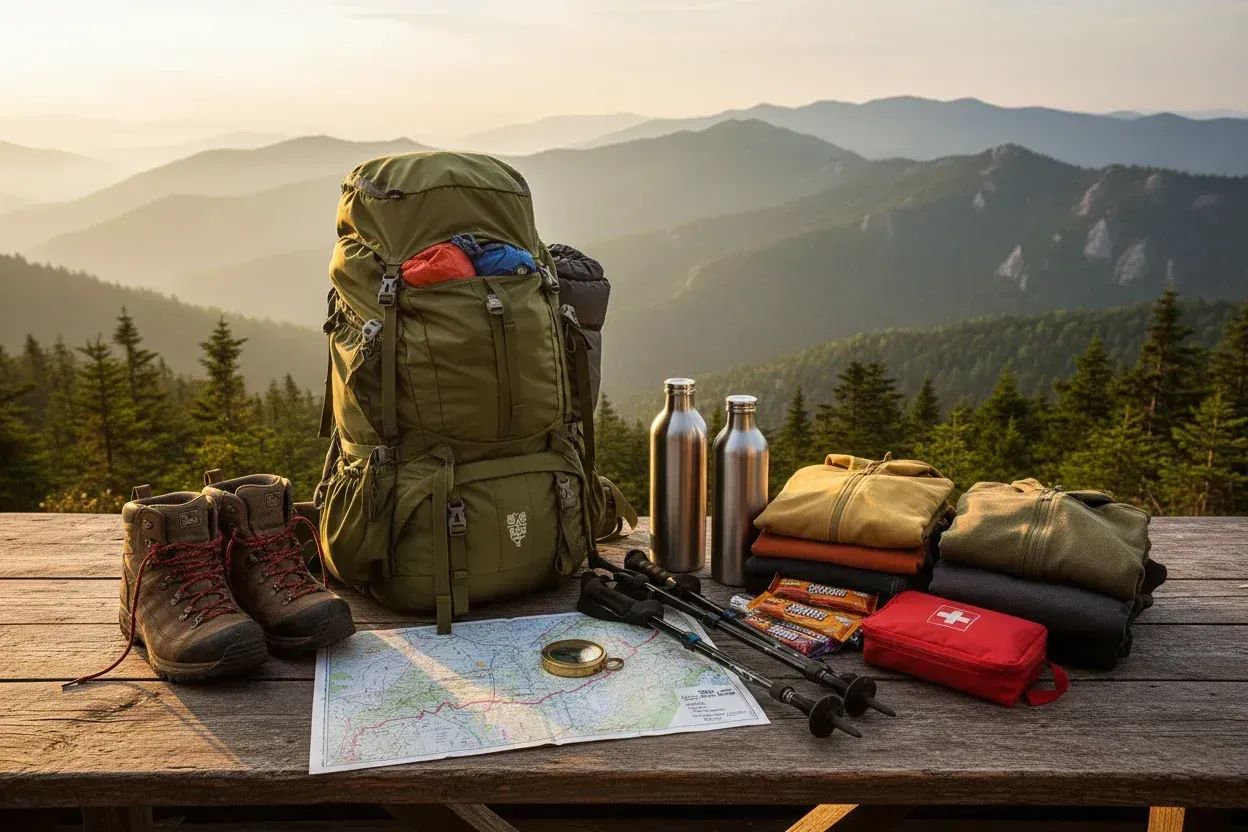
Kanchenjunga Trek Packing List - What to Pack for the Himalayas
Pasang SherpaSeptember 29, 20268 min read
The complete Kanchenjunga Trek packing list: a layering system, footwear, bags, sleeping gear, first aid, documents, seasonal extras, what we provide and what to leave at home.
Trekking Boots, Socks, Gaiters and Poles for Kanchenjunga
Pasang SherpaNovember 21, 202610 min read
Choosing boots for the Kanchenjunga trek: mid vs high cut, waterproofing, soles, fit, how to break them in, socks and gaiters, and caring for boots on the trail.
Sleeping Bag and Down Jacket for the Kanchenjunga Trek
Pasang SherpaNovember 21, 20269 min read
Which sleeping bag do you need for the Kanchenjunga trek? Recommended ratings, comfort vs limit, how cold nights get at each village, down vs synthetic and tips for warm nights.