Trek Guide
How to Support Local Businesses During a Kanchenjunga Trek
Simple ways to make sure your trekking money reaches local families in Kanchenjunga: eat where you sleep, buy in village shops, choose local food and crafts, and tip fairly.

On this page
- 1.Quick Ways to Support Local Businesses
- 2.1. Stay and Eat Where You Sleep
- 3.2. Buy in Village Shops
- 4.3. Choose Local Food
- 5.4. Buy Handicrafts Directly from Makers
- 6.5. Hire Local Guides and Porters
- 7.6. Tip Fairly and Directly
- 8.7. Pay Fair Prices
- 9.Why It Matters
- 10.Learn More
- 11.Frequently Asked Questions
Every cup of tea, plate of dal bhat and bar of chocolate you buy on the Kanchenjunga trail supports a family business in one of Nepal's most remote regions. Trekking is now one of the main sources of income in the upper valleys, and how you spend your money makes a real difference. Here are simple ways to make sure it reaches local people.
Quick Ways to Support Local Businesses
- Stay and eat in family-run teahouses
- Buy snacks, drinks and supplies in village shops rather than carrying everything from Kathmandu
- Choose local food: dal bhat, potatoes, Tibetan bread, local honey and cheese
- Buy handicrafts directly from makers, such as Dhaka cloth, woollen goods and carpets
- Hire local guides and porters from Taplejung
- Tip fairly and directly
1. Stay and Eat Where You Sleep
Lodges in remote villages earn most of their income from food, not rooms. Eating dinner and breakfast at the lodge where you sleep is the single best way to support your hosts. Many lodges keep room prices low on the expectation that you will eat there.
2. Buy in Village Shops
Rather than packing every snack from Kathmandu, buy biscuits, chocolate, noodles and drinks in village shops along the way. Prices are higher because everything is carried in, but that money pays porters, shopkeepers and transporters in the region.
3. Choose Local Food
- Dal bhat made with local vegetables
- Potatoes, a staple of the high valleys
- Tibetan bread and local honey
- Cheese and butter from yak and dzo milk, where available
- Tongba, the millet drink of the lower valleys (after the high sections)
Local food is fresher, cheaper to produce locally and keeps money in the village.
4. Buy Handicrafts Directly from Makers
- Dhaka cloth shawls and topis from eastern Nepal's weavers
- Woollen hats, socks and gloves knitted by village families
- Tibetan-style carpets and crafts from the refugee community at Phale
- Bamboo and wooden crafts from the lower valleys
Never buy wildlife products, such as musk, fur, bones or horns. They are illegal and drive poaching.
5. Hire Local Guides and Porters
Choosing a local company means your guide and porters come from the region and spend their wages there. At Kanchenjunga Guides, many of our team are from Taplejung's own villages.
6. Tip Fairly and Directly
Tips are a big part of income for guides and porters. Give them directly to each person at the end of the trek, in Nepali rupees. A common guideline is about 10% of the trek cost, shared among the team.
7. Pay Fair Prices
Bargaining is fine in Kathmandu markets but not for teahouse meals or small purchases in villages. Prices on the trail reflect the cost of carrying goods for days.
Why It Matters
- Keeps young people in their villages instead of migrating abroad for work
- Funds schools, health posts and village improvements
- Gives communities a reason to protect forests and wildlife
- Keeps traditional crafts and food culture alive
Learn More
Read about responsible porter welfare and reducing plastic on the trek, or travel with a local team on our Kanchenjunga treks.
Related reading: Choosing an ethical operator · What happens to mountain waste · Supporting women-led businesses
Frequently Asked Questions
How can I support local businesses?
Eat and sleep in village teahouses, buy crafts directly from makers and hire local guides and porters.
Should I bargain?
Be fair. Small prices matter a lot in remote villages, so avoid hard bargaining.
Ready to see it yourself? Explore our Kanchenjunga Base Camp Trek with local guides.
Plan with local guides
Ready to walk the Kanchenjunga trail?
Tell us your dates and pace. We’ll sort permits, guides and a route that fits — straight from the people who live here.
Keep reading
Other Blogs
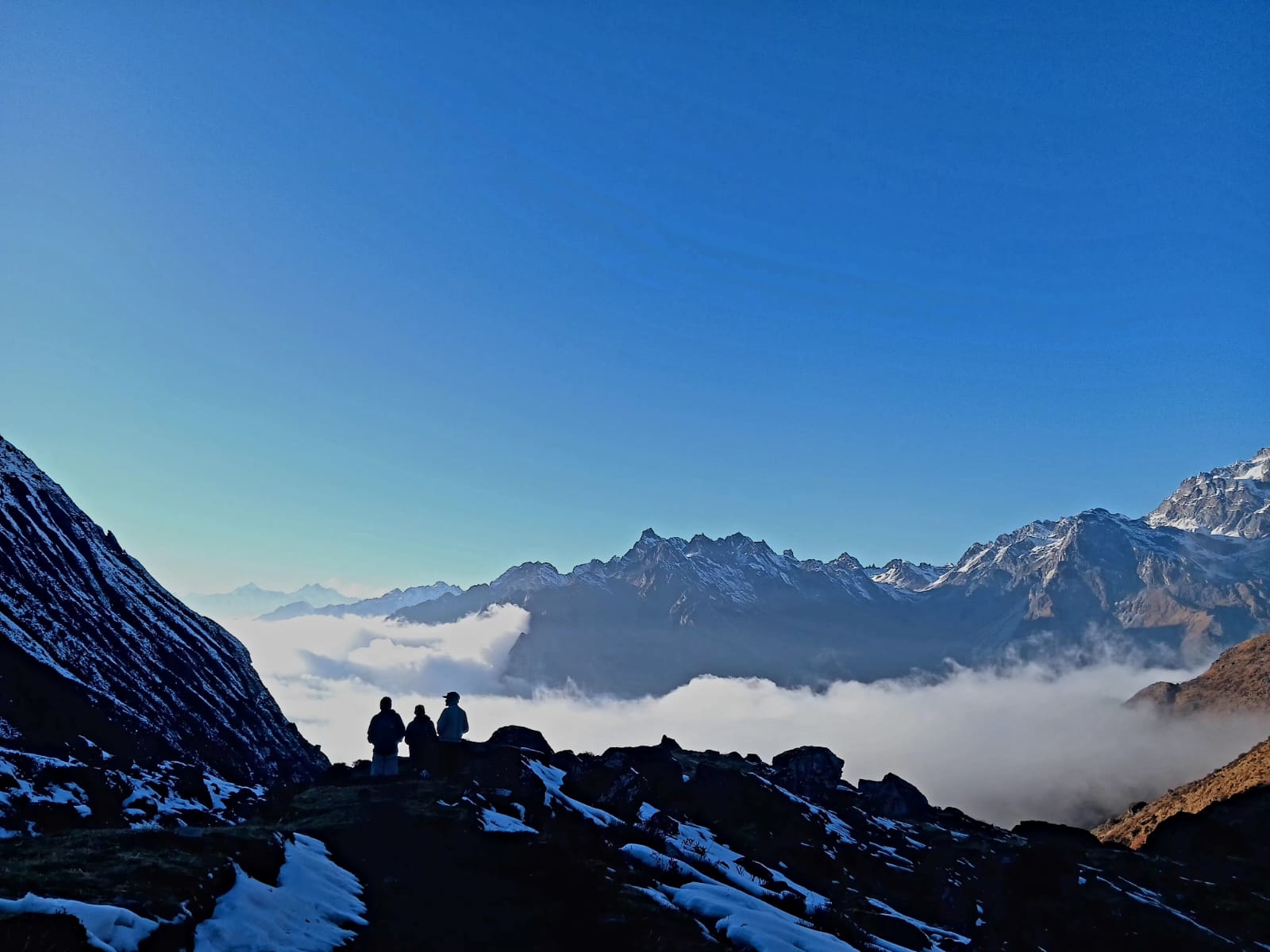
Remote Trekking in Nepal: The Best Off-the-Beaten-Path Treks
Madan NeupaneNovember 26, 20264 min read
Remote trekking in Nepal beyond Everest and Annapurna: why Kanchenjunga leads the list, the other remote treks of eastern Nepal compared, and how to prepare for permits, seasons and days offline.
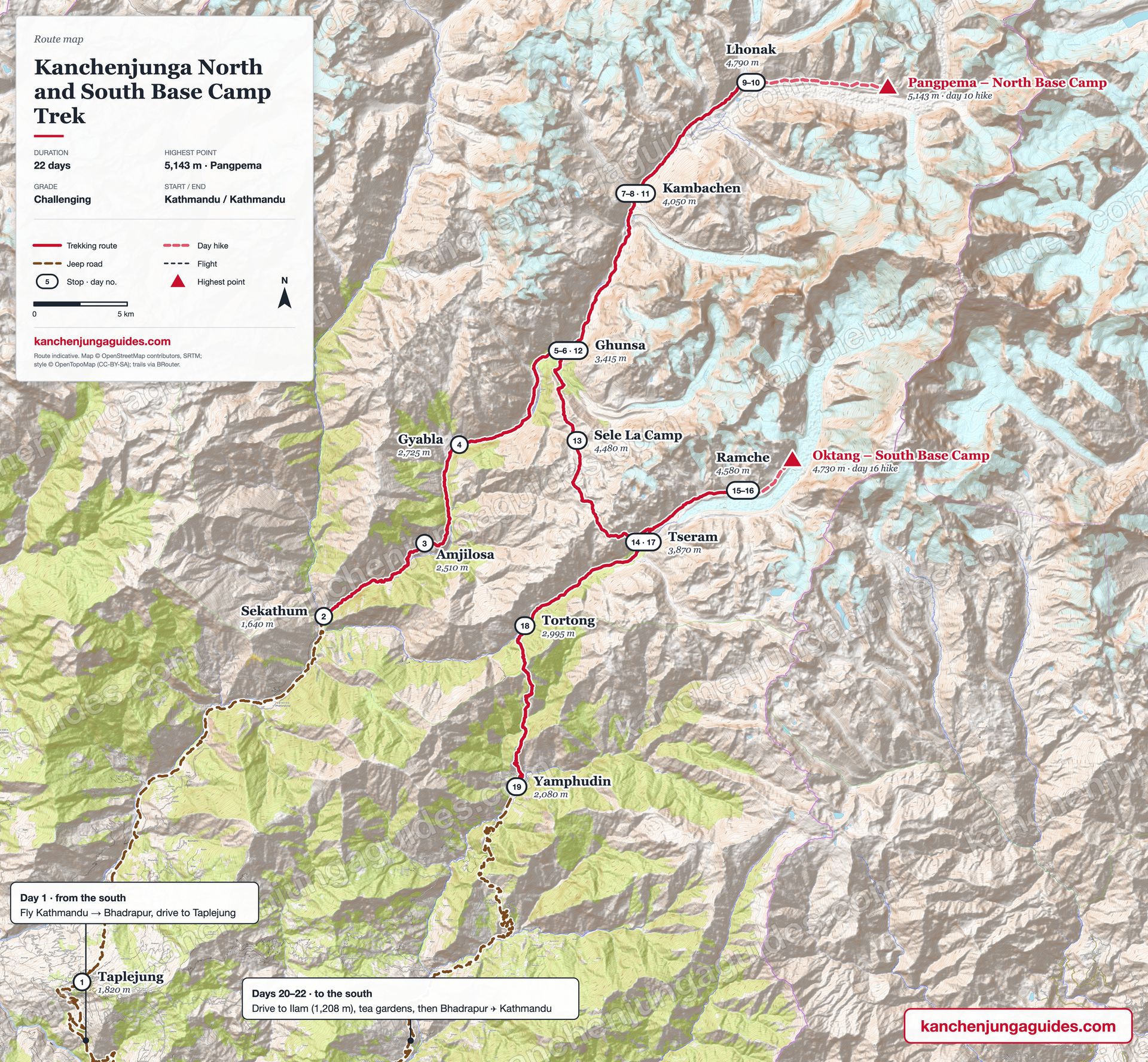
Kanchenjunga Trek Map: Route Maps for Every Itinerary
Madan NeupaneNovember 26, 20263 min read
Kanchenjunga trek maps for the North Base Camp, South Base Camp, full circuit and express routes, with an altitude profile, the trail signs you will meet and tips for navigating offline.
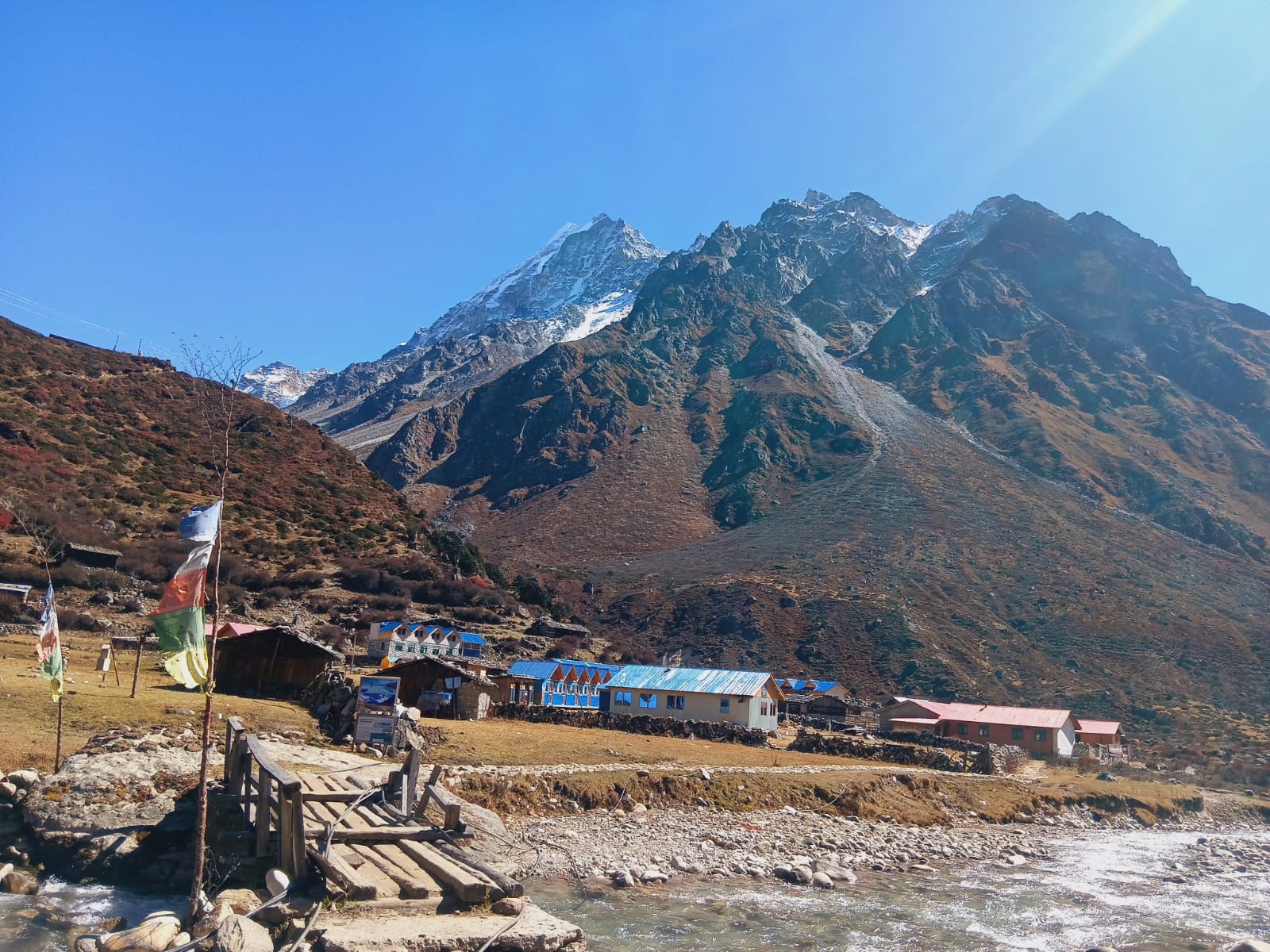
Kanchenjunga Trek Route: Village-by-Village Trail Guide
Madan NeupaneNovember 26, 20265 min read
The Kanchenjunga trek route explained: the northern trail to Pangpema, the southern trail to Oktang, the Sele La crossing that links them, and the altitude and distance of every stop.