Culture & Villages
Why Local Employment Matters in the Kanchenjunga Region
A letter from a Taplejung guide on why hiring local guides and porters matters: keeping families together, keeping money and skills in the mountains, and a safer trek for you.

On this page
Dear trekker,
Before you choose who will walk with you to Kanchenjunga, I'd like to tell you why it matters who that is.
Our team grew up in these mountains. Like many young people in Taplejung, we watched friends leave: for Kathmandu, for the Gulf, for Malaysia, for construction sites and factories far from home. In many villages here, you will meet mostly grandparents and children. The young adults are away, sending money home.
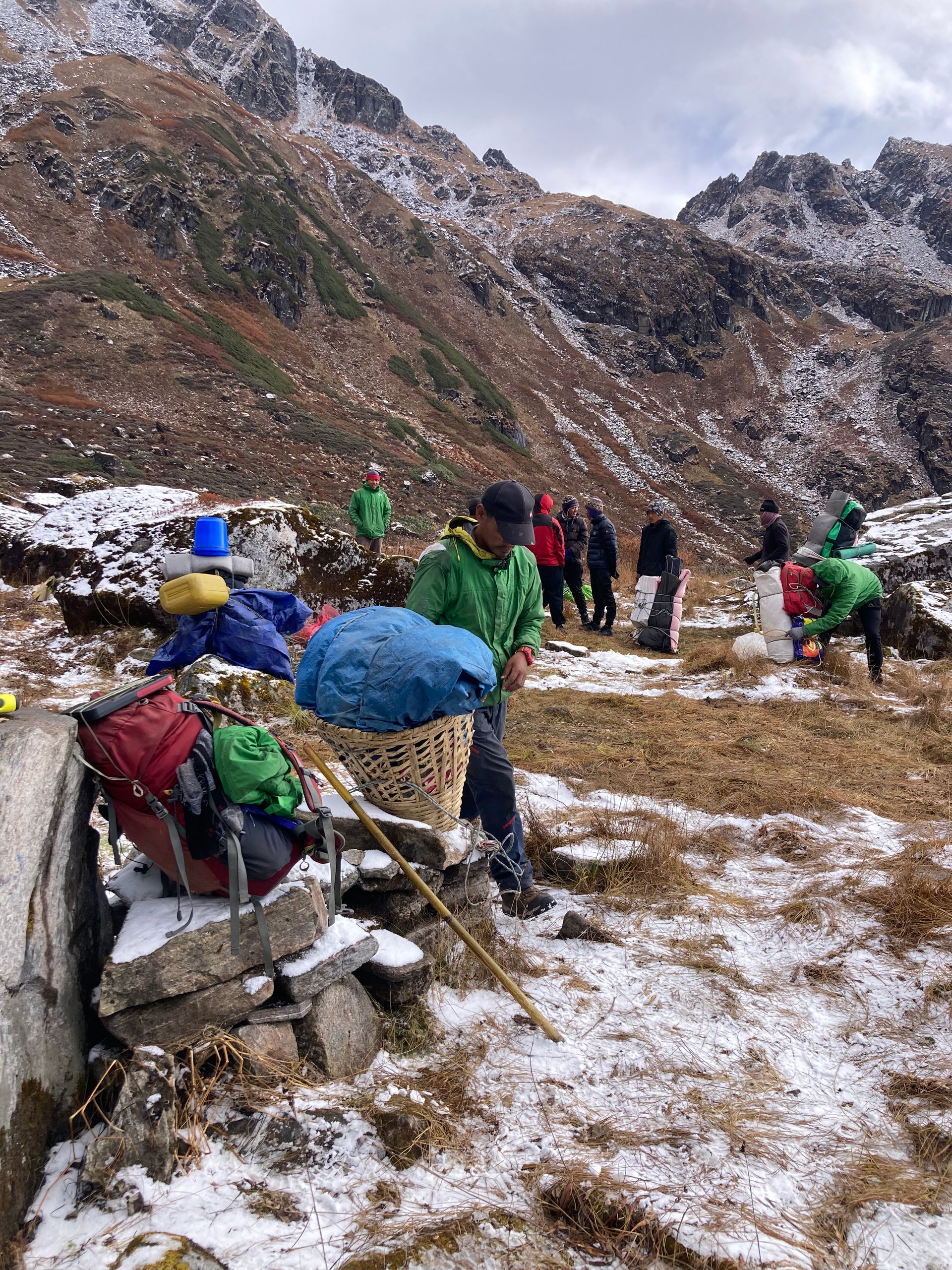
Trekking is one of the few jobs that lets people earn a living without leaving the mountains. When you hire a guide, porter or cook from this region, a family stays together a little longer.
What a Local Team Gives You
A guide from Taplejung doesn't just know the trail. We know the families who run the teahouses, and we speak Limbu, Nepali and Sherpa as needed. We know which bridge washed out last monsoon, where the trail is dangerous after snow, and which lodge has the warmest stove. We understand the customs and greetings in each village, because they're our own.
And when something goes wrong, such as altitude sickness at Lhonak or a landslide below Ghunsa, a local team knows who to call and where to go.
Where the Money Goes
When a guide or porter comes from the region:
- Wages are spent here: on school fees, roofs, medicine and seeds
- Skills stay here: young porters become guides, and guides start their own lodges or businesses
- Teahouses get booked by people who know them, not just the biggest lodge in the village
- Young people see a future at home, and some come back from abroad to work in trekking
If you want to go further, read how to support local businesses on the trail.
What I'd Ask of You
When you book, ask the company a simple question: where are your guides and porters from? Ask whether they're paid fairly and insured, and how they're looked after on the high section. A good company will be happy to answer. You can use our ethical operator checklist to help.
And on the trail, talk to your team. Ask about our villages, our families, our festivals. Many trekkers tell us later that these conversations were the best part of their journey.
The mountains are why you come. The people are why the mountains stay alive.
I hope to see you on the trail.
Pasang Sherpa
Trekking guide, Kanchenjunga Guides
Read more about the local guides and porters of the region, porter welfare, and why so many guides are named Pasang.
Related reading: Supporting women-led businesses
Frequently Asked Questions
How does trekking create local jobs?
Guides, porters, cooks, lodge owners and drivers all earn income from trekkers, especially in villages with few other jobs.
How can I make sure my trek benefits locals?
Choose a local operator, use village teahouses, hire local porters and guides, and carry your waste out.
Ready to see it yourself? Explore our Kanchenjunga Base Camp Trek with local guides.
Plan with local guides
Ready to walk the Kanchenjunga trail?
Tell us your dates and pace. We’ll sort permits, guides and a route that fits — straight from the people who live here.
Keep reading
Other Blogs
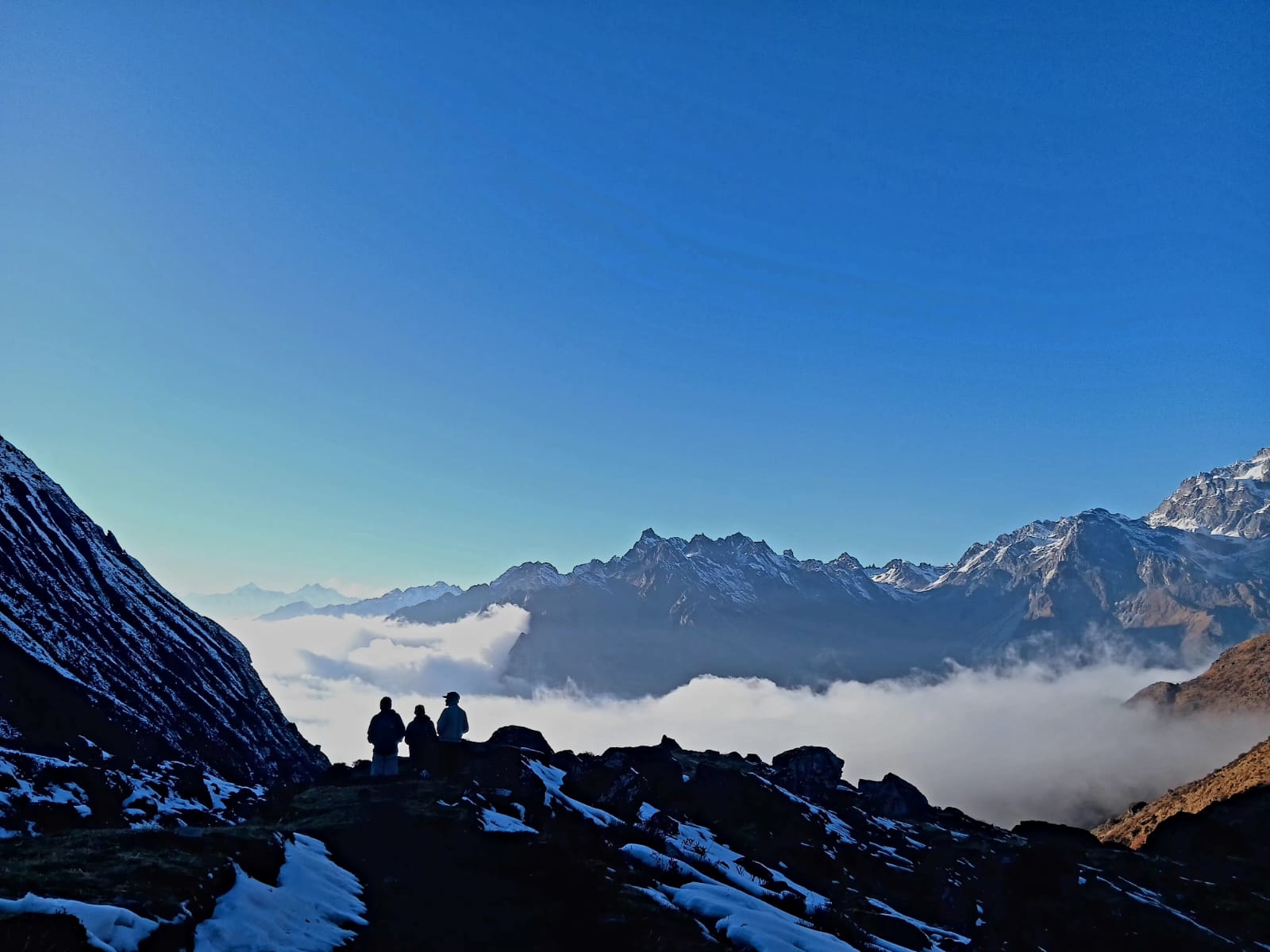
Remote Trekking in Nepal: The Best Off-the-Beaten-Path Treks
Madan NeupaneNovember 26, 20264 min read
Remote trekking in Nepal beyond Everest and Annapurna: why Kanchenjunga leads the list, the other remote treks of eastern Nepal compared, and how to prepare for permits, seasons and days offline.
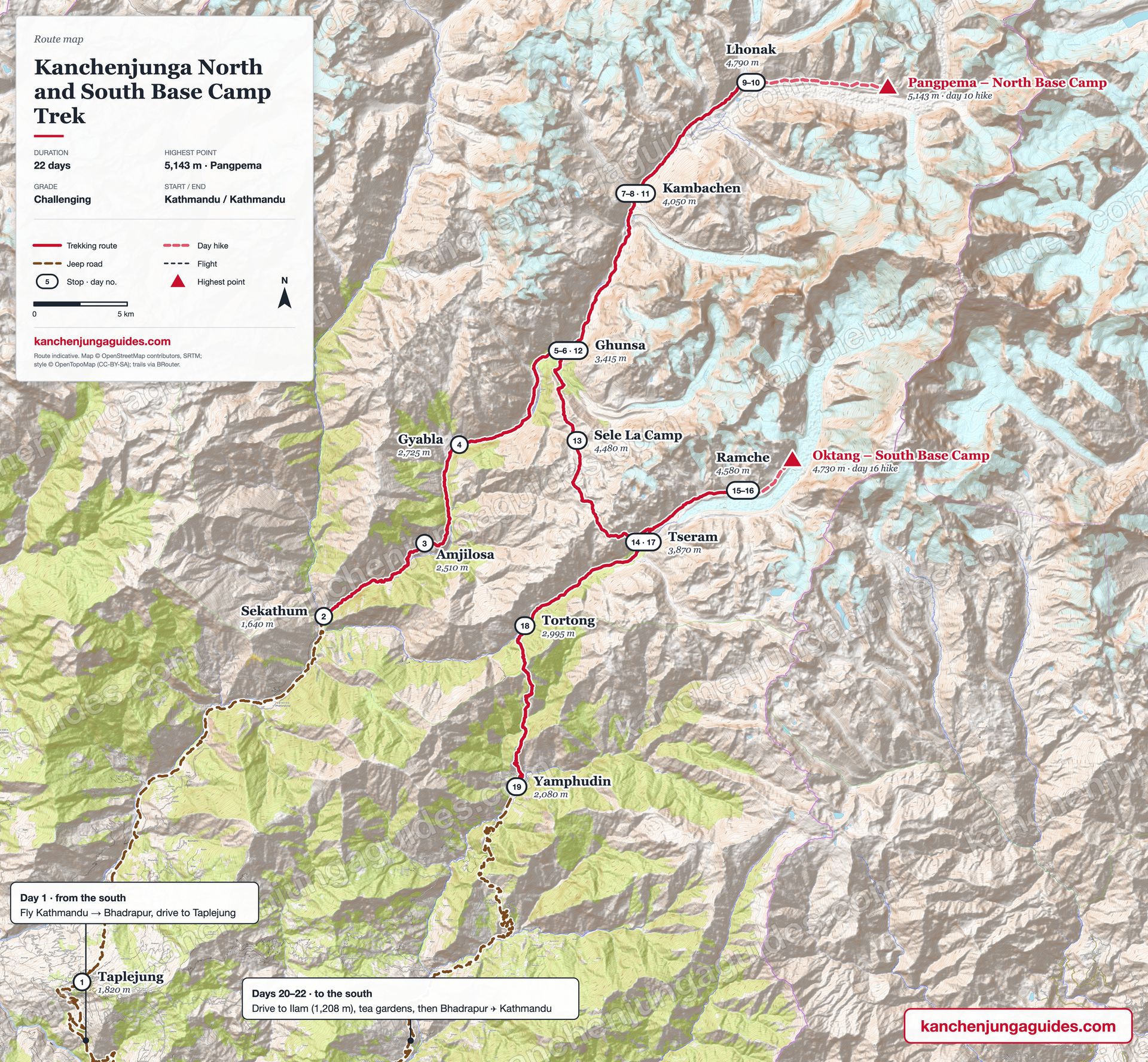
Kanchenjunga Trek Map: Route Maps for Every Itinerary
Madan NeupaneNovember 26, 20263 min read
Kanchenjunga trek maps for the North Base Camp, South Base Camp, full circuit and express routes, with an altitude profile, the trail signs you will meet and tips for navigating offline.
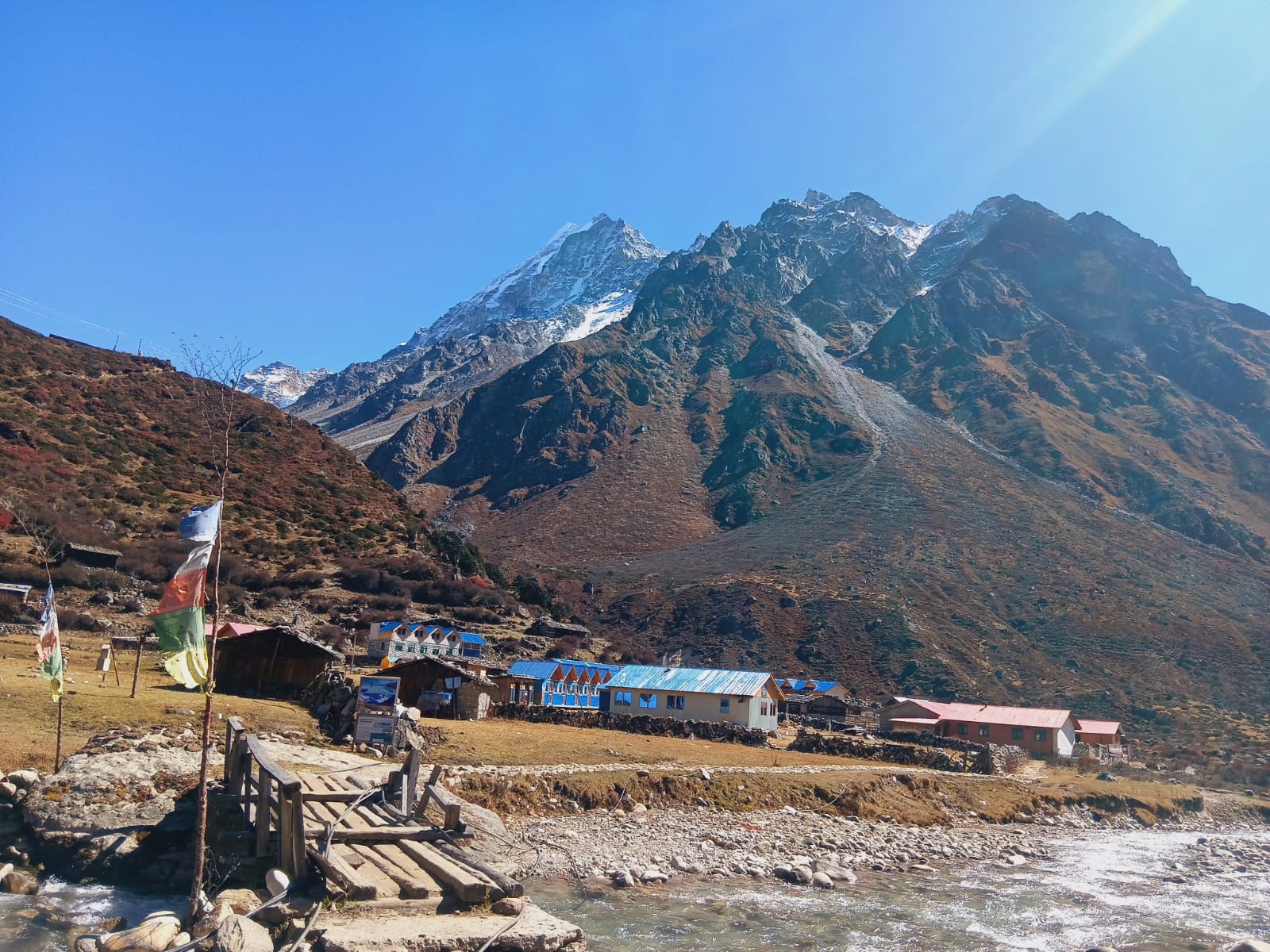
Kanchenjunga Trek Route: Village-by-Village Trail Guide
Madan NeupaneNovember 26, 20265 min read
The Kanchenjunga trek route explained: the northern trail to Pangpema, the southern trail to Oktang, the Sele La crossing that links them, and the altitude and distance of every stop.