

Village
Tortong
Torangdin
Tortong, also known as Torangdin, is a remote trekking stop at around 2,980m on the forested southern approach to Kanchenjunga South Base Camp.
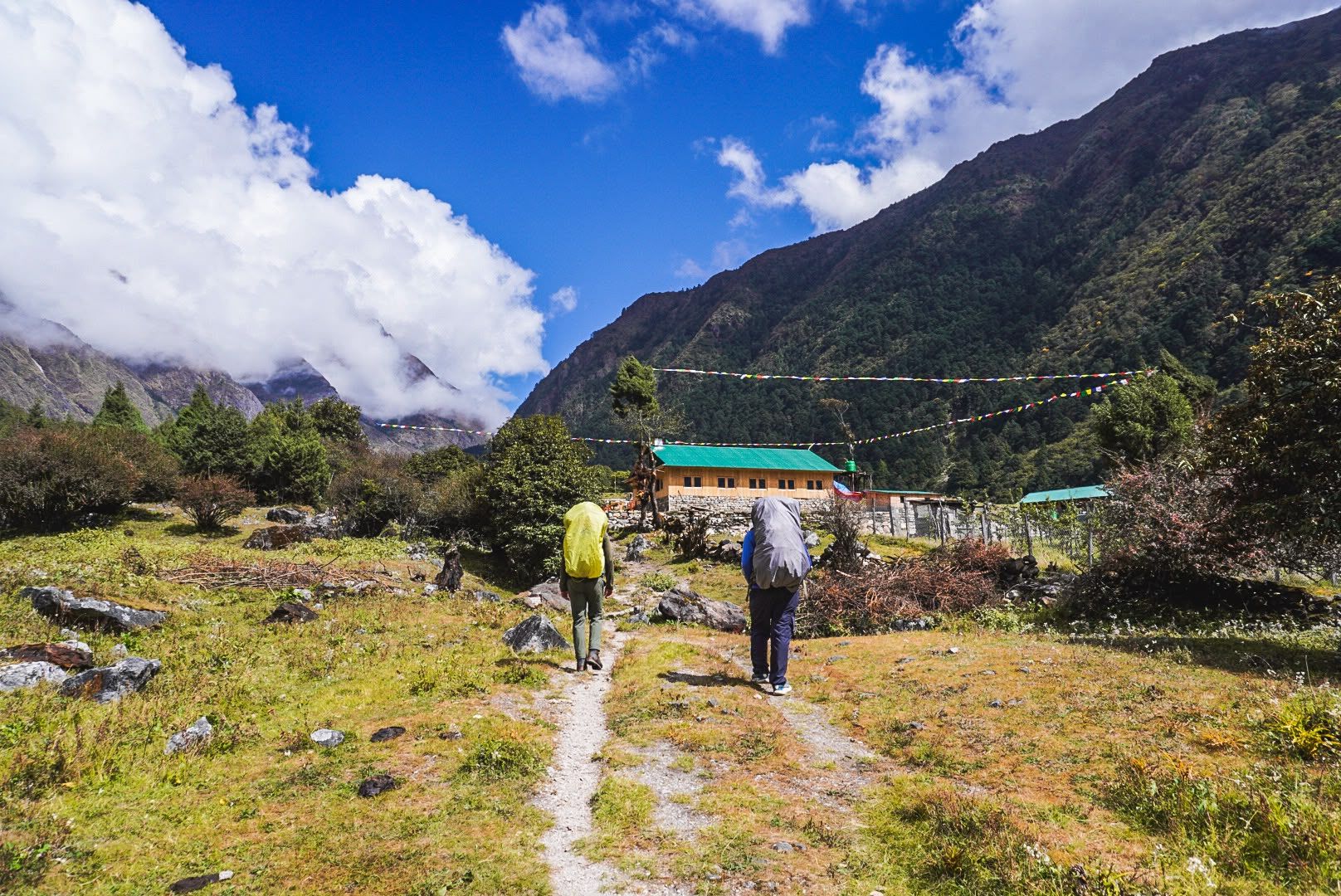
Tortong (Torangdin), Kanchenjunga
Tortong, also known as Torangdin, is a remote overnight stop on the southern side of the Kanchenjunga trekking region in eastern Nepal. Situated at approximately 2,980 metres above sea level, it lies within the forested Simbua Khola valley and serves as an important stop for trekkers travelling between Yamphudin and Tseram.
Unlike larger mountain villages, Tortong is known primarily for its peaceful forest surroundings and strategic position along the trail. The route passes through dense Himalayan vegetation, follows river valleys, and gradually connects the greener lower landscapes with the higher alpine terrain of the Kanchenjunga region.
For trekkers heading toward Kanchenjunga South Base Camp at Oktang, or returning from the high mountain areas, Tortong offers a practical place to rest before continuing the journey. It is a small but important part of the remote trekking experience in the Kanchenjunga Conservation Area.
Where Is Tortong?
Tortong is located in the Kanchenjunga Conservation Area of Taplejung District, in eastern Nepal. It sits along the southern trekking route in the Simbua Khola valley, between Yamphudin and Tseram.
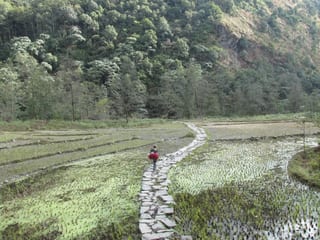
Its surroundings are characterised by steep forested slopes, flowing streams, and narrow mountain valleys. As the trail climbs toward Tseram, the landscape gradually changes, with cooler conditions and increasingly open mountain scenery at higher elevations.
Because Tortong is relatively remote, it is best understood as a trekking waypoint rather than a major village or tourist centre. Its location makes it especially useful for travellers following the southern approach to Kanchenjunga South Base Camp.
Tortong on the Kanchenjunga Trek
Tortong is an important overnight stop on the southern section of the Kanchenjunga trekking route. It connects the lower approach through Yamphudin with the higher mountain settlements around Tseram, Ramche, and Oktang.
The trail can be experienced in either direction, depending on your itinerary.
From Yamphudin to Tortong: The route climbs through forested terrain and remote valleys, with streams and changing vegetation along the way. This is a long trekking day, so a steady pace and sufficient breaks are important.
From Tortong to Tseram: The trail continues through the Simbua Khola valley, gaining elevation as it passes through Himalayan forests toward the higher mountain landscape. Tseram is an important overnight stop for trekkers continuing toward Ramche and the Oktang viewpoint.
For trekkers completing the Kanchenjunga Circuit, Tortong also provides a transition from the high alpine environment back toward the greener forests and lower settlements of the southern region.
Walking distances and durations vary by itinerary, trail conditions, and pace, so check the details of your chosen trekking package before departure.
Forests and Natural Scenery Around Tortong
One of the defining features of Tortong is its forested Himalayan setting. The trail follows steep valley slopes covered with rhododendron, pine, bamboo, and other mountain vegetation, creating a very different atmosphere from the open, rocky landscapes found near the higher Kanchenjunga viewpoints.
Small streams and sections of the Simbua Khola valley add to the scenery, while the surrounding forest creates a quieter and more sheltered walking environment. Depending on the season, trekkers may also see colourful rhododendron blooms and a variety of native birds.
As you continue toward Tseram, the vegetation and terrain gradually change with elevation. This transition is part of what makes the southern Kanchenjunga route so rewarding: within a few trekking days, the landscape shifts from lush forest to high-altitude valleys and dramatic Himalayan peaks.
Visitors should remember that wildlife sightings are unpredictable and that the forest is a natural habitat, not a wildlife-viewing attraction with guaranteed sightings.
Accommodation and Facilities in Tortong
Tortong has basic trekking accommodation and limited facilities compared with larger settlements along more developed trekking routes. Depending on the season and current operating conditions, trekkers may stay in a simple teahouse or lodge.
Facilities in this remote area should not be expected to match those of towns or popular trekking hubs. The availability of hot showers, electricity, charging points, food choices, and mobile connectivity may be limited or inconsistent.
It is best to carry essential personal items, appropriate warm clothing, and any necessary medication. Your trekking guide or agency can help confirm the available accommodation and practical arrangements for your travel dates.
Because Tortong is primarily an overnight stop, most visitors spend their time resting, enjoying the forest surroundings, and preparing for the next day's walk rather than exploring a large settlement.
Nearby Places:
Best Time to Visit Tortong
Spring and autumn are generally the most popular seasons for trekking through Tortong and the wider Kanchenjunga region.
Spring (March–May) brings changing forest scenery, seasonal rhododendron blooms, and generally favourable conditions for exploring the mountain trails.
Autumn (September–November) often offers clear mountain views and comfortable conditions for trekking, although weather can change quickly at higher elevations.
During the monsoon season, heavy rainfall can make forest trails slippery and river crossings more difficult. Winter may bring cold temperatures and snow at higher elevations, affecting travel conditions elsewhere on the route.
Tortong is part of a remote mountain trekking area, so the best travel window also depends on the full itinerary, not just conditions at the overnight stop. Check current weather and trail conditions before setting out.
Plan Your Kanchenjunga Trek
Tortong is one of the important stops that makes the journey through the southern Kanchenjunga region possible. Whether you want to explore the South Base Camp route or experience both sides of the mountain on a longer circuit, choosing the right itinerary helps you prepare for the distance, elevation, and remoteness of the trail.
At Kanchenjunga Guides Nepal, you can compare trekking packages based on route, duration, and group size to find an option that suits your plans.
Explore Kanchenjunga Trek Packages:
Frequently Asked Questions About Tortong
1. What is Tortong famous for?
Tortong, also known as Torangdin, is a remote overnight stop on the southern Kanchenjunga trekking route. It is known for its peaceful forest surroundings, mountain trails, and location along the Simbua Khola valley.
2. What is the altitude of Tortong?
Tortong is located at approximately 2,980–2,995 metres above sea level. The exact elevation may vary slightly between trekking maps and published itineraries.
3. How do you reach Tortong?
Tortong is reached on foot along the southern Kanchenjunga trekking route. Trekkers commonly travel between Yamphudin and Tortong before continuing toward Tseram, depending on their itinerary.
4. How long does it take to trek to Tortong?
The walking time depends on your starting point, trekking pace, and trail conditions. A typical trekking day may take around 5–7 hours, so it is best to check your planned itinerary for the expected duration.
5. Is accommodation available in Tortong?
Basic teahouse or lodge accommodation may be available in Tortong, depending on the season and current operating conditions. Since facilities are limited in this remote area, confirm your accommodation arrangements before starting the trek.
6. What is the best time to trek through Tortong?
Spring (March–May) and autumn (September–November) are generally the best seasons for trekking through Tortong and the wider Kanchenjunga region. Weather can change quickly in the mountains, so check current trail conditions before departure.
7. Is Tortong a good place for acclimatization?
Tortong is primarily an overnight trekking stop rather than a dedicated acclimatization destination. Your itinerary should include appropriate altitude management, gradual ascent, and rest days where needed, particularly before reaching higher areas such as Ramche and Oktang.
8. Which places can I visit after Tortong?
Depending on your trekking direction, you can continue toward Tseram, Ramche, and the Oktang viewpoint on the southern Kanchenjunga route. These places offer increasingly dramatic mountain scenery and access to the Kanchenjunga South Base Camp area.
9. What should I pack for the Tortong trek?
Bring comfortable trekking boots, warm layered clothing, a waterproof jacket, a headlamp, personal medication, water purification supplies, and essential toiletries. Because facilities are limited, carry the personal items you need for a remote mountain journey.
10. Where can I find Kanchenjunga trekking packages?
You can explore the available itineraries, durations, and group options on our Kanchenjunga Trekking Packages page. Compare the routes to find a trek that matches your schedule, experience, and preferences.
Where is Tortong?
The exact point on the Kanchenjunga trail.